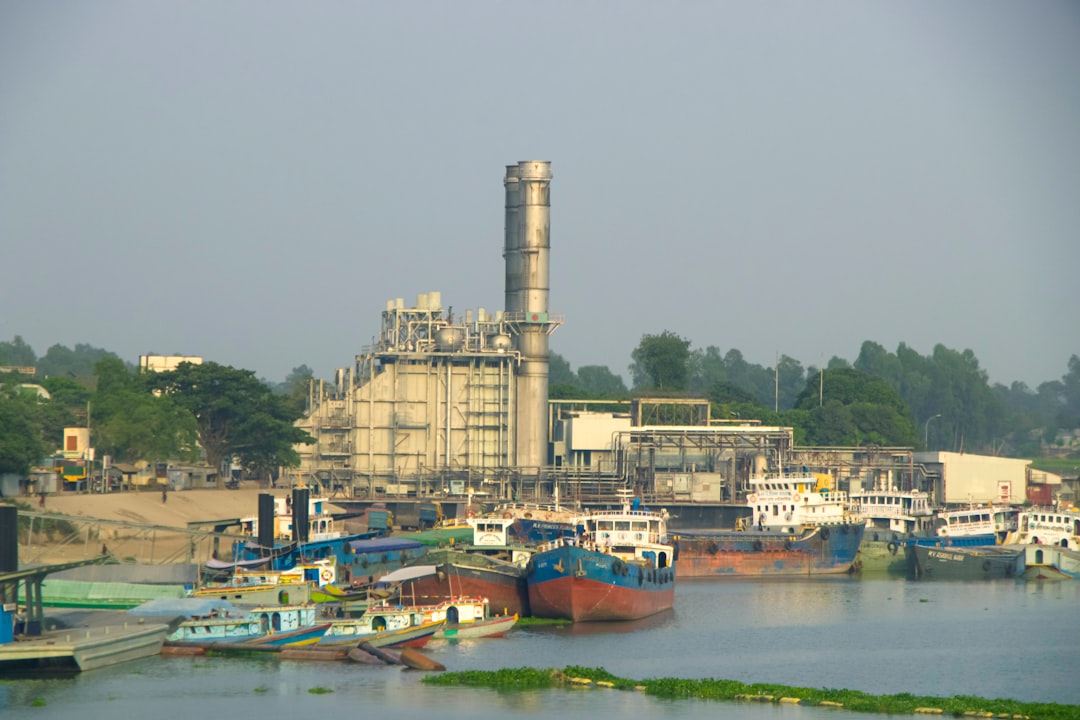
The persistent presence of 1,4-dioxane in wastewater streams, especially those originating from industrial and manufacturing activities, presents a formidable challenge for water treatment professionals. This cyclic ether, a byproduct of various industrial processes and a common solvent, exhibits tenacious characteristics that make its removal a complex and often costly endeavor. Its solubility in water, resistance to conventional biological degradation, and tendency to co-migrate with other contaminants create a multifaceted problem that necessitates advanced filtration and purification techniques.
Sources and Industrial Applications
1,4-dioxane, also known by its IUPAC name 1,4-dioxacyclohexane, is not an inherent component of natural water bodies. Its presence is almost entirely antropogenic, meaning it stems from human activities. The primary sources of 1,4-dioxane contamination in wastewater are a direct consequence of its widespread use in various industries.
Solvents and Degreasers
One of the most significant applications of 1,4-dioxane has been as a stabilizer for chlorinated solvents, particularly 1,1,1-trichloroethane (TCA). While TCA has largely been phased out due to its ozone-depleting properties under the Montreal Protocol, the legacy of its use continues to manifest in contaminated groundwater and industrial wastewater. 1,4-dioxane was added to TCA to prevent its degradation into corrosive hydrochloric acid, thereby extending its shelf life and efficacy as a metal degreaser. Consequently, industries that historically relied on TCA for metal cleaning, such as aerospace, automotive, and electronics manufacturing, are significant contributors to 1,4-dioxane pollution.
Chemical Manufacturing and Synthesis
Beyond its role as a stabilizer, 1,4-dioxane is also employed as a solvent and reactant in the synthesis of various chemicals. It finds application in the production of polyethylene terephthalate (PET) plastics, pharmaceuticals, and other specialized organic compounds. In these manufacturing processes, 1,4-dioxane can be present in process water, wash streams, and even as a residual component in finished products, which can then be released into wastewater.
Consumer Products
The presence of 1,4-dioxane extends beyond direct industrial applications. It is also found as an impurity in certain consumer products, particularly those containing ethoxylated surfactants. These surfactants are common ingredients in detergents, shampoos, cosmetics, and other personal care products. During the manufacturing of these surfactants, a process called ethoxylation is used, which can inadvertently produce 1,4-dioxane as a byproduct. While often present in trace amounts, the cumulative discharge of these products from households contributes to the overall 1,4-dioxane burden in municipal wastewater.
Environmental Persistence and Mobility
Once introduced into the environment, 1,4-dioxane exhibits several characteristics that contribute to its persistence and widespread contamination. These properties make it a recalcitrant pollutant, meaning it is difficult to break down or remove through natural processes.
High Water Solubility
A key factor contributing to 1,4-dioxane’s mobility is its extreme solubility in water. It is miscible with water in all proportions, meaning it readily dissolves and disperses. This characteristic allows it to easily enter and travel through surface water, groundwater, and soil. Unlike many organic contaminants that can sorb (adhere) to soil particles and thus be retained in localized areas, 1,4-dioxane remains dissolved, acting as a tracer for water movement. This mobility is problematic because it can lead to widespread contamination of drinking water sources, even far from the original point of discharge.
Resistance to Biodegradation
Conventional biological wastewater treatment processes, the workhorse of municipal sewage treatment, struggle with 1,4-dioxane. It is highly resistant to aerobic and anaerobic biodegradation by the microbial communities typically found in activated sludge systems. This recalcitrance is attributed to its stable cyclic ether structure, which lacks readily attackable functional groups for microbial enzymes. While some specialized microbial consortia have been identified that can degrade 1,4-dioxane, they are not typically present or sufficiently active in standard treatment plants. This resistance means that conventional treatment essentially leaves 1,4-dioxane largely untouched, allowing it to pass through into the effluent.
Chemical Stability
1,4-dioxane is also chemically stable. It does not readily undergo hydrolysis (reaction with water) or oxidation in typical environmental conditions. This chemical inertness further enhances its persistence in the environment, making it a long-lived contaminant.
Wastewater treatment plants face significant challenges in filtering out 1,4-dioxane, a synthetic chemical commonly found in industrial solvents and personal care products. The complexity of this compound, along with its high solubility in water, makes it difficult for conventional treatment processes to effectively remove it. For a deeper understanding of the limitations of current wastewater treatment technologies and the implications for environmental safety, you can read more in this related article: Why Wastewater Plants Can’t Filter 1,4-Dioxane.
The Inherent Difficulties in Removal
The combination of 1,4-dioxane’s solubility, mobility, and resistance to conventional treatment methods directly translates into significant challenges for its removal from wastewater. Standard filtration, sedimentation, and biological digestion, while effective for many other pollutants, prove to be largely ineffective against this particular compound.
Resistance to Conventional Treatment Technologies
When addressing wastewater treatment, one often thinks of a multi-stage process designed to strip away impurities. However, 1,4-dioxane often slips through these conventional sieves.
Biological Treatment Limitations
As previously mentioned, the microbial communities prevalent in conventional activated sludge systems are not equipped to efficiently degrade 1,4-dioxane. These microbes are akin to a well-trained army, adept at fighting many battles against pollutants, but 1,4-dioxane presents a foe they are not programmed to recognize or defeat. While some breakthrough research has identified specific bacteria capable of breaking down 1,4-dioxane, widespread implementation and optimization of these bio-augmentation strategies for diverse wastewater streams remain a significant hurdle. The conditions required for these specialized microbes to thrive and efficiently degrade 1,4-dioxane might not be compatible with existing treatment infrastructure or might require significant operational adjustments.
Physical Separation Inefficiencies
Conventional physical separation techniques, such as filtration and clarification, are primarily designed to remove particulate matter and suspended solids. 1,4-dioxane, being a dissolved organic compound, does not readily precipitate out or adhere to filters in these processes. Therefore, these methods offer little to no removal of dissolved 1,4-dioxane. Imagine trying to scoop water out of a swimming pool with a net designed to catch leaves; the water simply passes through.
Chemical Oxidation Ineffectiveness
While chemical oxidation is a powerful tool for breaking down many organic contaminants, it also faces challenges with 1,4-dioxane. Strong oxidants like ozone or chlorine can react with 1,4-dioxane, but often at very slow rates or requiring harsh conditions, making it inefficient and expensive for large-scale wastewater treatment. The energy and chemical inputs required to achieve significant oxidation can make it economically unfeasible. Furthermore, incomplete oxidation can sometimes lead to the formation of undesirable byproducts.
Co-contaminant Complexities
Wastewater streams are rarely simple mixtures containing only one pollutant. Often, 1,4-dioxane is found alongside other contaminants, such as chlorinated solvents or volatile organic compounds (VOCs). This co-contamination presents a complex puzzle for treatment engineers.
Interference with Other Treatment Processes
The presence of other dissolved organic compounds can interfere with the effectiveness of advanced treatment technologies used for 1,4-dioxane removal. For instance, some sorbent materials used to capture 1,4-dioxane can also adsorb other organic molecules, reducing their capacity and lifespan. Similarly, advanced oxidation processes might preferentially react with more readily oxidized co-contaminants, leaving the 1,4-dioxane largely unaffected. It is like trying to pick a specific grain of sand out of a beach while other, more prominent shells and stones are also present.
Synergistic or Antagonistic Effects
In some cases, the presence of other compounds might even enhance or inhibit the degradation of 1,4-dioxane, although research in this area is ongoing. Understanding these complex interactions is crucial for designing effective and predictable treatment strategies. A synergistic effect might mean that the combined presence of contaminants actually makes 1,4-dioxane harder to remove, while an antagonistic effect could imply that the removal of one contaminant inadvertently aids in the removal of another, or vice versa.
Advanced Treatment Technologies: A Necessity
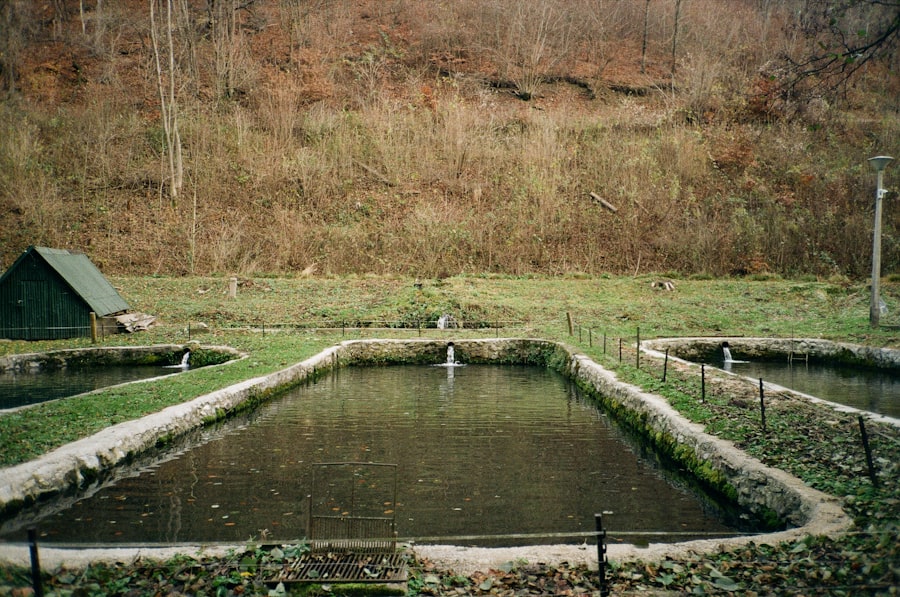
Given the limitations of conventional methods, the removal of 1,4-dioxane demands the application of more sophisticated and specialized treatment technologies. These technologies are often more energy-intensive and costly but are proving to be the most effective pathways to achieving low discharge limits.
Wastewater treatment plants face significant challenges in filtering out contaminants like 1,4-dioxane, a synthetic chemical often found in industrial products and personal care items. The complexity of this compound, combined with the limitations of conventional treatment methods, makes it difficult to remove effectively. For a deeper understanding of the issues surrounding this persistent pollutant and the technological hurdles involved, you can read more in this informative article here. Addressing the presence of 1,4-dioxane in wastewater is crucial for protecting water quality and public health.
Adsorption-Based Methods
Adsorption is a process where a substance is held on the surface of another material. In wastewater treatment, this often involves using porous materials with a high surface area to attract and bind dissolved contaminants.
Granular Activated Carbon (GAC)
Granular activated carbon (GAC) has long been a cornerstone of water purification. Its porous structure provides ample surface area for the adsorption of a wide range of organic compounds, including 1,4-dioxane. However, the effectiveness of GAC for removing 1,4-dioxane can be limited.
Challenges with GAC Performance
While GAC can adsorb 1,4-dioxane, its capacity for this specific compound is generally lower compared to more hydrophobic (water-repelling) organic molecules. This means that the GAC will become saturated with 1,4-dioxane relatively quickly, requiring more frequent regeneration or replacement. The competition from other dissolved organic matter in the wastewater can also reduce the amount of 1,4-dioxane that is adsorbed. Imagine a sponge that can soak up a lot of water, but if it’s already damp with other liquids, it can’t hold as much clean water.
Regeneration and Disposal Concerns
Once the GAC is loaded with contaminants, it needs to be regenerated or disposed of. Regeneration typically involves heating the carbon to desorb the adsorbed compounds, which can be an energy-intensive process. Disposal of spent GAC laden with 1,4-dioxane also requires careful management to prevent re-release into the environment.
Novel Adsorbent Materials
In response to the limitations of GAC, researchers and engineers are exploring and developing novel adsorbent materials with enhanced affinity for 1,4-dioxane. These might include tailored activated carbons with modified surface chemistry, engineered zeolites, or polymeric adsorbents. The goal is to create materials that are more selective for 1,4-dioxane, have a higher adsorption capacity, and are more easily regenerated.
Advanced Oxidation Processes (AOPs)
Advanced Oxidation Processes (AOPs) are a group of chemical treatment methods that utilize highly reactive species, such as hydroxyl radicals (·OH), to oxidize and degrade a wide range of organic pollutants. These processes are known for their ability to break down recalcitrant compounds that are resistant to conventional treatment.
Mechanisms of Hydroxyl Radical Generation
Several methods can be employed to generate hydroxyl radicals, each with its own advantages and disadvantages. Common AOPs include:
Fenton and Photo-Fenton Processes
The Fenton process involves the reaction of hydrogen peroxide (H₂O₂) with ferrous iron (Fe²⁺) to produce hydroxyl radicals. The Photo-Fenton process enhances this reaction by using UV light to accelerate the generation of radicals and the regeneration of the iron catalyst. This can be likened to adding a spark to an already combustible mixture to intensify the reaction.
Ozone-Based AOPs
Ozone (O₃) itself is a strong oxidant, but when combined with hydrogen peroxide or UV light, it can generate even more potent hydroxyl radicals. These advanced ozone-based processes are effective at oxidizing a broad spectrum of organic contaminants.
UV/H₂O₂ System
The direct combination of ultraviolet (UV) light and hydrogen peroxide (H₂O₂) is another effective AOP. UV irradiation cleaves the O-O bond in H₂O₂, forming reactive hydroxyl radicals.
Challenges in AOP Application
Despite their efficacy, AOPs for 1,4-dioxane removal are not without their challenges.
Energy and Chemical Consumption
AOPs can be energy-intensive, requiring significant electricity for UV lamps or other energy inputs. They also necessitate the careful dosing and management of chemical reagents, such as hydrogen peroxide. The cost associated with these inputs can be a significant barrier to widespread adoption, especially for large-scale wastewater treatment facilities.
Byproduct Formation
While AOPs are designed to mineralize organic pollutants (break them down into carbon dioxide and water), incomplete oxidation can sometimes lead to the formation of undesirable byproducts. Careful optimization of reaction conditions and monitoring of effluent quality are essential to ensure complete degradation and prevent the generation of more harmful substances.
Water Matrix Effects
The efficiency of AOPs can also be influenced by the composition of the wastewater matrix. The presence of other dissolved substances, such as alkalinity or dissolved organic carbon, can scavenge hydroxyl radicals, reducing their availability for 1,4-dioxane degradation and thus decreasing the overall efficiency of the process.
Membrane Filtration Technologies
Membrane filtration, particularly reverse osmosis (RO) and nanofiltration (NF), offers a physical barrier that can effectively separate dissolved pollutants from water. These technologies operate under pressure to force water through semi-permeable membranes, leaving behind larger molecules and ions.
Reverse Osmosis (RO)
Reverse osmosis is a highly effective method for removing a wide range of dissolved contaminants, including salts, minerals, and organic molecules. The pores in RO membranes are extremely small, allowing only water molecules to pass through.
High Removal Efficiency
RO has demonstrated excellent removal efficiencies for 1,4-dioxane, often exceeding 95%. This makes it a promising technology for achieving very low discharge limits.
Energy Requirements and Fouling
However, RO systems are also energy-intensive, requiring high pressures to overcome the osmotic pressure of the water. Membrane fouling, the accumulation of contaminants on the membrane surface, is another significant challenge that can reduce flux rates and increase operational costs. Regular cleaning and maintenance are critical to prolong the lifespan of the membranes.
Nanofiltration (NF)
Nanofiltration is a membrane process that falls between ultrafiltration and reverse osmosis in terms of pore size. NF membranes can remove divalent ions and larger organic molecules, and they may offer a more energy-efficient alternative to RO for certain applications.
Potential for Reduced Energy Consumption
While NF membranes are generally less efficient at removing very small molecules like 1,4-dioxane compared to RO, they require lower operating pressures, which can translate to significant energy savings. Research is ongoing to develop NF membranes with improved rejection rates for 1,4-dioxane.
Pre-treatment Considerations
As with RO, pre-treatment of wastewater is often necessary before nanofiltration to prevent membrane fouling and extend membrane life. This pre-treatment can involve processes like clarification or ultrafiltration.
Regulatory Landscape and Future Outlook
The growing awareness of the risks associated with 1,4-dioxane pollution has led to increasing regulatory scrutiny and the development of more stringent discharge limits. This evolving regulatory landscape is a major driver for the adoption of advanced treatment technologies.
Shifting Regulatory Standards
Historically, 1,4-dioxane was not as widely regulated as other contaminants. However, its ubiquity, persistence, and potential health concerns have prompted regulatory bodies worldwide to establish or revise drinking water standards and wastewater discharge limits. These regulations are becoming increasingly stringent, pushing industries and municipalities to invest in effective removal strategies.
Health Concerns and Toxicology
The classification of 1,4-dioxane as a probable human carcinogen by various health organizations has been a significant factor in the increased regulatory focus. Studies have linked exposure to 1,4-dioxane with liver and kidney damage in laboratory animals, and concerns remain about its potential long-term health effects on humans. This toxicological profile underscores the importance of minimizing its presence in drinking water sources and the environment.
Driving Innovation and Investment
The tightening regulatory environment acts as a powerful catalyst for innovation in treatment technologies. Industries facing stricter compliance requirements are compelled to seek out and invest in more effective, albeit potentially more expensive, solutions. This, in turn, drives research and development efforts aimed at finding more cost-effective and efficient ways to remove 1,4-dioxane.
The Pursuit of Sustainable and Cost-Effective Solutions
While advanced treatment technologies are proving effective, the challenge remains to make them economically viable and environmentally sustainable for widespread application.
Life Cycle Cost Analysis
A comprehensive life cycle cost analysis, considering capital costs, operational expenses (energy, chemicals, maintenance), and waste disposal, is crucial for evaluating the true cost-effectiveness of different treatment options. A technology that appears inexpensive upfront might have higher long-term operational costs.
Integration with Existing Infrastructure
The most practical and cost-effective approach for many wastewater treatment facilities will likely involve integrating advanced removal technologies into their existing infrastructure. This could mean retrofitting a conventional plant with an AOP unit or adding a membrane filtration stage. Such integration minimizes the need for entirely new facilities and leverages existing investments.
Future Research Directions
Future research efforts will likely focus on several key areas:
Development of Novel Catalysts and Adsorbents
The search for more efficient and selective adsorbents and catalysts that can effectively target 1,4-dioxane under milder conditions will continue. This includes advancements in nanotechnology and material science.
Bioremediation Advancements
Further understanding and optimization of bioremediation strategies, perhaps through engineered microbial communities or bioaugmentation, could offer a more sustainable and potentially less energy-intensive solution.
Hybrid Treatment Systems
The development and optimization of hybrid treatment systems, combining the strengths of different technologies (e.g., AOPs followed by adsorption), will likely play a crucial role in achieving optimal removal efficiencies and cost-effectiveness.
Public Perception and Water Quality Assurance
Ultimately, the successful management of 1,4-dioxane in wastewater is not just a technical or regulatory challenge, but also one that impacts public perception and confidence in water quality. Ensuring that treated water is safe for consumption and for environmental discharge requires a commitment to adopting the best available technologies and continuous improvement in water treatment practices. The journey to effectively filter 1,4-dioxane from wastewater is an ongoing one, fraught with technical hurdles, but illuminated by the imperative of safeguarding our precious water resources for present and future generations.
WATCH NOW ▶️ WARNING: Why Your Shampoo Is Illegal In Europe
FAQs
What is 1,4-dioxane and why is it a concern in wastewater?
1,4-Dioxane is a synthetic industrial chemical commonly used as a solvent stabilizer. It is a concern in wastewater because it is highly soluble in water, persistent in the environment, and potentially harmful to human health, making it difficult to remove through conventional wastewater treatment processes.
Why can’t conventional wastewater treatment plants effectively remove 1,4-dioxane?
Conventional wastewater treatment plants primarily use physical, biological, and chemical processes designed to remove organic matter, nutrients, and pathogens. However, 1,4-dioxane is resistant to biodegradation and does not easily adsorb onto solids, so it passes through these treatment stages largely unaffected.
Are there any advanced treatment methods that can remove 1,4-dioxane from wastewater?
Yes, advanced treatment methods such as advanced oxidation processes (AOPs), including ultraviolet (UV) light combined with hydrogen peroxide, and activated carbon adsorption can be effective in breaking down or removing 1,4-dioxane from wastewater. However, these methods are more costly and complex than conventional treatments.
What are the environmental and health risks associated with 1,4-dioxane in treated wastewater?
1,4-Dioxane is classified as a probable human carcinogen and can contaminate drinking water sources if not adequately removed. Its persistence in the environment can lead to long-term exposure risks for humans and wildlife, including potential impacts on liver and kidney function.
Is there ongoing research to improve the removal of 1,4-dioxane in wastewater treatment?
Yes, researchers are actively exploring new technologies and treatment combinations to enhance the removal of 1,4-dioxane. These include novel catalysts for oxidation, bioaugmentation with specialized microorganisms, and integrated treatment systems to make removal more efficient and cost-effective.