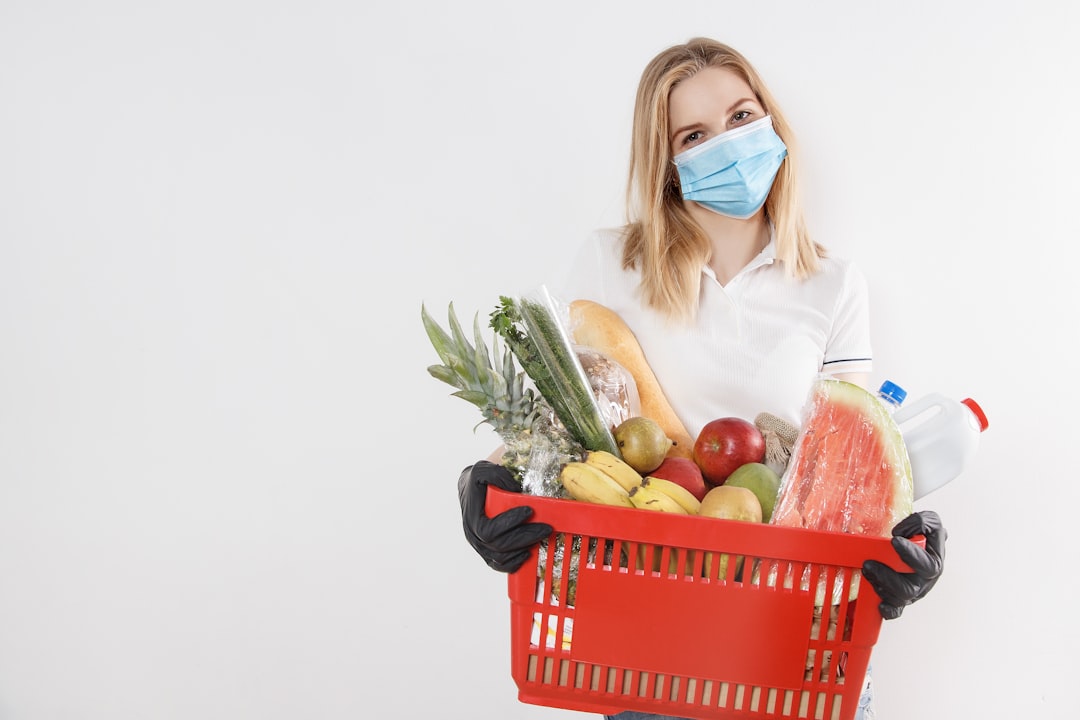
The pursuit of well-being often leads individuals to scrutinize the substances they consume. In this context, selecting groceries free from potentially harmful chemical compounds has emerged as a significant consideration for many consumers. This article aims to provide a comprehensive guide to navigating the complex landscape of non-toxic grocery shopping, empowering readers to make informed decisions that align with their health objectives. It delves into the various facets of food production, labeling, and purchasing strategies, offering practical insights for a more discerning approach to nourishment.
The term “non-toxic” in the context of groceries generally refers to foods produced with minimal or no synthetic pesticides, herbicides, fungicides, artificial fertilizers, hormones, antibiotics, genetically modified organisms (GMOs), artificial preservatives, colors, or flavors. The rationale behind this preference is multifaceted, stemming from concerns about potential long-term health effects, environmental degradation, and ethical considerations surrounding animal welfare and agricultural practices.
The Chemical Nexus: A Web of Concerns
Modern industrial agriculture, while efficient in large-scale food production, often relies on a panoply of chemical inputs. These substances, designed to maximize yields and control pests, can leave residues on food or be incorporated into the food matrix itself.
- Pesticides and Herbicides: These chemicals, while effective in crop protection, are designed to be biologically active. Concerns exist regarding their potential endocrine-disrupting effects, neurotoxicity, and carcinogenicity in humans. The “dirty dozen” and “clean fifteen” lists, compiled by organizations like the Environmental Working Group (EWG), aim to guide consumers on produce with higher and lower pesticide residues, respectively.
- Artificial Fertilizers: While crucial for soil fertility, the overuse of synthetic nitrogen fertilizers can lead to environmental issues like groundwater contamination and nitrous oxide emissions. While not directly toxic in the same manner as pesticides, their environmental impact is a concern for many.
- Hormones and Antibiotics in Animal Products: Conventional livestock farming often utilizes growth hormones to accelerate animal development and antibiotics to prevent disease in crowded conditions. The consumption of meat and dairy from animals treated with these substances raises questions about potential contributions to antibiotic resistance and hormonal imbalances in humans.
Environmental and Ethical Dimensions
Beyond individual health, the choices made in the grocery aisle resonate with broader environmental and ethical implications.
- Soil Health and Biodiversity: Non-toxic farming practices, often aligned with organic principles, prioritize soil health through crop rotation, composting, and natural pest control. This approach fosters biodiversity, reduces reliance on synthetic inputs, and can contribute to more resilient ecosystems.
- Water Quality: The runoff from conventional farms, laden with pesticides and fertilizers, can contaminate waterways, harming aquatic life and impacting drinking water sources. Choosing products from farms that minimize these inputs helps mitigate this environmental burden.
- Animal Welfare: Many consumers who prioritize non-toxic groceries also seek out animal products from sources that adhere to higher animal welfare standards, rejecting practices common in large-scale industrial farming.
When it comes to shopping for non-toxic groceries, understanding the importance of ingredient labels and sourcing can make a significant difference in your health. For a comprehensive guide on how to navigate the grocery store while prioritizing non-toxic options, you can refer to this informative article at Hey Did You Know This. It offers valuable insights and tips that can help you make more informed choices for a healthier lifestyle.
Decoding Labels: Navigating the Information Labyrinth
The grocery store can feel like a labyrinth of labels, each claiming some benefit or virtue. Understanding what these labels truly signify is crucial for making informed non-toxic choices.
Certified Organic: The Gold Standard for Many
The “Organic” label, particularly in regions with robust regulatory frameworks like the USDA Organic certification in the United States or the EU Organic logo in Europe, represents a significant commitment to non-toxic practices.
- Strict Regulations: Organic certification mandates the absence of synthetic pesticides, herbicides, GMOs, artificial fertilizers, sewage sludge, irradiation, and artificial flavors, colors, and preservatives. For animal products, it prohibits the use of hormones and antibiotics and requires access to the outdoors and organic feed.
- Third-Party Verification: Farms and processors seeking organic certification undergo rigorous annual inspections by accredited third-party certifiers to ensure compliance with established standards. This provides a level of assurance that is often absent in other claims.
- Variations by Country: While the core principles are similar, specific regulations and allowable substances can vary between different national organic certification schemes. Consumers should familiarize themselves with the standards relevant to their region.
Beyond Organic: Exploring Niche Certifications
While organic certification covers a broad spectrum, other labels address specific concerns or offer even stricter standards.
- Biodynamic Certification: This goes beyond organic, incorporating ecological, holistic, and ethical farming practices based on Rudolf Steiner’s agricultural philosophy. It emphasizes a closed-loop system, treating the farm as a living organism.
- Pasture-Raised/Grass-Fed (for animal products): These labels indicate that animals have spent a significant portion of their lives grazing on pastures. For cattle, “100% Grass-Fed” implies a diet solely of forage, potentially leading to a different fatty acid profile in the meat. These terms are less regulated than “organic” and can sometimes be ambiguous.
- Non-GMO Project Verified: This independent verification program indicates that a product has been produced without genetic engineering. While organic certification generally prohibits GMOs, this label offers an additional layer of assurance for those specifically concerned about GMOs in non-organic products.
- Fair Trade Certification: While not directly related to chemical toxicity, Fair Trade certification addresses ethical production practices, ensuring fair wages and safe working conditions for farmers and workers in developing countries. Many consumers who prioritize non-toxic foods also value fair labor practices.
When it comes to shopping for non-toxic groceries, understanding the importance of ingredient labels is crucial for making informed choices. A helpful resource that delves deeper into this topic can be found in a related article that offers tips and insights on selecting safe food options. You can read more about it in this informative piece on non-toxic grocery shopping. By being mindful of what you put in your cart, you can ensure a healthier lifestyle for you and your family.
Understanding Marketing Buzzwords: Proceed with Caution
Many labels are marketing tools rather than substantiated certifications. Consumers should exercise caution when encountering terms that lack clear definitions or regulatory oversight.
- “Natural”: This term has no federally regulated definition and can be applied to a wide range of products, often with synthetic ingredients or processing. It is largely meaningless as an indicator of non-toxicity.
- “Farm Fresh”: Similar to “natural,” this term is used for marketing appeal and does not guarantee specific farming practices or freshness.
- “Sustainable”: While a laudable goal, “sustainable” lacks a universal definition and can be broadly interpreted. Some certifications like “Certified Regenerative” are emerging to define and verify sustainable practices more rigorously.
Strategic Shopping: Pillars of a Non-Toxic Pantry

Adopting a non-toxic grocery shopping strategy involves more than just reading labels; it requires a holistic approach to sourcing, preparation, and mindful consumption.
Prioritizing Produce: The Foundation of Health
Fruits and vegetables form the cornerstone of a healthy diet, and for many, they represent the most critical area for non-toxic selection.
- The “Dirty Dozen” and “Clean Fifteen” Strategy: As mentioned earlier, consult these lists to prioritize organic versions of fruits and vegetables known for higher pesticide residues (the “dirty dozen”) and to choose conventionally grown options for those with lower residues (the “clean fifteen”) if budget is a constraint.
- Local and Seasonal Eating: Sourcing produce from local farmers’ markets or CSAs (Community Supported Agriculture) offers several advantages. It often means fresher produce, reduced transportation costs (and associated carbon footprint), and the opportunity to directly inquire about farming practices, even if not formally certified organic. Seasonal eating also means foods are consumed at their peak flavor and nutritional value.
- Washing Produce Thoroughly: Even organic produce should be thoroughly washed under running water to remove dirt, residual pesticides (even those approved for organic use), and microbes. A vegetable brush can be effective for firmer skins.
Animal Products: Navigating Ethical and Health Implications
For those who consume animal products, selecting non-toxic options involves considering the animal’s diet, living conditions, and treatment.
- Organic and Pasture-Raised Meats: Opt for organic, pasture-raised, or 100% grass-fed meats. These labels generally indicate animals that have been raised without synthetic hormones, antibiotics, or GMO feed, and have had access to outdoor foraging.
- Wild-Caught Fish: When purchasing fish, “wild-caught” is generally preferred over “farm-raised” due to concerns about the feed, antibiotics, and potential contaminants in some aquaculture systems. However, sustainability is also a key concern, and consumers should consult resources like the Monterey Bay Aquarium Seafood Watch for environmentally responsible choices.
- Organic and Pasture-Raised Eggs and Dairy: For eggs, look for “organic” and “pasture-raised” labels. For dairy, choose organic milk, yogurt, and cheese to ensure the cows have not been treated with synthetic hormones or antibiotics and have consumed organic feed.
Pantry Staples and Processed Foods: Minimizing Hidden Toxins
Even seemingly innocuous pantry staples and convenience foods can harbor undesirable ingredients.
- Whole Grains and Legumes: Prioritize organic whole grains (oats, quinoa, brown rice, whole wheat) and legumes (beans, lentils) to avoid pesticide residues and GMO contamination.
- Healthy Fats and Oils: Choose historically stable and minimally processed oils such as organic extra virgin olive oil, avocado oil, and coconut oil. Avoid highly refined vegetable oils like soybean, corn, and canola oil, which are often produced from GMO crops and undergo extensive chemical processing.
- Canned and Packaged Goods: Opt for products in glass jars or BPA-free cans to avoid exposure to bisphenol A, a chemical linked to various health concerns. Read ingredient labels meticulously, avoiding artificial flavors, colors, preservatives, high-fructose corn syrup, and partially hydrogenated oils. The shorter the ingredient list, often the better.
- Fermented Foods: Incorporate traditionally fermented foods like sauerkraut, kimchi, kefir, and kombucha. These foods, often made with organic ingredients, provide beneficial probiotics that support gut health.
Empowering the Non-Toxic Buyer: Beyond the Aisle
The journey to a non-toxic pantry extends beyond the literal grocery store aisles, encompassing personal advocacy and a deeper understanding of food systems.
Building Relationships with Producers
Direct engagement with farmers and producers can be an invaluable asset in the quest for non-toxic food.
- Farmers’ Markets and CSAs: Regularly visiting farmers’ markets allows for direct conversations with the people who grow and raise your food. Ask about their farming methods, pest control strategies, and animal husbandry practices. Joining a CSA provides a direct connection to a farm, often with opportunities to visit and learn firsthand.
- Farm Tours and Open Houses: Many farms offer tours or open house events, providing transparency and an opportunity to see their operations. This firsthand experience can build trust and deepen understanding.
Cooking at Home: The Ultimate Control
Preparing meals at home offers the most significant control over ingredients and preparation methods.
- From Scratch Cooking: By cooking from scratch, individuals control every ingredient, eliminating hidden additives, excessive sodium, and unhealthy fats often found in convenience foods. This provides complete transparency and allows for the conscious selection of non-toxic components.
- Meal Planning and Batch Cooking: Planning meals in advance and engaging in batch cooking can save time and money, making it easier to consistently prepare healthy, non-toxic meals rather than relying on takeout or processed options.
Advocating for Change: A Collective Effort
Individual choices reverberate beyond personal health, contributing to broader shifts in the food system.
- Supporting Ethical Businesses: By choosing to purchase from companies committed to non-toxic and sustainable practices, consumers send a clear market signal, encouraging more businesses to adopt similar standards.
- Engaging in Policy Advocacy: Supporting organizations that advocate for stronger food safety regulations, clearer labeling laws, and sustainable agricultural policies contributes to a healthier food environment for everyone.
- Educating Others: Sharing knowledge and experiences about non-toxic grocery shopping with friends, family, and community members can empower a wider audience to make more informed choices, fostering a ripple effect of positive change.
In conclusion, navigating the world of non-toxic groceries is a continuous learning process, a journey rather than a destination. It requires an inquisitive mind, careful attention to labels, and an understanding of the intricate relationship between food, health, and the environment. By embracing these principles, individuals can cultivate a pantry that serves as a cornerstone for well-being, reflecting a conscious commitment to a healthier self and a more sustainable planet. This deliberate approach to consumption transforms the simple act of grocery shopping into an impactful choice, a testament to the power of informed sustenance.

WATCH NOW ▶️ WARNING: Why Your Shampoo Is Illegal In Europe
FAQs
What does “non-toxic groceries” mean?
Non-toxic groceries refer to food products that are free from harmful chemicals, pesticides, artificial additives, and preservatives. These items are often grown or produced using natural methods that minimize exposure to toxins.
How can I identify non-toxic groceries at the store?
Look for labels such as “organic,” “non-GMO,” or certifications from reputable organizations that verify the absence of harmful chemicals. Additionally, choosing whole, unprocessed foods like fresh fruits and vegetables can reduce exposure to toxins.
Are organic foods always non-toxic?
While organic foods are grown without synthetic pesticides and fertilizers, they may still contain natural toxins or contaminants. However, organic standards generally ensure lower levels of harmful substances compared to conventional produce.
Is it more expensive to shop for non-toxic groceries?
Non-toxic groceries, especially organic products, can sometimes be more expensive due to farming practices and certification costs. However, buying seasonal produce, shopping at farmers’ markets, and prioritizing key items can help manage expenses.
What are some tips for reducing toxins in groceries at home?
Washing fruits and vegetables thoroughly, peeling skins when appropriate, and choosing minimally processed foods can help reduce toxin intake. Storing food properly and avoiding plastic packaging can also minimize exposure to harmful chemicals.