
The landscape of American cosmetics, a multi-billion dollar industry, often projects an image of glamour and promise: enhanced beauty, improved skin, and a boost of confidence. Beneath this veneer, however, lies a complex web of chemical compounds, some of which have garnered significant scrutiny due to their potential health implications. This article delves into the presence of toxic chemicals within American cosmetic products, examining the regulatory framework, prevalent problematic ingredients, and the scientific discourse surrounding their safety.
The regulation of cosmetics in the United States operates under a different paradigm than that for pharmaceuticals or food. Unlike these categories, cosmetic products and their ingredients do not require pre-market approval by the Food and Drug Administration (FDA) before they are sold to consumers. This distinction fundamentally shapes the industry’s approach to ingredient safety.
FDA Oversight: A Reactive Stance
The FDA’s primary role in cosmetic regulation is largely reactive. The agency has the authority to take action against cosmetic products on the market if there is sufficient evidence to show they are adulterated or misbranded. This often means waiting for consumer complaints or scientific studies to emerge, rather than proactively vetting ingredients.
Limited Authority and Resources
Critiques of the FDA’s approach often highlight its limited authority and resources. Compared to other regulatory bodies globally, the FDA’s power over cosmetics is perceived by some as a “light touch.” The agency has no mandatory recall authority for cosmetic products, and its ability to demand safety data from manufacturers is constrained. This creates a challenging environment for ensuring comprehensive consumer protection.
The Federal Food, Drug, and Cosmetic Act (FD&C Act)
The foundational legislation governing cosmetics is the Federal Food, Drug, and Cosmetic Act (FD&C Act), enacted in 1938. While it provides a framework for safety, critics argue that it is outdated and not adequately equipped to address the complexities of modern cosmetic chemistry. The act places the primary responsibility for safety on the manufacturers themselves.
Recent investigations have shed light on the presence of toxic chemicals in American cosmetics, raising significant health concerns among consumers. For a deeper understanding of this issue, you can read a related article that delves into the specific harmful substances found in popular beauty products and their potential effects on health. To explore this topic further, visit this article.
Prevalent Problematic Ingredients
Numerous chemical compounds found in cosmetic products have raised concerns among scientists, public health advocates, and consumers. These ingredients span a wide range of functions, from preservatives and emulsifiers to fragrances and colorants.
Formaldehyde and Formaldehyde-Releasing Preservatives
Formaldehyde, a known human carcinogen, and chemicals that release formaldehyde over time (e.g., quaternium-15, DMDM hydantoin, imidazolidinyl urea, diazolidinyl urea) are commonly used as preservatives in various cosmetic products, including shampoos, conditioners, and body washes. Their purpose is to prevent microbial growth, thereby extending shelf life.
Health Concerns Associated with Formaldehyde
Exposure to formaldehyde can cause a range of adverse health effects. These include skin irritation, allergic reactions, respiratory problems, and, most significantly, an increased risk of specific cancers, particularly nasopharyngeal cancer and leukemia. The debate often centers on the concentration levels at which these effects become significant.
Phthalates: Ubiquitous Plasticizers and Fragrance Components
Phthalates are a group of chemicals used to make plastics more flexible and durable. They are also frequently used as solvents in fragrances, making them a common, though often undeclared, ingredient in many cosmetic products. Diethyl phthalate (DEP) is the most common phthalate found in cosmetics.
Endocrine Disruption and Reproductive Health
The primary concern with phthalates stems from their classification as endocrine disruptors. These chemicals can interfere with the body’s hormonal system, potentially leading to adverse developmental, reproductive, neurological, and immune effects. Studies have linkedphthalate exposure to issues such as reduced sperm count, early puberty, and obesity.
Parabens: Preservatives Under Scrutiny
Parabens (e.g., methylparaben, propylparaben, butylparaben, ethylparaben) are a class of preservatives widely used in cosmetics to prevent bacterial and fungal growth. Their effectiveness and low cost have made them industry staples for decades.
Estrogenic Activity and Breast Cancer Link
Research indicates that parabens possess weak estrogenic activity, meaning they can mimic the hormone estrogen in the body. This has fueled concerns about their potential role in hormone-sensitive cancers, particularly breast cancer. While the scientific community is still debating the direct causal link and the significance of exposure levels, some studies have detected parabens in breast tumor tissue.
Per- and Polyfluoroalkyl Substances (PFAS): The “Forever Chemicals”
PFAS are a large group of man-made chemicals known for their water- and oil-repellent properties. They are increasingly being identified in cosmetic products, particularly those marketed as long-lasting, waterproof, or smudge-proof, such as foundations, mascaras, and eyeliners.
Environmental Persistence and Bioaccumulation
PFAS are often referred to as “forever chemicals” due to their exceptional persistence in the environment and the human body. They do not break down easily and can accumulate over time, leading to widespread environmental contamination and human exposure.
Health Risks: A Growing Body of Evidence
Exposure to certain PFAS has been linked to a range of serious health problems, including kidney cancer, testicular cancer, thyroid disease, elevated cholesterol, decreased fertility, and developmental delays in children. The cosmetic industry’s use of PFAS is a relatively recent area of concern, and research into the specific health impacts of cosmetic-related exposure is ongoing.
Fragrance: The “Trade Secret” Loophole
The term “fragrance” or “parfum” on an ingredient list can represent a complex mixture of dozens, if not hundreds, of individual chemical compounds. Due to “trade secret” protections, companies are not required to disclose the specific ingredients that make up their proprietary fragrance blends. This opacity is a significant point of contention.
Allergic Reactions and Sensitization
Many fragrance ingredients are known allergens and sensitizers, capable of causing skin irritation, rashes, asthma attacks, and headaches in sensitive individuals. The lack of transparency makes it challenging for consumers to identify and avoid specific problematic fragrance components.
Undeclared Endocrine Disruptors
Beyond allergens, there are concerns that undisclosed fragrance mixtures may contain endocrine-disrupting chemicals, such as phthalates, without consumers’ knowledge. This “black box” approach to fragrance formulation hinders informed consumer choice and raises questions about ingredient safety.
The Science of Risk Assessment
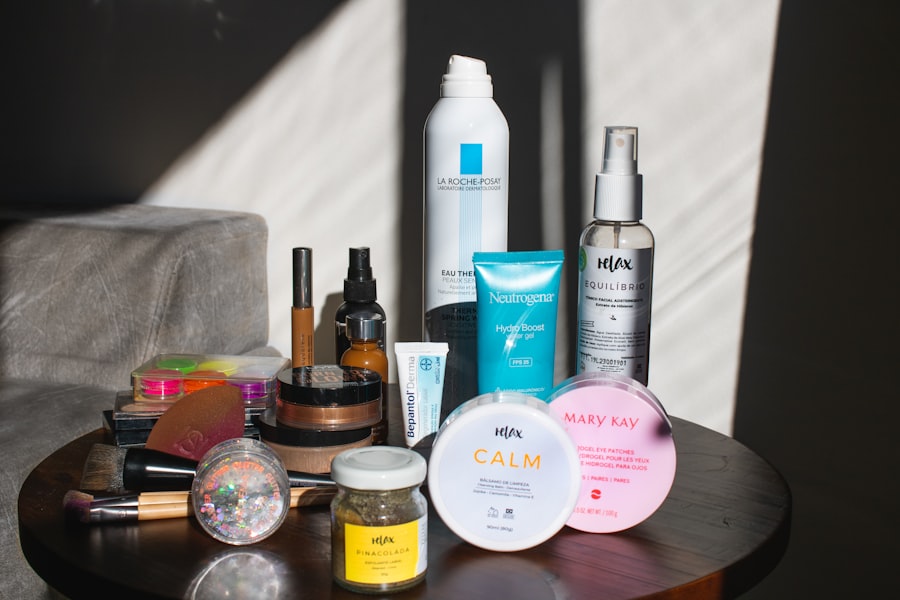
Evaluating the safety of cosmetic ingredients is a complex scientific endeavor. It involves understanding toxicology, exposure levels, and the cumulative effects of multiple chemical exposures.
Dose Makes the Poison: A Nuanced Perspective
A fundamental principle in toxicology is “the dose makes the poison.” This means that the mere presence of a chemical does not automatically equate to harm; rather, the quantity of exposure and the duration of that exposure are critical factors. Proponents of certain ingredients often argue that the levels found in cosmetics are too low to cause significant adverse effects.
The Precautionary Principle: A Different Lens
Conversely, advocates for stricter regulation often invoke the precautionary principle. This principle suggests that if there is a strong suspicion of harm, even in the absence of absolute scientific certainty, protective measures should be taken. It shifts the burden of proof from demonstrating harm to demonstrating safety.
Cumulative Exposure and the “Cocktail Effect”
A major challenge in assessing cosmetic safety is the concept of cumulative exposure. Individuals are exposed to a multitude of chemicals from various sources—food, water, air, and personal care products—on a daily basis. The interaction and combined effects of these exposures, often referred to as the “cocktail effect,” are poorly understood but are increasingly recognized as a significant public health concern. The effects of a small amount of a chemical in one product might be negligible, but when combined with similar chemicals from ten other products, the total exposure could become significant.
Endocrine Disruption: A Low-Dose, Non-Linear Challenge
Endocrine disruptors present a particular challenge to traditional toxicological risk assessment. Unlike many toxins, their effects may not be linear with dose, meaning that even very low levels of exposure can have significant biological impacts, particularly during critical developmental windows. This challenges the notion that “the dose makes the poison” in its simplistic application.
The Consumer’s Dilemma and the Push for Reform
For the average consumer navigating the beauty aisle, the presence of potentially harmful chemicals presents a significant dilemma. Information can be overwhelming, and deciphering complex ingredient lists is often an arduous task.
Ingredient Labeling: A Step Towards Transparency, But Not a Panacea
While ingredient labeling is mandated, the sheer volume of scientific names and concentrations can be daunting. Many consumers lack the chemical literacy to understand the implications of a particular ingredient. Furthermore, the “fragrance” loophole allows for a significant blind spot.
The Rise of “Clean Beauty”
In response to growing consumer concern, a “clean beauty” movement has emerged. This segment of the market emphasizes products formulated without certain contentious ingredients. While it offers a pathway for consumers seeking alternatives, the term “clean” is largely unregulated and can be interpreted broadly by different brands, sometimes leading to “greenwashing.”
Advocacy for Legislative Change
Numerous environmental and public health organizations are actively campaigning for stronger cosmetic safety laws in the United States. They advocate for reforms that would grant the FDA greater authority, require pre-market safety assessments for ingredients, ban known hazardous chemicals, and mandate full disclosure of all fragrance ingredients.
Federal vs. State-Level Initiatives
While federal reform remains a primary goal, some states have taken the lead in enacting stricter cosmetic regulations. California, for example, has passed legislation banning certain chemicals from cosmetics, setting a precedent that could influence national policy. This patchwork of regulations, however, can create complexity for manufacturers and consumers across state lines.
Recent investigations have shed light on the presence of toxic chemicals in American cosmetics, raising concerns about their safety and long-term effects on health. For those interested in a deeper understanding of this issue, a related article discusses the alarming findings and offers insights into the regulatory gaps that allow harmful substances to persist in beauty products. You can read more about this important topic in the article here.
Conclusion: A Call for Greater Scrutiny
| Toxic Chemical | Common Use in Cosmetics | Health Risks | Percentage of Products Containing Chemical | Regulatory Status in the US |
|---|---|---|---|---|
| Formaldehyde | Preservative, Nail Hardeners | Carcinogen, Skin Irritation | 5% | Restricted but not banned |
| Parabens (Methylparaben, Propylparaben) | Preservatives in lotions, shampoos | Endocrine Disruption, Allergies | 60% | Allowed with concentration limits |
| Phthalates (e.g., DBP) | Fragrance stabilizers, Nail polish | Reproductive Toxicity | 15% | Some banned in children’s products |
| Lead | Trace contaminant in lipsticks | Neurotoxicity, Developmental Issues | 70% (trace amounts) | No safe level established |
| Toluene | Nail polish, Hair dyes | Respiratory Issues, Developmental Toxicity | 10% | Restricted in cosmetics |
| Coal Tar Dyes | Hair dyes, Colored cosmetics | Carcinogenic Potential | 8% | Some dyes banned |
The presence of potentially toxic chemicals in American cosmetics is a multifaceted issue, intertwined with regulatory limitations, scientific complexities, and consumer demand. While the industry continues to innovate, the underlying framework for ensuring ingredient safety has drawn substantial criticism for its perceived laxity.
As consumers, your daily choices in personal care products are the culmination of a vast and complex industrial process. Understanding the potential risks associated with certain ingredients, advocating for stronger regulatory oversight, and supporting companies committed to transparent and safe formulations are crucial steps in navigating this intricate landscape. The ongoing dialogue between scientists, regulators, industry, and consumers will ultimately determine the future safety and transparency of the beauty products that line the shelves of America.
WATCH NOW ▶️STOP Using These 50 Bathroom Products (Banned In Europe!)
FAQs
What are some common toxic chemicals found in American cosmetics?
Common toxic chemicals in American cosmetics include parabens, phthalates, formaldehyde-releasing preservatives, lead, and synthetic fragrances. These substances can pose health risks with prolonged exposure.
How can toxic chemicals in cosmetics affect health?
Exposure to toxic chemicals in cosmetics may lead to skin irritation, allergic reactions, hormone disruption, and in some cases, increased risk of cancer or reproductive issues, depending on the chemical and level of exposure.
Are cosmetic companies required to disclose all ingredients on product labels?
In the United States, cosmetic companies must list ingredients on product labels, but some ingredients like “fragrance” can be listed without full disclosure. Additionally, the FDA does not require pre-market approval for most cosmetics.
What steps can consumers take to avoid toxic chemicals in cosmetics?
Consumers can read ingredient labels carefully, choose products labeled as free from parabens, phthalates, and synthetic fragrances, opt for brands with transparent ingredient policies, and consider using natural or organic cosmetics.
Has there been any recent regulation or action to address toxic chemicals in cosmetics?
There have been ongoing efforts by advocacy groups and some state governments to regulate or ban certain toxic chemicals in cosmetics. However, comprehensive federal regulation remains limited, prompting calls for stronger oversight.