
The American bathroom, often perceived as a sanctuary of cleanliness and personal care, may harbor a clandestine array of chemical compounds, many of which are not immediately obvious to the casual observer. This article delves into the less-examined aspects of bathroom environments, revealing how seemingly innocuous products and fixtures can contribute to an atmospheric or surface-level accumulation of potentially harmful substances. The intention is to provide a factual overview, drawing upon scientific literature and common industrial practices, to enlighten readers about the hidden chemical landscape within their private spaces.
Volatile Organic Compounds, or VOCs, are organic chemicals that have a high vapor pressure at room temperature. This characteristic allows them to readily evaporate and enter the surrounding air. Their presence in indoor environments is a well-documented phenomenon, and bathrooms, with their unique combination of products and activities, represent a significant source.
Aerosol Sprays: More Than Just a Fine Mist
Aerosol sprays, commonly used for hair styling, deodorizing, and cleaning, are potent generators of VOCs. These products often contain propellants such as butane, propane, and isobutane, alongside active ingredients and fragrances.
- Propellants: While generally considered inert in small quantities, prolonged exposure or poor ventilation can lead to an accumulation of these hydrocarbons.
- Fragrances: Many fragrances are complex mixtures of dozens, sometimes hundreds, of individual chemicals, often including phthalates and synthetic musks, which are discussed in further detail below.
- Solvents: Aerosols also frequently incorporate solvents to dissolve and disperse active ingredients, further contributing to the VOC load.
Cleaning Products: The Aroma of “Clean”
The distinctive scent associated with many cleaning products is often a byproduct of their chemical composition, not necessarily an indicator of superior hygiene. Disinfectants, toilet bowl cleaners, and multi-surface sprays all contribute to the VOC burden.
- Bleach and Ammonia: While effective disinfectants, mixing products containing bleach (sodium hypochlorite) and ammonia (ammonium hydroxide) can produce chloramine gases, which are respiratory irritants.
- Surfactants: These compounds, crucial for their cleaning action, can also be skin irritants and, in some cases, contribute to aquatic toxicity when flushed down drains.
- Disinfectant Byproducts: The active ingredients in disinfectants, such as quaternary ammonium compounds, can contribute to indoor air pollution and have been linked to respiratory issues.
Personal Care Products: A Daily Ritual of Exposure
From shampoos and conditioners to lotions and cosmetics, personal care items are a constant presence in the bathroom. These products, designed for intimate application, can also contribute to VOC levels through evaporation.
- Hair Care Products: Hairsprays, mousses, and gels often contain polymers, alcohol, and fragrances that evaporate into the air.
- Nail Polish and Remover: These products are notorious for their high VOC content, including toluene, formaldehyde, and acetone, all of which are powerful solvents with known health implications.
- Deodorants and Antiperspirants: While traditionally associated with direct skin application, some aerosol and spray varieties contribute to atmospheric VOCs.
Many consumers are unaware of the hidden toxins lurking in their bathroom cabinets, which can pose serious health risks over time. For a deeper understanding of this issue, you can read a related article that explores the various harmful chemicals found in common personal care products and offers tips on how to choose safer alternatives. Check it out here: Hidden Toxins in American Bathroom Cabinets.
The Persistent Problem of Phthalates
Phthalates, a group of chemicals used to make plastics more flexible and durable, are also commonly found in numerous personal care products and household items. Their classification as endocrine disruptors raises significant concerns about their potential impact on human health.
Fragrances: The Hidden Hand of Phthalates
One of the primary ways phthalates, particularly diethyl phthalate (DEP), enter the bathroom environment is through synthetic fragrances. Many companies do not disclose the specific chemical components of their “fragrance” mixtures, citing proprietary concerns.
- Ubiquitous Application: Fragrances are incorporated into a vast array of bathroom products, including soaps, shampoos, conditioners, lotions, air fresheners, and even toilet paper.
- Inhalation and Dermal Absorption: Phthalates can be inhaled from evaporated fragrance compounds or absorbed through the skin from direct application of scented products.
- Endocrine Disruption: Research suggests that certain phthalates can interfere with the body’s endocrine system, potentially affecting reproductive development and other hormonal processes.
Vinyl Shower Curtains and Flooring: A Source of Continuous Outgassing
Beyond personal care items, phthalates are also integral to the composition of many vinyl products found in bathrooms.
- Plasticizers: Phthalates are primarily used as plasticizers to make polyvinyl chloride (PVC) flexible. This includes items like shower curtains, bath mats, and certain flooring options.
- Outgassing: These products are known to continuously “outgas” phthalates into the surrounding air, particularly when new or exposed to warm, humid conditions typical of a bathroom.
- Child Vulnerability: Young children are particularly susceptible to phthalate exposure due to their tendency to mouth objects and their closer proximity to the floor where heavier VOCs tend to settle.
Cleaning Product Additives: Enhancing Performance, Increasing Exposure
Some cleaning products also utilize phthalates, often as solvents or to help stabilize fragrances.
- Surface Cleaners: Certain multi-surface and bathroom-specific cleaners may contain phthalates to improve their spreading and clinging properties.
- Disinfection Sprays: The presence of phthalates in some disinfectant sprays means that while eradicating microbes, a different set of chemical exposures might be introduced.
Per- and Polyfluoroalkyl Substances (PFAS): The “Forever Chemicals” in Your Fixtures

Per- and Polyfluoroalkyl Substances, or PFAS, are a group of manufactured chemicals that have been used since the 1940s in a wide range of industrial and consumer products. Their unique properties, including water and oil repellency, make them appealing for certain applications, but their persistence in the environment and human body has earned them the moniker “forever chemicals.”
Stain-Resistant Treatments: An Invisible Barrier
While not as overtly present as in kitchens, PFAS can still find their way into bathroom environments through various treated materials.
- Grout Sealants: Some grout sealants used to protect against water and stain damage in tiled showers and floors may contain PFAS compounds.
- Fabric Treatments: Certain shower curtains claiming water or stain resistance might be treated with PFAS.
- Cleaning Product Formulations: A less common, but still possible, source is the inclusion of PFAS in specialized cleaning products designed for water-repellent surfaces.
Water Sources: The Unseen Carrier
Perhaps the most insidious route of PFAS exposure in the bathroom is through the water itself. Contamination of municipal and private water supplies by PFAS is a growing concern across the United States.
- Industrial Discharge: Industrial facilities that manufacture or use PFAS are significant contributors to water contamination.
- Firefighting Foams: Aqueous film-forming foams (AFFF) containing PFAS, used to extinguish petroleum fires, have contaminated groundwater near military bases and industrial sites.
- Leaching from Landfills: Landfills containing PFAS-laden waste can leach these chemicals into groundwater. Once in the tap water, PFAS can be ingested directly or become aerosolized in steam during showering, leading to inhalation exposure.
Microbial Contaminants: The Unseen Inhabitants
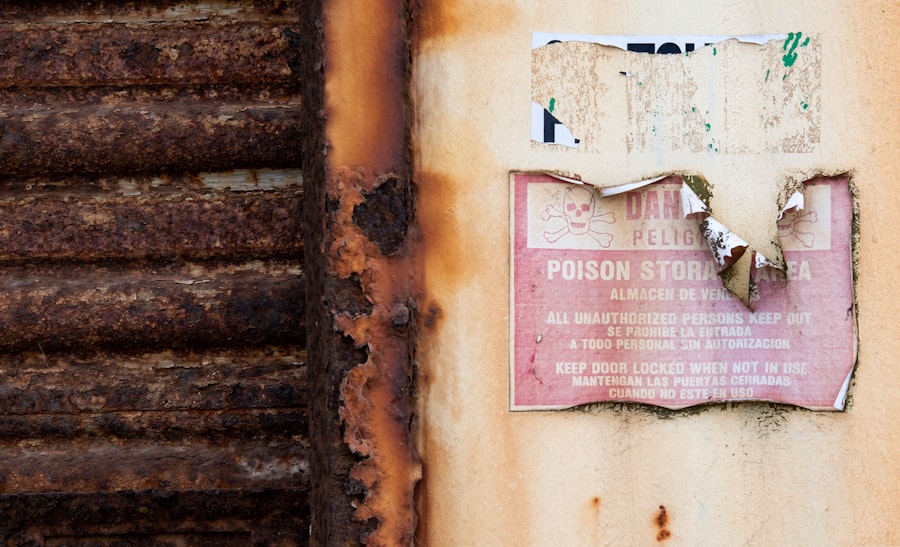
Beyond chemical pollutants, bathrooms are also rich ecosystems for various microorganisms. While many are harmless commensals, certain conditions can foster the growth of pathogenic bacteria, fungi, and mold, posing health risks.
Showerheads and Faucets: A Biofilm Haven
Showerheads, with their intricate designs and constant exposure to warm, moist conditions, are particularly prone to developing biofilms.
- Bacteria: Mycobacterium avium, a bacterium that can cause lung disease, has been frequently found in showerhead biofilms. Other bacteria, such as Legionella pneumophila, responsible for Legionnaires’ disease, can also flourish in warm water systems.
- Fungi: Various fungi can colonize showerheads, contributing to indoor air spore counts.
- Slime Formation: The characteristic “slime” found inside showerheads and faucets is a complex community of microorganisms embedded in a self-produced polymeric matrix.
Toilets: The Fecal Plume Phenomenon
Toilets are an undeniable source of microbial contamination, and the act of flushing itself can disseminate these organisms.
- Aerosolization: Flushing a toilet, especially without closing the lid, can create a “fecal plume” – an invisible aerosolized spray containing bacteria and viruses from human waste.
- Pathogens: Common pathogens like E. coli, Salmonella, and noroviruses can be aerosolized during flushing and settle on nearby surfaces, including toothbrushes, towels, and countertops.
- Cross-Contamination: This aerosolization facilitates the transfer of microorganisms to other bathroom surfaces, requiring diligent cleaning protocols.
Bathtubs and Shower Stalls: Persistent Moisture, Persistent Problems
The constant presence of moisture in bathtubs and shower stalls provides an ideal environment for the proliferation of various microbial agents.
- Mold and Mildew: These fungi thrive in damp, humid conditions, commonly appearing as black, green, or pinkish stains on grout, caulk, and walls. Exposure to mold spores can trigger allergic reactions, asthma attacks, and other respiratory issues in sensitive individuals.
- Biofilm on Surfaces: The slick film often felt on bathtub and shower surfaces is typically a biofilm composed of bacteria, fungi, and soap scum, providing a substrate for microbial growth.
- Dermatophytes: Fungi responsible for skin conditions like athlete’s foot and jock itch can persist on wet bathroom floors and surfaces, facilitating transmission.
Many homeowners are unaware of the hidden toxins lurking in their bathroom cabinets, which can pose serious health risks. A recent article highlights the common household products that often contain harmful chemicals, urging readers to be more mindful of their choices. For more insights on this topic, you can read the full article here. By understanding the potential dangers of these everyday items, individuals can take steps to create a safer environment for themselves and their families.
Flame Retardants: The Invisible Barrier with a Hidden Cost
| Product Type | Common Hidden Toxins | Potential Health Effects | Typical Concentration Range | Recommended Safety Measures |
|---|---|---|---|---|
| Cleaning Products | Phthalates, Ammonia, Chlorine Bleach, Formaldehyde | Respiratory irritation, Allergies, Hormonal disruption | 0.1% – 10% | Use gloves, ensure ventilation, opt for natural alternatives |
| Personal Care Products | Parabens, Triclosan, Synthetic Fragrances, Phthalates | Endocrine disruption, Skin irritation, Allergic reactions | 0.01% – 5% | Choose fragrance-free, paraben-free products, patch test new items |
| Medications (Expired) | Various chemical compounds, preservatives | Reduced efficacy, potential toxicity if ingested | N/A | Dispose of expired meds properly, avoid storage in humid areas |
| Air Fresheners | Benzene, Formaldehyde, VOCs (Volatile Organic Compounds) | Headaches, Respiratory issues, Eye irritation | 0.5% – 15% | Use natural alternatives, increase ventilation |
| Cosmetics | Lead, Mercury, Synthetic Dyes | Neurological damage, Skin allergies | Trace amounts to 0.1% | Check for certifications, avoid products with heavy metals |
Flame retardants are a diverse group of chemicals added to materials to inhibit or delay the spread of fire. While intended to enhance safety, their ubiquitous presence and potential for migration into the environment raise concerns about their health implications.
Furniture and Furnishings: A Persistent Source
Although not traditionally considered a primary source in the bathroom, any upholstered furniture or textiles present can contribute to the load.
- Padded Seats: Some toilet seats or decorative bathroom chairs may contain foam treated with flame retardants.
- Curtains and Blinds: Certain fabric curtains or window blinds in bathrooms might be treated with these chemicals, especially those made from synthetic materials like polyester.
Electronics: The Silent Emitters
Modern bathrooms often house electronic devices, even if they are not explicitly designed for high-moisture environments.
- Hair Dryers and Styling Tools: The plastic casings and internal components of hair dryers, curling irons, and electric razors can contain flame retardants.
- Electric Toothbrushes and Water Pik Devices: The plastic polymers used in these devices often incorporate flame retardants.
- Dust Accumulation: Flame retardants are not chemically bound to the materials they are in, meaning they can leach out and become part of household dust. This dust can then settle on bathroom surfaces, leading to exposure through inhalation or inadvertent ingestion.
Building Materials: A Legacy of Treatment
Older homes, in particular, may have building materials that incorporated flame retardants during construction.
- Insulation: Some forms of insulation, if exposed or deteriorating, might release flame retardants into the air.
- Textile-backed carpets or flooring: While less common in modern bathrooms, older installations could potentially contain treated materials.
Heavy Metals: The Plumbers’ Legacy
Heavy metals are naturally occurring elements that can be found in various forms within the domestic water supply and plumbing infrastructure. While some are essential micronutrients, others, even in small concentrations, can be toxic.
Lead in Plumbing: A Lingering Threat
Despite regulations aimed at banning lead in plumbing, particularly the Lead-Free Drinking Water Act Amendments in 2014, older homes remain susceptible to lead contamination.
- Lead Pipes: Homes built before 1986 are more likely to have lead service lines connecting the municipal water main to the house.
- Lead Solder: Lead solder was commonly used to join copper pipes until it was banned in 1986. Solder can release lead into stagnant water.
- Brass Fixtures: Faucets and other brass fixtures, even those labeled “lead-free,” can contain small amounts of lead that may leach into the water, particularly when the water is hot or acidic. When lead-contaminated water is aerosolized during showering or bathing, it can be inhaled, alongside the more direct ingestion pathway from drinking or using the water for dental hygiene.
Copper Corrosion: A Taste of Metal
Copper pipes are a common alternative to lead or galvanized steel, but they are not without their potential for introducing heavy metals into the water.
- Corrosion: Over time, copper pipes can corrode, especially in the presence of acidic or aggressive water, releasing copper into the water supply.
- Health Effects: While copper is an essential nutrient, high levels can cause gastrointestinal distress, liver damage, and kidney problems. The characteristic metallic taste of water can sometimes indicate elevated copper levels.
Arsenic and Other Trace Metals: Geographical Variations
The presence of other heavy metals like arsenic, cadmium, and mercury in tap water is highly dependent on local geology and industrial activity.
- Groundwater Contamination: In some regions, groundwater may naturally contain elevated levels of arsenic or other metals.
- Industrial Pollutants: Industrial discharges can contribute to the contamination of surface and groundwater sources with various heavy metals.
- Filtration Systems: While some filtration systems can mitigate the presence of these metals, their effectiveness and maintenance are crucial.
The American bathroom, therefore, is not merely a collection of personal care items and plumbing. It is a complex microenvironment where numerous chemical and biological agents interact, with potential implications for health. Understanding these hidden toxins empowers individuals to make informed choices about product selection, ventilation practices, and maintenance routines, ultimately transforming their personal sanctuary into a truly healthier space.
WATCH NOW ▶️STOP Using These 50 Bathroom Products (Banned In Europe!)
FAQs
What are common hidden toxins found in American bathroom cabinets?
Common hidden toxins in American bathroom cabinets include chemicals such as phthalates, parabens, formaldehyde, triclosan, and volatile organic compounds (VOCs) found in personal care products, cleaning agents, and air fresheners.
How can these toxins affect health?
Exposure to these toxins can lead to various health issues including skin irritation, respiratory problems, hormone disruption, allergic reactions, and in some cases, long-term effects like increased risk of certain cancers.
Which types of bathroom products are most likely to contain hidden toxins?
Products such as shampoos, conditioners, lotions, deodorants, nail polish, cleaning sprays, and air fresheners are commonly found to contain hidden toxins due to preservatives, fragrances, and antimicrobial agents.
How can consumers identify and avoid hidden toxins in bathroom products?
Consumers can avoid hidden toxins by reading ingredient labels carefully, choosing products labeled as free from parabens, phthalates, and synthetic fragrances, opting for natural or organic alternatives, and using fragrance-free or hypoallergenic products.
What steps can be taken to reduce exposure to hidden toxins in bathroom cabinets?
To reduce exposure, regularly declutter and dispose of expired or unused products, improve bathroom ventilation, store products in airtight containers, and replace toxic products with safer, non-toxic alternatives.