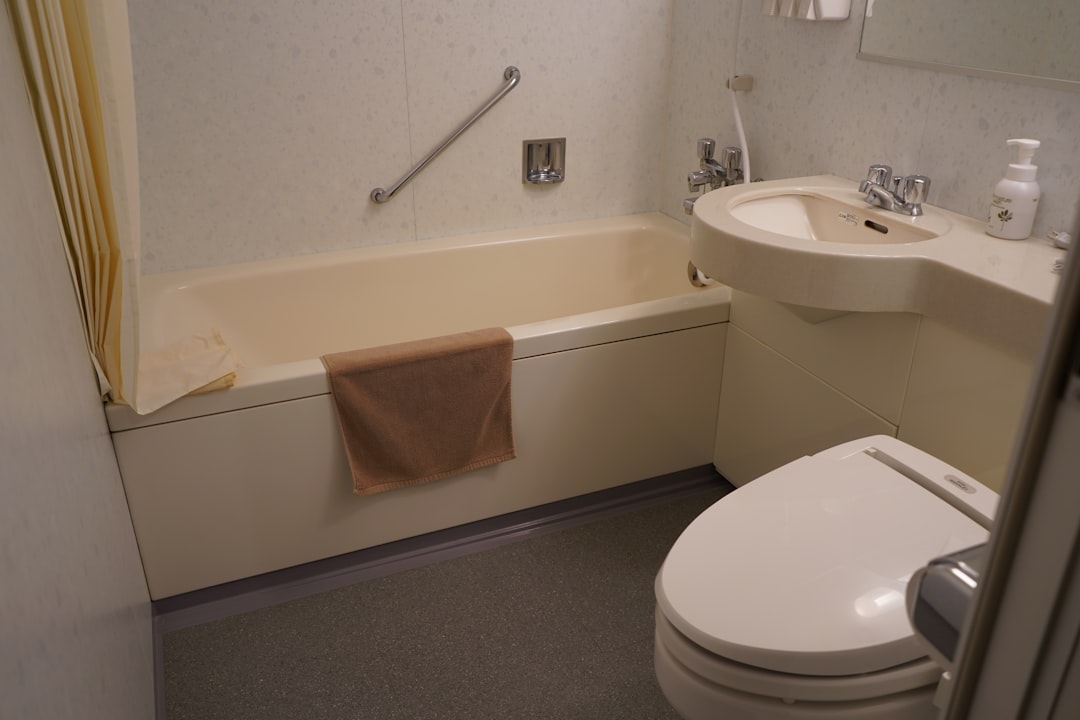
The bathroom, often regarded as a personal sanctuary, can also be a significant contributor to household resource consumption and, if not managed effectively, a source of unnecessary clutter and inefficiency. A comprehensive bathroom product audit is a structured process designed to analyze, evaluate, and optimize the items habitually stored and utilized within this space. This systematic examination aims to enhance functionality, reduce waste, and streamline daily routines, ultimately fostering a more sustainable and functional environment. This article outlines the methodologies and considerations for conducting such an audit, providing practical insights for individuals seeking to refine their bathroom product ecosystem.
The accumulation of personal care and cleaning products in the bathroom often occurs incrementally, driven by marketing, perceived necessity, or impulse purchases. Over time, this leads to an inventory that may no longer align with current needs, preferences, or ethical considerations. A bathroom product audit serves as a critical intervention, much like an inventory stocktake in a retail establishment, to ensure that every item present serves a purpose and contributes positively to the user’s well-being and environmental footprint.
Identifying Common Pitfalls
Several factors contribute to the suboptimal state of many bathroom product collections.
Duplication of Function
It is common to find multiple products designed for the same or similar purposes. For instance, several brands of shampoo, different types of soap, or an array of moisturizing lotions can coexist, often leading to partial use and eventual expiration. This duplication inflates inventory and obscures genuine needs.
Expired or Unused Items
Healthcare products and cosmetics typically have a shelf life. Items may expire before being fully consumed, becoming ineffective or potentially harmful. Furthermore, products purchased on a whim or received as gifts often remain unused, occupying valuable space.
Environmental Impact
The sheer volume of plastic packaging associated with bathroom products contributes significantly to landfill waste. Many ingredients, such as microplastics or certain chemicals, also pose environmental concerns during their production and disposal. An audit provides an opportunity to evaluate these impacts.
Economic Waste
Purchasing products that are not fully utilized, or buying multiple versions of the same item, represents a direct financial outflow without corresponding benefit. The cumulative cost of these seemingly small purchases can be substantial over time.
Performing a bathroom product audit can be an essential step in maintaining a clean and organized space. For a comprehensive guide on how to effectively conduct this audit, you can refer to the article available at Hey Did You Know This. This resource provides valuable tips and strategies to help you evaluate your bathroom products, ensuring that you keep only what you need and dispose of items that are expired or no longer useful.
Establishing Audit Parameters
Before commencing the physical audit, defining its scope and objectives is crucial. This foundational step ensures a focused and productive process, preventing the audit from devolving into a mere tidying exercise.
Defining Audit Objectives
What are you hoping to achieve through this audit? Clear objectives will guide decision-making throughout the process.
Reducing Clutter
A primary objective for many is to declutter the bathroom. This involves removing unnecessary items and organizing those that remain, fostering a more aesthetically pleasing and functional space.
Minimizing Waste
This objective focuses on reducing the environmental impact by identifying products with excessive packaging, exploring refill options, and ensuring products are fully utilized before disposal.
Optimizing Spending
An audit can highlight areas where spending can be reduced by identifying duplicate purchases, focusing on multi-functional products, and avoiding impulse buys.
Enhancing Usability
A streamlined bathroom is easier to maintain and more efficient to use. This objective seeks to arrange products logically, making daily routines smoother and less time-consuming.
Setting Timeframes and Resources
Allocate a specific block of time for the audit. Depending on the size and current state of the bathroom, this could range from a few hours to an entire weekend. Gather necessary resources beforehand, such as waste bags, recycling bins, and containers for donations or redistribution.
The Audit Process: Step-by-Step
The audit itself involves a systematic approach, moving from a comprehensive inventory to decisive action. This structured execution minimizes oversight and maximizes effectiveness.
Step 1: Complete Emptying and Categorization
Begin by removing every single item from the bathroom. This includes products from cabinets, drawers, shower caddies, and shelves. Laying everything out, perhaps on a clean towel or sheet in another room, provides an unvarnished view of the entire inventory.
Grouping Similar Items
Once everything is visible, group similar items together. All shampoos in one pile, all moisturizers in another, all cleaning supplies separately, and so forth. This categorization immediately highlights redundancies and provides clarity on the volume of each product type.
Step 2: Critical Evaluation and Decision-Making
This is the core of the audit, where each item undergoes scrutiny. Apply a series of decision-making criteria to determine its fate.
The “Keep, Donate/Give Away, Dispose” Framework
For each item, ask critical questions:
- Do I use this regularly? If the answer is no, consider its ongoing utility.
- Is it expired or nearly expired? Check for expiration dates on packaging. Products past their prime should be disposed of responsibly.
- Does it still serve its intended purpose effectively? For instance, a worn-out toothbrush, a frayed bath sponge, or a semi-functional razor.
- Do I have another product that performs the same function equally well or better? This directly addresses duplication.
- Is it ethically sourced or environmentally friendly (if this is a personal objective)? This adds another layer of consideration beyond pure utility.
- Does it bring me joy or significant benefit (KonMari principle adapted)? While not strictly factual, this can be a tie-breaker for items with sentimental value or aspirational use.
Based on these questions, categorize each item into one of three primary groups:
- Keep: Items that are actively used, unexpired, and align with your objectives.
- Donate/Give Away: Unopened, unexpired items that you no longer need but someone else might benefit from. Consider local shelters, food banks (for toiletries), or friends and family.
- Dispose: Expired, empty, broken, or unhygienic items. Ensure proper disposal methods are followed, separating recyclables where possible.
Addressing “Just in Case” Items
The “just in case” mentality often contributes to clutter. While a small emergency supply of certain items is prudent, a large stash of “what ifs” is counterproductive. Evaluate these items rigorously to determine genuine necessity against speculative need.
Step 3: Strategic Organization and Storage
Once the culling process is complete, the remaining items require a thoughtful organizational strategy. Efficient storage ensures accessibility, preserves product integrity, and maintains the decluttered state.
Assigning Homes
Every item should have a designated place. Group similar items together and store them logically where they are most frequently used. For example, shower products near the shower, dental care near the sink, and less frequently used items in a cabinet or drawer.
Utilizing Storage Solutions
Invest in appropriate storage solutions, such as drawer dividers, clear containers, adjustable shelves, or wall-mounted caddies. These tools help to compartmentalize and contain products, preventing them from scattering and becoming disarrayed again.
Considering Vertical Space
Often overlooked, vertical space can be leveraged effectively. Tiered shelving or stackable containers maximize storage capacity, particularly in smaller bathrooms.
Post-Audit Maintenance and Sustainability
A bathroom product audit is not a one-time event but rather the initiation of an ongoing process. Maintaining the newly optimized state requires continuous vigilance and the adoption of more mindful consumption habits.
Implementing a “One In, One Out” Policy
To prevent future accumulation, adopt a “one in, one out” rule for certain categories of products. When a new item is purchased, an old item of the same type must be finished or removed. This acts as a perpetual inventory control mechanism.
Mindful Purchasing Habits
Develop a more conscious approach to purchasing. Before buying a new product, consider:
- Do I genuinely need this, or am I being influenced by marketing?
- Do I already have something that serves a similar purpose?
- Is there a more sustainable or multi-functional alternative?
- Can I purchase a larger size or refillable option to reduce packaging waste?
- What are the ingredients and their environmental impact?
This shift from impulsive buying to informed decision-making is pivotal in maintaining an efficient bathroom product ecosystem.
Regular Re-evaluation
Schedule periodic, albeit less intensive, audits. Perhaps quarterly or bi-annually, quickly review the space to identify emerging clutter or items that are nearing expiration. This proactive approach prevents the need for another major overhaul.
Conducting a bathroom product audit is essential for maintaining an organized and efficient space. By evaluating the items you have, you can identify what to keep, what to discard, and what to replenish. For a comprehensive guide on how to perform this audit effectively, you can refer to a related article that offers valuable tips and insights. This resource will help you streamline your bathroom essentials and ensure that everything you need is easily accessible. To learn more about this process, check out the article here.
Benefits of a Streamlined Bathroom Product Ecosystem
| Audit Step | Description | Metrics to Collect | Tools Needed | Frequency |
|---|---|---|---|---|
| Inventory Check | Count all bathroom products available including soaps, shampoos, towels, etc. | Quantity of each product, Expiry dates, Stock levels | Inventory list, Barcode scanner (optional) | Monthly |
| Product Condition Assessment | Inspect products for damage, leakage, or expiration. | Number of damaged items, Expired products count | Visual inspection, Expiry date labels | Monthly |
| Usage Rate Analysis | Track how quickly products are used or replaced. | Average usage per week/month, Reorder frequency | Usage logs, Purchase records | Quarterly |
| Supplier Performance Review | Evaluate delivery times, product quality, and pricing. | On-time delivery %, Product defect rate, Cost trends | Supplier reports, Purchase invoices | Bi-annually |
| Compliance Check | Ensure products meet safety and hygiene standards. | Number of compliant products, Non-compliance issues | Regulatory guidelines, Product certifications | Annually |
| Customer Feedback Collection | Gather user feedback on product satisfaction and issues. | Number of complaints, Satisfaction ratings | Surveys, Feedback forms | Ongoing |
The tangible and intangible benefits derived from a well-executed bathroom product audit extend beyond mere tidiness.
Enhanced User Experience
A decluttered and organized bathroom creates a more calming and pleasant environment. Daily routines become more efficient, reducing decision fatigue and the time spent searching for items. This contributes to a positive start or end to the day.
Financial Savings
By reducing duplicate purchases, avoiding expired products, and preventing impulse buys, individuals can realize significant financial savings over time. The audit exposes where money has been unnecessarily spent and guides future purchasing decisions.
Reduced Environmental Footprint
A key benefit is the reduction in waste. Minimizing product accumulation means less packaging entering the waste stream and fewer chemicals being produced unnecessarily. Opting for sustainable alternatives further amplifies this positive environmental impact.
Improved Hygiene and Safety
Expired or improperly stored products can pose hygiene or safety risks. The audit ensures that all items are fresh, functional, and stored in a manner that preserves their integrity. Reduced clutter also facilitates easier and more effective cleaning.
Increased Awareness and Mindfulness
The process of auditing fosters a greater awareness of consumption patterns and their broader implications. This increased mindfulness often extends to other areas of life, promoting a more considered and sustainable lifestyle overall.
In conclusion, a bathroom product audit is a practical, systematic, and beneficial exercise. It moves beyond superficial tidying to provide a deep analysis of utility, consumption, and impact. By meticulously examining each item, establishing clear objectives, and implementing strategic organizational and purchasing habits, individuals can transform their bathrooms from potential spaces of clutter and waste into highly efficient, sustainable, and enjoyable environments. This process, while requiring an initial investment of time and effort, yields substantial long-term dividends in terms of convenience, cost savings, and environmental responsibility.
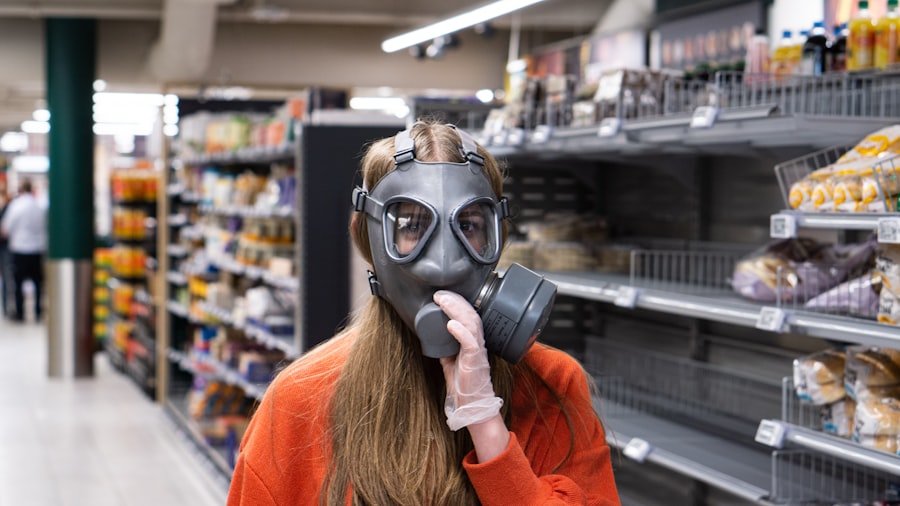
WATCH NOW ▶️STOP Using These 50 Bathroom Products (Banned In Europe!)
FAQs
What is a bathroom product audit?
A bathroom product audit is a systematic review and assessment of all products used in a bathroom, such as toiletries, cleaning supplies, and maintenance items, to ensure they are stocked, effective, and meet quality standards.
Why is it important to perform a bathroom product audit?
Performing a bathroom product audit helps maintain hygiene, ensures product availability, reduces waste by identifying expired or unused items, and can improve overall customer or user satisfaction.
How often should a bathroom product audit be conducted?
The frequency of a bathroom product audit depends on usage and environment but is typically done monthly or quarterly to keep products fresh and adequately stocked.
What are the key steps involved in performing a bathroom product audit?
Key steps include inventorying all bathroom products, checking expiration dates, assessing product condition and usage levels, identifying shortages or excesses, and updating procurement or maintenance plans accordingly.
Who should perform a bathroom product audit?
A bathroom product audit is usually conducted by facility managers, cleaning supervisors, or designated staff responsible for maintenance and hygiene in the facility.