
The year 2025 marks a significant turning point for the cosmetics industry in the United States with the implementation of the Modernization of Cosmetics Regulation Act of 2022 (MoCRA). This landmark legislation ushers in a new era of oversight, moving beyond the largely voluntary compliance of previous decades to a more robust and proactive framework for ensuring the safety of cosmetic products. For businesses navigating this evolving landscape, understanding the nuances of MoCRA 2025 is not merely a matter of good practice; it is a fundamental requirement for market access and consumer trust. This article aims to unpack the key provisions of MoCRA 2025, providing a clear and factual guide to its implications for manufacturers, distributors, and ultimately, consumers.
Prior to MoCRA, the Food, Drug, and Cosmetic Act (FD&C Act) provided relatively limited authority for the U.S. Food and Drug Administration (FDA) to regulate cosmetics. The existing framework, largely unchanged since its inception, relied heavily on the industry’s self-regulation, with the FDA’s power to intervene primarily kicking in only after a product had caused demonstrable harm. MoCRA 2022 represented a fundamental reimagining of this approach, bestowing upon the FDA expanded authorities and mandates designed to proactively identify and mitigate potential risks associated with cosmetic products. The legislation’s passage was a response to growing public and scientific concerns about the safety and transparency of the cosmetics market.
A New Era of Consumer Protection
Before MoCRA, the cosmetics industry operated with a degree of autonomy that, while fostering innovation, also left potential vulnerabilities unaddressed. Think of it as an open garden, where growth was encouraged, but there were fewer fences to prevent the introduction of undesirable elements. MoCRA erects these necessary fences, establishing a more stringent system for ensuring that what enters the consumer’s hands is as safe and well-documented as possible. The core objective is to shift the paradigm from reactive problem-solving to proactive risk management.
Broad Applicability Across the Industry
MoCRA’s provisions are designed to cast a wide net, encompassing a broad spectrum of cosmetic products and entities involved in their lifecycle. This includes everything from skincare and makeup to haircare and personal hygiene products. The legislation’s reach extends to manufacturers, repackagers, distributors, and even those importing products into the United States. The intention is to create a unified system of accountability, ensuring that safety considerations are embedded at every stage from conception to consumption.
For a comprehensive overview of the recent updates to the MOCRA 2025 cosmetic regulations, you can refer to the related article that delves into the implications and changes that will affect the cosmetic industry. This article provides valuable insights and analysis on how these regulations aim to enhance consumer safety and product transparency. To read more, visit this informative article.
Key Mandates and Responsibilities Under MoCRA 2025
MoCRA introduces several core responsibilities that businesses must integrate into their operations to comply with the new regulations. These mandates are not abstract bureaucratic hurdles; they are concrete actions designed to enhance product safety and facilitate regulatory oversight. Understanding these requirements is paramount for any entity operating within the cosmetics sector.
Facility Registration and Product Listing
One of the most significant additions brought forth by MoCRA is the requirement for cosmetic facilities to register with the FDA and for responsible persons to list their marketed cosmetic products. This provision transforms the FDA’s visibility into the industry, moving from a blind spot to a clear overview.
Facility Registration Requirements
All existing and new domestic and foreign facilities that are involved in the manufacturing or processing of cosmetics themselves that are intended for commercial distribution in the United States must register with the FDA. This includes facilities that are owned by the same parent company but operate as separate entities. The registration process is designed to be an annual requirement, ensuring that the FDA’s database remains current. This allows for a better understanding of the entities involved in the supply chain and facilitates rapid communication in case of recalls or safety alerts.
Product Listing Obligations
Responsible persons, which can include manufacturers, packagers, or distributors whose name appears on the product label, are required to submit a listing of each cosmetic product they market. This listing must include a list of all ingredients in the product, and if available, the facility registration number where the product is manufactured. This inventory of products provides the FDA with a comprehensive view of the market, enabling them to identify potential areas of concern and to monitor ingredients and formulations more effectively.
Safety Substantiation Requirements
MoCRA places a definitive onus on responsible persons to ensure that they have adequate substantiation of the safety of their cosmetic products. This is a critical departure from the previous voluntary approach and signifies a higher bar for product developers. The goal is to ensure that safety is not an afterthought but a foundational principle.
Defining Adequate Substantiation
“Adequate substantiation of safety” is a key term within MoCRA. It means that the responsible person has a reasonable basis for believing that the intended use of, or foreseeable use of, the product and its ingredients is safe. This basis can be supported by scientific studies, expert opinion, or other reliable data. The FDA reserves the right to request this substantiation, and a failure to provide it can lead to regulatory action. This shifts the burden of proof, requiring companies to actively demonstrate the safety of their creations.
Ingredient Safety Assessment
A crucial component of adequate substantiation is the safety assessment of each ingredient used in a cosmetic product. This involves understanding the potential risks associated with each raw material, considering its concentration, route of exposure, and duration of use. The FDA may issue guidance on what constitutes adequate substantiation, but the overarching principle is that companies must be able to defend the safety of their formulations.
Adverse Event Reporting
MoCRA introduces mandatory reporting requirements for serious adverse events related to cosmetic products. This system is designed to capture information about incidents that could indicate a potential safety issue and to trigger timely investigations by the FDA. This provides the agency with early warning signals, allowing them to act before widespread harm occurs.
Mandatory Reporting of Serious Adverse Events
Responsible persons are now obligated to report any serious adverse event that is associated with the use of one of their cosmetic products to the FDA within 15 business days of becoming aware of the event. A “serious adverse event” is defined by MoCRA as an adverse event that results in death, hospitalization, persistent or significant disability or incapacity, or requires medical or surgical intervention to prevent one of the foregoing. This is a significant expansion of the FDA’s visibility into real-world product performance and consumer experiences.
Record-Keeping for Adverse Events
In addition to reporting, responsible persons must maintain records of all adverse events alleged to be associated with their cosmetic products, including non-serious events. This allows for a more comprehensive understanding of product performance and the identification of potential trends or patterns that might not be apparent from a single serious event. These records must be made available to the FDA upon request.
New Responsibilities for the FDA
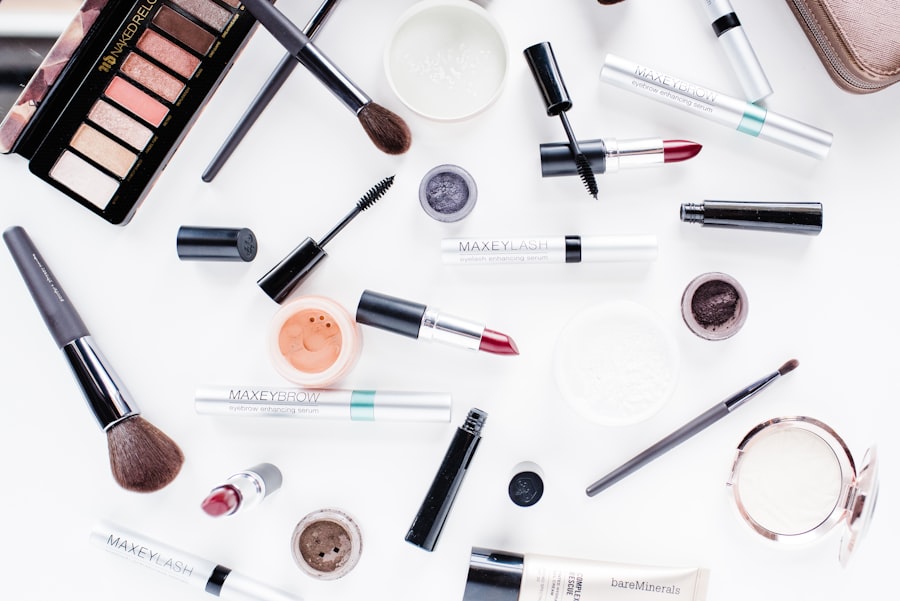
MoCRA not only imposes new duties on industry but also significantly expands the FDA’s authorities and responsibilities. The legislation empowers the agency to be more proactive and responsive in its oversight of the cosmetic sector. This increased agency power is a cornerstone of the modernization effort, enabling more effective enforcement and risk mitigation.
Enhanced Enforcement Powers
The FDA’s enforcement capabilities are substantially bolstered under MoCRA. Previously, the agency had limited tools to compel compliance. Now, it possesses a broader range of enforcement mechanisms to ensure adherence to the new regulations.
Mandatory Recalls
A particularly significant enhancement is the FDA’s authority to mandate recalls of cosmetic products. Previously, recalls were voluntary. Now, if the FDA determines that a cosmetic product presents a public health risk, it can order a mandatory recall. This is a powerful tool to quickly remove unsafe products from the market, directly addressing situations where industry action might be too slow or insufficient.
Seizure and Injunction Authority
MoCRA also reaffirms and clarifies the FDA’s existing authorities to seize adulterated or misbranded cosmetic products and to seek injunctions against entities that violate the FD&C Act. These measures are crucial for prohibiting the distribution of non-compliant products and preventing future violations.
Rulemaking Authority and Guidance
MoCRA grants the FDA new rulemaking authority and mandates the development of various guidance documents. This ongoing process will further shape the implementation and interpretation of the act. The FDA will be developing regulations concerning various aspects of cosmetic safety and compliance.
Development of Safety Substantiation Regulations
The FDA is tasked with developing regulations that further define and clarify what constitutes adequate substantiation of safety for cosmetic products. This will provide clearer expectations for industry and ensure a more consistent approach to safety assessments.
Establishment of a Fragrance Allergen Labeling Standard
A notable area of rulemaking is the development of a standard for labeling specific fragrance allergens in cosmetic products. This aims to provide consumers with greater transparency regarding ingredients that may cause allergic reactions.
Implications for Businesses: Navigating the New Landscape
For companies operating in the cosmetics industry, MoCRA 2025 represents a fundamental shift that requires strategic adaptation. Ignoring these changes is akin to sailing without a compass in uncharted waters; it is a recipe for misdirection and potential disaster. Businesses must proactively assess their current practices and implement the necessary changes to achieve full compliance.
Establishing Robust Internal Compliance Programs
The new regulatory framework necessitates the development and implementation of comprehensive internal compliance programs. These programs should act as the bedrock of a company’s commitment to safety and transparency.
Ingredient Sourcing and Vetting Processes
Companies must refine their processes for sourcing and vetting ingredients, ensuring that suppliers can provide the necessary safety data and that ingredients meet all regulatory requirements. This involves a thorough due diligence process, similar to a security check for every component entering the product’s formulation.
Documentation and Record-Keeping Practices
Meticulous documentation and record-keeping are no longer optional but essential. Businesses need to establish systems to effectively manage facility registrations, product listings, safety substantiation data, and adverse event reports. This creates a clear audit trail and demonstrates due diligence.
Staying Abreast of Evolving Regulations and Guidance
The regulatory landscape for cosmetics is dynamic. MoCRA establishes a framework, but the FDA will continue to issue regulations and guidance that refine and clarify these requirements. Continuous monitoring of FDA communications is crucial.
Monitoring FDA Website and Publications
Regularly checking the FDA’s website, particularly its Cosmetics section, and subscribing to relevant email updates are vital for staying informed about new regulations, proposed rules, and guidance documents. This provides direct access to official information.
Engaging with Industry Associations and Legal Counsel
Participating in industry associations can provide valuable insights and opportunities for collective engagement with regulatory bodies. Furthermore, consulting with legal counsel specializing in FDA regulations is highly recommended to ensure accurate interpretation and implementation of MoCRA.
The recent updates to the MOCRA 2025 cosmetic regulations have sparked significant interest in the beauty industry, as they aim to enhance consumer safety and product transparency. For those looking to dive deeper into the implications of these changes, a related article provides a comprehensive overview of the key aspects and potential impacts on manufacturers and consumers alike. You can read more about it in this informative piece found here. Understanding these regulations is crucial for anyone involved in the cosmetics sector as they navigate the evolving landscape of compliance and safety standards.
The Future of Cosmetic Safety in the United States
| Update Aspect | Description | Effective Date | Impact on Industry | Compliance Requirement |
|---|---|---|---|---|
| New Product Safety Assessment | Mandatory comprehensive safety evaluation for all cosmetic products before market release. | January 1, 2025 | Increased testing and documentation workload for manufacturers. | Submit detailed safety reports to regulatory authorities. |
| Ingredient Transparency | Expanded list of restricted and prohibited substances with stricter labeling requirements. | July 1, 2025 | Reformulation of products to comply with new ingredient restrictions. | Update product labels to reflect ingredient changes accurately. |
| Digital Product Notification | Introduction of an online portal for product registration and notification. | March 1, 2025 | Streamlined submission process but requires digital infrastructure adaptation. | Register all products via the official digital platform before sales. |
| Post-Market Surveillance | Enhanced monitoring of cosmetic products after market launch to ensure ongoing safety. | June 1, 2025 | Obligation to report adverse effects and maintain consumer safety data. | Implement systems for tracking and reporting product performance. |
| Packaging and Environmental Standards | New guidelines promoting sustainable packaging and reduced environmental impact. | December 31, 2025 | Increased focus on eco-friendly materials and waste reduction. | Adopt sustainable packaging solutions and document compliance. |
MoCRA 2025 is not a destination but a journey. The act signifies the beginning of a more rigorous and transparent era for cosmetic product safety in the United States. Its ultimate success will depend on the collaborative efforts of the FDA, industry, and consumers.
Increased Consumer Confidence and Trust
By establishing clear safety standards and robust oversight, MoCRA 2025 is poised to enhance consumer confidence in the safety of cosmetic products available in the U.S. market. When consumers understand that products are subject to rigorous scrutiny, their trust in the brands they use naturally grows.
Promoting Innovation with a Focus on Safety
While MoCRA introduces new requirements, it does not intend to stifle innovation. Instead, it aims to channel innovation towards safer, more responsible product development. The legislation encourages the creation of products that are not only effective and desirable but also demonstrably safe for consumers.
A Global Standard for Cosmetic Regulation
As a significant player in the global cosmetics market, the United States’ adoption of MoCRA 2025 may well influence regulatory reforms in other countries. The comprehensive nature of this legislation could set a new benchmark for cosmetic regulation worldwide, fostering a global rise in safety standards. This is not just a change for American consumers; it is a ripple effect that can touch the entire global cosmetic industry.
WATCH NOW ▶️STOP Using These 50 Bathroom Products (Banned In Europe!)
FAQs
What is MOCRA 2025?
MOCRA 2025 refers to the Modernization of Cosmetics Regulation Act, which introduces updated regulatory requirements for cosmetic products in the United States, effective starting in 2025.
Which products are affected by MOCRA 2025?
MOCRA 2025 applies to all cosmetic products marketed in the U.S., including makeup, skincare, hair care, and personal hygiene products that are intended for cleansing, beautifying, promoting attractiveness, or altering the appearance.
What are the key changes introduced by MOCRA 2025?
Key updates include mandatory product registration, ingredient disclosure, adverse event reporting, and enhanced facility inspections to improve consumer safety and transparency in the cosmetics industry.
Who is responsible for compliance with MOCRA 2025?
Manufacturers, packers, and distributors of cosmetic products are responsible for ensuring their products and operations comply with MOCRA 2025 regulations.
How can companies prepare for MOCRA 2025 compliance?
Companies should review their product formulations, update labeling to meet ingredient disclosure requirements, establish adverse event reporting systems, and register their facilities and products with the FDA before the 2025 deadline.