
The chasm separating cosmetic regulations in the United States and Europe is a subject of increasing scrutiny, particularly within the beauty industry, scientific community, and among consumer advocacy groups. While both regions aim to ensure product safety, their approaches diverge significantly, creating a regulatory landscape where the U.S. often lags behind its European counterparts. This disparity is not merely a matter of differing legal frameworks but reflects fundamentally distinct philosophies regarding preventative measures and the burden of proof for product safety.
The core difference between U.S. and European cosmetic regulation lies in their foundational principles. Europe operates under a precautionary principle, while the U.S. largely adheres to what can be described as a reactive or post-market approach.
The Precautionary Principle: Europe’s Proactive Stance
In the European Union, the precautionary principle dictates that if there is reasonable scientific uncertainty about the potential for harm from a substance, even in the absence of absolute proof of harm, measures should be taken to prevent that harm. This principle is deeply embedded in the EU’s Cosmetic Regulation (EC) No 1223/2009.
- Substance Bans and Restrictions: This regulation has led to the prohibition or strict restriction of over 1,300 chemicals in cosmetics, requiring companies to reformulate products or withdraw them from the market if they contain these substances. The onus is on the manufacturer to demonstrate a substance’s safety before it can be used.
- Safety Assessments: Every cosmetic product placed on the EU market must undergo a comprehensive safety assessment by a qualified safety assessor, considering everything from raw material purity to product formulation and intended use. This assessment is a prerequisite for market entry.
- Traceability Requirements: The EU mandates rigorous traceability for cosmetic ingredients, allowing for quicker identification and recall of unsafe products should issues arise.
The Reactive Approach: America’s Post-Market Scrutiny
Conversely, the United States, operating under the Federal Food, Drug, and Cosmetic Act (FD&C Act) of 1938, takes a different tack. The Food and Drug Administration (FDA), responsible for regulating cosmetics, has considerably less authority than its European counterparts.
- Limited Ingredient Bans: The FDA has only banned or restricted a handful of ingredients in cosmetics, numbering around 11. This contrasts sharply with Europe’s extensive list. The burden of proof often lies with the FDA to demonstrate a substance’s actual harm before it can be prohibited.
- Voluntary Registration: While the FDA encourages cosmetic manufacturers to register their establishments and product formulations, this process is largely voluntary. This limits the agency’s real-time oversight of the ingredients entering the market.
- Post-Market Enforcement: The FDA primarily intervenes after a product has entered the market and adverse events or safety concerns have been reported. This often manifests as product recalls or warning letters, a reactive rather than preventative measure.
The disparity between U.S. cosmetic laws and those in Europe has raised significant concerns regarding consumer safety and product regulation. While the European Union has implemented stringent regulations to ensure that cosmetics are thoroughly tested for safety before reaching the market, the U.S. has lagged behind, with laws that allow many products to be sold without pre-market safety assessments. For a deeper understanding of this issue and its implications, you can read more in this related article: Why U.S. Cosmetic Laws Are Behind Europe.
The Consequences of Divergence: A Regulatory Labyrinth
This fundamental difference in regulatory philosophy has created a complex and, at times, confusing landscape for both manufacturers and consumers. For manufacturers, navigating these disparate regulations can be akin to walking through a labyrinth with different rules at every turn.
Market Access and Product Formulation Challenges
Companies operating internationally face significant hurdles in product formulation. A product readily available in the U.S. might contain ingredients banned in the EU, necessitating reformulation for the European market.
- Dual Product Lines: Many multinational beauty brands maintain distinct formulations for their products sold in the U.S. versus those sold in Europe, often leading to increased production costs and logistical complexities.
- “Clean Beauty” Conundrum: The concept of “clean beauty” has gained traction globally, but its definition varies significantly. In Europe, many ingredients considered “unclean” are already prohibited by law, whereas in the U.S., “clean” often refers to voluntary industry standards or brand-specific exclusions that go beyond FDA regulations.
Consumer Trust and Information Gaps
For consumers, the disparity can breed distrust and confusion. The perception that U.S. products might contain ingredients deemed unsafe in Europe can erode confidence in domestic brands and regulatory oversight.
- Information Asymmetry: Consumers in the U.S. often have less comprehensive information readily available about the safety profiles of cosmetic ingredients compared to their European counterparts, where detailed safety assessments are mandatory and often publicly accessible.
- The “Safe Until Proven Harmful” Paradox: The U.S. regulatory framework, in effect, treats ingredients as “safe until proven harmful.” This places the burden on consumers or the FDA to demonstrate harm, rather than on manufacturers to prove safety upfront.
Key Areas of Regulatory Disparity: A Closer Look
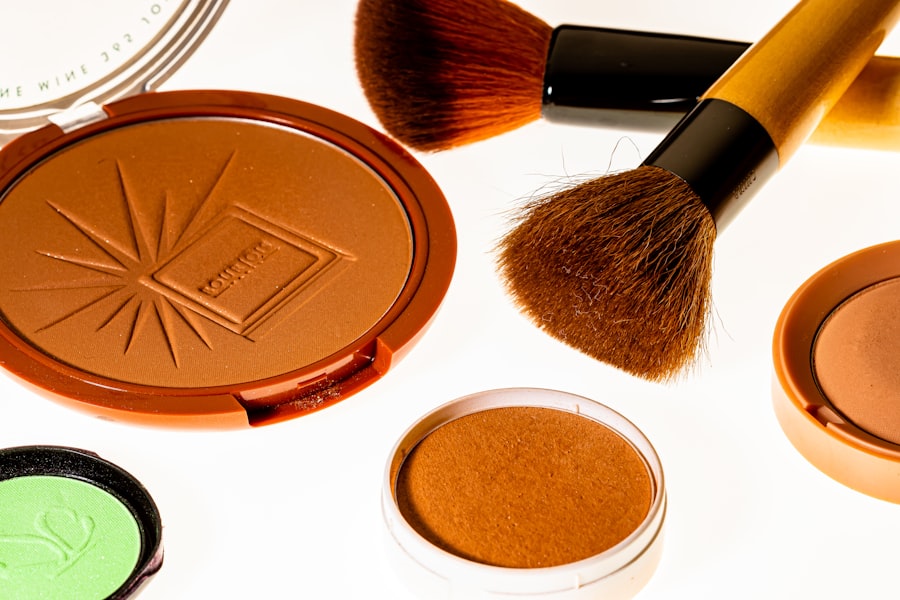
To understand the practical implications, it is imperative to examine specific areas where U.S. and European cosmetic laws diverge most significantly.
The differences in cosmetic regulations between the United States and Europe have sparked considerable debate, with many experts arguing that US laws are lagging behind their European counterparts. A related article explores this issue in depth, highlighting how Europe has implemented stricter safety standards and more comprehensive ingredient bans. This disparity raises questions about consumer safety and the effectiveness of regulatory frameworks. For further insights, you can read more about this topic in the article found here.
Parabens and Phthalates: A Case Study in Contrasting Approaches
These two classes of chemicals serve as potent examples of the regulatory gap.
- Parabens: Used as preservatives, parabens have been linked to potential endocrine disruption. While some parabens are restricted in the EU (e.g., isopropylparaben, isobutylparaben, phenylparaben, benzylparaben, pentylparaben are prohibited), and maximum concentrations for others are set, the FDA maintains that there is no scientific consensus that parabens pose a health risk in cosmetics at current levels. They remain widely used in U.S. cosmetic products.
- Phthalates: Often used to make plastics more flexible or as solvents in fragrances, phthalates such as Dibutyl Phthalate (DBP) and Diethylhexyl Phthalate (DEHP) are banned in cosmetics by the EU. In the U.S., the FDA continues to monitor research on phthalates but has not issued any bans or restrictions on their use in cosmetics.
Allergenic Fragrance Ingredients: A Call for Transparency
Fragrance compounds are another significant area of divergence.
- EU Allergen Labeling: The EU mandates that 26 specific allergenic fragrance ingredients, if present above certain concentrations, must be individually listed on product labels. This provides consumers with allergies or sensitivities with the information needed to make informed choices.
- U.S. “Fragrance” Loophole: In the U.S., manufacturers are permitted to list “fragrance” or “parfum” as a single ingredient, without disclosing the individual chemical components. This “trade secret” loophole limits consumer ability to identify and avoid potential allergens.
Formaldehyde Releasers: Concerns About Carcinogens
Formaldehyde and formaldehyde-releasing preservatives (FRPs) are a source of concern due to formaldehyde’s classification as a human carcinogen.
- EU Restrictions and Warnings: The EU restricts the amount of free formaldehyde allowed in cosmetic products and requires a warning label (“contains formaldehyde”) if the concentration exceeds a certain threshold.
- U.S. Lack of Specific Regulation: While the FDA acknowledges concerns about formaldehyde, there are no specific U.S. regulations limiting its use or requiring warning labels in cosmetics, other than general adulteration provisions that would apply if a product were demonstrably harmful.
The Path Forward: Bridging the Regulatory Divide
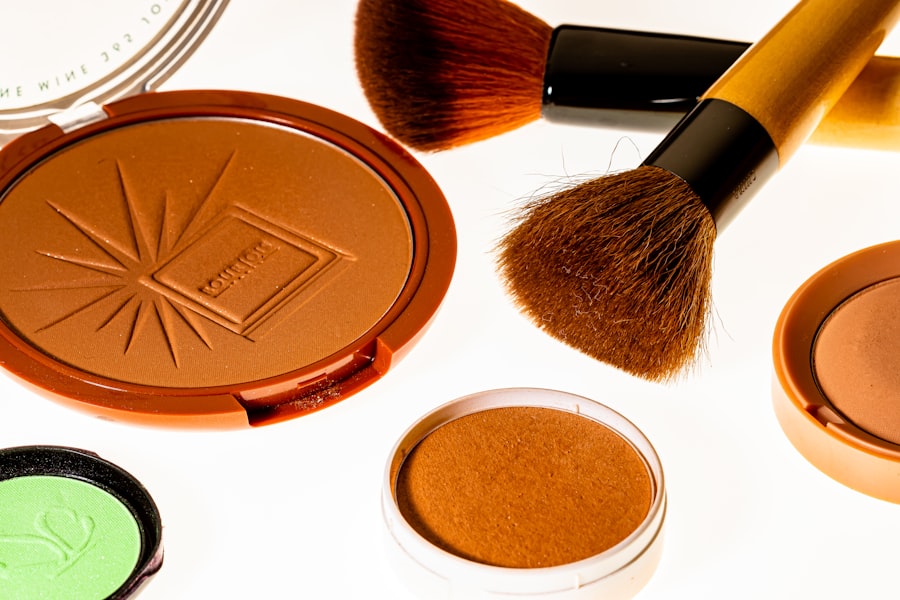
The persistent regulatory lag in the U.S. is not without its critics, and there are growing calls for reform. Several legislative efforts and industry initiatives aim to modernize cosmetic regulation in the United States, seeking to emulate aspects of the European model.
Legislative Initiatives: Momentum for Change
Recent years have seen increased congressional attention to cosmetic safety, with several bills introduced to update the FD&C Act.
- The Modernization of Cosmetics Regulation Act of 2022 (MoCRA): This bipartisan legislation, signed into law in December 2022, marks the most significant reform of U.S. cosmetic law in over 80 years. MoCRA introduces several key provisions, including:
- Mandatory Facility Registration and Product Listing: Manufacturers must now register their facilities with the FDA and list their cosmetic products, along with ingredient statements, ensuring better oversight.
- Serious Adverse Event Reporting: Companies are required to report “serious adverse events” associated with their products to the FDA.
- Good Manufacturing Practices (GMPs): The FDA is mandated to establish GMPs for cosmetic facilities to ensure product quality and safety.
- Fragrance Allergen Disclosure: The FDA is directed to issue regulations requiring the disclosure of fragrance allergens.
- Safety Substantiation: MoCRA explicitly requires manufacturers to ensure the safety of their products, though it stops short of a pre-market approval system akin to Europe’s.
Industry Self-Regulation and Consumer Demand
Beyond legislative action, shifting consumer preferences and industry initiatives are also driving change.
- “Clean Beauty” Movement: The rising demand for “clean” or “non-toxic” beauty products has pushed many brands to voluntarily remove ingredients often found in European banned lists, even in the absence of U.S. regulatory mandates. This is a powerful, albeit often inconsistent, market force.
- Third-Party Certifications: Organizations offering “clean” or “safe” cosmetic certifications have emerged, providing a guide for consumers and pushing brands to adhere to stricter ingredient standards. These certifications often align more closely with European regulatory philosophies.
While MoCRA represents a substantial step forward, introducing much-needed federal oversight and aligning the U.S. closer to the baseline expectations of other developed nations, it is important to critically assess its scope. It does not fully adopt the precautionary principle, nor does it implement the expansive ingredient bans seen in Europe. The U.S. is moving, albeit gradually, toward a more robust regulatory framework, but the metaphor of a marathon, not a sprint, is appropriate here. The regulatory landscape continues to evolve, shaped by scientific advancements, consumer advocacy, and the imperative for global harmonization. For now, the distinct paths of the U.S. and Europe in cosmetic regulation highlight differing perspectives on acceptable risk and the fundamental responsibility for consumer safety.
WATCH NOW ▶️STOP Using These 50 Bathroom Products (Banned In Europe!)
FAQs
1. Why are US cosmetic regulations considered less strict than those in Europe?
US cosmetic regulations are often viewed as less strict because the Food and Drug Administration (FDA) does not require pre-market approval for most cosmetic products and ingredients, whereas the European Union mandates rigorous safety assessments and pre-market authorization for many substances.
2. What are some key differences between US and European cosmetic laws?
Key differences include the EU’s comprehensive list of banned and restricted substances, mandatory safety assessments by qualified professionals, and stricter labeling requirements. In contrast, the US relies more on post-market surveillance and voluntary industry compliance.
3. How does the EU ensure the safety of cosmetic products?
The EU requires manufacturers to conduct safety assessments, maintain detailed product information files, and comply with the Cosmetics Regulation (EC) No 1223/2009, which includes a list of prohibited and restricted ingredients. Products must be safe for human health under normal or reasonably foreseeable conditions of use.
4. Are there any efforts to update US cosmetic laws to be more in line with Europe?
Yes, there have been legislative proposals such as the Personal Care Products Safety Act aimed at enhancing the FDA’s authority to regulate cosmetics, improve ingredient safety reviews, and increase transparency, but comprehensive reform has yet to be enacted.
5. How do these regulatory differences impact consumers?
Consumers in Europe generally benefit from stricter safety standards and greater ingredient transparency, potentially reducing exposure to harmful substances. In the US, the less stringent regulatory framework may result in slower identification and removal of unsafe ingredients from the market.