
The average American home prides itself on comfort, convenience, and cleanliness. Yet, within the seemingly innocuous space of the bathroom, a confluence of common items and practices coalesce to form a surprising nexus of potential hazards. Often overlooked, these ‘bathroom staples’ are silent partners in a range of health and safety risks, from microbial proliferation to chemical exposure. This exploration delves into the unseen dangers lurking in what is often considered one of the safest rooms in the house, urging a closer examination of everyday routines and products.
The bathroom, by its very function, is a breeding ground for microorganisms. Warm, humid conditions combined with organic waste provide an ideal habitat for bacteria, fungi, and viruses to thrive. Understanding the specific threats posed by these microscopic inhabitants is crucial for mitigating health risks.
The Toilet Plume Phenomenon
Every flush of a toilet, particularly those without lids, generates a phenomenon known as the “toilet plume.” This aerosolized spray, propelled several feet into the air, carries microscopic particles of feces, urine, and bacteria.
- Bacterial Dispersion: Studies have shown that pathogens like E. coli, Salmonella, and norovirus can be distributed throughout the bathroom via this plume, settling on surfaces such as toothbrushes, towels, and countertops. The range and persistence of these airborne particles vary depending on toilet design and ventilation, but the fundamental principle remains: a flush is a microscopic dispersal event.
- Contamination of Personal Items: Items left uncovered or in close proximity to the toilet risk direct contamination. Toothbrush holders, for instance, are frequently found to harbor a diverse microbial community, many of which originate from the toilet. This direct contact with oral hygiene tools represents a direct pathway for pathogens into the body.
Showerheads and Biofilms
The showerhead, designed to deliver cleansing water, can paradoxically become a source of microbial exposure. The internal surfaces of showerheads provide an excellent environment for biofilm formation – a sticky matrix of bacteria, fungi, and other microorganisms.
- Mycobacterial Presence: A significant concern is the presence of non-tuberculous mycobacteria (NTM), such as Mycobacterium avium, within these biofilms. When hot water flows through the showerhead, these mycobacteria can become aerosolized and inhaled. For individuals with compromised immune systems, chronic lung conditions, or even healthy individuals over prolonged exposure, this can lead to respiratory infections, including a form of pulmonary disease known as hot tub lung.
- Fungal Growth: Beyond bacteria, fungi also flourish in showerhead biofilms. Black mold, a common sight in poorly ventilated bathrooms, can also colonize showerheads, releasing spores that can trigger allergic reactions or respiratory issues in susceptible individuals.
Shower Curtains and Mildew
Shower curtains, particularly those made of plastic, offer ample surface area and moisture retention, making them prime real estate for mold and mildew. This fungal growth is not merely an aesthetic issue but a potential health hazard.
- Allergenic Spore Release: As mold and mildew grow, they release spores into the air. For individuals with allergies or asthma, these spores can act as powerful triggers, leading to respiratory distress, skin irritation, or allergic rhinitis. The constant humidity of the bathroom ensures a continuous cycle of growth and spore dispersal.
- Bacterial Colonization: Beyond fungi, bacteria also colonize shower curtains. The slimy, discolored patches often signify a mixed microbial community, some of which may be pathogenic or contribute to unpleasant odors. Regular cleaning and judicious material choices are essential for mitigating these risks.
In recent discussions about the hidden dangers in American bathroom staples, an insightful article highlights the potential risks associated with everyday products that many people use without a second thought. For those interested in learning more about these overlooked hazards, you can read the full article at Hey Did You Know This. This resource delves into the chemicals found in common items such as soaps, shampoos, and cleaning supplies, shedding light on how they can impact health and well-being.
Chemical Conundrums
From cleaning products to personal care items, the bathroom is often a repository of a wide array of chemicals. While many are designed for hygiene and comfort, their improper use, storage, or inherent properties can pose significant health risks.
Cleaning Product Hazards
Bathroom cleaning products, often marketed for their efficacy against grime and germs, frequently contain volatile organic compounds (VOCs) and corrosive agents.
- Respiratory Irritation: Bleach, ammonia, and various acidic or alkaline cleaners release fumes that can irritate the respiratory tract, eyes, and skin. Mixing certain cleaners, such as bleach and ammonia, can create highly toxic gases like chloramine, which can cause severe lung damage or even death. Manufacturers’ warnings about proper ventilation and non-mixture are not mere suggestions but critical safety instructions.
- Skin and Eye Exposure: Direct contact with concentrated cleaning agents can result in chemical burns, dermatitis, and severe eye damage. The splashes and spills that inevitably occur during cleaning can lead to significant localized injury if appropriate protective measures like gloves and eyewear are not utilized.
Many everyday bathroom staples in America may harbor hidden dangers that can affect your health. For instance, common products like certain soaps and shampoos can contain harmful chemicals that are often overlooked. To learn more about these potential risks and how to make safer choices, you can check out this informative article on the subject. It provides valuable insights into the ingredients we often take for granted in our daily routines. If you’re interested in discovering more about these hidden dangers, visit this article for further information.
Personal Care Product Ingredients
Many personal care products, from shampoos and conditioners to lotions and cosmetics, contain a complex cocktail of chemicals, some of which have been linked to health concerns.
- Endocrine Disruptors: Phthalates, parabens, and triclosan are examples of chemicals commonly found in personal care products that have been identified as potential endocrine disruptors. These substances can interfere with the body’s hormonal system, potentially impacting reproductive health, development, and metabolism. While regulatory bodies assess acceptable exposure levels, the cumulative effect of daily exposure to multiple products remains a subject of ongoing research and concern.
- Allergens and Sensitizers: Fragrances, dyes, and certain preservatives are frequent culprits in allergic contact dermatitis and other skin sensitivities. For individuals with predispositions, these ingredients can trigger rashes, itching, and inflammation. The sheer variety of chemical compounds in these products makes identifying specific sensitizers challenging for the consumer.
Air Fresheners and Indoor Air Quality
The desire for a pleasant-smelling bathroom often leads to the use of air fresheners, which can paradoxically degrade indoor air quality.
- VOC Emission: Most air fresheners, whether sprays, gels, or plug-ins, release VOCs into the air. These compounds can include formaldehyde, phthalates, and benzene, which can contribute to respiratory problems, headaches, and other symptoms, particularly in poorly ventilated spaces. The masking of odors often comes at the expense of introducing new, potentially more harmful, airborne pollutants.
- Exacerbation of Respiratory Conditions: For individuals with asthma, allergies, or other respiratory sensitivities, the VOCs and particulate matter emitted by air fresheners can act as irritants, triggering attacks or worsening symptoms. The illusion of freshness can conceal a subtle but continuous assault on respiratory health.
Electrical and Water Hazards
The combination of electricity and water, while essential for modern bathroom functionality, represents an inherent and immutable danger. Mismanagement or faults in either system can lead to severe consequences.
Ground Fault Circuit Interrupters (GFCIs)
GFCIs are critical safety devices designed to protect against electric shock by rapidly shutting off power when a ground fault is detected.
- Protection Against Electrocution: In a bathroom environment, where water increases the conductivity of the human body and contact with electrical appliances is common, GFCIs are indispensable. They can detect subtle changes in current flow, indicating that electricity is escaping its intended path, potentially through a person. Without functioning GFCIs, a dropped hair dryer or a faulty appliance near a wet surface can be lethal.
- Regular Testing Importance: Despite their protective function, GFCIs are not infallible. They require regular testing to ensure they are operating correctly. The “test” and “reset” buttons on GFCI outlets or circuit breakers are there for a reason, providing a simple means for homeowners to verify their functionality and ensure continued safety.
Appliance Misuse and Malfunctions
Portable electrical appliances like hair dryers, curling irons, and electric shavers are commonplace in bathrooms, but their proximity to water sources presents significant risks.
- Water Immersion Risk: The primary danger is the accidental immersion of an electrical appliance into water, such as a bathtub or sink. Even when switched off, an appliance retains the potential to conduct electricity if its internal circuitry is compromised by water. Many modern appliances incorporate safety features, but the underlying risk remains.
- Overheating and Fire Hazards: Faulty wiring, blocked vents, or prolonged use without adequate cooling can cause appliances to overheat. This can melt plastic components, expose live wires, or even ignite flammable materials nearby, leading to devastating bathroom fires. Proper storage, maintenance, and awareness of warning signs like burning smells are crucial.
Hot Water Scalding
The convenience of instant hot water also carries the risk of severe thermal injury, particularly for vulnerable populations.
- Temperature Regulation Failure: Water heaters, when improperly set or malfunctioning, can deliver water at dangerously high temperatures. Water exceeding 120°F (49°C) can cause third-degree burns in a matter of seconds, with infants, young children, the elderly, and individuals with sensory impairments being particularly susceptible.
- Thermostatic Mixing Valves: The installation of thermostatic mixing valves (TMVs) can mitigate this risk by precisely controlling the water temperature delivered to fixtures, ensuring it remains within a safe range, even if the water heater is set higher for other household uses (e.g., dishwashing). These devices act as a critical safeguard against accidental scalding.
Structural and Ergonomic Considerations
Beyond the microscopic and chemical, the physical design and inherent limitations of the bathroom space itself can pose significant risks, often contributing to falls, which are a leading cause of home injuries.
Slip and Fall Hazards
The confluence of water, smooth surfaces, and often limited space makes the bathroom a prime location for slips and falls.
- Wet Floors: Water splashing from showers, tubs, or sinks creates slick conditions on ceramic tiles, linoleum, or other common bathroom flooring materials. The absence of adequate slip-resistant mats or regular drying protocols significantly elevates this risk.
- Lack of Grab Bars: For individuals with mobility issues, the elderly, or those recovering from injuries, the lack of strategically placed grab bars in showers, next to toilets, or near tubs turns routine movements into perilous maneuvers. These seemingly simple safety aids can mean the difference between a minor stumble and a severe injury.
- Poor Lighting: Inadequate or poorly placed lighting can obscure wet spots or obstacles, increasing the likelihood of missteps. The desire for ambiance should not supersede the need for clear visibility in a space with inherent fall risks.
Storage and Organization Deficiencies
The often-cramped nature of bathrooms can lead to cluttered storage and poor organization, creating tripping hazards and accessibility issues.
- Obstacles and Clutter: Overflowing cabinets, items left on the floor, or precarious stacks of towels can become tripping hazards, particularly in low-light conditions or hurried movements. The constant struggle for space leads to suboptimal storage solutions.
- Inaccessible Medications and Chemicals: For households with children, the open or easily accessible storage of medications, cleaning products, and personal care items can lead to accidental ingestion or exposure. Child-resistant packaging is a first line of defense, but secure, elevated, or locked storage remains the most effective preventive measure.
In conclusion, the seemingly benign environment of the American bathroom is a complex ecosystem of potential hazards. From the unseen world of microbes and airborne chemicals to the tangible dangers of electricity, hot water, and slippery surfaces, a complacent approach can yield unintended consequences. By understanding these ‘unseen dangers’ – the toilet plume, the bacterial biofilm, the chemical cocktail in cleaning products, the electrical current, and the slick tile – individuals can adopt informed practices. These include diligent cleaning, proper ventilation, careful product selection, mandatory GFCI testing, and the integration of safety-conscious design elements. The bathroom, while a sanctuary of routine and personal care, demands a vigilant and proactive approach to health and safety, transforming a potential hazard zone into a truly safe and hygienic space.
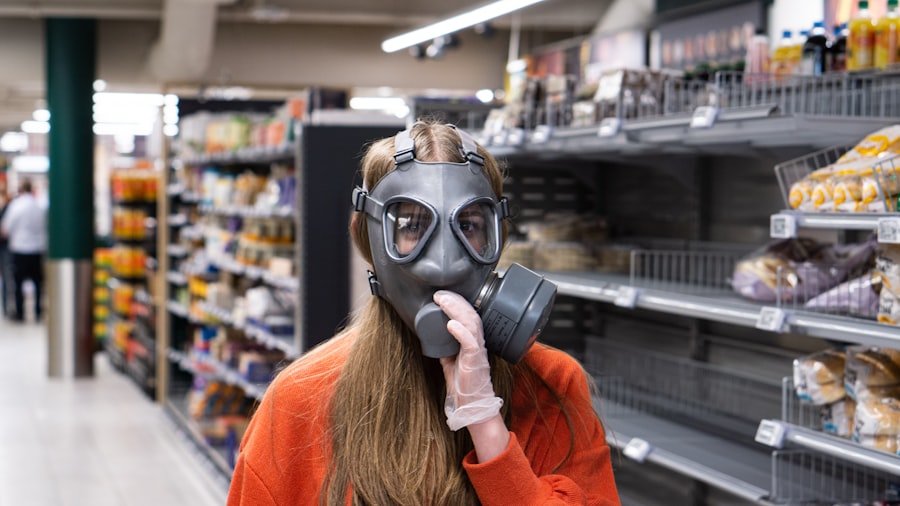
WATCH NOW ▶️STOP Using These 50 Bathroom Products (Banned In Europe!)
FAQs
What are some common hidden dangers found in American bathroom staples?
Common hidden dangers in American bathroom staples include harmful chemicals such as parabens, phthalates, and triclosan found in personal care products like shampoos, soaps, and toothpaste. These substances can cause skin irritation, hormonal disruptions, and other health issues.
How can I identify harmful ingredients in bathroom products?
To identify harmful ingredients, check product labels for chemicals like parabens, sulfates, phthalates, triclosan, and synthetic fragrances. Using apps or websites that analyze product safety can also help consumers make informed choices.
Are antibacterial soaps safe to use in the bathroom?
The FDA has banned certain antibacterial agents like triclosan in consumer soaps due to concerns about effectiveness and potential health risks. Regular soap and water are generally recommended for effective handwashing without added risks.
What are safer alternatives to conventional bathroom products?
Safer alternatives include products labeled as paraben-free, sulfate-free, and fragrance-free, as well as those made with natural or organic ingredients. Using castile soap, baking soda, and essential oils can also be effective and safer options.
How can I reduce exposure to harmful chemicals in bathroom staples?
To reduce exposure, read labels carefully, choose products with fewer synthetic chemicals, avoid antibacterial soaps, and consider making DIY personal care products. Proper ventilation in the bathroom can also help minimize inhalation of volatile compounds.