
The prevalence of skin reactions linked to cosmetic products manufactured in the United States is a subject that warrants careful examination. Consumers across the nation and beyond have reported adverse effects after using a wide array of beauty and personal care items. Understanding the potential culprits within these formulations, the pathways through which they can trigger reactions, and the measures taken by manufacturers and regulatory bodies is crucial for informed product selection and use.
Allergic contact dermatitis (ACD) is a delayed hypersensitivity reaction that occurs when the skin comes into contact with an allergen. In the context of cosmetics, this means that a particular ingredient, after repeated exposure, can sensitize an individual’s immune system. Subsequent contact with even small amounts of that ingredient will then elicit an inflammatory response. This is not an immediate, toxic reaction, but rather a meticulously orchestrated immune system response, like a highly specific bouncer recognizing and ousting an unwelcome guest.
The Mechanism of Sensitization
The process of sensitization is a complex dance between the immune system and foreign molecules. When a cosmetic ingredient penetrates the skin barrier, it can be recognized as an antigen by Langerhans cells, specialized immune cells residing in the epidermis. These cells then migrate to nearby lymph nodes, where they present the antigen to T lymphocytes. This interaction primes the T cells, effectively creating a “memory” of the ingredient. Upon subsequent exposure, these sensitized T cells are rapidly activated and release cytokines, signaling molecules that recruit other immune cells to the site, leading to the characteristic inflammation of ACD.
Differentiating ACD from Irritant Contact Dermatitis (ICD)
It is essential to distinguish ACD from irritant contact dermatitis (ICD). ICD is a more common, non-immune mediated reaction that occurs when a substance directly damages the skin’s outer layer. Think of ICD as a blunt force trauma, where the irritant physically assaults the skin’s defenses. Conversely, ACD is an acquired sensitivity, an immune system skirmish that develops over time. The symptoms can overlap, but the underlying cause differs significantly. ICD reactions are usually dose-dependent and occur shortly after exposure, while ACD can be triggered by very low concentrations of an allergen after a period of sensitization.
Identifying Common Cosmetic Allergens
A myriad of ingredients found in American cosmetics can act as allergens. Fragrances, a pervasive component of many beauty products, are among the most frequent culprits. These complex mixtures can contain dozens, if not hundreds, of individual chemical compounds, increasing the likelihood of encountering a specific sensitizer. Preservatives, essential for preventing microbial contamination and extending product shelf life, also feature prominently on the list of common allergens. Parabens, formaldehyde-releasing agents, and isothiazolinones are frequently implicated. Metals, such as nickel, can also be found in makeup (eyeshadows, mascaras) and cause reactions. Certain dyes used in hair colorants and makeup are also known allergens. The sheer diversity of these ingredients means that pinpointing the exact cause of a reaction can be akin to finding a single rogue wave in a turbulent ocean.
Many consumers are becoming increasingly concerned about the potential skin reactions caused by American cosmetics, leading to a surge in interest regarding ingredient transparency and safety. A related article that delves deeper into this topic can be found at this link, where various factors contributing to skin sensitivities and allergic reactions are explored, along with tips for selecting safer cosmetic products.
Ingredients of Concern in American Cosmetics
The vast chemical landscape of cosmetic formulation presents numerous opportunities for ingredients to cause adverse reactions. While many ingredients are safe and beneficial, a subset can act as triggers for skin sensitivity, particularly for individuals with pre-existing predispositions. The pharmaceutical-grade purity often associated with prescription medications is not always the standard for cosmetic ingredients, and the sheer volume of products used daily can magnify any inherent potential for harm.
Fragrance Compounds: A Common Culprit
Fragrances, whether derived from natural essential oils or synthetic chemicals, are a leading cause of cosmetic-related ACD. The term “fragrance” or “parfum” on an ingredient label often masks a complex blend of volatile organic compounds. Some of these components, such as limonene, linalool, geraniol, and eugenol, are naturally occurring constituents of essential oils but can also be synthesized. When these compounds oxidize on the skin, they can form reactive haptenes that bind to skin proteins, creating an immunogenic complex. This is a slow burn, where the initial pleasant aroma belies a potential for future irritation.
Natural vs. Synthetic Fragrances
The distinction between natural and synthetic fragrances is often blurred in consumer perception. While natural fragrances are derived from plant sources, they are not inherently hypoallergenic. Essential oils can contain a high concentration of allergens. For example, tea tree oil, often lauded for its antimicrobial properties, can be a potent sensitizer. Synthetic fragrances, while created in a lab, are often designed to mimic natural scents and can also contain allergenic compounds. The chemical structure, rather than the origin, is the determining factor in allergenicity.
The Challenge of Disclosure
A significant challenge in identifying fragrance allergens is the lack of detailed disclosure on ingredient lists. Regulatory bodies often permit manufacturers to list “fragrance” or “parfum” as a single ingredient, even though it may comprise numerous chemical components. This lack of transparency makes it difficult for consumers to avoid specific known allergens. The industry’s rationale often centers on protecting proprietary formulations, but this comes at the cost of consumer safety and informed choice.
Preservatives: Guardians Against Contamination, Potential Triggers
Preservatives are indispensable for maintaining the microbiological integrity of cosmetic products, preventing the growth of bacteria, yeast, and mold. However, this vital function comes with a trade-off: many preservatives are designed to be biocidal, and this activity can, for some individuals, extend to their skin.
Parabens: A Historical Concern
Parabens (methylparaben, ethylparaben, propylparaben, butylparaben) have been widely used as preservatives for decades due to their efficacy and low cost. While extensive research has generally supported their safety at the concentrations used in cosmetics, concerns about potential endocrine disruption have led to a decline in their use and a preference for paraben-free formulations. The debate surrounding parabens highlights the evolving scientific understanding of chemical safety and the public’s increasing awareness and demand for safer ingredients.
Formaldehyde-Releasing Preservatives
A class of preservatives that works by slowly releasing formaldehyde, a known allergen and carcinogen, into the product upon decomposition are also of concern. These include ingredients like DMDM hydantoin, imidazolidinyl urea, and diazolidinyl urea. While the amount of formaldehyde released might be small, for sensitized individuals, even trace amounts can trigger significant ACD. The slow-release mechanism means that the allergen can pervade the product, making avoidance challenging.
Isothiazolinones: A Growing Allergen
Isothiazolinones, such as methylisothiazolinone (MIT) and methylchloroisothiazolinone (MCI), have gained notoriety as potent contact allergens. Their use has become more prevalent as a replacement for other preservatives that have fallen out of favor. However, their increased ubiquity has led to a corresponding surge in allergic reactions, particularly to MIT, which is often used as a standalone preservative. These compounds are highly effective at preventing microbial growth but are also increasingly recognized as significant triggers for ACD.
Dyes and Pigments: Adding Color, Causing Trouble
Colorants are essential for aesthetic appeal in makeup and hair products. However, certain dyes and pigments can cause allergic reactions. This is particularly true in hair dyes, where permanent and semi-permanent formulations rely on complex chemical processes to achieve color.
Hair Dye Allergens
The chemicals involved in permanent hair dyeing, such as para-phenylenediamine (PPD), are well-established allergens. The oxidative process involved in hair coloring causes PPD to penetrate the hair shaft and bind to hair proteins. For individuals sensitive to PPD, even brief contact can lead to severe ACD of the scalp, face, and neck. The severity of reaction can be amplified by the amount of dye used and the duration of contact.
Makeup Pigments
While less common than in hair dyes, pigments used in eye makeup, such as mascaras and eyeliners, can also cause allergic reactions. Certain metal-based pigments or synthetic organic dyes can act as sensitizers. The close proximity of eye makeup to the sensitive skin of the eyelids and the eye itself makes any reaction particularly bothersome.
Emollients and Surfactants: Everyday Ingredients, Occasional Triggers
Emollients, designed to soften and smooth the skin, and surfactants, used for cleansing and emulsification, are fundamental to most cosmetic formulations. While generally considered safe, specific types or impurities within these broad categories can also contribute to adverse reactions.
Lanolin Allergy
Lanolin, a wax derived from sheep’s wool, is a common emollient used in moisturizers and lip balms. While it is highly effective at moisturizing, it can also be a source of allergic contact dermatitis for some individuals, likely due to trace amounts of pesticides or inherent allergenic proteins present in the raw wool.
Cocamidopropyl Betaine (CAPB) Sensitization
Cocamidopropyl betaine (CAPB) is a widely used surfactant found in shampoos, body washes, and facial cleansers. It is generally considered mild, but reports of ACD have emerged, often attributed to impurities present in the manufacturing process, such as amidoamine and dimethylaminopropylamine. These impurities are believed to be the true sensitizers, rather than CAPB itself.
Regulatory Landscape and Industry Practices
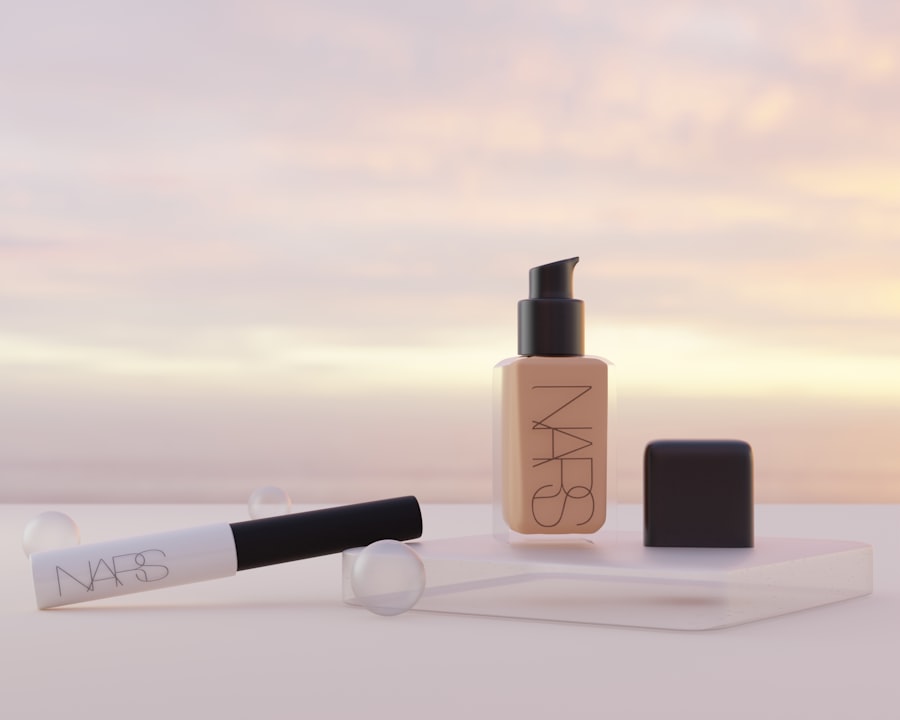
The regulation of cosmetic products in the United States operates under a framework that has evolved over time, balancing innovation with public safety. Unlike pharmaceuticals, cosmetics generally do not require pre-market approval, placing a significant onus on manufacturers to ensure the safety of their products.
The Role of the FDA
The U.S. Food and Drug Administration (FDA) has regulatory authority over cosmetics under the Federal Food, Drug, and Cosmetic Act. However, the agency’s powers are more limited compared to its oversight of drugs. The FDA can take action against adulterated or misbranded cosmetics, but it does not have the authority to approve cosmetic ingredients or products before they enter the market. This means that the burden of proof for safety lies primarily with the manufacturers.
Enforcement and Recalls
The FDA monitors the market for adverse event reports and can initiate investigations into products that are deemed unsafe. If a cosmetic is found to be adulterated or misbranded, the FDA can issue warning letters, seize products, and seek injunctions. However, the sheer volume of cosmetic products on the market makes comprehensive oversight a considerable challenge. Recalls are often voluntary, initiated by the manufacturer, though the FDA can pressure manufacturers to recall products deemed hazardous.
Industry Self-Regulation and Voluntary Standards
The cosmetic industry has various trade associations and voluntary programs aimed at promoting product safety and responsible manufacturing. The Cosmetic Ingredient Review (CIR) Expert Panel, a group of independent scientists, reviews the safety of cosmetic ingredients and publishes its findings. While CIR assessments are influential, they are not legally binding. The industry’s commitment to self-regulation is a crucial component of the safety landscape, but it relies on the good faith and diligence of individual companies.
The Safety Assessment Process
Manufacturers are responsible for conducting safety assessments of their products and ingredients. This typically involves reviewing existing scientific literature, conducting toxicological studies, and evaluating the potential for irritation and sensitization. The thoroughness and rigor of these assessments can vary widely among companies. A robust safety assessment is like a diligent architect meticulously reviewing blueprints before construction begins, ensuring structural integrity.
International Perspectives and Harmonization
Cosmetic regulations differ significantly from country to country. Some regions, like the European Union, have more stringent pre-market controls and a negative list of prohibited ingredients. Efforts towards international harmonization of cosmetic regulations are ongoing, aiming to streamline trade and ensure a consistent level of consumer protection globally. However, differences in scientific interpretation, risk assessment methodologies, and regulatory philosophies present ongoing hurdles.
Identifying and Managing Skin Reactions
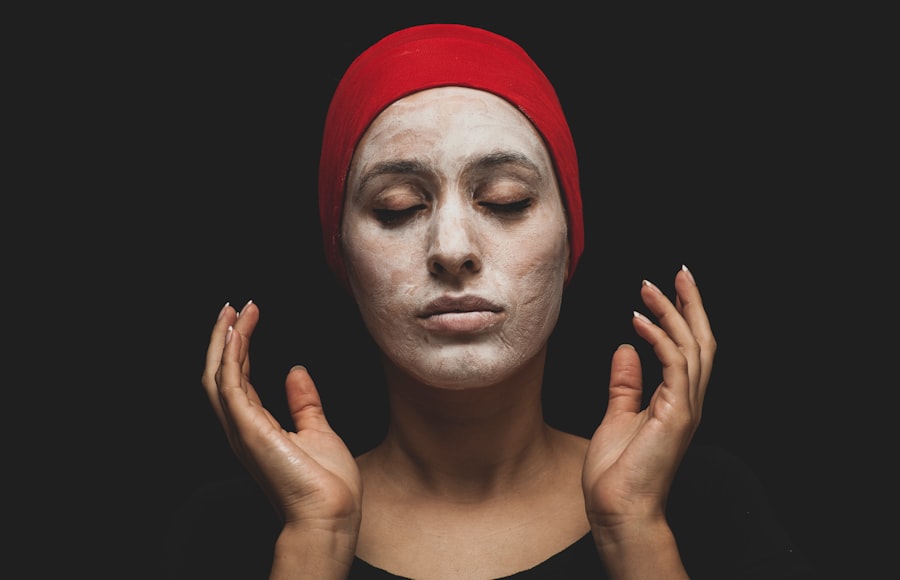
Recognizing the signs and symptoms of a cosmetic-induced skin reaction is the first step toward effective management. Prompt and accurate diagnosis can prevent further exposure and minimize discomfort.
Symptoms of Cosmetic-Induced Dermatitis
Cosmetic-induced skin reactions can manifest in various ways, with ACD and ICD being the most common. Symptoms can include redness, itching, burning, stinging, swelling, blistering, and dryness. The location of the reaction often provides clues to the offending product. For instance, a rash on the face, neck, or hairline might suggest a reaction to shampoo, conditioner, or makeup. A reaction on the hands could be due to hand cream or nail polish.
Gradual vs. Immediate Onset
ACD typically develops 12 to 72 hours after exposure to the allergen and can persist for days or even weeks after the offending product is discontinued. ICD, on the other hand, may appear more quickly, within minutes to hours after contact, and usually resolves once the irritant is removed. The delayed onset of ACD can sometimes make it challenging to link the reaction to a specific product, as the consumer may have used multiple new items.
Patch Testing and Allergy Diagnosis
For suspected ACD, dermatologists often recommend patch testing. This diagnostic procedure involves applying small amounts of common allergens, including those found in cosmetics, to the skin under occlusion for 48 hours. The skin is then observed for reactions at 48 and 72 hours, and sometimes later, to identify specific sensitizers. This is a scientific detective’s toolkit, precisely identifying the culprit in a crowded lineup of suspects.
Lifestyle and Product Management Strategies
Once a cosmetic allergy is identified, the primary management strategy is avoidance of the offending ingredient. This requires careful label reading and, in some cases, consultation with a dermatologist or allergist.
Reading Ingredient Labels
Becoming a meticulous label reader is a crucial skill for individuals with cosmetic sensitivities. Understanding the INCI (International Nomenclature of Cosmetic Ingredients) system, the standardized naming convention for cosmetic ingredients, is beneficial. Looking for specific known allergens and opting for products that clearly list their ingredients can empower consumers.
“Hypoallergenic” and “Fragrance-Free” Claims
The terms “hypoallergenic” and “fragrance-free” can be appealing, but their meaning is not always standardized. “Hypoallergenic” simply implies that the product is less likely to cause allergic reactions, but it does not guarantee it. “Fragrance-free” means that no fragrance has been intentionally added, but some ingredients naturally possess odors that may be perceived as unpleasant. Products labeled “unscented” may contain masking fragrances to cover up natural odors, which can still cause reactions.
The Importance of a “Patch Test” Before Full Application
For new cosmetic products, especially those with complex ingredient lists or those known to contain potential allergens, performing a small patch test on an inconspicuous area of skin (like the inner forearm or behind the ear) before applying it to the face or a larger area is a prudent step. This miniature trial run can often reveal a potential adverse reaction before it becomes widespread.
Many consumers are becoming increasingly aware of the potential for skin reactions caused by American cosmetics, prompting discussions about ingredient safety and product transparency. A related article that delves into this topic can be found at Hey Did You Know This, where various factors contributing to skin sensitivities are explored. As people seek to understand the impact of these products on their skin, it is essential to stay informed about the ingredients used in cosmetics and their possible effects.
Conclusion: Navigating the Complex World of American Cosmetics
| Metric | Data/Statistic | Source | Notes |
|---|---|---|---|
| Percentage of users reporting skin reactions | 12-15% | Journal of the American Academy of Dermatology (2022) | Based on surveys of cosmetic users in the US |
| Common types of skin reactions | Contact dermatitis, allergic reactions, irritation | American Contact Dermatitis Society | Most reactions are mild to moderate |
| Top allergens found in American cosmetics | Fragrances, parabens, formaldehyde releasers, preservatives | FDA Cosmetic Ingredient Review (2023) | These ingredients are linked to higher rates of skin sensitivity |
| Incidence of severe allergic reactions | 0.5-1% | American Academy of Dermatology | Includes cases requiring medical intervention |
| Percentage of cosmetics tested for skin safety before market | Approximately 70% | FDA Regulations and Industry Reports | Testing varies widely by manufacturer |
| Consumer awareness of potential skin reactions | 65% | Consumer Reports Survey (2023) | Percentage of consumers aware that cosmetics can cause skin reactions |
The question of whether American cosmetics are causing skin reactions is not a simple yes or no. The reality is that a vast array of ingredients are used in cosmetic formulations, and while most are safe for the majority of consumers, a subset can indeed trigger adverse reactions in susceptible individuals. The complexities of ingredient disclosure, the evolving scientific understanding of allergens, and individual sensitivities all contribute to this ongoing dialogue.
The onus is on manufacturers to rigorously assess the safety of their products and to be transparent with consumers about the ingredients they use. Consumers, in turn, must become informed participants in their own skincare, understanding their skin’s unique needs and potential sensitivities. By adopting a proactive approach, including careful product selection, diligent label reading, and consultation with healthcare professionals when necessary, individuals can navigate the vibrant and ever-changing landscape of American cosmetics more safely and effectively. The pursuit of beauty should not come at the expense of skin health, and a balanced approach, combining scientific understanding with informed consumerism, is key to achieving both.

WATCH NOW ▶️STOP Using These 50 Bathroom Products (Banned In Europe!)
FAQs
1. Are American cosmetics more likely to cause skin reactions compared to products from other countries?
There is no conclusive evidence that American cosmetics inherently cause more skin reactions than products from other countries. Skin reactions depend on individual sensitivities, specific ingredients, and product formulations rather than the country of origin.
2. What common ingredients in American cosmetics can cause skin reactions?
Some common ingredients that may cause skin reactions include fragrances, parabens, sulfates, formaldehyde-releasing preservatives, and certain dyes. People with sensitive skin or allergies should check product labels carefully.
3. How can consumers identify if a cosmetic product is causing a skin reaction?
Signs of a skin reaction include redness, itching, swelling, burning, or rash at the site of application. If symptoms appear shortly after using a product and improve upon discontinuation, the product may be the cause.
4. Are American cosmetics regulated to ensure safety for consumers?
Yes, the U.S. Food and Drug Administration (FDA) regulates cosmetics to ensure they are safe when used as directed. However, cosmetics do not require pre-market approval, so manufacturers are responsible for product safety.
5. What steps can individuals take to minimize the risk of skin reactions from cosmetics?
Consumers can perform patch tests before using new products, choose hypoallergenic or fragrance-free options, read ingredient lists carefully, and consult a dermatologist if they have sensitive skin or a history of allergic reactions.