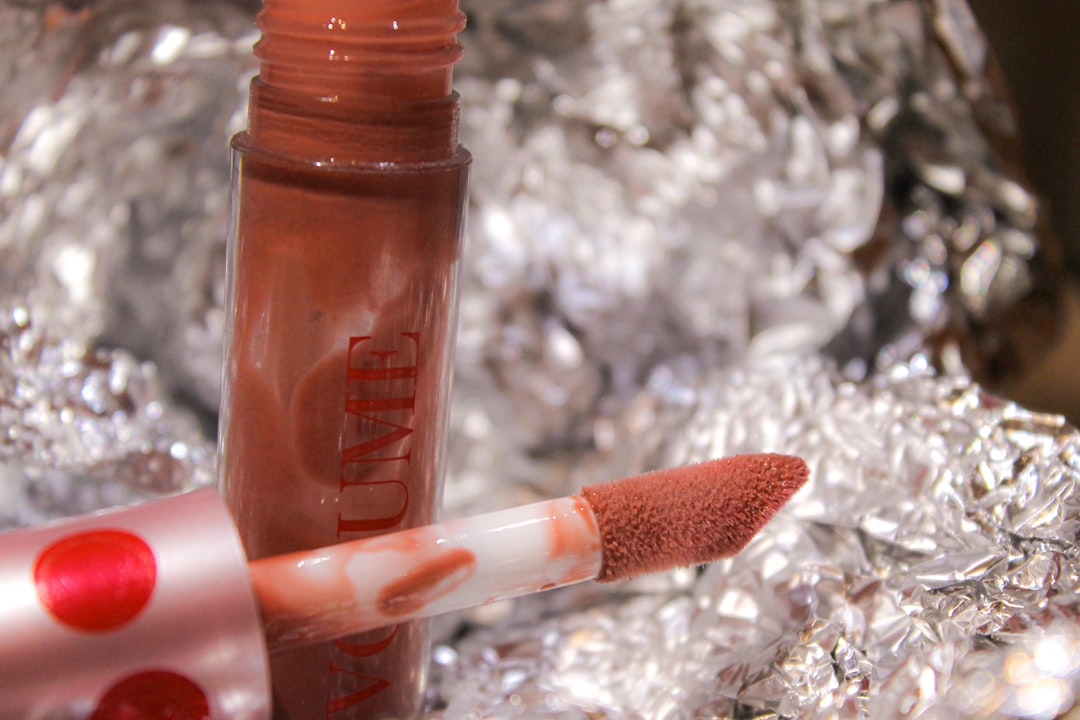
Lipstick, a staple in many makeup bags, promises to add color and confidence to one’s appearance. However, beneath the shimmering hues and alluring scents, a hidden debate has been brewing regarding the safety of certain ingredients commonly found in American formulations, ingredients that are strictly prohibited across the Atlantic in the European Union. This article delves into these disparities, exploring the ingredients in question, the scientific rationale for their ban in Europe, and the implications for consumers.
Lipstick is more than just pigment. It is a complex emulsion designed to adhere to the lips, provide color, and maintain moisture. The ingredients work in harmony to achieve its desired texture, longevity, and visual appeal. Understanding the basic components of a lipstick is crucial to appreciating the concerns surrounding specific additives.
The Core Composition of Lipstick
At its heart, lipstick is typically composed of a blend of waxes, oils, and emollients. These form the base, providing structure and ensuring smooth application.
Waxes: The Structural Backbone
Waxes, such as beeswax, carnauba wax, and candelilla wax, are essential for giving lipstick its solid form and preventing it from melting at room temperature. They create a barrier that helps to seal in moisture.
Oils and Emollients: The Hydration Heroes
A variety of oils, including castor oil, mineral oil, lanolin, and various plant-based oils, are incorporated to impart a creamy texture and provide hydration to the lips. These are the unsung heroes that prevent dryness and flaking, ensuring a comfortable wear experience.
Pigments: The Color Canvas
The vibrant colors that define lipstick come from a range of pigments. These can be organic or inorganic, derived from mineral sources or synthetic compounds. The selection of pigments dictates the shade, opacity, and light-reflecting properties of the lipstick.
Fragrances and Flavors: The Sensory Appeal
To enhance the user experience, many lipsticks include fragrances and flavors. These can range from subtle floral notes to sweet fruit essences, transforming the application into a more enjoyable sensory ritual.
Preservatives: The Guardians of Freshness
Like many cosmetic products, lipsticks contain preservatives to prevent microbial growth and extend shelf life. These are vital for maintaining product integrity and preventing spoilage.
Beyond the Basics: Controversial Additives
It is within the category of pigments, preservatives, and sometimes additional functional ingredients that some of the most concerning substances are found. These are the elements that have drawn the scrutiny of regulatory bodies in different parts of the world.
The Spectrum of Color: Understanding Pigment Sources
While many pigments are benign, the sourcing and composition of some have raised questions. Metal-based pigments, for instance, have been a particular area of concern due to potential heavy metal contamination.
Preservatives and Their Persistent Presence
The efficacy of preservatives is paramount, but the choice of compound can have significant implications for consumer health. Some preservatives, while effective, have properties that lead to their prohibition in certain regions.
In recent discussions about cosmetic safety, it’s important to note the stark differences in regulations between the United States and Europe, particularly regarding ingredients used in lipsticks. Many substances that are commonly found in U.S. lipsticks have been banned in Europe due to health concerns. For a deeper understanding of this topic, you can read a related article that explores these differences and highlights specific ingredients that raise safety alarms. Check it out here: Ingredients in U.S. Lipstick Banned in Europe.
Europe’s Stricter Standards: A Shield Against Harmful Chemicals
The European Union has long been recognized for its robust regulatory framework for cosmetics, often setting a global benchmark for consumer safety. The EU’s approach is characterized by a proactive stance, where the burden of proof for safety often rests with the manufacturer.
The EU Cosmetic Regulation: A Comprehensive Framework
The cornerstone of cosmetic safety in Europe is Regulation (EC) No 1223/2009, often referred to as the EU Cosmetic Regulation. This comprehensive piece of legislation dictates what ingredients are permitted and under what conditions.
The Annexes: A Detailed Chemical Inventory
The regulation features several annexes that list prohibited substances, restricted substances, and colorants allowed in cosmetic products. These annexes are a living document, regularly updated as scientific understanding evolves.
Pre-Market Approval and Post-Market Surveillance
Unlike in the US, where cosmetic ingredients (other than color additives and those that are skin sensitizers) do not require pre-market approval from the Food and Drug Administration (FDA), the EU mandates a rigorous safety assessment of each cosmetic product before it can be placed on the market. This includes a thorough review of all ingredients. Furthermore, there is a robust system of post-market surveillance to monitor for adverse events.
The Precautionary Principle: A Driving Force
A key philosophical difference underpinning European regulations is the adherence to the precautionary principle. This means that if there is a plausible risk of harm to human health or the environment, even in the absence of complete scientific certainty, measures should be taken to prevent or reduce that risk. This principle acts as a powerful filter, preventing potentially problematic ingredients from entering the market in the first place.
Shifting the Burden of Proof
The precautionary principle effectively shifts the burden of proof from consumers or regulatory bodies to manufacturers. Companies must demonstrate that their products are safe, rather than regulators having to prove they are unsafe. This proactive approach is a significant departure from the US system.
Key Offenders: Ingredients Banned in Europe but Present in US Lipsticks
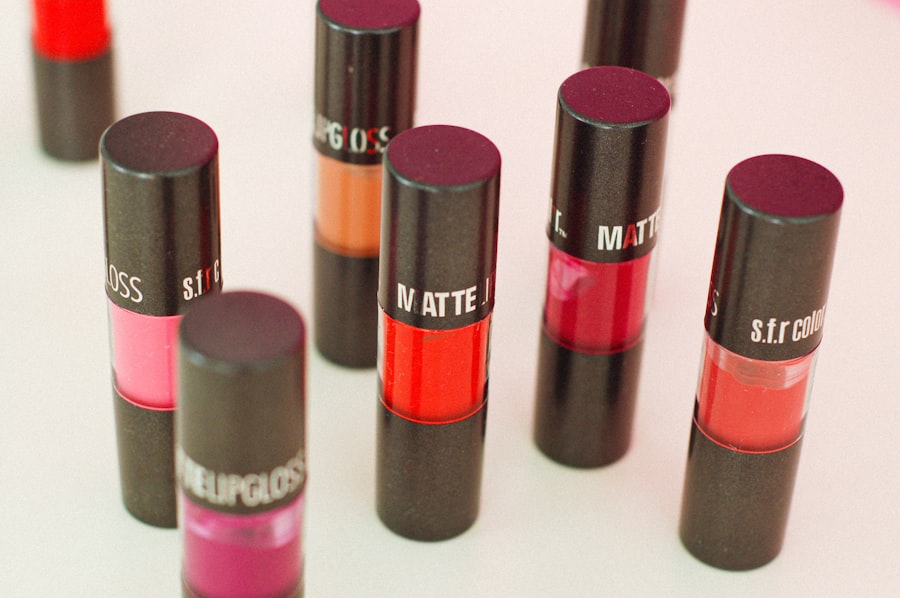
Several ingredients commonly found in US lipsticks have been deemed unsafe by European authorities and are therefore prohibited. These substances, while sometimes offering functional benefits, carry potential health risks that have led to their exclusion from the EU market.
Lead and Cadmium: The Heavy Metal Menace
Perhaps the most widely publicized concern relates to the presence of heavy metals, specifically lead and cadmium, in lipsticks. These can enter cosmetic products as contaminants from pigments or raw materials.
Lead: A Neurotoxin with Lingering Effects
Lead is a known neurotoxin that can accumulate in the body over time. While lipsticks are not intended for ingestion, the constant application and potential for transfer to food or drink during daily activities raise concerns about chronic exposure. In Europe, strict limits are placed on lead content in cosmetics, and certain pigments known for high lead contamination are outright banned.
Long-Term Health Impacts of Lead Exposure
Exposure to lead, even at low levels, can have serious consequences, particularly for children and pregnant women. Effects can include developmental problems, cognitive impairment, and reproductive issues. This has led to strong regulatory action in the EU.
Cadmium: Another Persistent Pollutant
Cadmium is another heavy metal with known toxic properties. It can affect the kidneys and bones and is classified as a human carcinogen. Similar to lead, strict limits on cadmium content are enforced in the EU, and sources particularly prone to contamination are prohibited.
The Subtle Accumulation
Unlike acute poisoning, the danger of heavy metals lies in their gradual accumulation in the body. Each application of a lipstick containing these contaminants contributes to a cumulative exposure, which can eventually reach harmful levels.
Parabens: The Preservative Paradox
Parabens are a group of chemicals widely used as preservatives in cosmetics and personal care products. They are highly effective at preventing the growth of bacteria, mold, and yeast, thus extending the shelf life of products. However, their safety has been a subject of intense debate.
The Endocrine Disruptor Question
Some scientific studies have raised concerns that parabens may mimic estrogen in the body, acting as endocrine disruptors. This means they could potentially interfere with the body’s hormone system. While extensive research is ongoing, the EU has taken a more cautious approach.
Restricted and Prohibited Parabens
While a complete ban on all parabens isn’t in place for all cosmetics in the EU, several types of parabens, such as isopropylparaben, isobutylparaben, and phenylparaben, are prohibited. Others are heavily restricted in terms of concentration and permitted applications. This nuanced approach reflects the differing scientific opinions and the desire to err on the side of caution where potential risks are identified.
Long-Chain PFAS: The “Forever Chemicals”
Per- and polyfluoroalkyl substances (PFAS), often referred to as “forever chemicals,” are a group of synthetic chemicals that have been used in a wide range of products due to their water- and grease-resistant properties. In cosmetics, they can contribute to the smooth texture of lipsticks and their long-lasting wear.
Persistence in the Environment and Body
The defining characteristic of PFAS is their extreme persistence. They do not break down easily in the environment or in the human body, leading to a gradual accumulation. Concerns about their potential health effects, including links to cancer, immune system disruption, and developmental issues, have grown significantly.
The EU’s Sweeping PFAS Ban
Recognizing the widespread environmental and health concerns associated with PFAS, the EU has moved towards a broad restriction on these chemicals, effectively banning them in many consumer products, including cosmetics. This proactive stance aims to prevent further environmental contamination and reduce human exposure to these persistent chemicals.
Certain Coal Tar-Derived Dyes: A Legacy of Concern
Coal tar is a complex mixture of chemicals produced from coal. Certain colorants derived from coal tar have been used in cosmetics for their vibrant colors. However, some of these dyes are known to be carcinogenic or to contain carcinogenic impurities.
Regulatory Scrutiny and Specific Bans
European regulations have placed strict controls on coal tar-derived dyes, banning those that have been identified as posing a significant health risk. Manufacturers must ensure that any permitted colorants meet stringent purity standards.
Impurities and Their Hidden Dangers
The primary concern with coal tar dyes often lies not just with the dye itself but with the potent carcinogenic impurities that can be present. Rigorous testing and purification processes are therefore essential, and where these cannot guarantee safety, the ingredient is prohibited.
The Unseen Cost: Potential Health Implications of Banned Ingredients
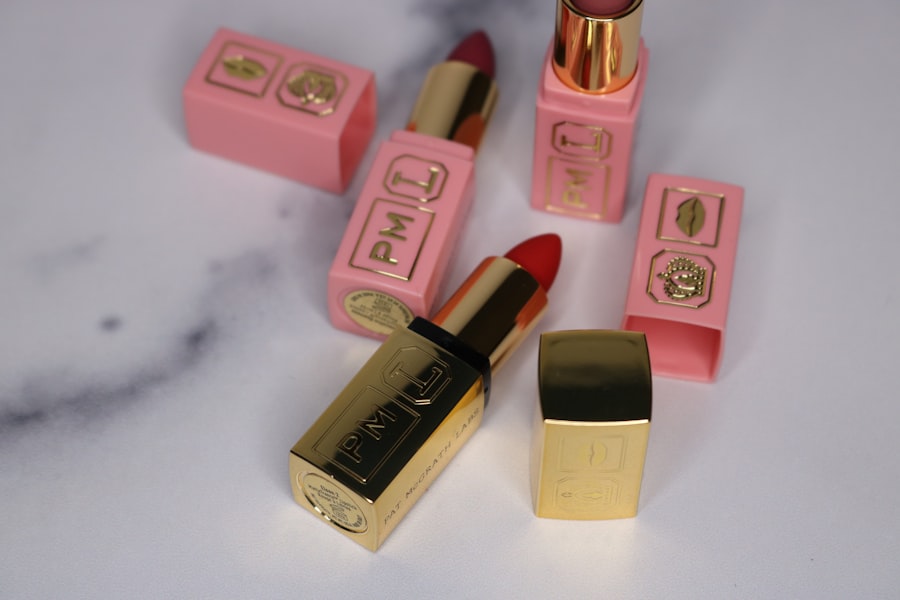
The divergence in ingredient regulation between the US and Europe is not merely an academic exercise. It speaks to fundamentally different philosophies regarding consumer protection and the proactive identification and mitigation of potential health risks. The presence of these banned ingredients, even in trace amounts, can represent an unseen cost to consumer health.
The Cumulative Exposure Effect: A Slow Burn
The primary concern with many of the banned ingredients, particularly heavy metals and certain persistent chemicals, is not necessarily acute toxicity from a single application. Instead, it is the effect of cumulative exposure over time. Each time a lipstick containing these substances is applied, a small amount is absorbed or transferred to the body.
Lipsticks as Accidental Ingestibles
While not intended for consumption, lipsticks are inherently prone to ingestion. It is estimated that individuals can ingest a significant amount of lipstick over their lifetime through daily wear. This makes the safety of ingredients particularly critical.
The “Dose Makes the Poison” Principle
This fundamental principle of toxicology dictates that the harmfulness of a substance depends on the dose. While trace amounts of a problematic ingredient might not cause immediate harm, regular exposure can lead to a build-up that eventually crosses a threshold for adverse health effects.
Endocrine Disruption and Long-Term Health
The potential for endocrine disruption, as seen with certain parabens, is another significant concern. These chemicals can interfere with the delicate balance of hormones in the body, which are crucial for numerous physiological processes.
The Hormonal Echo Chamber
Endocrine-disrupting chemicals can mimic or block natural hormones, leading to a wide range of potential health issues, including reproductive problems, developmental abnormalities, and an increased risk of certain cancers. The long-term impact of such disruptions is a subject of ongoing scientific investigation.
The Challenge of Isolating Causation
One of the challenges in studying the effects of endocrine disruptors is the difficulty in isolating causation. Many lifestyle and environmental factors can influence hormone levels, making it complex to definitively link a specific chemical exposure to a particular health outcome. This is where the precautionary principle becomes invaluable.
Carcinogenic Potential and Developmental Concerns
Ingredients with known or suspected carcinogenic properties, such as certain impurities in coal tar dyes or persistent chemicals like PFAS, pose a significant long-term risk. Furthermore, developmental exposure, particularly during pregnancy, is a critical concern for ingredients that can cross the placental barrier.
The Unseen Seed of Future Illness
The introduction of known carcinogens into products used daily on the lips can be considered as planting an unseen seed of future illness. The latency period for some cancers can be decades, making it difficult to draw immediate connections but underscoring the importance of stringent preventative measures.
Protecting Vulnerable Populations
Children and pregnant women are considered particularly vulnerable populations when it comes to exposure to toxic chemicals. Ingredients that can pose risks to development or reproductive health are therefore subject to the highest level of scrutiny and restriction.
Many consumers are often surprised to learn that certain ingredients found in lipsticks sold in the United States are banned in Europe due to health concerns. This discrepancy raises questions about the safety standards applied in different regions. For those interested in exploring this topic further, you can read a related article that delves into the specific ingredients and their potential risks by visiting this informative site. Understanding these differences can help consumers make more informed choices about the products they use on their skin.
Navigating the Cosmetic Landscape: Empowering the Consumer
| Ingredient | Use in Lipstick | Reason for Ban in Europe | US Regulation Status | Health Concerns |
|---|---|---|---|---|
| Lead | Colorant contaminant | Carcinogenic and neurotoxic effects | Allowed in trace amounts, no strict limit | Brain damage, developmental issues |
| Parabens (e.g., Propylparaben) | Preservative | Endocrine disruption concerns | Permitted with concentration limits | Hormone disruption, reproductive toxicity |
| Coal Tar Dyes (e.g., D&C Red No. 6) | Colorant | Potential carcinogens | Allowed with restrictions | Possible cancer risk |
| Phthalates (e.g., DBP) | Plasticizer, fragrance carrier | Reproductive toxicity | Restricted but not banned | Birth defects, hormone disruption |
| Formaldehyde Releasers | Preservative | Carcinogenic potential | Allowed in low concentrations | Allergic reactions, cancer risk |
The disparity in ingredient regulations presents a challenge for consumers seeking to make informed choices about the products they use. However, by understanding these differences and knowing where to look for information, individuals can become more empowered navigators of the global cosmetic landscape.
The Power of Information: Decoding Ingredient Lists
Ingredient lists, often found on product packaging, can appear daunting. However, familiarizing oneself with common ingredient names and understanding the implications of certain chemical classes can be a powerful tool.
Understanding INCI Names
Cosmetic ingredients are listed using the International Nomenclature of Cosmetic Ingredients (INCI) system. Learning to recognize common banned or restricted ingredients by their INCI names is a crucial step.
Resources for Decoding Ingredients
Numerous online resources and apps are dedicated to helping consumers understand ingredient lists, flagging potentially problematic substances and offering alternatives. These can serve as invaluable digital guides.
The European Advantage: A Global Standard Bearer
The EU’s stringent regulations, while potentially leading to slightly different product formulations and pricing compared to the US, offer a tangible advantage in terms of consumer safety. Products formulated for the European market generally adhere to higher safety standards.
Seeking Out EU-Compliant Brands
Many cosmetic brands operate globally and formulate their products to meet the strictest regulatory requirements of the markets they serve. This often means that products intended for the European market are also compliant with EU regulations elsewhere.
The Mark of European Safety
While not always explicitly stated, actively seeking out brands known for their commitment to EU regulatory compliance can be a way to access products formulated with a higher standard of safety.
Advocating for Change: A Collective Voice
Consumer awareness and advocacy play a vital role in shaping cosmetic regulations. As consumers become more informed about potential ingredient risks, they can collectively pressure manufacturers and regulatory bodies to adopt higher safety standards.
The Ripple Effect of Consumer Demand
When consumers demand safer products, manufacturers often respond by reformulating their products to meet those demands. This can create a ripple effect, encouraging broader industry-wide adoption of safer ingredients.
Supporting Transparency and Research
Supporting organizations that advocate for cosmetic safety and the funding of independent scientific research into the effects of cosmetic ingredients can contribute to a future where safer products are the norm for everyone.
The Future of Cosmetics: Towards Universal Safety
The ongoing dialogue surrounding ingredient safety in cosmetics highlights a growing global awareness of the potential impact of chemical exposure on human health. The differences in regulations between regions like the US and Europe serve as a catalyst for change, pushing for a future where effective cosmetics do not come at the expense of consumer well-being.
Harmonization or Continued Divergence?
The question of whether global cosmetic regulations will eventually harmonize towards a single, high standard remains to be seen. However, the increasing scientific understanding of chemical safety and the persistent advocacy for consumer protection suggest a trend towards greater stringency across the board.
The Influence of Global Markets
As cosmetic companies operate on a global scale, the differing regulatory landscapes can influence their product development strategies. The desire to streamline production and marketing can incentivize the adoption of formulations that meet the most stringent requirements, effectively raising the global bar.
The Rise of “Clean Beauty”
The “clean beauty” movement, which emphasizes the use of natural, non-toxic ingredients, is a testament to growing consumer demand for safer products. While the definition of “clean” can vary, it reflects a broader desire to move away from potentially harmful synthetic chemicals.
Innovation in Cosmetic Science
The challenges presented by ingredient safety have also spurred innovation in cosmetic science. Researchers are actively developing new, safer alternatives to traditional ingredients, focusing on both efficacy and consumer well-being.
Biodegradable Alternatives and Sustainable Sourcing
The development of biodegradable pigments, plant-based emollients, and sustainable sourcing practices are all part of this forward-looking approach. The aim is to create cosmetics that are not only safe for consumers but also for the environment.
The Ethical Imperative
Ultimately, the pursuit of safer cosmetic ingredients is an ethical imperative. Consumers have a right to use products that enhance their lives without posing undue risks to their health. The ongoing conversations and regulatory adjustments are steps towards fulfilling that fundamental right. The path forward is one of continued vigilance, informed choices, and a collective commitment to a future where beauty truly is safe.
WATCH NOW ▶️STOP Using These 50 Bathroom Products (Banned In Europe!)
FAQs
1. Why are some ingredients in US lipsticks banned in Europe?
Certain ingredients found in US lipsticks are banned in Europe due to stricter regulations aimed at protecting consumer health. The European Union has identified some substances as potentially harmful or toxic, leading to their prohibition in cosmetic products.
2. What are some common ingredients banned in European lipsticks but allowed in the US?
Ingredients such as lead, certain parabens, formaldehyde-releasing preservatives, and some synthetic dyes are examples of substances permitted in US lipsticks but restricted or banned in Europe due to safety concerns.
3. How do regulatory agencies in the US and Europe differ in their approach to lipstick safety?
The US Food and Drug Administration (FDA) regulates cosmetics but does not require pre-market approval for lipstick ingredients, relying on post-market surveillance. In contrast, the European Chemicals Agency (ECHA) enforces stricter pre-market safety assessments and bans substances deemed unsafe.
4. Are lipsticks sold in the US safe to use despite these ingredient differences?
Yes, lipsticks sold in the US meet FDA safety standards and are generally considered safe for consumers. However, the presence of certain ingredients banned in Europe has raised concerns among some health advocates.
5. Can consumers find lipsticks in the US that comply with European ingredient standards?
Yes, some US brands offer lipsticks formulated without ingredients banned in Europe, catering to consumers seeking products with stricter safety profiles. These products are often labeled as “clean” or “European standard” cosmetics.