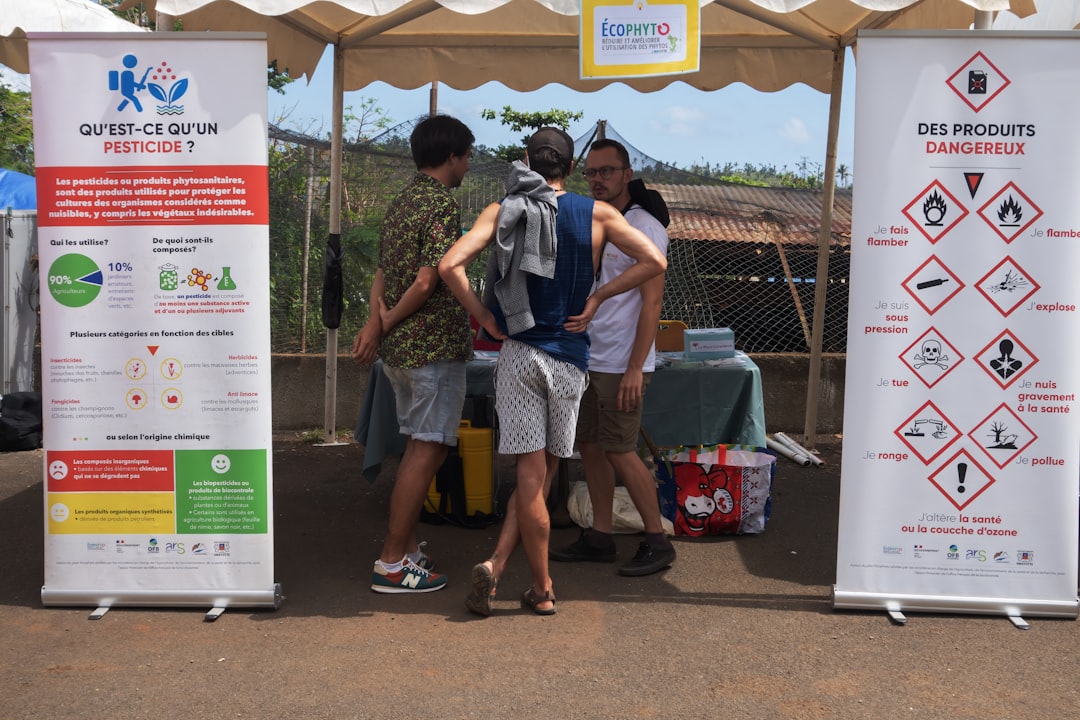
The modern bathroom, often perceived as a sanctuary of cleanliness and personal care, can inadvertently harbor a complex array of chemical compounds. These substances, prevalent in many common household and personal care products, may pose potential risks to human health and the environment. This article delves into the various categories of toxic chemicals found in bathroom environments, exploring their potential effects and providing practical strategies for mitigation. The objective is to empower individuals with knowledge and actionable steps to cultivate a safer and healthier bathroom space.
The bathroom, a space dedicated to hygiene, frequently contains a concentration of products designed for cleaning, sanitization, and personal grooming. These products often contain active ingredients and excipients that, while serving their intended purpose, may contribute to indoor air pollution and dermal exposure risks. The sheer volume and diversity of these chemicals necessitate a closer examination of their individual and cumulative impacts.
Cleaning Products as Chemical Reservoirs
Bathroom cleaning products, ranging from toilet bowl cleaners to surface disinfectants, are formulated to tackle tough stains and eliminate germs. However, their efficacy often stems from powerful chemical agents.
Ammonia-Based Cleaners
Ammonia (NH₃), a common ingredient in glass cleaners and all-purpose bathroom sprays, is known for its ability to dissolve grime and grease. While effective, ammonia can cause irritation to the eyes, nose, and throat. In poorly ventilated spaces, its fumes can become particularly concentrated, exacerbating respiratory symptoms. Furthermore, mixing ammonia with bleach creates chloramine gas, a highly toxic substance that can cause severe respiratory distress and even death.
Chlorine Bleach (Sodium Hypochlorite)
Sodium hypochlorite (NaClO), or chlorine bleach, is a potent disinfectant and whitening agent widely used in bathrooms. It effectively kills bacteria, viruses, and fungi. However, bleach can irritate the skin, eyes, and respiratory tract. Its strong oxidizing properties make it corrosive to certain materials and dangerous when mixed with other cleaning agents, particularly acids (like toilet bowl cleaners containing hydrochloric acid), which can release highly toxic chlorine gas. The persistent smell of bleach can also indicate continued off-gassing, affecting indoor air quality long after cleaning.
Phthalates and Synthetic Fragrances
Many cleaning products incorporate synthetic fragrances to mask unpleasant odors or to enhance the perceived cleanliness of a space. These fragrances often contain phthalates, a group of chemicals used to make plastics more flexible and to extend the longevity of scents. Phthalates have been linked to endocrine disruption, reproductive issues, and developmental problems in laboratory studies. Given their widespread use, cumulative exposure from various sources, including cleaning products, is a growing concern. Even products labeled “fragrance-free” may contain masking fragrances unless explicitly stated as “phthalate-free.”
Personal Care Products: A Daily Chemical Cocktail
Beyond cleaning agents, personal care products constitute a substantial source of chemical exposure in the bathroom. These items, applied directly to the skin, hair, and mucous membranes, have the potential for systemic absorption.
Parabens as Preservatives
Parabens, such as methylparaben, ethylparaben, propylparaben, and butylparaben, are widely used as preservatives in cosmetics, lotions, shampoos, and conditioners. Their function is to prevent the growth of bacteria and fungi, thereby extending product shelf life. However, parabens possess weak estrogenic activity, meaning they can mimic the hormone estrogen in the body. This endocrine-disrupting potential has raised concerns about their possible links to reproductive health issues and certain cancers, though the scientific community continues to debate the exact extent of these risks in humans from cosmetic exposure.
Sulfates (Sodium Lauryl Sulfate and Sodium Laureth Sulfate)
Sulfates, particularly sodium lauryl sulfate (SLS) and sodium laureth sulfate (SLES), are common surfactants found in shampoos, body washes, and toothpastes. They are responsible for the rich lather that consumers often associate with effective cleaning. While generally recognized as safe for cosmetic use at low concentrations, sulfates can be skin irritants, leading to dryness, redness, and itching, particularly in individuals with sensitive skin or conditions like eczema. The manufacturing process of SLES can also involve ethoxylation, which can lead to contamination with 1,4-dioxane, a probable human carcinogen.
Formaldehyde Releasers
Formaldehyde, a known human carcinogen, is rarely added directly to personal care products in its free form. However, many products contain formaldehyde-releasing preservatives, which slowly degrade over time to release formaldehyde. Examples include quaternium-15, DMDM hydantoin, imidazolidinyl urea, and diazolidinyl urea. These substances are used to prevent microbial growth. While the amounts of formaldehyde released are typically low, concerns persist regarding chronic, low-level exposure and its potential contribution to skin irritation, allergies, and broader health risks.
Triclosan and Triclocarban
Triclosan and triclocarban are antibacterial agents historically found in various personal care products, including antibacterial soaps, toothpastes, and deodorants. These compounds have been shown to disrupt hormone systems in animal studies and may contribute to antibiotic resistance. Due to growing concerns about their environmental impact and potential health effects, the U.S. Food and Drug Administration (FDA) banned the use of triclosan and triclocarban in over-the-counter antiseptic washes in 2016, citing a lack of evidence for their superior efficacy over plain soap and water, coupled with potential risks. However, they may still be present in some other product categories.
To learn more about how to avoid toxic chemicals in the bathroom, you can check out this informative article that provides practical tips and alternatives for creating a healthier space. It covers various products that often contain harmful substances and suggests safer options to consider. For further insights, visit this article.
The Phantom Menace: Invisible Threat to Indoor Air Quality
Beyond direct contact, many bathroom chemicals contribute to indoor air pollution through volatilization and off-gassing. This ‘phantom menace’ can permeate the entire living space, creating a cumulative exposure scenario.
Volatile Organic Compounds (VOCs)
Volatile Organic Compounds (VOCs) are a broad class of carbon-containing chemicals that readily evaporate at room temperature, releasing gases into the air. Many bathroom products, including air fresheners, cleaning sprays, and even certain personal care items like hairspray and nail polish, are significant sources of VOCs.
The Health Implications of VOCs
Exposure to VOCs can lead to a range of health effects, from short-term irritations to long-term health problems. Acute symptoms can include headaches, dizziness, nausea, eye, nose, and throat irritation, and exacerbation of asthma. Chronic exposure has been linked to liver damage, kidney damage, central nervous system damage, and some types of cancer, depending on the specific VOCs involved. Formaldehyde, a particularly harmful VOC, is often found in composite wood products and certain consumer goods, contributing to a persistent indoor air quality challenge.
Scented Products and VOC Emissions
Synthetic fragrances, prevalent in air fresheners, scented candles, and many cleaning and personal care products, are complex mixtures of numerous VOCs. Studies have shown that these fragrances can emit a wide range of chemicals, including known irritants and sensitizers. For individuals with chemical sensitivities, asthma, or allergies, exposure to scented products can trigger respiratory distress, headaches, and skin reactions. The perceived pleasantness of a scent often masks a cocktail of chemical compounds, some of which may be harmful.
Environmental Ramifications: Beyond the Drain
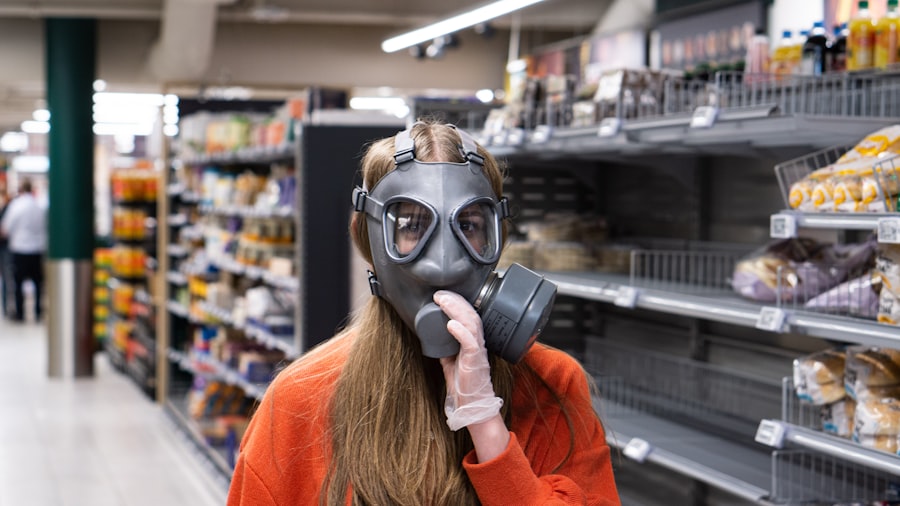
The journey of bathroom chemicals does not end once they are rinsed down the drain. These substances enter wastewater systems, ultimately impacting aquatic ecosystems and potentially re-entering the human food chain.
Pharmaceutical Residues and Endocrine-Disrupting Chemicals
Many personal care products and pharmaceuticals, including hormones from birth control pills, antibiotics, and antidepressants, are excreted by the body or rinsed off in the shower. Wastewater treatment plants are not always equipped to fully remove these complex organic compounds. As a result, pharmaceutical residues and endocrine-disrupting chemicals (EDCs) can persist in treated wastewater, entering rivers, lakes, and oceans.
Impact on Aquatic Life
The presence of EDCs in aquatic environments has raised significant concerns about their effects on fish and other wildlife. Studies have documented feminization of male fish, altered reproductive cycles, and reduced fertility in aquatic organisms exposed to trace levels of these substances. This disruption of endocrine systems can have cascading effects on population dynamics and ecosystem health. The metaphor of a hidden current, silently altering the course of nature, aptly describes the subtle but profound influence of these persistent pollutants.
Bioaccumulation in the Food Chain
Certain chemicals, especially those that are persistent and lipophilic (fat-loving), can bioaccumulate in organisms over time. As these organisms are consumed by predators, the concentration of these chemicals can increase at higher trophic levels, a process known as biomagnification. This phenomenon poses a potential risk to top predators, including humans, who consume contaminated seafood.
Strategies for a Safer Bathroom: Navigating the Chemical Labyrinth
Navigating the complex landscape of bathroom chemicals requires a conscious and proactive approach. By adopting informed purchasing habits and implementing practical changes, individuals can significantly reduce their exposure to potentially harmful substances.
To create a healthier bathroom environment, it’s essential to be mindful of the products we use daily. Many common items, such as shampoos and cleaning agents, can contain toxic chemicals that may pose risks to our health. For tips on how to avoid these harmful substances, you can check out this informative article that provides practical advice on selecting safer alternatives. By making small changes, you can significantly reduce your exposure to toxins and promote a cleaner, safer space. For more insights, visit this article that discusses effective strategies for minimizing chemical exposure in your home.
Deciphering Product Labels: The Language of Ingredients
Understanding product labels is crucial for making informed choices. Manufacturers are legally required to list ingredients, but the terminology can often be opaque and confusing.
Identifying Key “Avoid” Ingredients
Consumers should familiarize themselves with the names of common problematic chemicals. This includes parabens, phthalates (often listed as “fragrance” in cleaning products), sulfates (SLS, SLES), formaldehyde-releasers, triclosan, and synthetic musks. Websites and organizations dedicated to product safety often provide comprehensive lists and guidance. The process of learning these names is akin to acquiring a new dialect, enabling one to deconstruct the hidden narratives of product formulations.
Seeking Third-Party Certifications
Various third-party certifications indicate that products meet specific environmental and health standards. Labels such as “EWG Verified” (Environmental Working Group), “USDA Organic” (for certain personal care products), and “Safer Choice” (EPA) can serve as reliable indicators of reduced chemical risk. These certifications are often backed by rigorous testing and transparent ingredient disclosure.
Embracing Natural and DIY Alternatives
Many effective and safe alternatives exist for common bathroom products, leveraging the power of natural ingredients.
Vinegar and Baking Soda for Cleaning
White vinegar and baking soda are versatile and non-toxic cleaning agents. Vinegar, an acetic acid solution, is excellent for cutting grease, dissolving mineral deposits (like hard water stains), and acting as a mild disinfectant. Baking soda (sodium bicarbonate) is an effective abrasive for scrubbing, an odor absorber, and a mild alkali that can neutralize acids. A simple solution of vinegar and water can replace many all-purpose and glass cleaners, while a paste of baking soda and water can tackle tough grout and tub stains. This approach simplifies the chemical inventory, reducing the risk of accidental hazardous mixtures.
Essential Oils for Fragrance and Disinfection
Pure essential oils, derived from plants, can be used to add natural fragrance to cleaning solutions or as components in homemade personal care products. Some essential oils, such as tea tree oil, lavender, and eucalyptus, possess natural antimicrobial properties. However, caution is necessary, as essential oils are potent and should be used diluted, and individuals with allergies or sensitivities should exercise care. They are not direct replacements for medical disinfectants but can contribute to
a fresher and cleaner environment without synthetic chemicals.
Castile Soap for Versatile Cleaning
Castile soap, an olive oil-based soap, is a biodegradable and non-toxic concentrate that can be diluted for various cleaning tasks, from body wash to floor cleaner. Its gentle formulation makes it suitable for sensitive skin and a versatile component in a minimalist, eco-conscious cleaning regimen.
Enhancing Ventilation and Air Quality
Proper ventilation is paramount in mitigating indoor air pollution caused by chemical off-gassing and aerosols.
Maximizing Air Circulation
Using exhaust fans during and after showering or cleaning is essential for removing moisture and airborne chemicals. Opening windows and doors, when weather permits, provides cross-ventilation, flushing out stale air and introducing fresh outdoor air. For spaces without adequate natural ventilation, a portable air purifier with a HEPA filter and activated carbon specific for VOCs can be beneficial. Consider the bathroom as a miniature ecosystem where stagnation allows pollutants to accumulate, while airflow represents the cleansing breath it needs.
Avoiding Air Fresheners
Synthetic air fresheners, whether sprays, plug-ins, or gels, primarily mask odors by releasing a plethora of VOCs and synthetic fragrances. Many contain phthalates and other respiratory irritants. Instead, address the source of odors, ensure proper ventilation, and consider natural alternatives like essential oil diffusers (used sparingly) or bowls of baking soda.
Mindful Personal Care Practices
Thoughtful choices in personal care products can significantly reduce daily chemical exposure.
Choosing “Free-From” Formulations
Opt for products explicitly labeled “paraben-free,” “phthalate-free,” “sulfate-free,” and “fragrance-free.” While not always a guarantee of complete safety, these labels indicate an intentional effort by the manufacturer to exclude commonly recognized problematic ingredients.
Minimizing Product Use
A minimalist approach to personal care can also reduce chemical exposure. Evaluate the necessity of each product and consider consolidating steps where possible. For instance, a single gentle cleanser may suffice instead of separate face washes and body washes. The principle here is that less often means more safety and simplicity.
Supporting Eco-Friendly Brands
Research and support brands committed to transparency, sustainable sourcing, and the use of safer ingredients. Many companies are now prioritizing environmental and human health in their product development, offering a wider range of healthier choices.
The transformation of a bathroom into a safer, less toxic space is an ongoing journey of awareness and intentional choices. By understanding the common chemical culprits, scrutinizing product labels, embracing natural alternatives, and prioritizing ventilation, individuals can significantly reduce their exposure to potentially harmful substances. This endeavor extends beyond personal well-being, contributing to the broader goal of environmental protection and fostering a healthier planet for all. The bathroom, once a hidden chemical battlefield, can truly become the sanctuary it is intended to be—a place of cleanliness, health, and tranquility.
WATCH NOW ▶️STOP Using These 50 Bathroom Products (Banned In Europe!)
FAQs
What are common toxic chemicals found in bathroom products?
Common toxic chemicals in bathroom products include parabens, phthalates, formaldehyde, triclosan, and sodium lauryl sulfate. These substances can be found in shampoos, soaps, toothpaste, and cleaning products.
How can I identify toxic chemicals on product labels?
Look for ingredients such as parabens (methylparaben, propylparaben), phthalates (often listed as fragrance or parfum), formaldehyde-releasing preservatives, triclosan, and sulfates. Reading labels carefully and choosing products labeled as “paraben-free,” “phthalate-free,” or “natural” can help avoid these chemicals.
Are natural or organic bathroom products safer alternatives?
Natural or organic products often avoid synthetic toxic chemicals, but it is important to verify certifications and ingredient lists. Some natural ingredients can also cause allergies or sensitivities, so choose products that suit your skin type and needs.
What steps can I take to reduce exposure to toxic chemicals in the bathroom?
Use fragrance-free or naturally scented products, avoid aerosol sprays, ventilate the bathroom well, and opt for products with transparent ingredient lists. Regularly cleaning with non-toxic, eco-friendly cleaners also reduces chemical exposure.
Can toxic chemicals in bathroom products affect health?
Yes, prolonged exposure to certain toxic chemicals can cause skin irritation, hormonal disruptions, respiratory issues, and other health problems. Minimizing exposure by choosing safer products helps protect overall health.