Here are your recommendations for PFAS-free cookware, written in the second person with a factual, Wikipedia-like style, and exceeding 1,500 words.
You’ve likely encountered discussions about “forever chemicals,” and PFAS (per- and polyfluoroalkyl substances) are a significant part of that conversation. These synthetic compounds, known for their water- and grease-repellent properties, have been utilized in a wide array of consumer products, including non-stick cookware, for decades. However, their persistence in the environment and potential health implications have spurred a growing demand for alternatives. This guide is designed to equip you with the knowledge to navigate the market and select cookware that aligns with your health and environmental concerns.
What are PFAS?
PFAS represent a broad class of chemicals. Their molecular structure, characterized by strong carbon-fluorine bonds, renders them exceptionally stable and resistant to degradation. This very resilience, while beneficial in certain industrial applications, is what causes them to persist in the environment and within living organisms. They do not break down easily, hence the moniker “forever chemicals.”
Why is PFAS-Free Cookware Becoming a Priority?
The widespread use of PFAS has led to their detection in soil, water, and even human blood. Research into their health effects is ongoing, but studies have linked certain PFAS to a range of adverse outcomes. These include potential impacts on the immune system, thyroid function, cholesterol levels, and an increased risk of certain cancers. Because cookware is a direct interface with the food you consume daily, the presence of PFAS in non-stick coatings has become a focal point for health-conscious consumers. The desire for food prepared without the potential introduction of these persistent chemicals is a driving force behind the shift towards PFAS-free options.
Navigating the Cookware Landscape
The cookware market is a diverse ecosystem, offering a plethora of materials, designs, and functionalities. As you seek to transition away from PFAS-containing products, understanding the characteristics of different PFAS-free materials is paramount. This knowledge will serve as your compass in charting a course towards informed purchasing decisions.
If you’re looking for safe cooking options, you might find our article on PFAS-free cookware recommendations particularly helpful. It provides insights into the best alternatives to traditional non-stick cookware that often contains harmful chemicals. For more information, you can check out the article here: PFAS-Free Cookware Recommendations.
Ceramic Cookware: A Popular PFAS-Free Alternative
Ceramic cookware has risen to prominence as a widely accessible and often budget-friendly PFAS-free option. These pans typically feature a metal base (often aluminum or stainless steel) coated with a ceramic glaze, usually derived from sand. The manufacturing process of traditional ceramic coatings is generally less chemically intensive than those involving PFAS.
The Allure of Ceramic Coatings
The appeal of ceramic cookware lies in its often non-stick capabilities and its perceived health benefits. Many consumers find that food releases relatively easily from well-maintained ceramic surfaces. Furthermore, the absence of PTFE and PFOA (two common PFAS chemicals) in the coating itself is a significant draw.
Considerations for Ceramic Durability and Performance
While ceramic cookware offers a compelling PFAS-free alternative, it’s crucial to approach it with a nuanced understanding of its performance over time. The non-stick properties of ceramic coatings can degrade with use, particularly if not cared for properly.
Maintaining the Non-Stick Surface
- Gentle Cleaning is Key: Avoid abrasive scrubbers, steel wool, or harsh detergents. A soft sponge or cloth with mild dish soap is generally sufficient for cleaning.
- Avoid Extreme Temperature Changes: Rapid cooling of a hot ceramic pan can lead to thermal shock, potentially causing cracks or compromising the coating. Allow the pan to cool gradually.
- Use Low to Medium Heat: Ceramic coatings often perform best at lower temperatures. High heat can accelerate wear and tear and may lead to food sticking more readily.
- Seasoning (for some models): Some ceramic pans benefit from a light oil seasoning, similar to cast iron, to enhance their non-stick qualities and protect the surface. Refer to the manufacturer’s instructions.
Longevity and Replacement Cycles
Compared to some other materials like cast iron or high-quality stainless steel, ceramic cookware may have a shorter lifespan in terms of maintaining its optimal non-stick performance. You might find yourself needing to replace your ceramic pans more frequently than you would with more durable materials if you rely heavily on their non-stick capabilities for everyday cooking. Think of it as a reliable workhorse for a season, rather than an heirloom piece.
Representative Ceramic Cookware Brands (Examples)
While specific models and formulations can vary, several brands are recognized for offering ceramic cookware without PFAS. You will find offerings from manufacturers such as GreenPan, Caraway, and Rachael Ray (select lines). It is always advisable to verify the absence of PFAS directly on the product packaging or the manufacturer’s website.
Enameled Cast Iron: A Timeless and Toxin-Free Choice
Enameled cast iron cookware represents a fusion of robust traditional material with a protective, non-reactive coating. The core of these pans is cast iron, a material renowned for its exceptional heat retention and even heating capabilities. The enamel coating, a vitrified porcelain fused to the cast iron at high temperatures, serves to seal the porous iron, prevent rust, and offer a smooth, non-stick-like surface that is inherently PFAS-free.
The Enduring Appeal of Cast Iron’s Foundation
Cast iron itself is a material that has been a cornerstone of kitchens for generations. Its ability to absorb and evenly distribute heat translates to consistent cooking results, reducing the likelihood of hot spots that can burn food. This foundational property makes it an excellent vessel for braising, searing, and slow cooking.
The Role of the Enamel Coating
The enamel coating is the crucial element that makes this type of cookware a viable PFAS-free option for everyday cooking. It provides a barrier that prevents the reactive nature of cast iron from interacting with acidic foods, which can alter their flavor. Furthermore, unlike bare cast iron, enameled cast iron does not require the same level of seasoning and maintenance to prevent rust.
Understanding the Non-Stick Qualities
While not as inherently slick as a well-seasoned PTFE-coated pan, enameled cast iron can develop a natural patina over time and with proper use that enhances its food release. Certain cooking techniques, such as preheating the pan and using a moderate amount of fat, can further contribute to a non-stick experience.
Benefits of Enameled Cast Iron
- Exceptional Durability: When cared for correctly, enameled cast iron can last a lifetime, making it a true investment.
- Even Heat Distribution: The cast iron base ensures consistent temperatures across the cooking surface.
- Non-Reactive Surface: The enamel coating prevents metallic tastes and is safe for cooking acidic foods.
- Easy to Clean (relatively): While not dishwasher safe, it’s generally easier to clean than bare cast iron, as rust is not a concern.
- Aesthetically Pleasing: Enameled cast iron often comes in a variety of attractive colors, allowing it to transition from stovetop to dining table.
Maintenance and Care
- Avoid Metal Utensils (primarily): While the enamel is durable, prolonged use of sharp metal utensils can scratch the surface. Opt for wood, silicone, or heat-resistant plastic.
- Hand Wash Recommended: To preserve the integrity of the enamel, hand washing with warm, soapy water and a non-abrasive sponge is the preferred method.
- Address Stains Promptly: For stubborn food residues, a paste of baking soda and water can be effective. Avoid harsh abrasives.
- Avoid Extreme Temperature Fluctuations: Similar to ceramic, sudden temperature changes can stress the enamel.
Prominent Enameled Cast Iron Cookware Manufacturers
Leading brands in this category include Le Creuset and Staub, which are well-regarded for their high-quality enameled cast iron products. Lodge also offers a range of enameled cast iron pieces, often at a more accessible price point.
Stainless Steel Cookware: The Versatile Workhorse
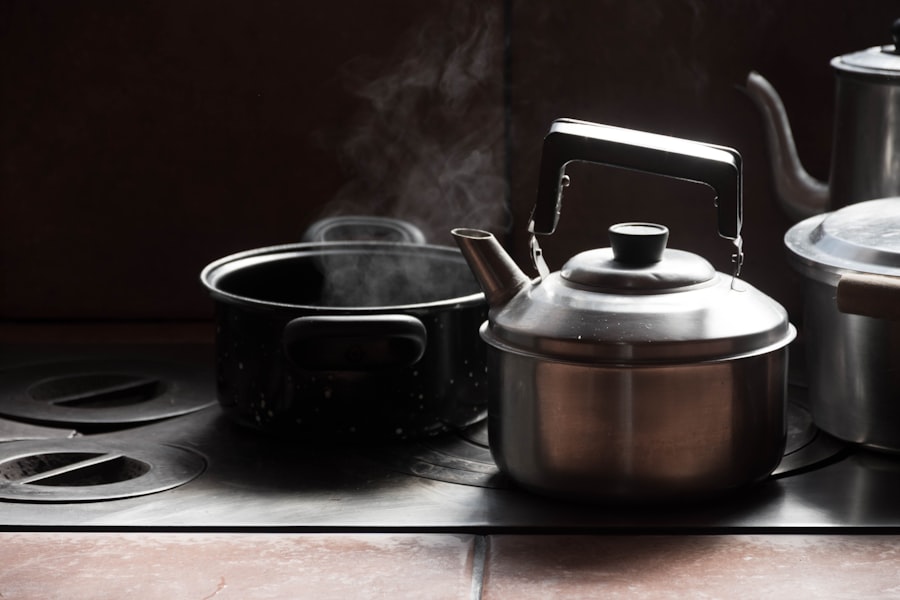
Stainless steel cookware is a steadfast presence in kitchens worldwide, and for good reason. Its inherent durability, resistance to rust and corrosion, and non-reactive nature make it an excellent choice for those seeking PFAS-free options. While not inherently non-stick, stainless steel offers a reliable and long-lasting cooking surface for a wide array of culinary tasks.
The Composition and Properties of Stainless Steel
Stainless steel is an alloy of iron, chromium, and often nickel. The chromium content is key to its resistance to staining and rust. The specific composition of the alloy (indicated by numbers like 18/8 or 18/10) influences its properties. For cookware, a blend that balances durability, heat conductivity, and resistance to corrosion is typically employed.
Understanding the Heat Transfer
A common misconception is that all stainless steel cookware heats evenly. While the stainless steel itself has moderate heat conductivity, the performance of the pan is significantly enhanced by layered construction. Many high-quality stainless steel pans feature an aluminum or copper core sandwiched between layers of stainless steel. This conductive core acts as a heat bridge, distributing heat more efficiently and uniformly across the cooking surface, thus mitigating the “hot spot” issue.
The Advantages of Stainless Steel for PFAS-Conscious Cooks
- Durability Beyond Compare: High-quality stainless steel cookware can withstand decades of use, becoming a reliable companion in your kitchen.
- Non-Reactive Surface: Unlike some other metals, stainless steel does not react with acidic ingredients, preserving the flavor of your food.
- Easy to Clean and Maintain: Generally dishwasher safe (though hand washing is often recommended for longevity) and resistant to scratching and pitting.
- Versatile for Various Cooking Techniques: Excellent for searing, sautéing, boiling, and deglazing.
- No Coating to Degrade: As there is no applied coating, there is no risk of PFAS or other chemicals leaching from a degraded surface.
Strategies for Achieving Non-Stick Performance with Stainless Steel
While stainless steel is not inherently non-stick, skilled use of the material can achieve excellent food release. This requires a slight adjustment in your cooking approach, viewing the pan not as a passive surface but as an active participant in the cooking process.
Mastering the “Preheat and Oil” Technique
- Preheat Thoroughly: This is the most critical step. Heat the empty pan over medium heat for several minutes until a drop of water sizzles and evaporates quickly. This ensures the metal is expanded and ready.
- Add Oil When Hot: Once the pan is preheated, add your cooking oil just before you add your food. The oil should shimmer.
- Don’t Crowd the Pan: Overcrowding can lower the pan’s temperature, causing food to steam rather than sear, and leading to sticking. Cook in batches if necessary.
- Allow for Searing: For proteins like fish or chicken, resist the urge to move them immediately. Let them develop a crust; they will release naturally when properly seared.
Leading Stainless Steel Cookware Brands
Renowned for their robust construction and performance, brands such as All-Clad, Cuisinart (select lines), and Calphalon (select lines) offer excellent PFAS-free stainless steel cookware. Look for options with layered cores for optimal heat distribution.
If you’re looking to make healthier choices in your kitchen, exploring options for PFAS-free cookware is essential. A related article that provides valuable insights and recommendations can be found here, where you can discover various brands and materials that prioritize safety and sustainability. Transitioning to PFAS-free cookware not only benefits your health but also contributes to a more eco-friendly lifestyle. For more information, check out the article on cookware recommendations.
Cast Iron Cookware: The Uncoated Classic
| Cookware Type | Material | Durability | Heat Conductivity | Maintenance | Recommended Brands | Notes |
|---|---|---|---|---|---|---|
| Non-Stick | Ceramic Coated | Moderate | Good | Hand wash recommended | GreenPan, Caraway | PFAS-free, but coating may wear over time |
| Cast Iron | Cast Iron | Very High | Excellent | Season regularly, avoid soap | Lodge, Le Creuset | Natural non-stick when seasoned, very durable |
| Stainless Steel | Stainless Steel | High | Moderate | Dishwasher safe | All-Clad, Cuisinart | PFAS-free, good for searing and browning |
| Carbon Steel | Carbon Steel | High | Excellent | Season regularly | Mauviel, Matfer Bourgeat | Similar to cast iron but lighter |
| Glass Cookware | Tempered Glass | Moderate | Poor | Dishwasher safe | Pyrex | Good for baking, not for stovetop cooking |
Bare cast iron cookware, a culinary heirloom for many, stands as a testament to lasting quality and natural material. It is fundamentally different from its enameled counterpart as it relies on a polymerized layer of oil, known as a “seasoning,” to create its non-stick properties. This seasoning is built up over time through repeated use and proper care, and it is inherently free of any synthetic coatings, including PFAS.
The Time-Tested Properties of Cast Iron
Cast iron’s primary strengths lie in its exceptional heat retention and ability to distribute heat evenly. Once heated, it maintains a consistent temperature, making it ideal for tasks that require prolonged, steady heat, such as searing steaks to perfection or simmering stews. Its robustness means it can withstand high temperatures and the rigors of oven use.
The Art and Science of Seasoning
The “seasoning” of cast iron is not a coating applied in a factory but a natural process. When oil is heated to its smoke point in the presence of cast iron, it undergoes a chemical change and bonds to the metal’s surface, creating a hard, smooth, and naturally non-stick layer. This layer is self-healing to a degree, meaning minor scratches can be re-seasoned over time.
Building and Maintaining the Seasoning
- Initial Seasoning (often done by manufacturers): Most cast iron pans sold today come pre-seasoned by the manufacturer. This is a good starting point.
- Regular Cooking is Key: The best way to maintain and improve the seasoning is to cook with it regularly, especially using fats and oils.
- Avoid Harsh Cleaning: Never use dish soap (especially if it’s a strong degreaser) or put cast iron in the dishwasher, as this will strip the seasoning.
- Gentle Cleaning After Use: After cooking, scrape out any food residue with a spatula or stiff brush under hot water. If needed, use a small amount of mild soap for tough spots, but ensure to rinse thoroughly and dry immediately.
- Drying and Oiling: Always dry cast iron thoroughly immediately after washing, preferably by placing it on a warm stovetop for a few minutes. Then, apply a very thin layer of cooking oil (like flaxseed, vegetable, or canola oil) to the entire surface with a paper towel, wiping away any excess.
- Re-Seasoning When Needed: If your cast iron appears dull, rusty, or food begins to stick excessively, it’s time for a more thorough re-seasoning. This typically involves coating the pan in oil and baking it in a hot oven for an extended period.
The Benefits of Uncoated Cast Iron
- Unparalleled Durability: Cast iron cookware can last for generations, becoming true family heirlooms.
- Excellent Heat Retention and Distribution: Provides consistent cooking temperatures.
- Natural Non-Stick Surface: As the seasoning builds, the pan becomes increasingly non-stick without chemical coatings.
- Adds Iron to Food: For individuals concerned about iron intake, cooking with cast iron can contribute trace amounts to the diet.
Leading Bare Cast Iron Cookware Brands
Iconic American brand Lodge is a ubiquitous and highly respected manufacturer of bare cast iron cookware, offering a wide range of pans, skillets, and Dutch ovens. Other brands like Field Company and Smithey Ironware also produce artisanal, high-quality cast iron pieces.
Beyond the Coating: Other PFAS-Free Material Options
While ceramic, enameled cast iron, stainless steel, and bare cast iron represent the most common and accessible PFAS-free cookware categories, other materials also warrant consideration, particularly for specific culinary applications. Understanding these alternatives expands your toolkit for a healthier kitchen.
Glass Cookware: Clarity and Inertness
Glass cookware, often made from tempered borosilicate or soda-lime glass, offers a completely inert cooking surface. This means it will not react with food in any way and is, by its nature, PFAS-free. It is also exceptionally easy to clean.
Considerations for Glass Cookware
- Heat Conduction: Glass is a poor conductor of heat, which can be a disadvantage for searing or quick sautéing. It excels in applications where gradual, even heating is desired, such as baking or simmering.
- Fragility: While tempered glass is durable, it is still more prone to shattering from impacts or extreme thermal shock than metal cookware.
- Stovetop Use Limitations: Many glass cookware items are designed for oven use only, or for specific stovetops (like electric or radiant glass tops) and may not be suitable for gas or induction. Always check manufacturer specifications.
Notable Glass Cookware Brands
Pyrex and Anchor Hocking are well-known for their oven-safe glass baking dishes and some stovetop-compatible options.
Porcelain Enamel on Steel Cookware: A Lighter Alternative
Similar in concept to enameled cast iron, porcelain enamel on steel cookware features a steel core coated with a vitreous enamel. It offers many of the benefits of enamel, such as a non-reactive surface and ease of cleaning, but is significantly lighter than cast iron.
Performance Characteristics
The heat distribution and retention will be less than that of cast iron or even heavy-gauge stainless steel. It is generally suitable for moderate heat cooking and baking.
PFAS-Free Assurance
As the enamel is a fused glass-like substance, it is inherently free of PFAS.
Stone and Stoneware Cookware: Natural and Slow Cooking
Cookware made from natural stone or stoneware often focuses on slow, even cooking. These materials are typically fired at high temperatures to create a durable, non-porous surface.
Application and Benefits
Stoneware is excellent for dishes that benefit from low, slow cooking, such as casseroles or baked goods. Its natural composition makes it PFAS-free.
Potential for Cracking
Like glass, stoneware can be susceptible to thermal shock and may crack if subjected to sudden temperature changes.
Making an Informed Decision for Your Kitchen
Choosing PFAS-free cookware is an ongoing process of understanding materials, manufacturing, and your own cooking habits. By equipping yourself with this knowledge, you are empowered to make selections that can contribute to a healthier home environment and a more sustainable future, one delicious meal at a time. Remember that “PFAS-free” signifies the absence of these specific chemicals in the materials used for the cooking surface. Always refer to manufacturer specifications to confirm their practices and product compositions.

WATCH NOW ▶️ WARNING: 50 Chemicals Banned Overseas (In Your Home)
FAQs
What does PFAS-free cookware mean?
PFAS-free cookware refers to pots, pans, and other cooking utensils that do not contain per- and polyfluoroalkyl substances (PFAS). These chemicals are often used in non-stick coatings but have raised health and environmental concerns due to their persistence and potential toxicity.
Why should I choose PFAS-free cookware?
Choosing PFAS-free cookware helps reduce exposure to potentially harmful chemicals linked to health issues such as hormone disruption and certain cancers. Additionally, PFAS-free options are often more environmentally friendly and safer for long-term use.
What materials are commonly used in PFAS-free cookware?
Common materials for PFAS-free cookware include stainless steel, cast iron, ceramic, glass, and anodized aluminum. These materials provide durability and good cooking performance without the need for chemical non-stick coatings.
How do I maintain PFAS-free cookware?
Maintenance depends on the material: cast iron requires seasoning and careful drying to prevent rust; stainless steel should be cleaned with non-abrasive cleaners; ceramic cookware should be handled gently to avoid chipping. Always follow the manufacturer’s care instructions for best results.
Are PFAS-free cookware options more expensive than traditional non-stick cookware?
PFAS-free cookware can vary in price. Some options like cast iron and stainless steel are often competitively priced, while high-quality ceramic or specialty cookware may be more expensive. However, investing in PFAS-free cookware can be cost-effective over time due to durability and health benefits.