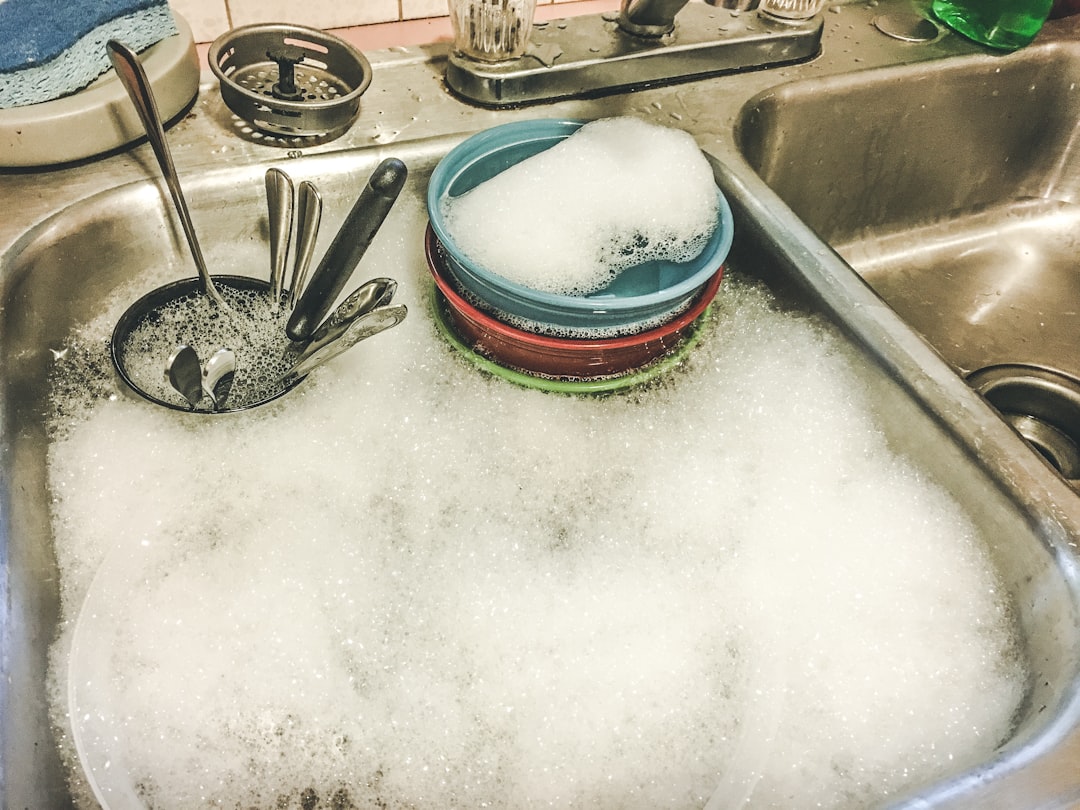
You meticulously load your dishwasher, each plate and utensil finding its designated spot. With a satisfied sigh, you toss a small, brightly colored pod into the machine, the promise of pristine dishes a comforting thought. You’ve likely chosen this convenient, pre-portioned solution for its perceived ease and effectiveness. However, lurking within those seemingly innocent, water-soluble packets are a complex array of chemicals, many of which you may not consciously consider. This article will pull back the curtain on the hidden toxins present in dishwasher pods, exploring their individual components, potential impacts on your health and the environment, and how you can navigate this chemical landscape with greater awareness.
You’re sold on the convenience – no measuring, no mess, just drop and go. This singular pod is a marvel of chemical engineering, designed to tackle grease, food residue, and hard water stains with a single application. But what exactly are you introducing into your home with each cycle? Understanding the core components of these pods is the first step in decoding their hidden chemical footprint.
Surfactants: The Grease-Cutting Workhorses
At the heart of every dishwasher pod lie surfactants, the unsung heroes responsible for lifting and emulsifying oils and greases. These molecules have a dual nature: one part attracts water (hydrophilic), and the other repels it (hydrophobic). This amphipathic quality allows them to latch onto grease particles and suspend them in the wash water, preventing them from redepositing onto your dishes.
Nonionic Surfactants: The Gentle Giants?
Many pods utilize nonionic surfactants, such as alcohol ethoxylates. These are generally considered less harsh than their ionic counterparts, meaning they are less likely to disrupt the delicate balance of your skin’s natural oils. However, their biodegradability can vary, and some can persist in the environment. The concern here isn’t a direct, immediate threat, but rather a slow accumulation, like a persistent hum in the background of an otherwise quiet room.
Anionic Surfactants: The Powerful Cleaners
Other pods may incorporate anionic surfactants, like linear alkylbenzene sulfonates (LAS). These are potent degreasers, offering robust cleaning power. While effective, they can be more irritating to the skin and eyes than nonionic surfactants. Imagine them as a powerful water jet; highly effective for blasting away tough grime, but capable of causing damage if misdirected.
Builders: The Water Softeners and pH Balancers
Dishwasher pods don’t just rely on surfactants; they also contain builders. These compounds play a crucial role in enhancing the effectiveness of the surfactants by softening hard water and maintaining an optimal pH for cleaning. Hard water, laden with minerals like calcium and magnesium, can hinder surfactant action and leave unsightly spots on your dishes.
Citrates and Phosphates (Historically): The Controversial Contributions
Historically, phosphates were widely used and highly effective builders. They were incredibly efficient at sequestering minerals in hard water. However, their significant contribution to eutrophication in waterways – the excessive growth of algae that depletes oxygen and harms aquatic life – led to their widespread restriction and removal from many laundry and dishwasher detergents. You might encounter them labeled as a historical footnote, a cautionary tale of unintended ecological consequences. Citrates, derived from citric acid, are a more environmentally friendly alternative, working by chelating (binding) the hard water minerals.
Zeolites: The Modern Mineral Solution
More contemporary formulations often employ zeolites, a class of aluminosilicate minerals. These porous materials effectively trap calcium and magnesium ions from the water, making the water softer and allowing the surfactants to perform their duties unimpeded. Think of zeolites as tiny, diligent sponges, soaking up the mineral invaders before they can disrupt the cleaning process.
Recent discussions about the hidden toxins in dishwasher pods have raised concerns among consumers regarding their safety and environmental impact. For a deeper understanding of this issue, you can read a related article that explores the potential hazards associated with these convenient cleaning products. To learn more about the hidden dangers and alternatives, visit this informative article.
Enzymes: The Biodegradable Biodigestors
Perhaps one of the most lauded ingredients in modern dishwasher pods is the inclusion of enzymes. These biological catalysts are a biodegradable marvel, specifically designed to break down stubborn food particles. They are essentially nature’s tiny demolition crews, targeting specific types of grime.
Protease: The Protein Powerhouse
Protease enzymes are responsible for breaking down protein-based stains, such as those found in eggs, meat, and dairy. Without protease, these stains would cling stubbornly to your dishes, requiring more aggressive cleaning agents. This enzyme works like a molecular scissor, snipping apart long protein chains into smaller, more manageable pieces that can be easily washed away.
Amylase: The Starch Specialist
Amylase enzymes tackle starchy residues from foods like pasta, rice, and potatoes. They hydrolyze these complex carbohydrates into simpler sugars, making them soluble in water. Imagine amylase as a specialized pickaxe, chipping away at the stubborn starch structures.
Lipase: The Fat Fighter
Lipase enzymes are designed to break down fats and oils. By hydrolyzing triglycerides, they convert fats into glycerol and fatty acids, which are then emulsified and washed away by the surfactants. This enzyme is like a solvent, dissolving and dispersing greasy films.
The inclusion of enzymes represents a shift towards more targeted and environmentally conscious cleaning. However, it’s worth noting that while enzymes themselves are biodegradable, the other components within the pod, along with the byproducts of their enzymatic action, still warrant consideration.
Bleaching Agents: The Stain Erasers

To combat tough stains and ensure a sparkling finish, dishwasher pods frequently incorporate bleaching agents. These chemicals work by oxidizing colored compounds, rendering them invisible or significantly lighter.
Oxygen Bleach: The Gentler Warrior
The most common type of bleach used in dishwasher pods are oxygen-based bleaches, such as sodium percarbonate. When exposed to water, sodium percarbonate decomposes into hydrogen peroxide and sodium carbonate. Hydrogen peroxide is a mild oxidizing agent that effectively breaks down stains without the harshness associated with chlorine bleaches. Think of it as a controlled chemical reaction designed to neutralize color.
The Peroxide Power: Effectiveness and Potential Downsides
Oxygen bleaches are highly effective at removing tea, coffee, and wine stains. The sodium carbonate component also contributes to the alkalinity of the wash water, further aiding in grease removal. However, prolonged exposure to even mild oxidizing agents can, in theory, contribute to material degradation over time, although this is less of a concern for typical dishware compared to delicate fabrics. The primary concern with bleaching agents often lies in their potential to irritate skin and eyes if the pods are handled improperly or if residue remains on dishes.
Fragrances and Dyes: The Sensory Deception

You might associate that clean smell and vibrant appearance with effective cleaning power. Dishwasher pods often contain synthetic fragrances and dyes, which contribute to the sensory experience of using the product. However, these seemingly innocuous additions can harbor their own set of concerns.
The Allure of Aroma: Unveiling Synthetic Fragrances
The scents you detect in freshly washed dishes are often the result of complex blends of synthetic chemicals. These fragrances are not merely for pleasantness; they are designed to mask any underlying chemical odors and to impart a sense of “freshness” and “cleanliness.” The problem is that the exact chemical composition of these fragrance blends is often proprietary, making it difficult to ascertain precisely what you are being exposed to.
Allergens and Irritants: The Hidden Harshness
Many fragrance components are known allergens or irritants. For individuals with sensitive skin or respiratory conditions, exposure to these synthetic scents can trigger reactions ranging from mild skin rashes to more severe asthma exacerbations. The chemicals can become airborne during the washing cycle, creating an invisible cloud of potential irritants in your kitchen. You might unknowingly invite these airborne guests into your home with every wash.
Endocrine Disruptors: The Insidious Influence?
Some research has raised concerns about certain fragrance chemicals acting as endocrine disruptors, meaning they can interfere with the body’s hormone system. While the concentrations in a single dishwasher pod might be low, the cumulative exposure from various household products containing synthetic fragrances is an area of ongoing scientific investigation.
The Spectrum of Color: Dyes and Their Implications
Similarly, the vibrant colors of dishwasher pods are achieved through the addition of synthetic dyes. These dyes primarily serve a cosmetic purpose, making the pods visually appealing and distinct. However, like fragrances, some synthetic dyes have been linked to potential health concerns, including allergic reactions and, in some cases, more serious long-term effects.
Potential for Residue: Beyond the Visual
While the water-soluble casing should dissolve, there’s always a possibility of residual dye remaining on dishes, especially if the wash cycle isn’t fully effective or if the pods are used in older or less efficient machines. This residue, though unlikely to be visible, can be a source of concern for those particularly sensitive to chemical exposure.
Recent studies have raised concerns about hidden toxins in dishwasher pods, highlighting the potential health risks associated with their use. Many consumers are unaware that these convenient cleaning products may contain harmful chemicals that can leach into food and affect indoor air quality. For more insights on this topic, you can read a related article that delves deeper into the issue of household cleaning products and their safety. To learn more, visit this informative article.
Environmental Impact: The Wake of the Wash
| Toxin | Common Source in Dishwasher Pods | Potential Health Effects | Typical Concentration Range | Regulatory Status |
|---|---|---|---|---|
| Phosphates | Water softening agents | Environmental eutrophication; skin irritation | 5-15% | Restricted in some regions |
| Nonylphenol Ethoxylates (NPEs) | Surfactants | Endocrine disruption; aquatic toxicity | 0.1-2% | Banned or restricted in EU |
| Fragrances | Added scents | Allergic reactions; respiratory issues | Trace to 1% | Generally recognized as safe but not fully disclosed |
| Chlorine Compounds | Bleaching agents | Respiratory irritation; skin burns | 1-5% | Regulated with usage limits |
| Phthalates | Plasticizers in pod packaging | Hormone disruption; reproductive toxicity | Trace amounts | Restricted in children’s products |
| Triclosan | Antibacterial agents (less common) | Antibiotic resistance; endocrine disruption | Trace to 0.3% | Banned in some countries |
Beyond the immediate concerns for your household, the chemicals within dishwasher pods embark on a journey once they’ve served their purpose. Their impact on the environment is a significant aspect of their hidden toxicity.
Waterways Contamination: The Journey Down the Drain
As the wash water drains from your dishwasher, it carries with it the dissolved chemicals from the pods. Surfactants, builders, and their byproducts enter the municipal wastewater system. While wastewater treatment plants are designed to remove many pollutants, they are not always equipped to completely neutralize all chemical compounds.
Eutrophication and Aquatic Life: The Unseen Damage
As mentioned earlier, phosphates, which are largely phased out but were once prevalent, are a prime example of how detergent ingredients can contribute to eutrophication. Even without phosphates, other chemicals can disrupt the delicate ecological balance of rivers, lakes, and oceans, impacting aquatic life and ultimately the broader ecosystem. The ripple effect of these chemicals can extend far beyond your immediate surroundings.
Biodegradability: A Complex Equation
While enzymes are lauded for their biodegradability, the same cannot be said for all components of dishwasher pods. Several synthetic chemicals, particularly certain surfactants and fragrance compounds, can be slow to break down in the environment. This persistence means they can accumulate in waterways and sediment, potentially posing long-term risks to wildlife and even making their way back into drinking water sources.
Microplastics and Packaging: The Unseen Footprint
Beyond the chemical content, the packaging of dishwasher pods can also contribute to environmental concerns. While many pods feature water-soluble casings, the outer packaging and any necessary separating layers for different compartments within the pod can still add to plastic waste if not properly managed. The production and disposal of these materials have their own environmental footprint.
Navigating the Chemical Landscape: Your Path to Safer Choices
Understanding the potential hidden toxins in dishwasher pods empowers you to make more informed decisions about the products you bring into your home. It’s not about eliminating convenience entirely, but about approaching it with a discerning eye.
Transparency and Labeling: Demanding Clarity
The lack of full ingredient disclosure on many household cleaning products, including dishwasher pods, is a significant barrier to informed consumerism. You are often left guessing about the exact chemical cocktail you are using. Advocating for greater transparency in ingredient labeling from manufacturers is a crucial step. Look for brands that are willing to provide more detailed information about their product formulations.
Exploring Eco-Friendly Alternatives: The Conscious Consumer
The market for eco-friendly and natural cleaning products is growing. You can find dishwasher detergents in powder or liquid forms that utilize plant-derived ingredients and are free from synthetic fragrances and dyes. While these alternatives may require a slight adjustment in application, they offer a significant reduction in your exposure to potentially harmful chemicals and a lighter footprint on the environment.
DIY Solutions: The Return to Simplicity
For those inclined towards a more hands-on approach, DIY dishwasher detergent recipes exist. These often involve basic ingredients like washing soda, borax, and citric acid. While these might not offer the same level of convenience as pre-portioned pods, they provide complete control over the ingredients used and can be a cost-effective and environmentally sound option.
Understanding Your Own Sensitivities: Listening to Your Body
Pay attention to how your body reacts to scented products and cleaning chemicals. If you experience headaches, skin irritation, or respiratory issues after using conventional dishwasher pods, it’s a strong signal to explore alternatives. Your personal well-being is a vital indicator in navigating the chemical landscape.
Ultimately, the “hidden toxins” in dishwasher pods are not inherently malicious agents plotting against you. They are the result of chemical formulations designed for efficiency and cost-effectiveness. By becoming a more informed consumer, you can choose the products that align with your health and environmental values, ensuring that your pursuit of a clean home doesn’t come at an unacknowledged cost.

WATCH NOW ▶️ WARNING: 50 Chemicals Banned Overseas (In Your Home)
FAQs
What are the common hidden toxins found in dishwasher pods?
Dishwasher pods often contain chemicals such as phosphates, chlorine bleach, fragrances, and surfactants, which can be harmful if ingested or if they come into prolonged contact with skin.
How can hidden toxins in dishwasher pods affect health?
Exposure to these toxins can cause skin irritation, respiratory issues, and in severe cases, poisoning if ingested. Some chemicals may also contribute to allergic reactions or exacerbate asthma symptoms.
Are dishwasher pods safe to use around children and pets?
Dishwasher pods can be dangerous if swallowed by children or pets due to their concentrated chemicals. It is important to store them out of reach and handle them with care to prevent accidental ingestion.
Do dishwasher pods release toxins into the environment?
Yes, some ingredients in dishwasher pods, such as phosphates and certain surfactants, can contribute to water pollution and harm aquatic life when they enter waterways through wastewater.
How can consumers reduce exposure to hidden toxins in dishwasher pods?
Consumers can choose pods labeled as phosphate-free, fragrance-free, or made with biodegradable ingredients, and always follow usage instructions carefully. Additionally, wearing gloves when handling pods can minimize skin contact.