
You lie down after a long day, seeking refuge in the soft embrace of your memory foam mattress. It conforms to your body, promises restorative sleep, and has, for many, become synonymous with comfort. But beneath that plush surface, there’s a complex chemical cocktail, an unseen army of compounds that could be silently undermining your well-being. This article will guide you through the less-discussed realities of memory foam, unveiling the potential health implications lurking within its very structure. Consider yourself a detective, and your mattress, a crime scene where the evidence is subtle but potentially significant.
Memory foam, scientifically known as viscoelastic polyurethane foam, is a synthetic material derived from petrochemicals. Its unique properties – its ability to mold to your body and slowly return to its original shape – stem from its specific formulation.
The Polyurethane Backbone
The core of memory foam is polyurethane. This polymer is created through a chemical reaction between polyols and diisocyanates, often in the presence of various additives and blowing agents. You might recognize polyurethane from other applications, such as insulation, coatings, and car parts. While versatile, the raw materials and manufacturing process raise some health concerns.
The Off-Gassing Phenomenon
Upon opening a new memory foam mattress, you often encounter a distinct, chemical odor. This is known as “off-gassing,” the release of volatile organic compounds (VOCs) into the air. Think of it as a new car smell, but potentially more pervasive and enduring. These VOCs are byproducts of the manufacturing process and can continue to be released for weeks, months, or even longer after the mattress has been unwrapped.
Recent studies have raised concerns about the presence of toxic chemicals in memory foam mattresses, which can potentially affect indoor air quality and overall health. For a deeper understanding of this issue, you can read a related article that explores the various harmful substances found in these mattresses and their implications for consumers. To learn more, visit this informative article.
A Chemical Inventory: Identifying the Culprits
The list of potential chemicals involved in memory foam production is extensive. While manufacturers have made strides in reducing some of the more egregious compounds, a multitude still remain. It’s like a crowded room, and you’re trying to identify the individuals who might be causing trouble.
Formaldehyde: The Preservative with a Dark Side
Formaldehyde is a well-known VOC often used in industrial resins and as a preservative. It’s a suspected human carcinogen and can cause respiratory irritation, skin sensitization, and eye problems. While its presence in memory foam has been a point of contention, some products may still contain residual amounts or release it as a byproduct of other chemical reactions. You wouldn’t want it in your food, so why tolerate it in your bed?
Benzene and Naphthalene: Aromatic Hydrocarbons of Concern
Benzene, a known human carcinogen, and naphthalene, a suspected carcinogen, are other VOCs that have been detected in memory foam products. These compounds are commonly found in industrial solvents and can have adverse effects on the central nervous system, blood, and respiratory system. Imagine breathing in fumes from a distant oil refinery, but on a smaller, more intimate scale, every night.
TDI (Toluene Diisocyanate) and MDI (Methylene Diphenyl Diisocyanate): The Isocyanate Residues
Diisocyanates, particularly toluene diisocyanate (TDI) and methylene diphenyl diisocyanate (MDI), are crucial components in the production of polyurethane. While they are reacted to form the polymer, residual unreacted isocyanates can be present in finished products. These compounds are potent respiratory sensitizers and can cause asthma-like symptoms, skin irritation, and other allergic reactions. For some, even low levels can trigger significant responses, much like a tiny spark can ignite a large fire.
Flame Retardants: A Necessary Evil?
To meet flammability standards, memory foam mattresses are often treated with flame retardant chemicals. Historically, this has included polybrominated diphenyl ethers (PBDEs), which are now largely phased out due to their persistence in the environment and links to developmental and hormonal issues. However, alternative flame retardants, such as chlorinated tris (TDCPP) and organophosphate compounds, have emerged. While intended to save lives, their long-term health effects are still under scrutiny. Think of it as a double-edged sword: protection from fire, but potential exposure to other risks.
The Health Spectrum: From Minor Irritations to Chronic Concerns
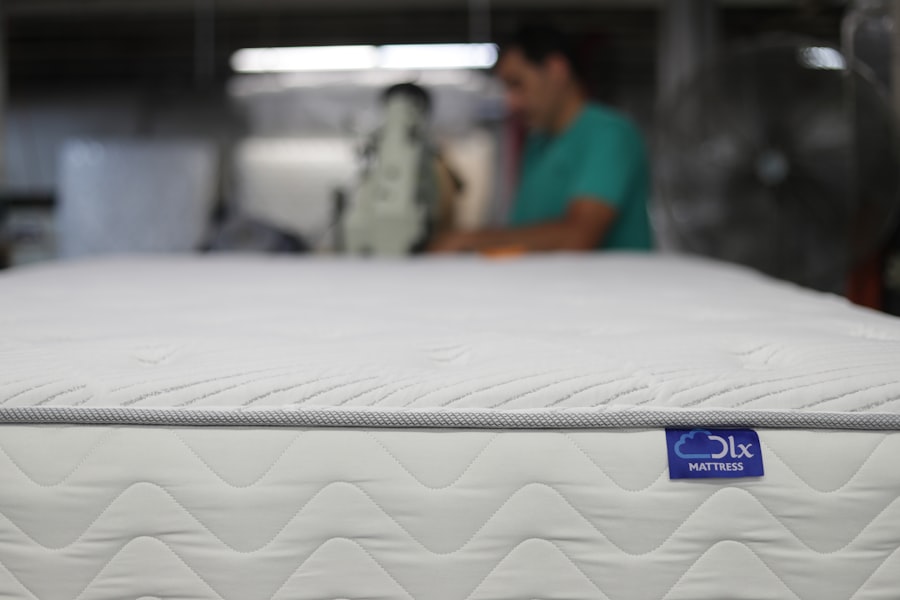
The impact of these airborne chemicals on your health can range from immediate, noticeable reactions to long-term, subtle effects. It’s like a slow drip, eventually filling a bucket, rather than an immediate flood.
Acute Reactions: The Immediate Red Flags
For some individuals, particularly those with chemical sensitivities or pre-existing respiratory conditions like asthma, exposure to VOCs from a memory foam mattress can trigger immediate symptoms. These include:
- Respiratory Irritation: Coughing, wheezing, shortness of breath, and nasal congestion are common. You might feel like you’re constantly catching a cold, but it’s the air around you that’s the culprit.
- Headaches and Nausea: The chemical odors can induce headaches, dizziness, and even nausea in sensitive individuals.
- Skin and Eye Irritation: Redness, itching, and burning sensations in the eyes and skin can occur upon contact with the off-gassing chemicals.
Chronic Exposure: The Long Game
The more insidious threat lies in chronic, low-level exposure. While the immediate symptoms may subside as the off-gassing diminishes, continuous exposure to sub-symptomatic levels of VOCs can have long-term consequences. This is where the analogy of a silent threat truly applies; you may not feel it, but it’s working.
- Respiratory System Impacts: Prolonged exposure to VOCs can contribute to the development or exacerbation of asthma, bronchitis, and other respiratory ailments.
- Neurological Effects: Some VOCs are neurotoxic and can impact cognitive function, leading to fatigue, difficulty concentrating, and mood disturbances. It’s like a subtle fog settling over your mental clarity.
- Endocrine Disruption: Certain flame retardants and other chemicals are known endocrine disruptors, meaning they can interfere with your body’s hormonal system. This interference can have wide-ranging effects on metabolism, reproduction, and development.
- Carcinogenic Potential: The presence of known or suspected carcinogens like formaldehyde and benzene raises concerns about increased cancer risk over a lifetime of exposure.
Mitigating the Risk: Navigating the Mattress Market

Given these potential concerns, what can you do to protect yourself? The good news is that you have options, and informed choices can significantly reduce your exposure. You are not powerless in this situation; you are an active participant in your health.
The Importance of Certification: Looking for the Labels
Just as you read food labels, you should scrutinize mattress certifications. These independent testing programs provide a level of assurance regarding chemical content and emissions.
- CertiPUR-US®: This certification program specifically addresses polyurethane foams. It certifies that the foam is made without ozone depleters, PBDEs, TDCPP, TCEP (Tris(2-carboxyethyl)phosphine), mercury, lead, and other heavy metals, formaldehyde, and phthalates regulated by the Consumer Product Safety Commission. It also sets limits on VOC emissions. Think of it as a seal of approval from a trusted third party.
- GREENGUARD Gold Certification: This certification goes further, testing products for low chemical emissions and requiring them to meet stringent third-party chemical emissions standards. It’s a comprehensive approach to indoor air quality.
- OEKO-TEX® Standard 100: While not exclusive to foam, this certification ensures that textile products are tested for harmful substances. If components of your mattress, like the cover, are certified, it adds another layer of safety.
Ventilation: Airing Out Your Investment
Regardless of certifications, new mattresses, especially memory foam, should be thoroughly aired out, or “off-gassed,” for several days or even weeks before use.
- An Open-Air Environment: If possible, unwrap the mattress and let it sit in a well-ventilated room with open windows.
- Fans for Expediency: Using fans can help circulate air and accelerate the off-gassing process.
- Outdoor Exposure (Carefully): Some individuals choose to air their mattress outdoors on a dry, sunny day, but this should be done with caution to avoid moisture damage or contamination from pollen or other allergens.
Exploring Alternatives: Beyond Viscoelastic
If the chemical profile of traditional memory foam remains a concern, consider alternative mattress types that offer similar benefits with different material compositions.
- Natural Latex Mattresses: Derived from the sap of rubber trees, natural latex is a durable, breathable, and supportive material. Look for certifications like GOLS (Global Organic Latex Standard) to ensure organic sourcing and processing.
- Organic Cotton and Wool Mattresses: These natural fiber mattresses offer breathability and comfort without synthetic foams or flame retardants. They are often inherently flame-resistant due to wool’s natural properties.
- Innerspring Mattresses with Natural Toppers: Traditional innerspring mattresses can be paired with natural toppers made from latex, wool, or organic cotton to achieve personalized comfort without extensive chemical exposure.
Concerns about toxic chemicals in memory foam mattresses have been increasingly highlighted in recent years, prompting consumers to seek safer alternatives for their sleep environment. A related article discusses the potential health risks associated with these mattresses, shedding light on the various harmful substances that may be present. For more information on this topic, you can read the article here: toxic chemicals in memory foam mattresses. Understanding these risks can help individuals make informed decisions when purchasing bedding products.
The Long-Term Perspective: Investing in Your Sleep and Health
| Toxic Chemical | Common Source in Memory Foam | Potential Health Effects | Typical Concentration Range | Regulatory Limits |
|---|---|---|---|---|
| Formaldehyde | Binder and adhesive resins | Respiratory irritation, asthma, carcinogen | 0.01 – 0.1 ppm (off-gassing) | 0.1 ppm (OSHA PEL) |
| Volatile Organic Compounds (VOCs) | Foam manufacturing and chemical additives | Headaches, dizziness, respiratory issues | 0.05 – 0.5 mg/m³ (indoor air) | Varies by compound, generally |
| Flame Retardants (e.g., TDCPP) | Added to meet fire safety standards | Endocrine disruption, neurotoxicity | Trace to 1000 ppm in foam | Restricted in some regions |
| Isocyanates | Used in polyurethane foam production | Respiratory sensitization, asthma | Trace amounts in cured foam | 0.02 ppm (OSHA PEL) |
| Phthalates | Plasticizers in foam and covers | Reproductive toxicity, endocrine disruption | Trace to 500 ppm | Restricted in children’s products |
Your mattress is not merely a piece of furniture; it’s an investment in your health and well-being. Considering that you spend approximately one-third of your life in bed, the quality of your sleep environment has profound implications. Choosing a mattress free from harmful chemicals is a proactive step towards safeguarding your respiratory system, hormonal balance, and overall health.
The journey of understanding memory foam can feel like navigating a complex maze of scientific terms and health claims. But by being informed, asking the right questions, and prioritizing certifications, you can make a choice that supports both your comfort and your long-term health. Don’t let the allure of immediate comfort overshadow the potential for silent, invisible threats. Your health is worth the extra scrutiny.

WATCH NOW ▶️ WARNING: 50 Chemicals Banned Overseas (In Your Home)
FAQs
What toxic chemicals are commonly found in memory foam mattresses?
Memory foam mattresses often contain chemicals such as polybrominated diphenyl ethers (PBDEs), formaldehyde, volatile organic compounds (VOCs), and phthalates. These substances are used in the manufacturing process for flame retardancy, durability, and flexibility.
Are the toxic chemicals in memory foam mattresses harmful to health?
Exposure to certain chemicals in memory foam mattresses, like VOCs and formaldehyde, can cause respiratory irritation, headaches, and allergic reactions in sensitive individuals. Long-term exposure to some flame retardants has been linked to more serious health concerns, but typical exposure levels from mattresses are generally low.
How can I reduce exposure to toxic chemicals in a memory foam mattress?
To minimize exposure, choose mattresses labeled as CertiPUR-US® certified or those made with natural or organic materials. Allow new mattresses to air out in a well-ventilated room for several days before use to reduce off-gassing of VOCs.
Do all memory foam mattresses contain toxic chemicals?
Not all memory foam mattresses contain harmful chemicals. Many manufacturers now produce low-VOC or chemical-free options that meet strict safety standards. It is important to check product certifications and ingredient disclosures before purchasing.
Is it safe to sleep on a memory foam mattress with toxic chemicals?
For most people, sleeping on a memory foam mattress with trace amounts of chemicals is considered safe, especially if the mattress meets safety certifications. However, individuals with chemical sensitivities or respiratory conditions should take extra precautions or consider alternative mattress types.