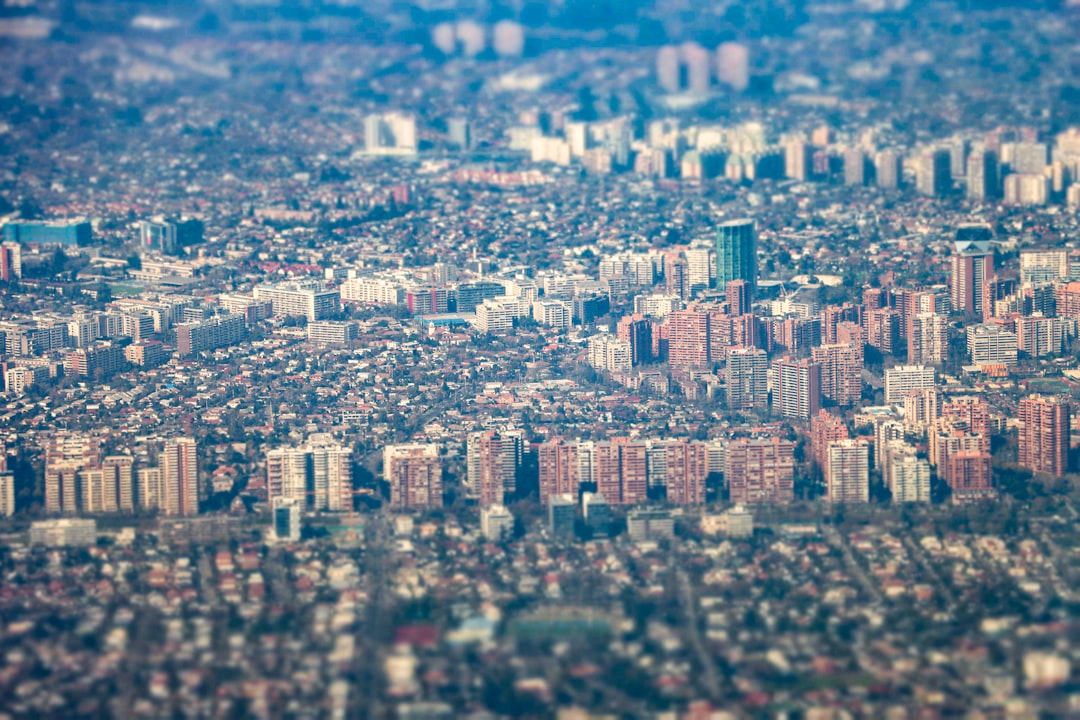
Urban development, a field encompassing the growth and planning of cities, stands at a pivotal juncture. As global populations increasingly concentrate in urban centers, the imperative for sustainable, resilient, and inclusive urban spaces intensifies. This article explores the multifaceted approaches and innovative strategies currently shaping the future of urban development, moving beyond traditional paradigms to embrace a more holistic and adaptive vision.
The rapid pace of urbanization presents both unprecedented challenges and significant opportunities. Historically, urban growth has often been characterized by haphazard expansion, leading to issues such as sprawl, strained infrastructure, and social inequity. However, a contemporary understanding recognizes the city not merely as a collection of buildings but as a complex, interconnected ecosystem.
Demutualization of Urban Planning
Traditional urban planning, frequently top-down and centrally controlled, is undergoing a profound transformation. There is a growing recognition of the value of participatory approaches, where residents, local businesses, and diverse stakeholders actively contribute to shaping their urban environment. This “demutualization” allows for a more nuanced understanding of community needs and aspirations, fostering a sense of ownership and collective responsibility.
- Community-Led Initiatives: Grassroots movements are increasingly influencing urban design and policy. Examples include community gardens transforming neglected lots into vibrant green spaces, and neighborhood associations advocating for pedestrian-friendly infrastructure. These initiatives demonstrate the power of local engagement in driving meaningful change.
- Digital Platforms for Engagement: Technology facilitates broader participation in urban planning. Online forums, crowdsourcing platforms, and virtual reality simulations allow citizens to visualize proposed developments and provide feedback, democratizing the planning process.
- Co-creation of Public Spaces: Instead of simply presenting finished plans, urban developers are increasingly involving communities in the co-creation of public spaces, from park designs to street furniture. This collaborative approach ensures that spaces are tailored to the specific needs and desires of their users.
The Urban-Rural Continuum
The traditional binary of “urban” and “rural” is diminishing. Modern urban development increasingly acknowledges the intricate dependencies between cities and their surrounding hinterlands. Food security, water management, and ecological conservation are often regional concerns that transcend administrative boundaries, necessitating a more integrated planning approach.
- Regional Planning Strategies: Collaborative regional planning initiatives are emerging to address shared challenges and leverage complementary strengths. This involves joint efforts in infrastructure development, resource management, and economic diversification across urban and rural areas.
- Protecting Green Belts and Agricultural Land: As cities expand, the preservation of green belts and productive agricultural land becomes crucial for ecological balance, local food supply, and recreation. Strategies include stricter zoning regulations and incentives for sustainable farming practices near urban centers.
- Interdependent Resource Management: Cities’ reliance on rural areas for resources like water and timber necessitates integrated resource management plans that consider the environmental impact on both sides. This ensures long-term sustainability for the entire region.
Urban development is a multifaceted topic that encompasses various aspects of city planning, infrastructure, and community growth. A related article that delves into innovative approaches to sustainable urban development can be found at Hey Did You Know This. This resource explores how cities around the world are implementing green technologies and smart planning strategies to create more livable and environmentally friendly urban spaces.
Embracing Smart and Resilient Cities
The concept of the “smart city” has evolved beyond mere technological integration to encompass a broader vision of resilience and sustainability. A truly smart city is one that intelligently adapts to environmental changes, social shifts, and economic uncertainties, much like a living organism responds to its surroundings.
Technological Innovations as Catalysts
Technology serves as a powerful toolkit for building smarter, more efficient urban environments. From real-time data analytics to interconnected sensor networks, these innovations empower cities to optimize operations and improve citizens’ quality of life.
- Internet of Things (IoT) for Infrastructure Management: IoT sensors embedded in infrastructure, such as traffic lights, waste bins, and utility networks, provide real-time data for optimizing services, reducing waste, and anticipating maintenance needs. This allows cities to operate with greater efficiency, much like a finely tuned machine.
- Artificial Intelligence (AI) for Urban Planning: AI algorithms can analyze vast datasets to identify patterns, predict future trends, and simulate the impact of different urban interventions. This data-driven approach empowers planners to make more informed decisions, moving beyond intuition alone.
- Big Data for Citizen Services: Aggregated and anonymized data from various sources can provide insights into citizen behavior and needs, enabling cities to tailor services, such as public transport routes or emergency response, more effectively.
Building Climate Resilience
As the effects of climate change intensify, urban areas are on the front lines, facing increased risks from extreme weather events, rising sea levels, and resource scarcity. Building resilience is no longer an optional add-on but a fundamental pillar of urban development.
- Green Infrastructure Solutions: Integrating natural systems into urban design, such as rain gardens, permeable pavements, and urban forests, helps manage stormwater, reduce the urban heat island effect, and enhance biodiversity. These natural systems act as the city’s immune system, strengthening its ability to withstand environmental shocks.
- Circular Economy Principles: Moving away from a linear “take-make-dispose” model, cities are embracing circular economy principles, where waste is minimized, resources are reused and recycled, and energy consumption is optimized. This approach transforms waste from a problem into a valuable resource, much like a meticulous chef utilizes every ingredient.
- Adaptive Urban Design: Designing buildings and infrastructure to be adaptable to changing climate conditions, such as rising sea levels or increased flood risks, is crucial. This includes flexible building codes, adjustable infrastructure, and modular construction techniques.
Fostering Inclusive and Equitable Urban Spaces
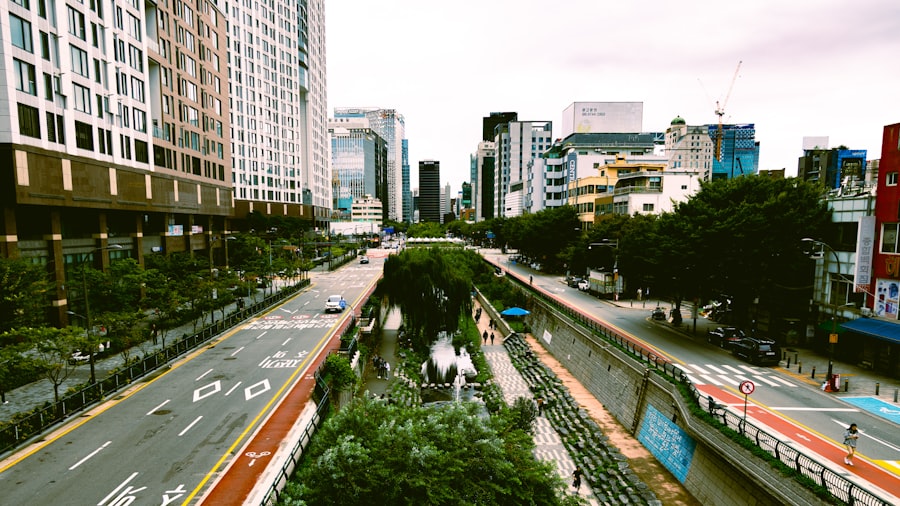
A truly successful urban environment is one that provides opportunities and a high quality of life for all its inhabitants, irrespective of their socio-economic background, age, or ability. The “city as a melting pot” metaphor holds true, but a stew needs to be well-stirred to ensure all its ingredients are distributed evenly.
Affordable Housing Crisis
The escalating cost of housing in many urban centers is a significant barrier to inclusivity, displacing lower-income residents and exacerbating social inequalities. Addressing this crisis requires multifaceted strategies that go beyond market-driven solutions.
- Diverse Housing Models: Promoting a range of housing options, including social housing, cooperative housing, and mixed-income developments, helps ensure affordability across different income brackets. This moves beyond the monolithic apartment block to a varied architectural landscape.
- Incentivizing Affordable Development: Governments can offer incentives to developers who include affordable housing units in their projects, such as tax breaks or expedited permitting processes. This encourages private sector involvement in addressing a public good.
- Rent Control and Regulation: In certain contexts, carefully implemented rent control measures and regulations can help stabilize housing costs and protect vulnerable tenants from predatory practices. This acts as a safety net, protecting those most susceptible to economic fluctuations.
Universal Design Principles
Designing urban spaces, buildings, and services to be accessible and usable by everyone, regardless of their physical or cognitive abilities, is central to fostering inclusivity. This is not about special provisions, but about inherent design that anticipates diverse needs.
- Accessible Public Transport: Ensuring that public transportation systems are fully accessible, with ramps, elevators, and clear signage, allows individuals with mobility challenges to navigate the city independently. This extends the city’s circulatory system to all its citizens.
- Barrier-Free Public Spaces: Designing public spaces with smooth pathways, tactile paving, and accessible seating creates environments where everyone can participate in civic life and leisure activities. This removes physical obstacles, allowing for unfettered movement.
- Inclusive Digital Services: Developing digital platforms and mobile applications for urban services that adhere to accessibility standards ensures that all citizens, including those with visual or hearing impairments, can access essential information and services.
Prioritizing Green and Blue Infrastructure

The integration of natural systems into the urban fabric is increasingly recognized as a foundational element of sustainable and livable cities. Green and blue infrastructure are not merely aesthetic enhancements; they perform vital ecological and social functions.
Enhancing Biodiversity in Urban Settings
Cities, often seen as concrete jungles, can be surprisingly rich in biodiversity. Intentional efforts to integrate natural habitats can contribute significantly to ecological health and offer numerous benefits to urban residents.
- Urban Forests and Tree Canopies: Planting and maintaining urban forests and street trees improves air quality, regulates temperatures, reduces noise pollution, and provides habitats for various species. These trees act as the lungs of the city, filtering pollutants and breathing life into urban spaces.
- Green Roofs and Walls: Installing green roofs and living walls on buildings helps insulate structures, reduce stormwater runoff, filter air, and create new habitats for insects and birds. These vertical gardens turn impervious surfaces into thriving ecosystems.
- Habitat Corridors: Creating interconnected green spaces, such as parks, riverbanks, and linear parks, forms “habitat corridors” that allow wildlife to move freely through the urban environment, promoting biodiversity. This creates a network of natural pathways within the urban labyrinth.
Water Management and Blue Spaces
Urban water systems, from rivers and canals to stormwater retention ponds, are critical components of a healthy city. Integrated water management strategies are essential for both ecological balance and urban resilience.
- Restoring Natural Waterways: Deculverting rivers and streams, restoring natural banks, and removing artificial barriers can revitalize urban waterways, improving water quality and creating recreational opportunities. This allows the city’s arteries to flow freely once more.
- Sustainable Drainage Systems (SuDS): Implementing SuDS, such as permeable pavements, rain gardens, and bioretention swales, manages stormwater at its source, reducing flood risk and recharging groundwater. These systems act as sponges, absorbing excess water and preventing overwhelm.
- Designing for Water Recreation: Incorporating features like urban beaches, swimming areas, and kayaking routes along rivers and lakes enhances the recreational value of blue spaces, fostering a deeper connection between residents and their aquatic environment.
Urban development is a dynamic field that continually evolves to meet the needs of growing populations and changing environments. One interesting aspect of this topic is the impact of sustainable practices on city planning, which can be explored further in a related article that discusses innovative strategies for eco-friendly urban growth. For more insights, you can read about it here. This exploration not only highlights the importance of green spaces but also emphasizes the role of community engagement in shaping vibrant urban landscapes.
The Future of Mobility and Connectivity
| Metric | Description | Typical Value / Range | Unit |
|---|---|---|---|
| Population Density | Number of people living per unit area | 1,000 – 10,000 | people per km² |
| Green Space Ratio | Percentage of urban area covered by parks and green spaces | 10% – 30% | percent |
| Public Transport Coverage | Percentage of urban area served by public transportation | 60% – 90% | percent |
| Average Commute Time | Average time residents spend commuting to work | 20 – 60 | minutes |
| Housing Affordability Index | Ratio of median house price to median household income | 3 – 7 | ratio |
| Urban Land Use Mix | Degree of mixed land use (residential, commercial, industrial) | 0.3 – 0.7 | index (0-1) |
| Energy Consumption per Capita | Average energy use per person in urban areas | 2,000 – 6,000 | kWh/year |
| Waste Recycling Rate | Percentage of urban waste that is recycled | 20% – 60% | percent |
The way people move within and between urban centers is undergoing a revolutionary transformation. The future of urban development is intrinsically linked to creating efficient, sustainable, and equitable transportation systems that cater to diverse needs and reduce environmental impact.
Decarbonizing Urban Transport
Addressing climate change requires a radical shift away from fossil fuel-dependent transportation. Urban development must prioritize strategies that promote low-carbon mobility options.
- Expansion of Public Transportation: Investing in and expanding efficient, reliable, and accessible public transportation networks, including metros, trams, and electric buses, is paramount. This creates a robust skeletal structure for urban movement, reducing reliance on individual vehicles.
- Promoting Active Travel: Designing cities to be walk-able and cycle-friendly, with dedicated infrastructure, safe crossings, and attractive routes, encourages active modes of transport, improving public health and reducing congestion. This allows the city’s veins and arteries to flow with human energy.
- Electric Vehicle Infrastructure: Developing extensive charging infrastructure for electric vehicles, both public and private, supports the transition to cleaner personal transportation options. This provides the necessary fuel for a greener fleet, much like a modern refueling station.
Integrated Mobility Solutions
The future of urban mobility lies in integrating various modes of transport into a seamless, interconnected system, offering citizens a wide array of convenient and sustainable choices.
- Mobility as a Service (MaaS): MaaS platforms integrate public transport, ride-sharing, bike-sharing, and other mobility options into a single, user-friendly app, allowing individuals to plan, book, and pay for their journeys efficiently. This functions as a sophisticated concierge for urban travel.
- Shared Mobility Schemes: Expanding car-sharing and bike-sharing programs reduces the need for private car ownership, freeing up urban space and reducing congestion. This encourages collective ownership and efficient utilization of resources.
- Autonomous Vehicles (AVs) and Urban Planning: While still in development, the advent of AVs has significant implications for urban design, from optimizing road networks to reimagining parking requirements. Urban planners must anticipate these changes, much like a chess player anticipates future moves.
In conclusion, the future of urban development hinges on a fundamental paradigm shift – from viewing cities as static entities to understanding them as dynamic, evolving ecosystems. By embracing participatory planning, technological innovation, climate resilience, social equity, natural integration, and sustainable mobility, cities can transform into vibrant, inclusive, and adaptive spaces that truly serve as the crucibles of human progress. The challenges are formidable, but the opportunities for creating better urban futures are equally vast, inviting collaboration and creative solutions from all who call these complex urban tapestries home.
FAQs
What is urban development?
Urban development refers to the process of improving and expanding cities and towns through planning, construction, and infrastructure enhancement to accommodate growing populations and economic activities.
What are the main goals of urban development?
The main goals include improving living standards, providing adequate housing, enhancing transportation systems, promoting economic growth, and ensuring sustainable use of resources.
What factors influence urban development?
Key factors include population growth, economic trends, government policies, technological advancements, environmental considerations, and availability of land and resources.
How does urban development impact the environment?
Urban development can lead to habitat loss, increased pollution, and higher energy consumption, but sustainable practices aim to minimize negative effects through green building, efficient public transport, and conservation efforts.
What role do governments play in urban development?
Governments typically regulate land use, provide infrastructure funding, enforce building codes, and create policies to guide sustainable and equitable urban growth.