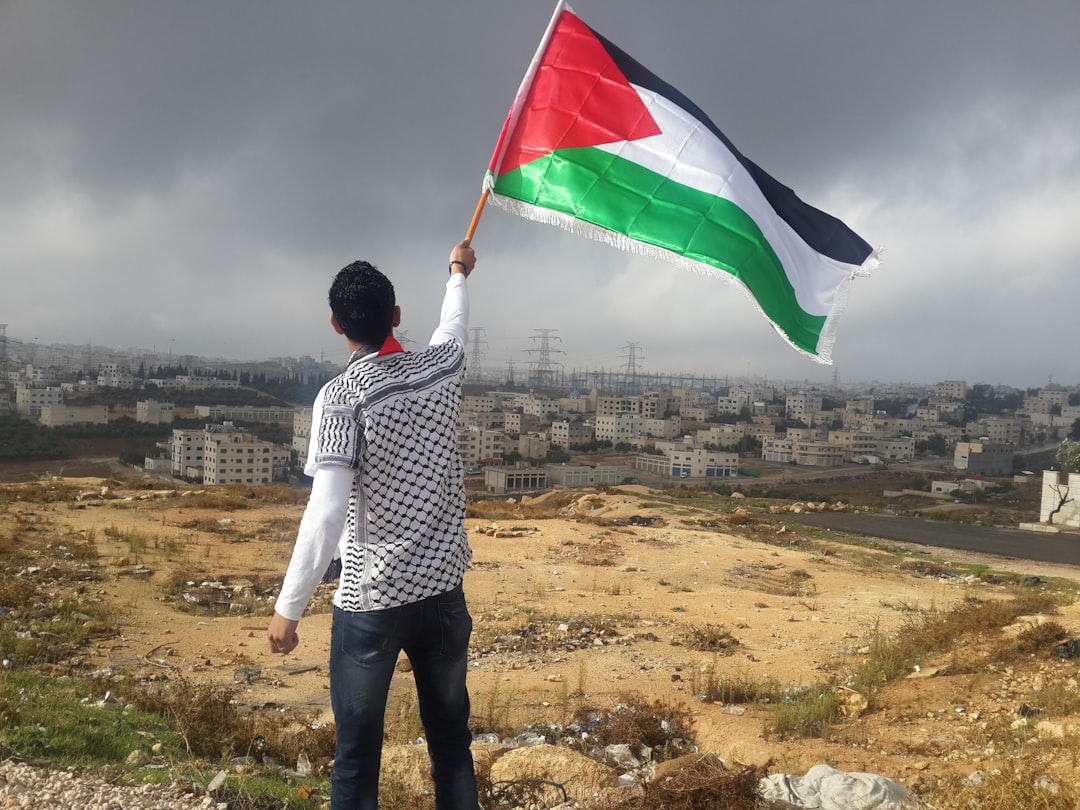
The historical trajectory of Jewish settlement in Palestine is a rich tapestry woven with threads of continuity, displacement, and demographic shifts. Understanding this intricate history requires careful consideration of various periods, from ancient times to the modern era, acknowledging the diverse motivations and impacts of these movements. This article endeavors to provide a comprehensive, fact-based overview, inviting the reader to critically engage with the evidence and complexities of this enduring narrative.
The land known as Palestine holds profound religious and historical significance for the Jewish people, often referred to as Eretz Israel (Land of Israel). Their connection to this territory spans millennia, anchored by biblical narratives and archaeological evidence.
The Israelite Kingdoms and Exile
The foundational narrative of Jewish presence in the land begins with the Israelite tribes, who established kingdoms such as Judea and Israel. These periods, described extensively in the Hebrew Bible, depict a sovereign Jewish presence, replete with cultural, religious, and political institutions. The First Temple, built in Jerusalem, stood as a central pillar of Jewish worship and national identity.
However, this sovereignty was not immutable. The Assyrian and Babylonian empires, through successive conquests, fractured and ultimately dismantled these kingdoms. The Babylonian exile, in particular, represented a significant rupture, with much of the Jewish population forcibly removed from their homeland. Yet, the memory of Zion and the aspiration for return remained a potent force, as evidenced by biblical texts like the Psalms.
The Second Temple Period and Roman Rule
Following the Persian conquest of Babylon, Jewish exiles were permitted to return and rebuild the Second Temple. This period witnessed a resurgence of Jewish life and self-governance, albeit under foreign suzerainty for much of the time. The Maccabean Revolt, a successful struggle against Hellenistic rule, briefly restored independent Jewish sovereignty, demonstrating a persistent will to self-determination.
The advent of Roman rule, however, brought a more definitive end to Jewish political independence. The Jewish-Roman Wars, particularly the First Jewish Revolt (66-73 CE) and the Bar Kokhba Revolt (132-135 CE), led to devastating consequences. The destruction of the Second Temple and the subsequent expulsions and massacres radically altered the demographic landscape. Despite widespread displacement, a continuous, albeit diminished, Jewish presence persisted in Palestine. Jewish communities continued to live in Galilee, Jerusalem, and other areas, maintaining their religious practices and scholarly traditions.
The topic of Jewish settlement in Palestine has been a subject of extensive historical and political discourse. For those interested in exploring this complex issue further, a related article can be found at this link, which delves into the historical context and implications of Jewish immigration and settlement patterns in the region. This article provides valuable insights into the socio-political dynamics that have shaped the landscape of Palestine over the decades.
Medieval and Ottoman Eras: A Lingering Presence
The centuries following the Roman era saw the land pass through various imperial hands: Byzantine, Arab, Crusader, Mamluk, and finally Ottoman. Throughout these transformations, the Jewish community, while often small and facing periods of hardship, maintained a continuous, unbroken presence.
Under Islamic Rule
With the Arab conquests in the 7th century, Palestine became part of the burgeoning Islamic caliphates. Jewish communities continued to exist, primarily in cities like Jerusalem, Hebron, Safed, and Tiberias. While generally classified as Dhimmis – protected religious minorities – they often experienced alternating periods of tolerance and persecution, depending on the specific ruler and prevailing political climate. Taxation, restrictions on religious practice, and occasional pogroms were part of their experience, yet their communal life and scholarly traditions endured.
The Crusades and Mamluk Period
The Crusader period (1099-1291) brought immense suffering to both Jewish and Muslim populations. Jewish communities faced massacres and expulsions, particularly in Jerusalem upon its capture. The Mamluk period (1260-1517) saw some recovery, with Jewish communities gradually re-establishing themselves, often bolstered by immigration from other parts of the Jewish diaspora. Safed, in particular, became a prominent center of Jewish mystical learning (Kabbalah) during this time.
The Ottoman Empire: A Period of Modest Growth
The Ottoman Empire’s conquest of Palestine in 1517 ushered in a relatively stable, albeit economically challenging, period. For nearly four centuries, Jewish communities continued their traditional lives. While never constituting a majority, their numbers fluctuated, bolstered by small waves of immigration, particularly from Spain after the expulsion of Jews in 1492. These newcomers, often Sephardic Jews, enriched the cultural and religious tapestry of the existing communities. Rabbinic academies thrived, producing influential scholars and maintaining the intellectual heritage of Jewish law and thought.
Early Zionist Aliyah: Rekindling the Flame
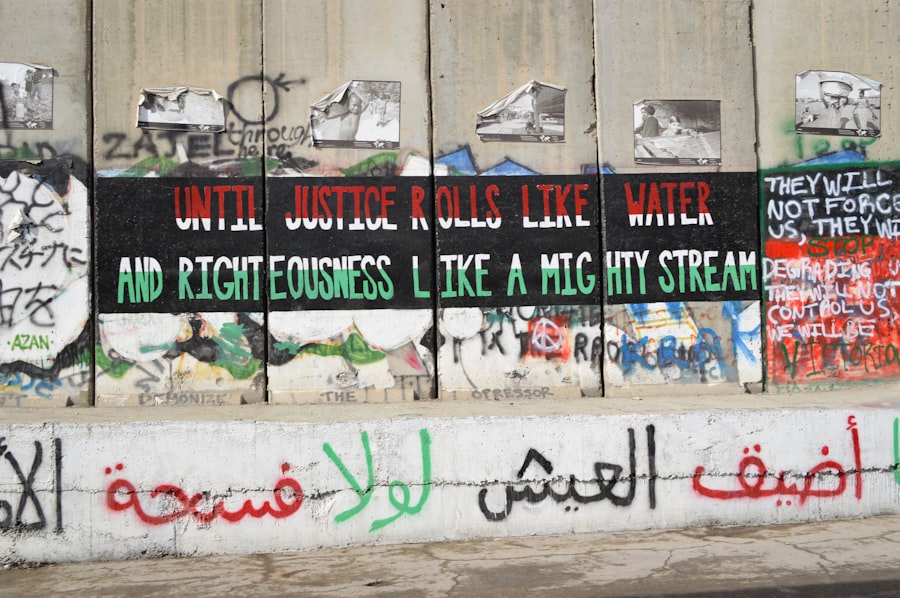
The late 19th and early 20th centuries witnessed the advent of Zionism, a political movement advocating for the establishment of a Jewish homeland in Palestine. This ideology fueled organized immigration, known as Aliyah, which significantly impacted the demographics and character of Jewish settlement.
Pre-Zionist Aliyah and the Old Yishuv
Even before the formal establishment of the Zionist movement, there were small, religiously motivated waves of Jewish immigration to Palestine. These individuals, often elderly and pious, sought to live and die in the Holy Land. They constituted the “Old Yishuv” (the old settlement), primarily residing in the four holy cities of Judaism: Jerusalem, Hebron, Safed, and Tiberias. Their lives revolved around religious study, prayer, and receiving alms from diaspora communities. They represented a continuous thread of Jewish life, predating the modern political aspirations of Zionism.
The First Aliyah (1882-1903)
The First Aliyah was primarily driven by persecution in Eastern Europe, particularly the Russian pogroms, and by early Zionist ideals. These immigrants, often dubbed “Bilu” (an acronym for “House of Jacob, let us go”), were pioneers who aimed to rebuild the Jewish national home through agricultural labor. They established some of the first modern Jewish agricultural settlements, or moshavot, like Rishon LeZion, Zichron Yaakov, and Rosh Pina. These efforts, while often challenging and fraught with disease and economic hardship, laid some of the foundational groundwork for future Jewish state-building.
The Second Aliyah (1904-1914)
The Second Aliyah brought a new wave of ideologically driven immigrants, predominantly from Russia and Poland. These “Second Aliyah” pioneers were largely secular, socialist, and committed to manual labor, viewing it as a transformative force for both the individual and the nation. They introduced the concept of the kvutza (early communal settlement) and the kibbutz, which became hallmarks of Zionist settlement. Key figures like David Ben-Gurion and Yitzhak Ben-Zvi emerged from this period, deeply influencing the future political landscape. The labor movement and the Hebrew language experienced significant revitalization during this era, symbolizing a conscious effort to forge a new Jewish identity rooted in the land.
British Mandate Period: Accelerating Growth and Rising Tensions

Following World War I, the Ottoman Empire collapsed, and Britain was granted a mandate over Palestine by the League of Nations. This period saw a significant acceleration of Jewish immigration and settlement, alongside intensifying Arab opposition.
The Balfour Declaration and its Impact
The Balfour Declaration of 1917, a pivotal document, expressed British support for “the establishment in Palestine of a national home for the Jewish people,” while also stipulating that “nothing shall be done which may prejudice the civil and religious rights of existing non-Jewish communities in Palestine.” This declaration, incorporated into the Mandate for Palestine, acted as a significant catalyst for Zionist aspirations, providing international legitimacy for Jewish settlement. It opened the gates for increased Jewish immigration, albeit with quotas and restrictions that fluctuated over time.
Waves of Immigration and Economic Development
Throughout the Mandate period, multiple waves of Aliyah occurred, each bringing distinct characteristics and challenges. The Third (1919-1923), Fourth (1924-1929), and Fifth Aliyah (1929-1939) saw tens of thousands of immigrants, including many middle-class individuals and professionals fleeing antisemitism in Europe. This influx led to rapid economic development, particularly in agriculture and industry. New cities like Tel Aviv expanded rapidly, embodying the dynamism of the burgeoning Jewish community. Educational institutions, hospitals, and cultural organizations were established, forming the infrastructure of a future state, often in parallel with existing Arab administrative structures.
Arab Resistance and Intercommunal Conflict
The growing Jewish population and land purchases fueled increasing Arab dissent and resistance. Arab leaders viewed Zionist settlement as an existential threat to their presence and national aspirations. This period was marked by escalating intercommunal violence, including the Nebi Musa riots (1920), the Jaffa riots (1921), and the Great Arab Revolt (1936-1939). These conflicts underscored the fundamental clash of national narratives and competing claims to the same land, casting a long shadow over the future of Palestine. The British, caught between their commitments to both communities, found themselves in an increasingly untenable position, attempting to balance conflicting interests like a tightrope walker over a chasm, trying to avoid falling to either side.
The history of Jewish settlement in Palestine is a complex and multifaceted topic that has evolved over centuries. For those interested in exploring this subject further, an insightful article can be found at Hey Did You Know This, which delves into the various waves of immigration and the cultural impacts of these communities. Understanding these historical movements provides a deeper context for the ongoing discussions surrounding the region today.
Post-Mandate Era: Statehood and Continued Settlement
| Year | Jewish Population in Palestine | Number of Jewish Settlements | Land Area Owned by Jewish Settlements (sq km) | Notes |
|---|---|---|---|---|
| 1880 | Approximately 25,000 | 5 | 10 | Early settlements during the First Aliyah |
| 1914 | About 85,000 | 50 | 150 | Growth during the Second Aliyah |
| 1931 | 175,000 | 150 | 500 | British Mandate period, increased immigration |
| 1947 | 600,000 | 250 | 1,200 | Before the establishment of Israel |
| 1967 | 2,500,000 (Israel total) | Approximately 100 in West Bank and Gaza | Varied, estimated 70 in occupied territories | Post Six-Day War settlements begin |
The end of the British Mandate in 1948 and the subsequent establishment of the State of Israel marked a dramatic turning point in the history of Jewish settlement. What was once immigration to a mandate territory transformed into a national policy of population absorption and expansion within a sovereign state.
The War of Independence and its Aftermath
The 1948 Arab-Israeli War (also known as the Israeli War of Independence and the Nakba for Palestinians) had profound consequences. It led to the displacement of hundreds of thousands of Palestinians and the establishment of Israel, with its borders largely following the armistice lines. Within these borders, Jewish settlement surged. Many abandoned Arab villages and towns were repopulated by Jewish immigrants and refugees, who arrived in massive numbers from Holocaust-ravaged Europe and from Arab and Muslim countries where they faced increasing persecution. This period was characterized by a rapid demographic shift and the creation of new Jewish towns and agricultural settlements.
Settlement in Dissenting Territories (Post-1967)
Following the 1967 Six-Day War, Israel occupied the West Bank, East Jerusalem, Gaza Strip, and Golan Heights. This conquest introduced a new and highly controversial chapter in Jewish settlement: the establishment of Israeli settlements in these territories. From Israel’s perspective, these settlements are often seen as a security imperative, a manifestation of historical and religious ties to the land, or a natural demographic expansion. However, from the perspective of many international bodies and the Palestinians, these settlements are illegal under international law and pose significant obstacles to a two-state solution. This ongoing process of settlement in the West Bank and East Jerusalem continues to be a central and deeply contentious issue in the Israeli-Palestinian conflict, acting as a persistent friction point that grates against the possibility of peace, like sharp stones grinding against each other.
Demographic Evolution and Modern Israel
Today, Jewish settlement in Israel is a complex and diverse phenomenon. The vast majority of Israel’s Jewish population resides within the pre-1967 borders, forming a vibrant and modern society. While agriculture remains important, the economy has diversified into high-tech, services, and industry. The historical narrative of Jewish settlement forms the bedrock of modern Israeli identity, often viewed as a continuous thread connecting ancient biblical times to the contemporary state. However, understanding this history also necessitates acknowledging the profound impact and perspectives of other communities, particularly the Palestinians, whose own historical narrative is inextricably linked to the same land. The story of Jewish settlement in Palestine is not a monolithic tale but rather a multifaceted narrative, inviting rigorous historical analysis and empathetic engagement from all who seek to comprehend its enduring complexities.
WATCH NOW ▶️ The Shocking Nazi-Zionist Deal of 1933: The Havara Agreement 🤯
FAQs
What was the historical context of Jewish settlement in Palestine?
Jewish settlement in Palestine dates back to ancient times, but modern Jewish immigration began in the late 19th century during the Zionist movement, aiming to establish a national homeland in the region then part of the Ottoman Empire.
When did significant Jewish immigration to Palestine begin?
Significant Jewish immigration, known as Aliyah, began in the late 1800s, particularly during the First Aliyah (1882-1903) and continued through subsequent waves, especially during the British Mandate period (1917-1948).
What role did the British Mandate play in Jewish settlement?
The British Mandate for Palestine, established after World War I, facilitated increased Jewish immigration and settlement, particularly following the Balfour Declaration of 1917, which supported the establishment of a Jewish national home in Palestine.
How did Jewish settlements impact the local population?
Jewish settlements led to demographic changes and tensions with the Arab population, contributing to conflicts over land, political control, and national identity, which eventually culminated in the Arab-Israeli conflict.
What was the outcome of Jewish settlement efforts in Palestine?
Jewish settlement efforts culminated in the establishment of the State of Israel in 1948, following the United Nations partition plan and the end of the British Mandate, leading to significant geopolitical changes in the region.