
The global housing market currently finds itself ensnared in a crucible of intense demand and persistently constrained supply. This confluence of factors has manifested in an environment characterized by escalating property values, fierce competition among buyers, and significant challenges for those aspiring to homeownership. This article will delve into the multifaceted dynamics shaping this phenomenon, exploring the underlying causes, observable effects, and potential implications for various stakeholders.
The current state of the housing market is not an overnight phenomenon but rather the culmination of prolonged trends and recent disruptive events. Understanding its genesis requires a look back at the forces that have collectively sculpted this challenging landscape.
A Decade of Underbuilding and Demographic Shifts
For many years leading up to the present, housing construction in numerous developed nations lagged behind demographic growth and household formation rates. This sustained underbuilding created an inherent deficit in available housing units, like a slowly draining reservoir that was not adequately replenished.
- Financial Crisis Aftermath: The 2008 global financial crisis and the subsequent recession significantly dampened builder confidence and access to credit. Many developers, still reeling from the downturn, became more risk-averse, leading to a slower pace of new constructionStarts. Regulations also tightened, impacting building permits and development approvals.
- Shifting Family Structures: The rise of single-person households and smaller family units, coupled with an aging population that often prefers to age-in-place, has increased the demand for individual housing units even if the overall population growth rate has moderated in some regions. Each new household unit requires a distinct dwelling, further straining existing stock.
The Pandemic’s Accelerant: A Catalyst for Unprecedented Change
While underlying issues simmered, the COVID-19 pandemic acted as a powerful accelerant, dramatically altering housing preferences and financial capacities almost overnight. This unprecedented shift ignited an already constrained market, propelling it into overdrive.
- The Work-From-Home Revolution: The widespread adoption of remote work untethered many individuals from the immediate vicinity of their workplaces. This newfound flexibility allowed people to reconsider their living arrangements, often seeking larger homes, more outdoor space, or properties in more affordable, less dense areas. The daily commute, once a major constraint, became a relic of a bygone era for many.
- Low Interest Rate Environment: Central banks worldwide, in an effort to stimulate economies battered by the pandemic, slashed interest rates to historic lows. This made borrowing money significantly cheaper, boosting affordability for those with stable incomes and encouraging more individuals to enter the homebuying market. The cost of financing, often the largest component of homeownership, became unusually attractive.
- Appreciation for Home as Sanctuary: The lockdowns and increased time spent at home fundamentally altered perceptions of housing. The home transformed from merely a place to sleep into a multi-functional hub for work, education, recreation, and social connection. This heightened appreciation fueled a desire for more comfortable, spacious, and resilient living environments.
The housing market has been experiencing significant fluctuations recently, prompting many to seek insights into current trends and forecasts. For a deeper understanding of the factors influencing these changes, you can read a related article that discusses the impact of interest rates on home prices and buyer behavior. To explore this topic further, visit this article.
The Ripple Effect: Manifestations of a Tight Market
The dynamics of surging demand and limited supply have not remained abstract economic principles; they have manifested in tangible and often challenging ways across the housing market spectrum. These effects are felt keenly by prospective buyers, existing homeowners, and even the broader economy.
Exploding Home Prices and Affordability Crisis
Perhaps the most visible and widely discussed consequence of the current market is the meteoric rise in property values. Home prices have surged at unprecedented rates, putting homeownership out of reach for many.
- Year-over-Year Increases: Numerous national and regional housing indices have reported double-digit year-over-year price growth for extended periods. This rapid appreciation has created significant equity for existing homeowners but has simultaneously erected higher barriers for new entrants.
- Income-to-Price Disparity: The pace of home price increases has far outstripped the growth in average household incomes, leading to a widening affordability gap. The dream of homeownership, once a cornerstone of the middle class, is increasingly becoming a luxury. This disparity is particularly acute in desirable metropolitan areas where job opportunities are concentrated.
- Generational Impact: Younger generations, often burdened by student loan debt and facing stagnant wage growth in previous years, are particularly impacted. Many find themselves locked out of the market entirely, facing the prospect of lifelong renting or needing substantial family assistance to purchase a home.
Fierce Competition and Buyer Frustration
The limited inventory has transformed the homebuying process into a high-stakes, competitive sport, often characterized by speed, aggressiveness, and emotional exhaustion for buyers. The days of leisurely home tours and thoughtful deliberation have largely vanished.
- Bid Wars and Escalation Clauses: It has become commonplace for properties to receive multiple offers, often significantly above the asking price. Buyers frequently employ escalation clauses, committing to outbid competing offers by a certain amount up to a predetermined ceiling, indicating their desperation.
- Waived Contingencies: To make their offers more attractive, buyers are increasingly waiving contingencies such as financing, appraisal, and inspection. While this streamlines the selling process, it places significant financial risk on the buyer, who may end up purchasing a property with unforeseen defects or paying more than its appraised value.
- Decision Fatigue and Burnout: For many prospective homeowners, the relentless cycle of searching, offering, and being outbid leads to profound decision fatigue and emotional burnout. The process becomes less about finding the right home and more about winning a bidding war, fostering a sense of cynicism and frustration.
The Supply Side Conundrum: Why More Homes Aren’t Being Built

Despite the glaring need for more housing, the supply side of the equation remains stubbornly resistant to rapid expansion. The reasons are multitudinous and interwoven, creating a complex web of impediments to increased construction.
Scarcity of Land and Regulatory Hurdles
Building new homes requires suitable land, which is becoming increasingly scarce, particularly in desirable urban and suburban areas. When available, its development is often constrained by a labyrinth of regulations.
- Zoning Restrictions: Strict zoning regulations, often designed to preserve neighborhood character or manage density, can limit the types and number of homes that can be built on a given parcel of land. Single-family zoning, for instance, restricts higher-density developments like townhouses or apartment buildings, even in areas well-suited for them.
- Permitting Delays: The process of obtaining building permits and development approvals can be protracted and bureaucratic, adding significant time and cost to construction projects. These delays can deter developers and slow down the pace of new housing entering the market.
- “Not In My Backyard” (NIMBY) Opposition: Existing residents often oppose new development in their neighborhoods, citing concerns about increased traffic, overcrowded schools, or diminished property values. This “NIMBYism” can lead to political pressure on local governments to restrict or delay new housing projects.
Costly Construction and Labor Shortages
Building materials and labor are not getting cheaper. These rising input costs directly translate into higher prices for new homes, impacting their affordability even before they hit the market.
- Soaring Material Costs: The pandemic disrupted global supply chains, leading to sharp increases in the cost of essential building materials like lumber, steel, and concrete. This volatility and upward pressure on prices have made construction more expensive and difficult to budget.
- Skilled Labor Deficit: The construction industry has faced a long-standing shortage of skilled labor, from carpenters and electricians to plumbers and roofers. An aging workforce and a lack of new entrants into trades have exacerbated this problem, leading to higher wages and delays in project completion — like a leaky faucet where there simply aren’t enough qualified plumbers to fix all the issues.
- Infrastructure Requirements: Developing new residential areas often requires significant investment in supporting infrastructure, including roads, utilities, and public services. The cost and logistical challenges of these infrastructure projects can further impede housing development.
Economic and Social Ramifications: Beyond the Individual Buyer
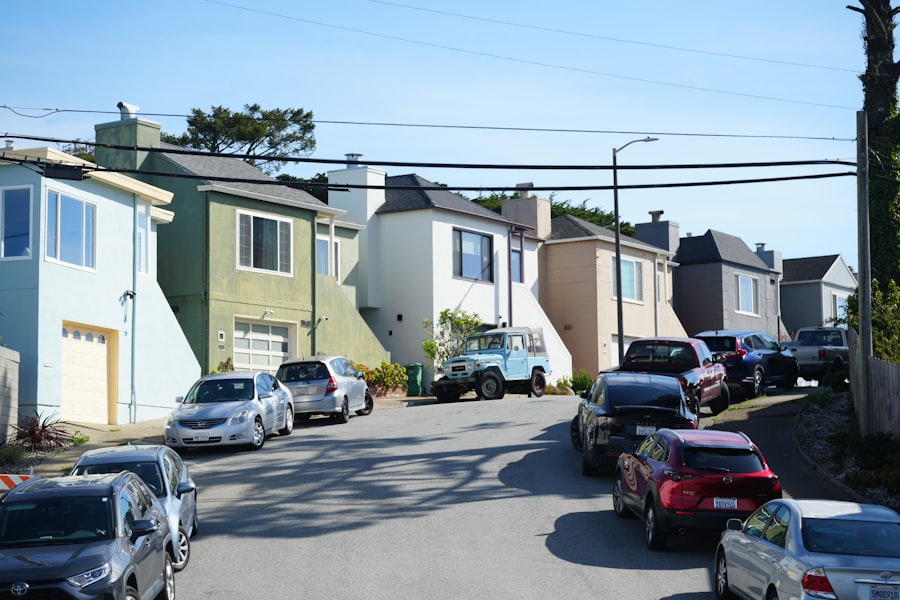
The dynamics of the current housing market extend beyond the individual’s ability to purchase a home. They exert profound economic and social influences, shaping communities and national economies.
Impact on Economic Growth and Mobility
A constrained housing market can act as a drag on broader economic growth and hinder labor mobility, with far-reaching consequences.
- Reduced Labor Mobility: If housing is unaffordable or unavailable in areas with job growth, individuals may be less willing or able to relocate for work. This reduces labor mobility, potentially creating skills mismatches and dampening overall economic productivity. Businesses may struggle to attract talent to high-cost areas.
- Decreased Consumer Spending: High housing costs, whether in the form of mortgage payments or rent, consume a larger portion of household budgets. This leaves less discretionary income for other goods and services, potentially slowing down consumer spending and broader economic activity.
- Wealth Inequality: The rapid appreciation of assets, particularly real estate, disproportionately benefits those who already own property. This exacerbates wealth inequality, further entrenching divisions between homeowners and non-homeowners, and creates a widening chasm between the financially secure and the struggling.
Social Consequences and Community Fabric
The housing crisis also chips away at the social fabric, impacting communities and the well-being of their residents.
- Increased Homelessness and Housing Insecurity: At the extreme end of the affordability spectrum, a lack of accessible and affordable housing units contributes to rising rates of homelessness and housing insecurity, pushing vulnerable populations to the brink.
- Gentrification and Displacement: In efforts to increase housing density or revitalize areas, development can inadvertently lead to gentrification, where rising property values and rents price out long-term residents, particularly those with lower incomes, disrupting established communities.
- Delayed Life Milestones: The inability to afford a home can delay other significant life milestones, such as marriage, starting a family, or saving for retirement. This can have long-term societal implications by impacting family formation rates and overall economic stability for younger generations.
As the housing market continues to evolve, many buyers and sellers are seeking insights into current trends and future predictions. A recent article discusses various factors influencing housing prices and offers valuable tips for navigating this complex landscape. For those interested in understanding the dynamics at play, you can read more about it in this informative piece on the housing market. Check it out here for a deeper dive into the subject.
Navigating the Future: Potential Paths Forward
| Metric | Value | Unit | Year |
|---|---|---|---|
| Median Home Price | 375000 | USD | 2023 |
| Average Days on Market | 45 | Days | 2023 |
| Housing Inventory | 1.8 | Months | 2023 |
| New Home Sales | 650000 | Units | 2023 |
| Mortgage Interest Rate | 6.5 | Percent | 2023 |
| Homeownership Rate | 65.8 | Percent | 2023 |
Addressing the complexities of the current housing market requires a multi-pronged approach, drawing on policy innovations, technological advancements, and shifts in societal perspectives. There is no single silver bullet, but rather a combination of strategies that could collectively ease the pressure.
Policy Interventions and Regulatory Reform
Governments at all levels have a critical role to play in recalibrating the housing market through thoughtful policy and regulatory changes.
- Streamlining Zoning and Permitting: Revisiting and reforming outdated zoning laws to allow for greater density and a diverse range of housing types (e.g., duplexes, townhouses, accessory dwelling units) could unlock significant land for development. Expediting permitting processes without compromising safety standards would reduce delays and costs.
- Incentivizing Affordable Housing Development: Direct subsidies, tax incentives, and land trusts can encourage the development of affordable housing units for low- and middle-income individuals. Partnerships between public bodies and private developers can also facilitate such projects.
- Investing in Infrastructure: Public investment in critical infrastructure — roads, water, sewage, and public transit — in undeveloped or underutilized areas can unlock new land for housing development, making it more attractive for builders. This proactive approach can reduce the burden on developers and, by extension, the final cost to buyers.
Technological Innovations and Construction Methods
New technologies and construction approaches offer promising avenues for increasing efficiency and reducing costs in homebuilding.
- Modular and Prefabricated Construction: Off-site construction techniques, where homes or components are built in a factory and then assembled on-site, can significantly reduce construction time, waste, and labor costs. This approach also allows for greater quality control and predictability in scheduling.
- Sustainable Building Practices: Integrating sustainable materials and energy-efficient designs can lower long-term operating costs for homeowners, making homes more affordable over their lifespan. While initial costs might be slightly higher, the environmental and economic benefits are substantial.
- Data-Driven Development: Utilizing big data and analytics can help identify optimal locations for new housing, predict market demand more accurately, and streamline design and construction processes, leading to more efficient resource allocation.
Behavioral Shifts and Market Adaptations
While policy and technology are crucial, shifts in buyer expectations and industry practices will also be necessary to adapt to the evolving housing landscape.
- Rethinking Homeownership Expectations: Acknowledging that the traditional ideal of a detached single-family home may not be universally attainable or sustainable in all regions could lead to greater acceptance of diverse housing types, such as apartments, condos, or co-housing models, as viable and fulfilling alternatives.
- Increased Rental Supply and Protections: Investing in the supply of high-quality rental housing and implementing fair tenant protection policies can provide more stable and affordable options for those who cannot or choose not to purchase a home. A healthy rental market can absorb demand that might otherwise spill into the ownership market, easing pressure.
- Flexible Work Models and Geographical Dispersion: The enduring legacy of remote and hybrid work models could continue to allow people to live further from major employment hubs, potentially revitalizing smaller towns and relieving some pressure on overheated metropolitan markets. This dispersion of demand could help rebalance regional housing dynamics.
In conclusion, the current housing market, characterized by surging demand colliding with limited supply, presents a formidable challenge. Like a pressure cooker reaching its maximum, the forces at play are creating intense heat and significant strain. Addressing this complex phenomenon requires a concerted effort from policymakers, industry stakeholders, and individuals alike. Without thoughtful and comprehensive interventions, the dream of affordable housing will continue to recede for many, with profound implications for economic stability and social equity. The path forward demands an innovative and collaborative spirit, focused on unlocking supply, enhancing affordability, and ensuring that adequate housing remains a cornerstone of well-being for all members of society.
FAQs
What factors influence the housing market?
The housing market is influenced by various factors including interest rates, economic conditions, employment rates, government policies, and demographic trends. Supply and demand dynamics also play a crucial role.
How do interest rates affect the housing market?
Interest rates impact the cost of borrowing money for home purchases. Lower interest rates generally make mortgages more affordable, increasing demand for homes, while higher rates can reduce affordability and slow down the market.
What is the difference between a buyer’s market and a seller’s market?
A buyer’s market occurs when there are more homes for sale than buyers, leading to lower prices and more negotiation power for buyers. A seller’s market happens when demand exceeds supply, resulting in higher prices and less negotiation power for buyers.
How does the housing market affect the overall economy?
The housing market affects the economy by influencing consumer wealth, construction activity, and financial markets. A strong housing market can boost economic growth, while a downturn can lead to reduced spending and economic slowdown.
What are common indicators used to assess the housing market?
Common indicators include home sales volume, median home prices, housing inventory levels, mortgage interest rates, and housing affordability indexes. These metrics help gauge market health and trends.