
The United States, a prominent global agricultural producer, often finds its food products, including milk, subject to scrutiny and restrictions from other nations. This article explores the multifaceted reasons behind why US milk encounters bans or significant trade barriers in various international markets, elucidating the complex interplay of regulatory differences, public health concerns, and economic protectionism. Understanding these dynamics is crucial for comprehending the intricate landscape of global food trade.
One of the primary drivers behind restrictions on US milk revolves around disparate regulatory frameworks concerning food safety and agricultural practices. Nations worldwide adopt varying thresholds and acceptable limits for substances in food, creating a complex web of international trade.
Hormonal Treatment Concerns
A significant point of contention stems from the widespread use of recombinant bovine somatotropin (rbST), also known as recombinant bovine growth hormone (rBGH), in the US dairy industry. This synthetic hormone is administered to dairy cows to increase milk production.
European Union Stance on rbST
The European Union (EU) has maintained a ban on the sale and import of milk and dairy products from cows treated with rbST since 1999. The EU’s prohibition is rooted in animal welfare concerns, citing potential adverse effects on cow health, such as increased risk of mastitis (udder inflammation), lameness, and reproductive problems. While the scientific community generally agrees that rbST-treated milk is safe for human consumption, the EU’s precautionary principle prioritizes animal well-being and public perception over potential economic benefits. This ban acts as a firewall, preventing US milk produced with rbST from entering the EU market.
Other Countries Following Suit
Beyond the EU, a number of other countries, including Canada, Australia, New Zealand, Israel, and Japan, have also banned the use of rbST in dairy production. These nations often cite similar animal welfare considerations and a desire to differentiate their dairy products as hormone-free. For US dairy exporters, this means either sourcing milk from rbST-free herds or facing exclusion from these significant markets. The international landscape thus becomes a patchwork of acceptance and prohibition, demanding adaptive strategies from US producers.
Antibiotic Residues and Resistance
The use of antibiotics in livestock, while crucial for animal health, presents another area of regulatory divergence. Different countries have varying acceptable maximum residue limits (MRLs) for antibiotics in milk, and concerns exist regarding the potential contribution of agricultural antibiotic use to antimicrobial resistance.
Stringent Japanese Regulations
Japan, for example, maintains exceptionally strict MRLs for antibiotics in food products, including milk. Their meticulous approach stems from a comprehensive food safety policy designed to minimize any potential risks to consumers. US milk, if it contains antibiotic residues exceeding these stringent Japanese standards, will be rejected at the border. This necessitates rigorous testing and adherence to specific protocols for US dairy farmers intending to export to Japan, ensuring that their products meet these elevated benchmarks.
EU’s Prudent Use Policies
The EU also implements robust regulations regarding antibiotic use in livestock, emphasizing prudent use and minimizing the development of antibiotic-resistant bacteria. While not an outright ban on US milk, these regulations serve as a gatekeeper, requiring documented evidence of adherence to EU MRLs. The specter of antibiotic resistance looms large globally, and countries are increasingly adopting proactive measures to mitigate this public health threat, directly impacting international food trade.
Pesticide and Environmental Contaminant Limits
Beyond veterinary drugs, the presence of pesticide residues and environmental contaminants in milk also falls under national regulatory scrutiny. These substances, even in trace amounts, can be a cause for concern.
China’s Evolving Standards
China, a substantial market for dairy products, has progressively tightened its food safety standards in recent years. This includes setting stricter limits for various pesticides and environmental contaminants in imported milk. Past instances of food safety scandals within China have fueled a consumer demand for higher safety assurances, compelling the government to implement more rigorous import controls. US milk, therefore, must consistently meet these evolving and increasingly stringent Chinese benchmarks to gain access. The Chinese market, a colossal appetite for dairy, demands unwavering compliance.
Residues from Feed and Environment
The source of these contaminants can be manifold – ranging from pesticides used on animal feed crops to industrial pollutants that infiltrate the environment. Countries with pristine agricultural landscapes, such as New Zealand, often highlight their low levels of environmental contaminants as a competitive advantage. This indirectly places pressure on US producers to ensure their entire supply chain, from feed production to milking practices, adheres to high environmental standards to maintain export viability.
The topic of why US milk is illegal in other countries raises important questions about food safety and agricultural practices. For a deeper understanding of the regulations surrounding dairy products and the differences in standards between nations, you can read a related article that explores these issues in detail. Check it out here: Why is US milk illegal in other countries?.
Public Health Perceptions and Consumer Trust
Beyond direct regulatory mandates, the perceptions of public health and consumer trust play a considerable role in shaping import policies. Sensationalized media reports, scientific debates, and cultural preferences can significantly influence consumer demand and, consequently, government decisions.
Genetic Modification and GMO Feed
While less directly related to milk safety, the widespread use of genetically modified organisms (GMOs) in animal feed in the US can generate consumer apprehension in certain markets. Although scientific consensus generally supports the safety of food from animals fed GMOs, public perception can vary.
European Consumer Skepticism
European consumers, in particular, exhibit a higher degree of skepticism towards GMOs compared to their US counterparts. This skepticism often translates into a preference for products labeled as “non-GMO.” While there isn’t a direct ban on milk from cows fed GMO feed, the market demand for non-GMO options can create a de facto barrier for US producers who predominantly use GMO feed. This is a subtle yet powerful force, shaping market access through consumer choice rather than direct government decree.
Labeling Requirements and Market Access
Some countries have stringent labeling requirements for products derived from animals fed GMOs. Meeting these specific labeling mandates can add complexity and cost for US exporters. For instance, if a country requires explicit labeling indicating GMO feed use, it could potentially deter consumers in that market, thereby limiting market penetration. The power of a label, in this context, becomes a gatekeeper to consumer hearts and wallets.
Disease Outbreaks and Biosecurity Concerns
The potential for disease transmission through agricultural products remains a constant consideration in international trade. Outbreaks of animal diseases in the US can trigger temporary or prolonged bans on its livestock products, including milk.
Foot-and-Mouth Disease Precautions
Concerns about diseases like Foot-and-Mouth Disease (FMD) or bovine spongiform encephalopathy (BSE) can lead to immediate trade restrictions. Even if specific outbreaks are contained, the heightened biosecurity protocols and rigorous testing procedures demanded by importing countries can make US milk exports more challenging and costly. Nations are understandably cautious, viewing their agricultural sectors as vital national assets deserving of robust protection. The image of their domestic herds becoming susceptible to foreign disease acts as a powerful deterrent.
Country of Origin Controls
Many countries implement strict “country of origin” labeling and tracking to manage disease risks. This necessitates comprehensive documentation and traceability throughout the US dairy supply chain, ensuring that the milk’s provenance can be verified. Failure to meet these stringent documentation requirements can result in immediate rejection at the border, highlighting the importance of robust internal controls.
Economic Protectionism and Trade Barriers
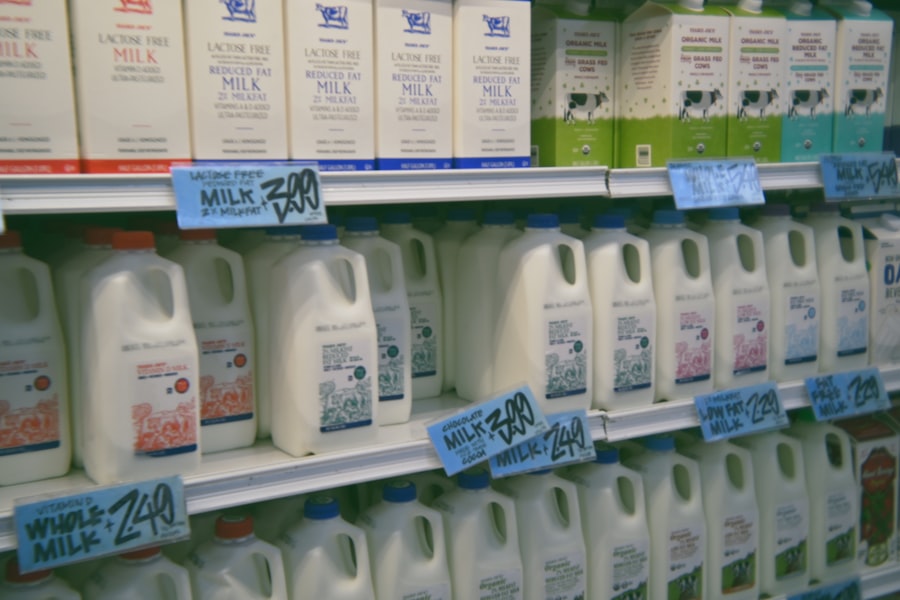
Beyond health and safety, economic protectionism often intertwines with regulatory differences to create formidable barriers to trade. Countries may leverage pre-existing regulations or introduce new ones ostensibly for safety, but with an underlying motive of protecting domestic industries.
Tariffs and Quotas
Direct economic measures such as tariffs (taxes on imports) and quotas (limits on the quantity of imports) are common tools used to protect domestic dairy sectors. While not a “ban,” these measures significantly increase the cost of US milk, making it less competitive.
Canada’s Supply Management System
Canada’s dairy industry operates under a supply management system, which uses production quotas and high tariffs on imported dairy products to stabilize domestic prices and incomes for Canadian farmers. This system effectively limits the amount of US milk that can enter the Canadian market, even if it meets all health and safety standards. The rationale, from a Canadian perspective, is to ensure the viability and stability of its own dairy farmers, but it undeniably restricts market access for US exporters. It’s a closed garden, meticulously managed to nurture its own flora.
India’s Domestic Dairy Focus
India, a massive milk producer itself, employs a combination of tariffs and non-tariff barriers to protect its vast domestic dairy industry. While a growing market for some specialized dairy products, large-scale imports of fluid milk are generally discouraged to support its millions of small-scale dairy farmers. This policy, driven by social and economic objectives, effectively limits the penetration of US milk, irrespective of its quality or safety.
Non-Tariff Barriers and Bureaucracy
Beyond direct tariffs, non-tariff barriers can be just as effective in hindering trade. These often manifest as complex bureaucratic procedures, burdensome certification requirements, or deliberately slow processing times that create significant logistical and financial hurdles for exporters.
Cumbersome Certification Processes
Some countries impose extremely detailed and time-consuming certification processes for imported food products. These can include requirements for specific laboratory tests, on-site inspections of US production facilities by foreign officials, and extensive documentation of every step in the supply chain. These processes, while presented as essential for safety, can also serve as a deterrent, making it impractical or too costly for US dairy producers to enter certain markets. Navigating this labyrinth of paperwork and inspections can be a formidable challenge, akin to crossing a bureaucratic desert with only a small canteen.
Sanitary and Phytosanitary Measures (SPS)
While certainly legitimate, Sanitary and Phytosanitary (SPS) measures, which are designed to protect human, animal, or plant life or health, can sometimes be used in a protectionist manner. If a country imposes SPS measures that are scientifically questionable or disproportionate to the actual risk, they can act as an illegitimate trade barrier. Resolving such disputes often requires intervention from international trade bodies like the World Trade Organization (WTO).
Ethical and Environmental Considerations
A burgeoning area of concern for consumers globally relates to the ethical treatment of animals and the environmental footprint of agricultural practices. While not always codified into direct bans, these considerations can influence purchasing decisions and government policy.
Animal Welfare Standards
The conditions under which dairy cows are raised and milked in the US can differ significantly from the expectations of consumers in other countries, particularly in Europe. Intensive farming practices, while efficient, sometimes come under scrutiny.
European Animal Welfare Directives
The EU has comprehensive animal welfare directives that dictate minimum standards for the housing, feeding, and care of livestock. While US farms vary widely in their practices, some aspects of typical US dairy farming, such as the tethering of cows or aspects of calf rearing, might not align with stricter European animal welfare expectations. This ethical divergence, although not always a direct ban, can create a negative perception of US dairy products.
Consumer-Driven Animal Welfare Campaigns
Consumer advocacy groups in some countries actively campaign against practices perceived as unethical in dairy production. Such campaigns can influence public opinion and governmental policy, making it more challenging for US milk to gain acceptance if its production methods are seen as falling short of desired animal welfare standards. The ethical compass of consumers increasingly points towards humane treatment, and products perceived as falling short can face a cold reception.
Environmental Impact of Dairy Farming
The environmental footprint of dairy farming, including greenhouse gas emissions, water usage, and nutrient runoff, is another evolving area of concern. Countries with strong environmental mandates may scrutinize the environmental sustainability of imported food products.
Carbon Footprint and Sustainability Labeling
Some nations or retailers are beginning to demand information on the carbon footprint of food products. While there are no widespread bans based solely on a product’s carbon footprint yet, this trend could lead to future trade barriers or preferential treatment for products with lower environmental impacts. US dairy, like other agricultural sectors, faces increasing pressure to demonstrate and improve its environmental sustainability. The earth’s health is becoming a non-negotiable factor in global trade.
Water Quality and Land Use Practices
Concerns about agricultural runoff impacting water quality and sustainable land use practices can also influence import decisions. Countries with pristine environments may impose stricter standards on imported agricultural goods to protect their own ecosystems, acting as another potential hurdle for US milk exporters.
The debate surrounding the legality of US milk in other countries often stems from differing regulations on food safety and agricultural practices. For those interested in exploring this topic further, a related article discusses various international food standards and their implications on trade. You can read more about it in this insightful piece on food safety regulations. Understanding these differences can shed light on why certain products are restricted or banned across borders.
Conclusion
| Country/Region | Reason for US Milk Ban | Specific Regulation | Impact on Trade |
|---|---|---|---|
| European Union | Use of recombinant bovine growth hormone (rBGH/rBST) | Ban on milk from cows treated with rBGH due to animal welfare and potential health concerns | EU imports limited; US milk products face restrictions |
| Canada | Strict dairy production quotas and rBGH ban | Prohibition on rBGH use; supply management system limits imports | Restricted US milk imports; tariffs and quotas applied |
| Japan | Concerns over rBGH and antibiotic residues | Regulations require milk to be free of rBGH and certain antibiotic residues | US milk products must meet strict testing; some products banned |
| South Korea | Health and safety standards related to rBGH and additives | Ban on milk containing rBGH; strict additive regulations | Limited US milk imports; compliance required for entry |
| China | Concerns over milk safety and additives | Strict import regulations and testing for contaminants and hormones | US milk imports subject to rigorous inspection; some products restricted |
The reasons why US milk faces bans or significant trade barriers in other countries are complex and multifaceted, forming a thicket of interconnected issues. They span regulatory divergence in food safety standards, particularly concerning hormones and antibiotics, to the profound influence of public health perceptions and consumer trust, often shaped by concerns over GMOs and disease outbreaks. Economic protectionism, manifested through tariffs, quotas, and burdensome non-tariff barriers, acts as a formidable gatekeeper, safeguarding domestic industries. Finally, evolving ethical and environmental considerations, encompassing animal welfare and sustainable practices, are increasingly shaping global trade landscapes.
For US dairy producers, navigating this intricate global marketplace requires a deep understanding of these diverse factors. It is not merely about producing milk efficiently but about meeting a constantly evolving array of international standards, addressing consumer preferences rooted in cultural and ethical values, and overcoming economic hurdles designed to protect competing industries. The global dairy market is a mosaic of different expectations and regulations; for US milk to achieve broader international acceptance, it must adapt and demonstrate its ability to meet this diverse and demanding global palate. The journey of US milk across borders is a testament to the complex and often contentious nature of international food trade.
FAQs
Why is US milk banned in some countries?
US milk is banned in certain countries primarily due to differences in food safety regulations, particularly concerning the use of bovine growth hormones like rBST (recombinant bovine somatotropin), which is permitted in the US but banned in many other countries.
What is rBST and why is it controversial?
rBST is a synthetic hormone used to increase milk production in dairy cows. It is controversial because some countries have raised health and environmental concerns, leading to restrictions or bans on milk produced with rBST.
Are there differences in milk pasteurization standards between the US and other countries?
Yes, pasteurization standards vary globally. Some countries require higher pasteurization temperatures or different processing methods, which can affect the import eligibility of US milk products.
Do labeling requirements affect the legality of US milk abroad?
Yes, many countries have strict labeling laws regarding hormone use and milk origin. US milk products that do not comply with these labeling standards may be prohibited from entering those markets.
Is the ban on US milk based on health risks or trade protectionism?
While health and safety concerns are cited as reasons for bans, some experts argue that trade protectionism and differing regulatory philosophies also play significant roles in restricting US milk imports.