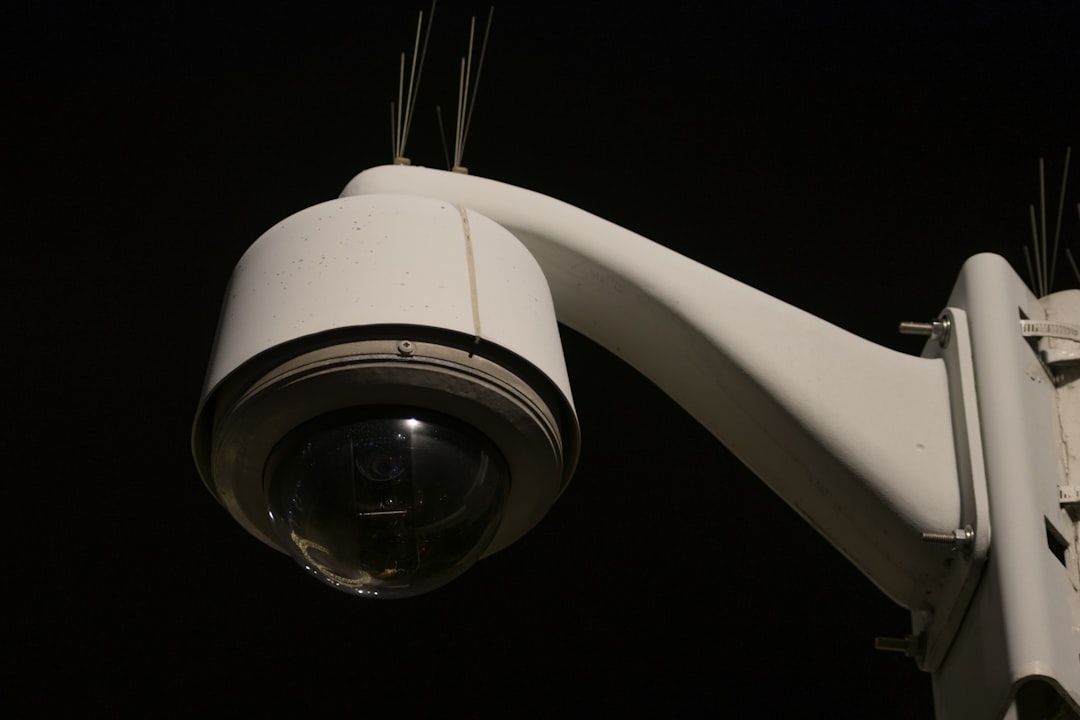
You stand on the precipice of a hidden realm, a world woven from shadows and whispers, where truth is a currency and deception is the ultimate weapon. This is the secret world of spying, a labyrinthine landscape where nations, corporations, and even individuals engage in the clandestine art of espionage. You might view it as a realm of thrilling chases and daring infiltrations, a narrative peddled by fiction, but the reality is a far more intricate tapestry of human ingenuity, technological prowess, and psychological manipulation. To uncover espionage is to peel back the layers of normalcy and peer into the engine room of global power, to understand the unseen forces that shape your world.
You may be surprised to learn that the face of espionage is not always a trench-coated figure lurking in alleyways. The architects of information, the spies you seek to understand, come in many forms. They are the individuals who operate at the forefront of intelligence gathering, often blending seamlessly into society, their true purpose masked by ordinary lives.
The Operational Officers: Masters of Disguise and Infiltration
These are the individuals who embody the classic image of a spy. They are the ones who physically infiltrate enemy territory, whether it’s a hostile government, a rival corporation, or a criminal organization. Their skill set is vast and varied, encompassing everything from mastering dead drops and tradecraft to developing complex cover stories and maintaining unwavering composure under pressure. You might imagine them as actors on a grand stage, performing a role so convincing that even those closest to them are none the wiser. Their profession demands an almost superhuman ability to compartmentalize, to live a double life without betraying a single crack in their facade. This requires rigorous training, often psychological conditioning, to enable them to withstand interrogation, torture, or even the emotional toll of constant deception.
- Recruitment and Cultivation: The journey of an operational officer often begins not with a dramatic recruitment, but with a slow, deliberate process of cultivation. Intelligence agencies identify individuals with specific aptitudes: fluency in foreign languages, technical expertise, access to sensitive information, or a natural talent for observation and persuasion. These individuals are then approached subtly, their potential nudged, and their loyalty gradually secured through various means, including ideology, financial incentives, or even blackmail. You, unknowingly, might pass by a potential recruit every day, a person with a unique skill set that makes them a valuable asset for future operations.
- Tradecraft: The Silent Language of Spying: The operational officer’s toolkit is filled with the arcane practices of tradecraft. This includes methods for secure communication, such as enciphered messages, microdots, and carefully choreographed meetings. They learn the art of surveillance and counter-surveillance, understanding how to observe without being observed and how to detect when they themselves are being watched. The concept of “signaling” – leaving subtle messages for handlers or contacts – is as crucial as any coded communication. These skills are honed through constant practice, making them instinctual responses rather than conscious calculations.
- The Double Life: A Tightrope Walk: The psychological burden of espionage is immense. Operational officers live a constant lie, maintaining a carefully constructed persona while their true selves remain hidden. This requires an exceptional degree of mental discipline and emotional resilience. They must be able to forge relationships, experience genuine emotions, and yet remain detached enough to carry out their missions. The risk of exposure is ever-present, a Sword of Damocles hanging over their heads, threatening to shatter their carefully constructed world.
Intelligence Analysts: The Cartographers of the Unknown
While operational officers are the boots on the ground, intelligence analysts are the strategists, the interpreters of the fragmented clues left behind. They are the ones who piece together seemingly disparate pieces of information to form a coherent picture, revealing the intentions and capabilities of adversaries.
- Information Synthesis: Weaving the Threads: Analysts are presented with a deluge of data – intercepted communications, satellite imagery, human intelligence reports, open-source information. Their task is to sift through this noise, identify patterns, and draw meaningful conclusions. It is akin to a detective examining a crime scene, looking for every speck of evidence to reconstruct the events. You might see a news report and dismiss it, but an analyst might see it as a crucial piece of a larger puzzle.
- The Art of Prediction: Forecasting the Future: Based on their analysis, intelligence agencies attempt to predict future events. This could be anything from the likelihood of a military conflict to the economic impact of a political decision. These predictions are not crystal balls; they are the product of rigorous logical deduction, statistical modeling, and an understanding of historical trends. The accuracy of these predictions directly impacts national security, making the analyst’s role paramount.
- Bias and Objectivity: The Unseen Pitfalls: The process of intelligence analysis is not immune to human bias. Analysts, like all humans, can be influenced by their preconceptions, political leanings, or the pressure to conform to existing narratives. Maintaining objectivity is a constant challenge. You might favor a certain outcome, and an analyst, though trained for impartiality, can subconsciously be swayed by this. Agencies employ various techniques to mitigate bias, such as peer review, devil’s advocacy, and the use of red teaming exercises to challenge assumptions.
Technical Specialists: The Engineers of Oversight
In the modern era of espionage, technology plays a pivotal role. Technical specialists are the unsung heroes who develop, deploy, and maintain the sophisticated tools that enable intelligence gathering.
- Cyber Warfare: The Digital Battlefield: This is where the battlefield has increasingly shifted. Technical specialists are involved in conducting offensive and defensive cyber operations, developing malware, exploiting vulnerabilities, and protecting national networks from attack. You are constantly interacting with the digital world, often unaware of the invisible battles being waged within it.
- Electronic Surveillance: Listening to the World: From intercepting radio transmissions to tapping into phone lines, electronic surveillance is a cornerstone of espionage. Technical specialists design and operate the complex equipment required for these operations, often working in highly specialized environments. The silent hum of a server farm could be the heartbeat of a global surveillance operation.
- Imagery Intelligence: Seeing Beyond the Horizon: Satellite imagery and aerial reconnaissance provide crucial visual intelligence. Technical specialists are involved in the development of satellites, drones, and high-resolution cameras, as well as the analysis of the vast amounts of visual data they collect. Imagine a world seen through the unblinking eye of a machine, revealing secrets hidden from human sight.
Espionage has long been a fascinating subject, intertwining history, politics, and intrigue. For those interested in exploring this topic further, a related article can be found at Hey Did You Know This, which delves into the various methods and historical examples of espionage throughout the ages. This resource provides valuable insights into how intelligence gathering has shaped world events and continues to influence modern geopolitics.
The Instruments of Deception: How Spying Works
Espionage is not merely about gathering information; it is about subtly influencing events, sowing discord, and manipulating perceptions. The instruments of deception are as varied as the minds that wield them.
Covert Operations: The Shadow Plays
Covert operations are the clandestine actions undertaken by intelligence agencies to achieve specific objectives without attribution. These can range from influencing elections to assassinating political figures.
- Disinformation Campaigns: The Art of the Lie: Spreading false or misleading information is a powerful tool of espionage. Disinformation campaigns can be used to destabilize governments, sow confusion among populations, or discredit opponents. You might encounter a particularly persuasive piece of news or social media, unaware it’s part of a calculated effort to shape your opinion. These campaigns are like poison poured into the well of public discourse.
- False Flag Operations: The Mask of Plausible Deniability: In a false flag operation, an act is carried out by one entity but made to appear as if it was committed by another. This allows the true perpetrator to maintain deniability and avoid repercussions. It is a sinister form of theatre, where the actors are unwitting pawns in a larger, hidden drama.
- Sabotage and Disruption: Undermining the Enemy: This can involve anything from disrupting critical infrastructure to interfering with supply chains. The goal is to weaken an adversary’s capabilities or create chaos, thereby achieving strategic objectives without direct military engagement. Imagine a perfectly functioning machine suddenly sputtering and failing, the cause unknown to the operator.
Human Intelligence (HUMINT): The Power of Persuasion
HUMINT is the oldest form of espionage, relying on human sources to gather information. It is a delicate dance of trust, manipulation, and risk.
- Agents and Informants: The Human Network: These are individuals who, for various reasons, provide information to intelligence agencies. They can be recruited through ideological commitment, financial incentives, coercion, or even personal relationships. You might interact with someone who seems ordinary, but they could be a vital node in a vast intelligence network.
- Defectors and Double Agents: The Shifting Allegiances: Individuals who defect from hostile nations or organizations can be invaluable sources of intelligence. However, the risk of them being plantede or attempting to deceive is always present. Double agents are individuals who deliberately play both sides, feeding information to intelligence agencies while appearing to be loyal to their original masters. Their loyalty is a constantly shifting sand dune.
- The Art of Elicitation: Drawing Out Secrets: Elicitation is a psychological technique used to extract information from individuals without them realizing they are being interrogated. It involves creating a relaxed and conversational atmosphere, subtly guiding the conversation, and exploiting psychological vulnerabilities. It is a subtle art of making others reveal their deepest secrets without them even realizing they are doing so.
Signals Intelligence (SIGINT): Listening to the Ether
SIGINT involves the interception and analysis of electronic signals. This can range from telephone conversations to encrypted data.
- Communications Intelligence (COMINT): This focuses on intercepting and analyzing human-to-human communications, such as phone calls, emails, and text messages. Agencies invest heavily in sophisticated interception capabilities, capable of sifting through vast amounts of data to find relevant information. Imagine a million conversations happening at once, and an agency having the ability to pluck the one they need from the air.
- Electronic Intelligence (ELINT): This deals with the interception and analysis of non-communications electronic signals, such as radar emissions or missile guidance systems. ELINT can reveal the capabilities and intentions of military forces, providing crucial early warnings of potential threats. These signals are the silent shouts of machines, revealing their purpose.
- Open-Source Intelligence (OSINT): In the internet age, OSINT has become increasingly important. It involves gathering and analyzing information from publicly available sources, such as news articles, social media, and academic publications. While seemingly simple, the sophisticated analysis of OSINT can yield significant intelligence. Even the most mundane online post can be a breadcrumb on the path to a larger truth.
The Global Chessboard: Espionage in Action
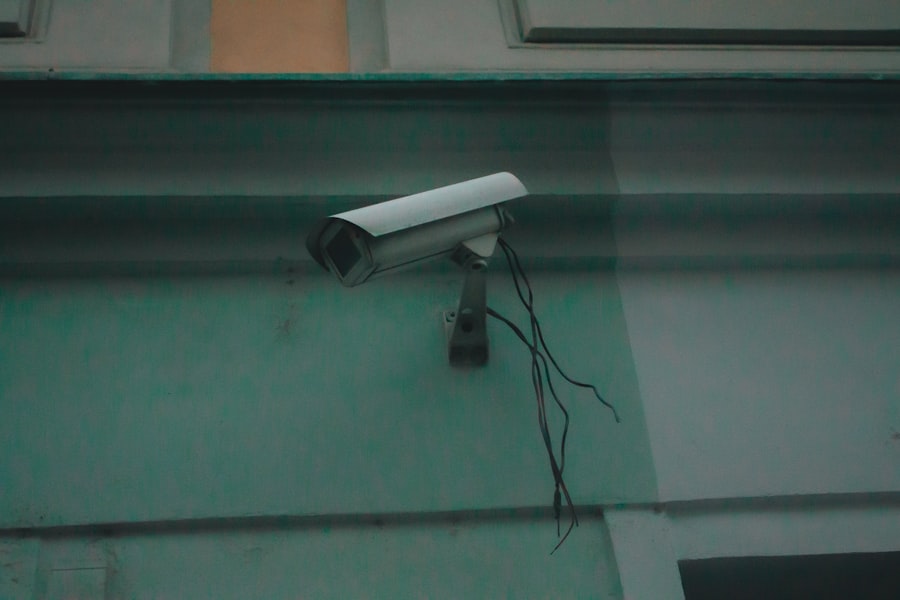
Espionage is not confined to fictionalized scenarios; it is a constant, real-world phenomenon played out on the global chessboard, shaping international relations and influencing historical events.
Geopolitical Espionage: The Grand Game of Nations
The primary purpose of national intelligence agencies is to protect their nation’s interests by understanding the capabilities, intentions, and vulnerabilities of other nations.
- Military Intelligence: Reading the Enemy’s Intentions: This involves gathering information on foreign military forces, their deployments, their weapon systems, and their strategic doctrines. The goal is to anticipate potential military threats and to inform defense planning. You might see troop movements on the news, but military intelligence sees the strategic implications of every single soldier.
- Political Intelligence: Understanding the Players: This focuses on the political landscape of other countries, including their leadership, their policies, their internal stability, and their foreign relations. Understanding a nation’s political climate is crucial for navigating diplomatic relations and anticipating policy shifts. The whispers around a foreign capital are as important as formal declarations.
- Economic Intelligence: The Cold War of Commerce: In today’s interconnected world, economic espionage is as vital as military espionage. This involves gathering information on foreign economies, trade agreements, technological advancements, and financial markets. The goal is to gain an economic advantage or to protect national economic interests. A breakthrough in a foreign research lab is a potential threat to your nation’s industries.
Corporate Espionage: The Unseen Corporate Wars
Espionage is not limited to state actors; corporations also engage in clandestine activities to gain a competitive edge.
- Intellectual Property Theft: The Crown Jewels: Stealing trade secrets, patents, and proprietary information is a major concern for businesses. This can be done through hacking, industrial espionage, or even bribing employees. The innovation that drives your everyday technology could be the target of a corporate spy.
- Market Research and Competitive Analysis: Knowing Your Rival: Corporations employ various methods to understand their competitors, from analyzing public statements to employing undercover investigators. The goal is to anticipate market shifts, develop superior products, and outmaneuver rivals. You might see a competitor’s brilliant new product, unaware of the years of covert research that went into replicating or improving upon existing ideas.
- Lobbying and Influence Peddling: Shaping the Rules of the Game: While not always overtly “espionage,” the clandestine efforts by corporations to influence legislation and government policy can be considered a form of information warfare, seeking to gain an advantage by shaping the environment in which they operate. Imagine a hidden hand guiding the laws that affect the products you buy.
Domestic Espionage and Counter-Espionage: The Internal Guardians
Intelligence agencies also operate within their own borders, both to gather intelligence on internal threats and to protect themselves from foreign infiltration.
- Counter-Intelligence: The Internal Immune System: This is the proactive and reactive function of an intelligence agency designed to detect, disrupt, and neutralize the espionage activities of foreign adversaries. It is the internal security force, constantly vigilant against moles and infiltrators. You are unaware of the silent battles being fought to protect your nation from within.
- Internal Security Threats: The Shadows Within: Intelligence agencies may also monitor individuals or groups believed to pose a threat to national security, such as those involved in terrorism or subversion. The line between legitimate security concerns and the infringement of civil liberties is often a contentious one.
- Whistleblowers: The Guardians of Transparency: While often viewed as threats by intelligence agencies, whistleblowers can also expose wrongdoing and corruption within these organizations, thereby contributing to a form of internal accountability. Their actions can be seen as a disruptive force, but also as a necessary check and balance for powerful institutions.
The Dark Side of Espionage: Ethical Conundrums and Consequences

The world of espionage is fraught with ethical dilemmas and far-reaching consequences, often impacting individuals and societies in ways that are rarely publicized.
The Human Cost: Betrayal, Sacrifice, and Psychological Toll
The lives of spies are often characterized by immense personal sacrifice and a profound psychological toll.
- Betrayal and Trust: A Fragile Commodity: The nature of espionage breeds a climate of suspicion and distrust. Those involved live with the constant threat of betrayal, both from adversaries and sometimes from within their own ranks. Relationships are often transactional, built on shared secrets and mutual risk rather than genuine affection.
- Sacrifice of Personal Life: A Life of Secrecy: Spies often have to sever ties with loved ones, maintain elaborate pretenses, and live with the knowledge that their true identity must remain hidden. This isolation can lead to profound loneliness and emotional distress. Their personal lives are a carefully guarded secret, a landscape of compromises and sacrifices.
- Psychological Trauma: The Scars of the Mind: The constant stress, deception, and exposure to dangerous situations can lead to significant psychological trauma, including PTSD, anxiety, and depression. The weight of secrets and the moral compromises made can leave indelible scars.
The Moral Ambiguity: The Justification of Means
The objectives of espionage, however noble they may seem in the context of national security, often involve morally questionable means.
- The Greater Good vs. Individual Rights: Intelligence agencies often operate under the principle of the “greater good,” justifying actions that may infringe upon individual rights or violate international law. The question of where to draw the line between necessary secrecy and unwarranted intrusion remains a perpetual debate.
- Deception and Manipulation: The Ethics of Lying: The core of espionage involves deception and manipulation. The question arises: when does the pursuit of truth justify the use of falsehood? This is a philosophical tightrope walk with no easy answers.
- Collateral Damage: The Unintended Victims: Covert operations rarely go exactly as planned, and innocent individuals can often become collateral damage, their lives irrevocably altered or ended by actions they had no part in. The ripple effect of espionage can spread far beyond its intended targets.
The Legal Blind Spot: Accountability in the Shadows
The clandestine nature of espionage often places it in a legal gray area, making accountability difficult.
- Sovereign Immunity and Diplomatic Immunity: These legal protections can shield intelligence operatives from prosecution for certain actions carried out in foreign territories. This creates a shield that can make it difficult to bring perpetrators to justice.
- Classification and Secrecy: The Walls of Inaccessibility: The vast majority of intelligence activities are classified, making it nearly impossible for the public or even legal systems to scrutinize them. This secrecy creates a breeding ground for potential abuses without oversight.
- The Challenge of Attribution: Who is Responsible? The carefully constructed deniability inherent in many espionage operations makes it difficult to definitively attribute blame or hold specific individuals accountable for clandestine actions. The perpetrator often dissolves into the shadows, leaving no clear fingerprints.
Espionage has long been a fascinating subject, capturing the imagination of both historians and the general public alike. The intricate world of spies, secrets, and covert operations reveals much about the political and social dynamics of different eras. For those interested in exploring this topic further, a related article can provide deeper insights into the strategies and technologies used in modern espionage. You can read more about it in this detailed article that delves into the evolution of intelligence gathering throughout history.
The Future of Espionage: Evolving Threats and Innovations
| Metric | Description | Example/Value |
|---|---|---|
| Number of Espionage Cases | Reported espionage incidents worldwide per year | Approximately 50-100 cases (varies by year) |
| Common Espionage Targets | Types of information typically targeted | Military secrets, trade secrets, government communications |
| Primary Espionage Methods | Techniques used to gather intelligence | Cyber espionage, human intelligence (HUMINT), signal interception |
| Countries Most Involved | Countries frequently implicated in espionage activities | USA, Russia, China, Israel, North Korea |
| Average Sentence for Espionage | Typical prison sentence length for convicted spies | 10-25 years, life imprisonment in severe cases |
| Espionage Detection Rate | Percentage of espionage attempts detected by security agencies | Estimated 30-50% |
The landscape of espionage is in a constant state of flux, driven by technological advancements and the ever-shifting geopolitical environment. You are living through a period of rapid evolution in this clandestine world.
Technological Advancements: The Next Frontier
Technology is not just a tool of espionage; it is increasingly becoming the battlefield itself.
- Artificial Intelligence and Machine Learning: The Algorithmic Spy: AI is being employed to analyze vast datasets, identify patterns, and even automate certain espionage tasks. This raises concerns about autonomous intelligence gathering and the potential for bias amplification. Imagine algorithms sifting through the internet, making connections you would never see.
- Quantum Computing: The Codebreaker’s Dream (and Nightmare): Quantum computing has the potential to break current encryption methods, rendering much of our digital communication vulnerable. Intelligence agencies are racing to develop quantum-resistant encryption and to harness quantum capabilities for their own ends. The current state of digital security could be rendered obsolete by this technological leap.
- Biotechnology and Neuro-technology: The Human Element: Emerging technologies in biotechnology and neuroscience could offer new avenues for espionage, such as influencing human behavior or enhancing surveillance capabilities. The very essence of human consciousness could become a target.
The Blurred Lines: Hybrid Warfare and Information Dominance
The traditional distinctions between espionage, cyber warfare, and propaganda are increasingly blurring.
- Hybrid Warfare: The Multifaceted Assault: This involves the coordinated use of conventional military forces, irregular forces, cyber warfare, propaganda, disinformation, and economic pressure. Espionage is a crucial component of such strategies, providing the intelligence needed to orchestrate these multifaceted attacks. It is an orchestra of disruption, where every instrument plays a part in sowing chaos.
- Information Dominance: Controlling the Narrative: The battle for hearts and minds is becoming as important as the battle for territory. Intelligence agencies are increasingly focused on controlling the information environment, shaping narratives, and countering opposing ideologies. You are constantly bombarded with information, and the agency that controls the narrative can wield immense power.
- The Rise of Non-State Actors: New Players on the Board: Terrorist organizations, sophisticated criminal syndicates, and even well-funded hacktivist groups are increasingly employing espionage tactics, posing new challenges for national security agencies. The traditional players are no longer the only ones in the game.
Countering Espionage in the Modern Age: Adapting to the New Reality
Defending against espionage in this complex environment requires constant adaptation and innovation.
- Enhanced Cybersecurity: The Digital Fortress: Protecting critical infrastructure, government networks, and sensitive data from cyber threats is a paramount concern. This involves continuous investment in cybersecurity technologies and training. Your digital life is a target, and the defenses against it must be ever-vigilant.
- International Cooperation: A United Front Against Shared Threats: Espionage is a global phenomenon, and effective counter-espionage often requires collaboration between nations. Sharing intelligence and coordinating efforts are crucial for tackling complex threats. No nation can stand alone against the tide of global espionage.
- Public Awareness and Education: Empowering the Individual: While much of espionage remains secret, educating the public about the risks and methods of espionage can help create a more resilient society. Recognizing the signs of manipulation and disinformation is the first step to resisting it. You, the informed individual, are the last line of defense against unseen threats.
You have journeyed through the shadows, glimpsing the intricate machinations of espionage. This is a world where truth is fluid, deception is an art form, and the stakes are higher than you can imagine. Understanding this secret world is not just about satisfying curiosity; it is about comprehending the unseen forces that shape your reality, the silent battles waged in the service of power, and the constant struggle for information that defines our interconnected age. The secrets you have uncovered are but a fraction of what lies beneath the surface, a reminder that the world you perceive is often a carefully constructed facade, masking a far more complex and clandestine truth.
FAQs
What is espionage?
Espionage is the practice of obtaining secret or confidential information without the permission of the holder of the information. It is often conducted by governments or organizations to gain a strategic advantage.
What are common methods used in espionage?
Common methods include surveillance, infiltration, hacking, use of spies or agents, intercepting communications, and employing technology to gather intelligence covertly.
Is espionage legal?
Espionage is generally illegal under the laws of the country being targeted. However, many nations conduct espionage activities against others as part of intelligence and national security operations, often operating in a legal gray area.
What is the difference between espionage and intelligence gathering?
Intelligence gathering is a broader term that includes all methods of collecting information, both overt and covert. Espionage specifically refers to covert or secretive methods of obtaining information, often involving deception.
What are some historical examples of espionage?
Famous examples include the activities of spies during World War II, such as the British Double Cross System, the Cold War espionage between the USA and the Soviet Union, and the use of codebreakers like those at Bletchley Park.