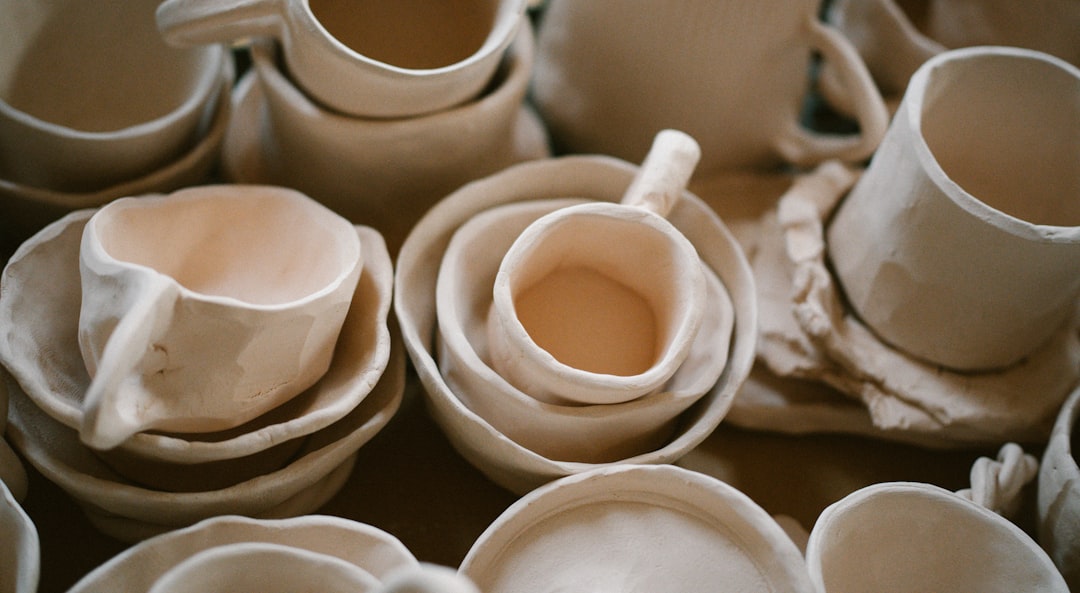
Ceramic cookware has emerged as a popular choice for individuals seeking to enhance the healthfulness of their culinary practices. Composed of naturally occurring minerals fired at high temperatures, ceramic cookware offers a distinct set of advantages that can contribute to a lower-fat diet and a reduction in the introduction of potentially harmful chemicals into food. This article will explore the multifaceted benefits of incorporating ceramic cookware into one’s kitchen, examining its material properties, performance characteristics, and its overall contribution to a healthier lifestyle.
A primary advantage of ceramic cookware lies in the inherent inertness of its ceramic coating. Unlike some traditional non-stick surfaces, such as those made with per- and polyfluoroalkyl substances (PFAS), ceramic coatings are typically derived from silicon, a common element found abundantly in nature. This silicon-based composition means that when subjected to heat, the ceramic coating is less likely to leach unwanted substances into the food being prepared. This characteristic is particularly important for individuals concerned about the potential long-term health effects associated with the ingestion of chemical compounds.
Understanding the Composition of Ceramic Coatings
Ceramic coatings on cookware are not a monolithic entity. While the core material is often silicon-based, the manufacturing process involves the application of a liquid coating derived from natural minerals, such as sand. This liquid is then cured at extremely high temperatures, resulting in a hard, glassy, and non-porous surface. This curing process is crucial in creating an impermeable barrier that contributes to the coating’s durability and its resistance to chemical breakdown. The absence of manufactured chemicals, such as PTFE and PFOA, which were historically used in some non-stick cookware, is a cornerstone of ceramic cookware’s appeal for health-conscious consumers.
The Absence of PFAS and Other Potentially Harmful Chemicals
The widespread concern surrounding PFAS, often referred to as “forever chemicals,” has driven many consumers away from conventional non-stick cookware. These substances are known for their persistence in the environment and in the human body, with links to various health issues. Ceramic cookware, in its most common formulations, stands as a clear alternative, consciously manufactured without these problematic compounds. This inherent absence provides a significant psychological and tangible benefit for those prioritizing a food-safe cooking environment. It is akin to choosing unadulterated spring water over processed beverages; the purity of the source is a primary consideration for well-being.
Thermal Stability and Reduced Off-Gassing
The high firing temperatures used in ceramic production contribute to the coating’s excellent thermal stability. This means that the material is less prone to degradation and off-gassing, even when exposed to typical cooking temperatures. Off-gassing refers to the emission of volatile organic compounds (VOCs) or other airborne particles from materials when heated. While some ceramic coatings may exhibit minimal off-gassing during the initial curing stages of manufacturing, a properly cured and well-maintained ceramic pan should present a stable and inert surface during normal cooking. This minimizes the potential for airborne contaminants entering the kitchen environment and, consequently, the food.
Ceramic cookware has gained popularity for its non-toxic and eco-friendly properties, making it a preferred choice for health-conscious cooks. If you’re interested in learning more about the benefits and care of ceramic cookware, you might find this related article helpful: Discover the Advantages of Ceramic Cookware. This resource provides insights into how ceramic cookware can enhance your cooking experience while ensuring safety and sustainability in your kitchen.
Reduced Oil and Fat Requirements for Healthier Cooking
One of the most tangible benefits of ceramic cookware for healthy cooking is its ability to facilitate cooking with significantly less oil or fat. The non-stick properties of a well-functioning ceramic surface allow food to release easily, reducing the need for liberal applications of butter or oil. This directly translates to a lower calorie and lower fat content in prepared meals, a key objective for many individuals managing their weight or seeking to improve their cardiovascular health.
The Mechanism of Non-Stick Performance
The non-stick performance of ceramic cookware is an interplay between the smooth, glassy surface of the coating and its minimal porosity. Like a perfectly polished mirror, the surface offers fewer anchor points for food to adhere. While not as aggressively non-stick as some older generations of PFAS-based coatings, a good quality ceramic pan, when preheated correctly and used with a minimal amount of oil or fat, provides sufficient release for most cooking tasks. This controlled non-stick characteristic ensures that food is cooked evenly without becoming a sticky mess, but without requiring an excessive amount of added fats.
Facilitating Low-Fat and Low-Calorie Meal Preparation
The reduced need for cooking oils and fats directly impacts the nutritional profile of dishes. When sautéing vegetables, searing proteins, or cooking eggs, a ceramic pan can often achieve excellent results with just a light spritz of oil or a small tablespoon. This difference, accumulated over multiple meals throughout the week, can lead to a substantial reduction in daily fat and calorie intake. For individuals actively managing their weight or adhering to dietary guidelines for health reasons, this attribute makes ceramic a valuable tool in their kitchen arsenal. It’s like choosing a lighter shade of paint for a room; the overall effect is brighter and less visually heavy.
Advantages for Specific Dietary Needs
Beyond general healthy eating, ceramic cookware is particularly beneficial for individuals with specific dietary needs, such as those following low-fat diets for medical reasons, such as managing cholesterol levels or certain gastrointestinal conditions. The ability to prepare delicious and satisfying meals without relying on large amounts of fat opens up a wider range of culinary possibilities for these individuals. It empowers them to enjoy their favorite dishes while adhering to strict nutritional parameters.
Even Heat Distribution for Consistent and Nutritious Results
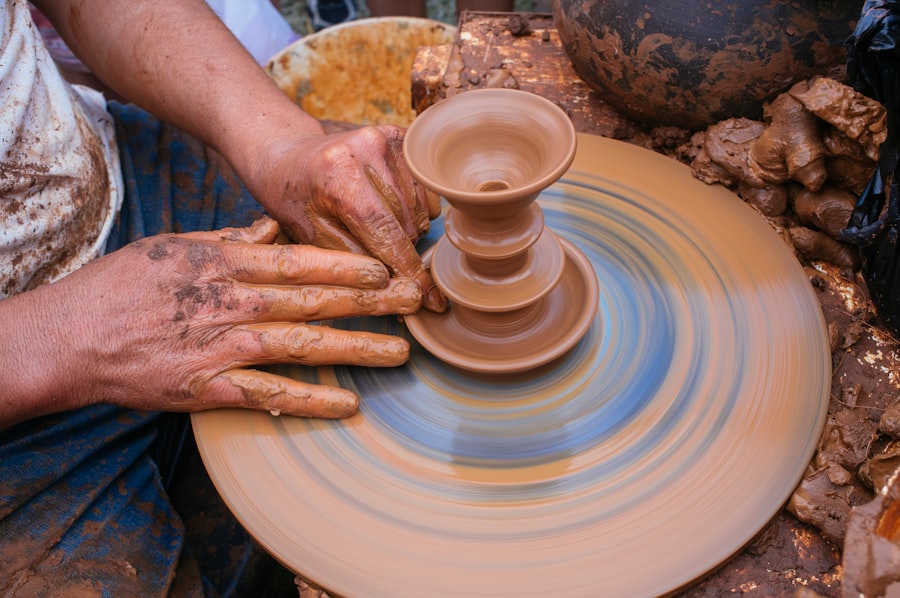
Effective heat distribution is a critical factor in achieving evenly cooked food, which in turn contributes to better nutrient retention and overall culinary quality. Many ceramic cookware pieces are designed with materials and construction that promote even heating, minimizing hot spots and preventing food from burning or undercooking in different areas of the pan.
Material Science Behind Even Heating
The base material of ceramic cookware plays a significant role in its heat distribution properties. While the coating itself is non-metallic, the underlying layers or the pan’s construction often incorporate materials like aluminum, stainless steel, or even layered composites known for their excellent thermal conductivity. For instance, pans with an aluminum core encased in stainless steel combine the fast heating of aluminum with the durability and non-reactive surface of stainless steel, ensuring efficient and even heat transfer to the ceramic coating. This layered approach is like building a well-insulated house; it prevents temperature fluctuations from impacting the interior.
Minimizing Hot Spots and Uneven Cooking
Hot spots, areas of localized intense heat, can lead to unevenly cooked food, with some parts burning while others remain undercooked. This not only affects the taste and texture of the meal but can also impact nutrient degradation. Ceramic cookware, when engineered with good heat distribution in mind, minimizes these hot spots. This allows for more predictable cooking results, ensuring that ingredients are exposed to consistent temperatures, which can help preserve their nutritional integrity.
Impact on Nutrient Retention
Even cooking temperatures are not just about taste; they are also about nutrition. When food is subjected to extreme or uneven heat, certain nutrients can be damaged or leached out more readily. By providing a more consistent and controlled heat environment, ceramic cookware can contribute to better nutrient retention. This means that the vitamins and minerals present in your ingredients are more likely to find their way to your plate.
Durability and Longevity for Sustainable Cooking
While the term “healthy cooking” often focuses on immediate nutritional outcomes, the concept of sustainability also plays a vital role in long-term well-being. Durable cookware that lasts for many years reduces the need for frequent replacements, minimizing waste and resource consumption. Many high-quality ceramic cookware sets are designed with durability in mind, offering a long service life.
Construction and Material Choices for Longevity
The longevity of ceramic cookware is influenced by its construction. Pans with robust bases, well-attached handles, and multi-layer coatings tend to withstand daily use better. The ceramic coating itself, when properly cared for, is known for its scratch resistance, although this resistance can vary between brands and specific product lines. Investing in reputable brands often translates to a more durable product that will serve its purpose for an extended period.
Resistance to Warping and Degradation
A significant advantage of some ceramic cookware, particularly those with thicker bases or reinforced construction, is their resistance to warping. Warped pans can sit unevenly on heat sources, leading to poor heat distribution and inefficient cooking. Well-made ceramic cookware, with its sturdy build, is less prone to this issue, ensuring consistent performance over time. This resilience is like a well-built bridge; it stands strong against the stresses of daily use.
The Environmental Benefit of Reduced Replacement Cycles
The environmental impact of consumer goods is an increasingly important consideration. When cookware has a short lifespan, it contributes to landfill waste and the depletion of resources required for manufacturing new items. Ceramic cookware, with its potential for longevity, offers an environmentally conscious choice. By investing in quality that lasts, individuals can reduce their environmental footprint by choosing durable over disposable.
Ceramic cookware has gained popularity for its non-toxic properties and excellent heat distribution, making it a favorite among health-conscious cooks. If you’re interested in learning more about the benefits and uses of ceramic cookware, you might find this article on cooking essentials particularly insightful. It explores various types of cookware and offers tips on how to maintain them for longevity, ensuring you get the best out of your kitchen tools.
Ease of Cleaning and Maintenance for Consistent Use
| Metric | Value | Unit | Notes |
|---|---|---|---|
| Average Heat Resistance | 450 | °F | Maximum temperature ceramic cookware can withstand |
| Typical Weight | 1.5 – 3 | kg | Varies by size and brand |
| Non-stick Rating | 8 | /10 | Effectiveness of non-stick coating |
| Durability | 5 – 7 | Years | Average lifespan with regular use |
| Oven Safe Temperature | 350 | °F | Safe maximum oven temperature for most ceramic cookware |
| Typical Price Range | 30 – 150 | Units | Varies by brand and set size |
| Material Composition | Aluminum core with ceramic coating | N/A | Common construction for heat distribution and non-stick |
The practicality of cookware is a significant factor in its consistent use. Ceramic cookware is renowned for its ease of cleaning, which encourages regular engagement with healthy cooking practices. A simple and less labor-intensive cleanup process makes cooking more enjoyable and less of a chore.
Non-Stick Properties and Residue Prevention
The very non-stick properties that contribute to healthier cooking also make cleaning significantly easier. Food residues are less likely to adhere firmly to the ceramic surface, allowing for simpler wiping and washing. This is particularly beneficial when cooking slightly stickier ingredients that might pose a challenge for other types of cookware.
Simple Washing and Care Instructions
Most ceramic cookware can be cleaned with warm, soapy water and a soft sponge or cloth. Harsh abrasives or metal scouring pads are generally discouraged, as they can scratch the ceramic surface and diminish its non-stick properties. Following manufacturer guidelines for care, such as avoiding sudden temperature changes and allowing the pan to cool before washing, will help maintain its performance and longevity. This straightforward maintenance is like tending a garden; consistent, gentle care yields the best results.
The Impact of Easy Cleaning on Cooking Habits
When cleaning is a quick and effortless process, individuals are more likely to cook at home regularly. This can lead to a greater reliance on home-cooked meals, which are typically healthier than meals prepared outside the home. The convenience of easy cleanup acts as a subtle but powerful enabler of consistent healthy eating habits. It removes a potential barrier that might otherwise deter someone from spending time in the kitchen.
In conclusion, ceramic cookware presents a compelling case for its integration into a health-conscious kitchen. Its inert composition, ability to reduce reliance on added fats, even heat distribution, durable construction, and user-friendly maintenance collectively contribute to a healthier and more sustainable approach to cooking. By understanding the nuances of its material properties and embracing best practices for its use and care, individuals can unlock the full potential of ceramic cookware in their pursuit of well-being.
FAQs
What is ceramic cookware made of?
Ceramic cookware is typically made from natural clay that is molded and then kiln-baked at high temperatures. It is often coated with a ceramic glaze that provides a non-stick surface and enhances durability.
Is ceramic cookware safe to use?
Yes, ceramic cookware is generally considered safe to use. It is free from harmful chemicals like PFOA and PTFE, which are found in some non-stick coatings. However, it is important to use and maintain it properly to avoid chipping or cracking.
How does ceramic cookware compare to traditional non-stick pans?
Ceramic cookware offers a non-stick surface without the use of synthetic chemicals, making it a more environmentally friendly option. It can withstand higher temperatures but may be less durable over time compared to traditional non-stick pans.
Can ceramic cookware be used on all types of stovetops?
Most ceramic cookware is compatible with gas, electric, and ceramic stovetops. However, not all ceramic cookware is suitable for induction cooktops unless it has a magnetic base. Always check the manufacturer’s specifications before use.
How should ceramic cookware be cleaned and maintained?
Ceramic cookware should be cleaned with warm, soapy water and a soft sponge to avoid scratching the surface. Avoid using abrasive cleaners or metal utensils. It is also recommended to let the cookware cool before washing to prevent thermal shock.