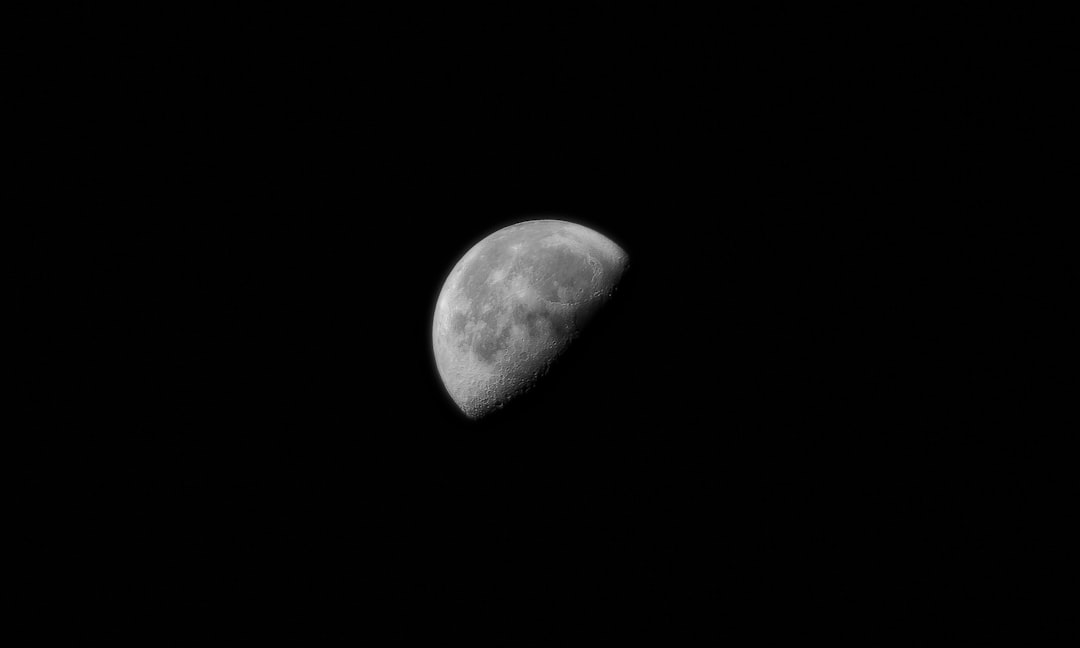
The Moon, Earth’s only natural satellite, has captivated humanity for millennia. Its pockmarked face, a silent sentinel in the night sky, has inspired myths, guided navigators, and served as a canvas for our deepest curiosities. While much has been learned about our celestial neighbor, the lunar surface continues to hold profound mysteries, beckoning further exploration to unravel its ancient secrets. This article delves into some of the most intriguing aspects of the Moon’s topography, composition, and geological history, offering a glimpse into the ongoing quest to understand this familiar yet enigmatic world.
The most immediate and striking feature of the Moon is its heavily cratered surface. These depressions, ranging in size from microscopic to hundreds of kilometers in diameter, are the indelible scars left by billions of years of bombardment by asteroids and meteoroids. The Moon, lacking a substantial atmosphere or tectonic activity, has preserved these impact features far more effectively than Earth.
The Anatomy of a Crater
Understanding crater formation is key to deciphering lunar history. When a projectile strikes the lunar surface, the kinetic energy is instantaneously converted, creating a shockwave that excavates material. A central peak may form in larger craters due to the rebound of compressed rock. The ejecta, the material thrown out from the impact, often forms rays that can extend for vast distances, painting streaks across the lunar regolith. The study of crater size-frequency distributions provides crucial chronological information, as older surfaces tend to have a higher density of impact craters. This is akin to reading the rings of a tree, each crater a witness to a specific point in time.
Maria: Ancient Lava Flows
Dominating the visible lunar landscape are the vast, dark plains known as the maria (singular: mare), Latin for “seas.” These are not bodies of water, as early astronomers once believed, but rather immense basaltic plains formed by ancient volcanic eruptions. These eruptions occurred billions of years ago, filling in large impact basins and smoothing out the terrain. The maria are generally younger than the heavily cratered highlands and often exhibit fewer impact craters. Their dark coloration is due to the presence of iron and titanium-rich minerals in the basaltic lava.
The Genesis of the Maria
The formation of the maria is intrinsically linked to the Moon’s early thermal history. Following its formation, the Moon was a molten world. As it cooled, a solid crust formed. Large impacts, particularly those that created the Procellarum Basin, would have fractured this crust, allowing magma from the Moon’s interior to erupt onto the surface. These eruptions were likely effusive, unlike the explosive volcanoes we see on Earth, leading to widespread lava flows. The sheer volume of lava that once flowed across the lunar surface is a testament to the Moon’s dynamic past.
Highlands: The Older Lunar Crust
In stark contrast to the dark maria, the lunar highlands are characterized by their lighter coloration and rugged, mountainous terrain. These regions represent the Moon’s original crust, formed during the early stages of its cooling. The highlands are saturated with impact craters of all sizes, indicating their extreme age. Their composition is primarily anorthosite, a feldspar-rich igneous rock. The highlands are a chronicle of the Moon’s primordial bombardment, a stark reminder of the chaotic early solar system.
Anorthosite: A Window into Lunar Origins
The prevalence of anorthosite in the highlands provides a critical clue about the Moon’s formation. Scientists believe that the Moon initially differentiated into distinct layers, with lighter, less dense minerals like anorthosite “floating” to the top of a magma ocean, forming the initial crust. This concept of a “magma ocean” is a cornerstone of lunar formation theories, suggesting a period of intense heat and melting shortly after the Moon coalesced.
Recent studies on the lunar surface have revealed fascinating insights into its geological composition and potential resources. For a deeper understanding of these findings, you can explore the related article that discusses the implications of lunar exploration for future missions and the potential for sustainable habitation. Check it out here: Lunar Surface Exploration Insights.
A Symphony of Elements: Lunar Composition and Regolith
The Moon’s surface is not merely rock and dust; it is a repository of geological information encoded in its chemical and mineralogical makeup. Understanding this composition is crucial for comprehending the Moon’s formation, evolution, and potential resource utilization.
The Regolith: A Cosmic Dust Blanket
The outermost layer of the Moon is covered in a fine, powdery layer known as regolith. This “moon dust” is not windblown like Earth’s soil but is the product of countless micrometeorite impacts and the fragmentation of larger rocks over eons. The regolith is composed of broken rock fragments, mineral grains, and glass produced by the intense heat and pressure of impacts. Its depth can vary significantly, from mere centimeters in younger areas to tens of meters in older regions. This regolith acts as a protective blanket, but also as an abrasive agent, posing significant challenges for spacecraft and equipment.
The Properties of Lunar Dust
Lunar regolith is remarkably abrasive and electrostatically charged, making it a persistent nuisance for astronauts and machinery. It can clog seals, degrade sensitive equipment, and even pose health risks if inhaled. The behavior of this dust under different conditions is a complex area of study, with implications for future lunar bases and activities. It is a subtle but formidable adversary in the lunar environment.
Volatile Compounds: The Elusive Treasures
One of the most exciting discoveries in recent lunar exploration has been the identification of water ice and other volatile compounds in permanently shadowed regions (PSRs) near the lunar poles. These regions, perpetually shielded from direct sunlight, act as cold traps, preserving volatile materials that would otherwise sublimate into space.
Water Ice: A Game-Changer for Future Missions
The presence of water ice is a potential game-changer for future lunar exploration and settlement. Water can be used for drinking, agriculture, and crucially, it can be electrolyzed to produce hydrogen and oxygen, essential components for rocket propellant. This possibility transforms the Moon from a barren outpost into a potential refueling station for missions venturing further into the solar system. The quest to accurately map and quantify these ice reserves is a high priority.
Mineralogy: Unraveling the Moon’s Internal Processes
The specific mineralogy of the lunar surface provides insights into the Moon’s internal geological processes. Analysis of lunar rocks brought back by the Apollo missions and remotely sensed data reveal the abundance of minerals like pyroxene, olivine, ilmenite, and feldspar. The distribution and proportions of these minerals can hint at the conditions under which they formed, whether in a molten magma ocean or during volcanic eruptions.
Rare Earth Elements: Potential Resources
Some lunar rocks have been found to contain significant concentrations of rare earth elements (REEs), valuable for modern technologies like electronics and renewable energy. The potential for mining these resources on the Moon is a subject of intense scientific and economic interest, though the technical and logistical challenges are considerable.
A History Etched in Stone: Lunar Geology and Evolution
The Moon, though seemingly static, has a rich and complex geological history that spans billions of years. By studying its features and composition, scientists can piece together the story of its formation, its internal evolution, and its interaction with the broader solar system.
The Giant Impact Hypothesis: Birth of the Moon
The prevailing theory for the Moon’s formation is the Giant Impact Hypothesis. This model proposes that a Mars-sized protoplanet, dubbed Theia, collided with the early Earth approximately 4.5 billion years ago. The impact was cataclysmic, ejecting a vast amount of molten rock and debris into orbit around Earth, which eventually coalesced to form the Moon.
Evidence for the Giant Impact
The isotopic similarities between Earth rocks and lunar samples, particularly the ratios of oxygen isotopes, strongly support this hypothesis. The lack of a large iron core in the Moon, compared to Earth, also aligns with the idea that the Moon formed primarily from the mantle material of both bodies ejected during the collision. The impact was the fiery baptism that brought our celestial companion into existence.
Internal Structure: A Layered Sphere
Like Earth, the Moon is believed to possess a layered internal structure, though much less active. Current models suggest a small, dense metallic core, surrounded by a rocky mantle, and finally, the crust. The Moon’s core is thought to be primarily composed of iron and nickel, though its exact size and state (solid or molten) are still subjects of active research. The Moon’s overall lower density than Earth reflects its smaller iron core.
Seismic Activity: Moonquakes
While the Moon is geologically quiescent compared to Earth, it does experience seismic activity, known as moonquakes. These are generally much weaker than earthquakes and are thought to be caused by tidal stresses from Earth, thermal contraction of the lunar interior, and possibly meteorite impacts. Networks of seismometers deployed by the Apollo missions provided invaluable data on the Moon’s internal structure.
The End of Lunar Volcanism: A Dormant World
Lunar volcanic activity largely ceased billions of years ago, long before the advent of human civilization. The Moon’s smaller size meant it lost its internal heat more rapidly than Earth, causing its mantle to solidify and volcanic processes to cease. The absence of ongoing plate tectonics and widespread erosion means that the surface features left by this ancient volcanism remain largely preserved.
The Cooling Moon
The gradual cooling of the Moon is a fundamental aspect of its evolution. This cooling led to the solidification of its interior, the cessation of significant geological activity, and the formation of the distinct geological provinces we observe today. The Moon is a portrait of a planet that has largely completed its active geological life.
Exploring the Unseen: Lunar Poles and Permanently Shadowed Regions
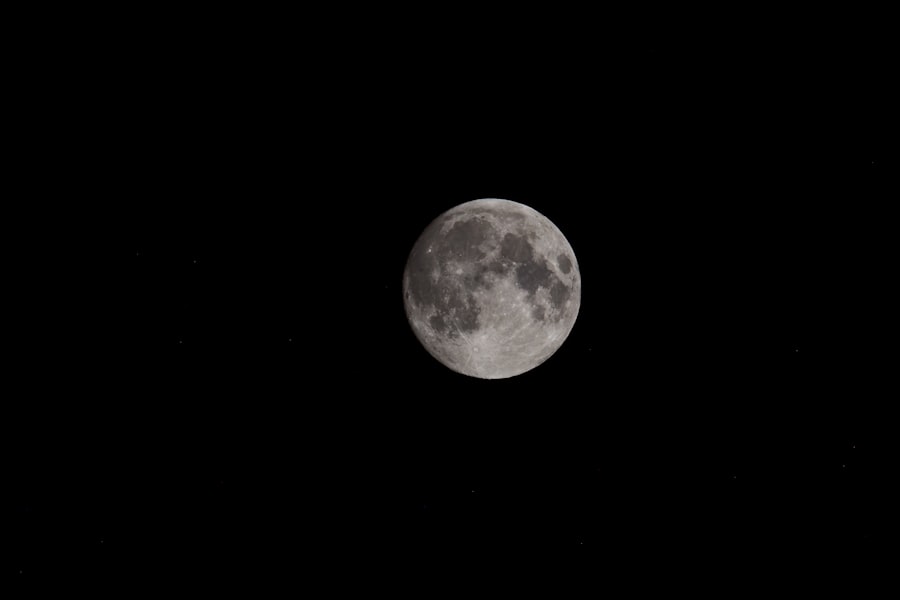
The lunar poles represent a frontier of exploration, holding unique scientific and resource potential. The extreme conditions in these regions, particularly in the permanently shadowed areas, have kept them largely pristine and scientifically intriguing.
The Enigma of the Poles
The extreme axial tilt of some planets can lead to permanently shadowed regions, and the Moon, while having a very small axial tilt (about 1.5 degrees), still exhibits these areas due to the deep relief of some craters. The lack of direct sunlight in these craters creates incredibly cold environments, making them ideal for preserving volatile compounds like water ice.
Scientific Riches in the Cold
These PSRs are thought to be a treasure trove of scientific information, potentially containing pristine samples of cometary and asteroidal material delivered to the Moon over billions of years. Studying these materials could offer unparalleled insights into the early solar system and the delivery of water and organic molecules to the inner planets.
The Search for Water Ice: A Resource Frontier
As mentioned earlier, the confirmed presence of water ice in PSRs has significant implications for future lunar exploration. The ability to extract and utilize this water eliminates the need to transport large quantities of it from Earth, a costly and complex endeavor.
Sustainable Lunar Presence
The prospect of in-situ resource utilization (ISRU), particularly the use of lunar water for propellant production, is a critical step towards establishing a sustainable human presence on the Moon. This would allow for longer-duration missions, more frequent resupply, and the establishment of a lunar base that can serve as a stepping stone for further space exploration.
Recent studies have revealed fascinating insights into the composition and geology of the Lunar surface, shedding light on its formation and evolution. For those interested in exploring this topic further, a related article discusses the potential for future lunar exploration and the resources that could be utilized. You can read more about it in this informative piece on lunar research. To delve deeper, check out the article here.
The Shadow of the Future: Lunar Missions and Unanswered Questions
| Metric | Value | Unit | Description |
|---|---|---|---|
| Average Surface Gravity | 1.62 | m/s² | Gravitational acceleration on the lunar surface |
| Surface Temperature Range | -173 to 127 | °C | Temperature variation between lunar night and day |
| Surface Composition | Regolith, Basalt, Anorthosite | N/A | Main materials found on the lunar surface |
| Average Surface Pressure | 3 × 10⁻¹⁵ | atm | Extremely low pressure, near vacuum |
| Surface Area | 3.793 × 10⁷ | km² | Total area of the lunar surface |
| Albedo | 0.12 | Unitless | Reflectivity of the lunar surface |
| Regolith Depth | 4 to 5 | meters | Average thickness of lunar soil layer |
Despite centuries of observation and decades of robotic and human exploration, the Moon continues to pose scientific questions that fuel ongoing and future missions. Each mission unfolds new layers of understanding, while simultaneously revealing even more profound mysteries.
Modern Lunar Exploration: A Renewed Interest
Following a lull in intense lunar exploration after the Apollo era, there has been a significant resurgence of interest in the Moon. Nations and private entities are now actively planning and executing missions to study its geology, search for resources, and pave the way for future human outposts.
Robotic Scouts and Orbiters
Current missions often begin with robotic scouts, orbiters, and landers that provide detailed mapping, compositional analysis, and environmental monitoring. These missions act as the eyes and ears, gathering crucial data before the expense and complexity of human missions are undertaken.
Unanswered Questions: The Ongoing Enigma
Despite our advancements, many questions about the Moon remain unanswered. How much water ice is truly present at the poles, and in what form? What are the precise details of the Giant Impact event? Is there evidence of ancient lunar life, however unlikely? Could there be subsurface water or ice in other locations? The Moon, like a vast, uncharted book, still holds many unread pages.
The Moon as a Laboratory
The Moon serves as a unique natural laboratory for understanding planetary processes. Its relatively simple geological history, compared to Earth, allows scientists to study fundamental concepts in planetary science in a less complicated environment.
The Prospect of Lunar Bases: A New Chapter
The ultimate goal for many current lunar endeavors is the establishment of permanent or semi-permanent human outposts. These bases would facilitate continued scientific research, resource utilization, and serve as a staging ground for missions to Mars and beyond. The challenges of establishing such bases, from life support to radiation shielding, are immense but are being actively addressed.
The Moon, our silent neighbor, continues to be a source of fascination and scientific inquiry. Its surface, a pristine record of cosmic history, offers invaluable insights into the formation and evolution of our solar system. As technology advances and our ambitions grow, further exploration of the lunar surface promises to unlock its remaining secrets, pushing the boundaries of human knowledge and endeavor. The journey of discovery on our closest celestial companion is far from over.
FAQs
What is the composition of the lunar surface?
The lunar surface is primarily composed of regolith, a layer of loose, fragmented material including dust, soil, broken rock, and other related materials. It consists mainly of oxygen, silicon, magnesium, iron, calcium, and aluminum, with smaller amounts of titanium, uranium, thorium, potassium, and hydrogen.
What are the main features found on the lunar surface?
The lunar surface features include craters formed by meteorite impacts, maria (large, dark basaltic plains), highlands (lighter, mountainous regions), rilles (valley-like structures), and regolith covering most areas. These features result from volcanic activity, impacts, and space weathering over billions of years.
How does the lunar surface affect temperature variations on the Moon?
The lunar surface experiences extreme temperature variations because it lacks a significant atmosphere to retain heat. Temperatures can range from about 127°C (260°F) during the lunar day to -173°C (-280°F) at night, causing rapid heating and cooling of the surface materials.
Why is the lunar surface covered in dust?
The lunar dust, or regolith, is created by constant bombardment from micrometeorites and solar wind particles that break down rocks into fine particles. This dust is very fine and abrasive, covering the entire surface and posing challenges for equipment and astronauts.
How does the lunar surface impact human exploration?
The lunar surface’s rough terrain, dust, and extreme temperatures present challenges for human exploration. Dust can damage equipment and pose health risks, while temperature extremes require specialized suits and habitats. Understanding the surface is crucial for safe landing, mobility, and long-term habitation.