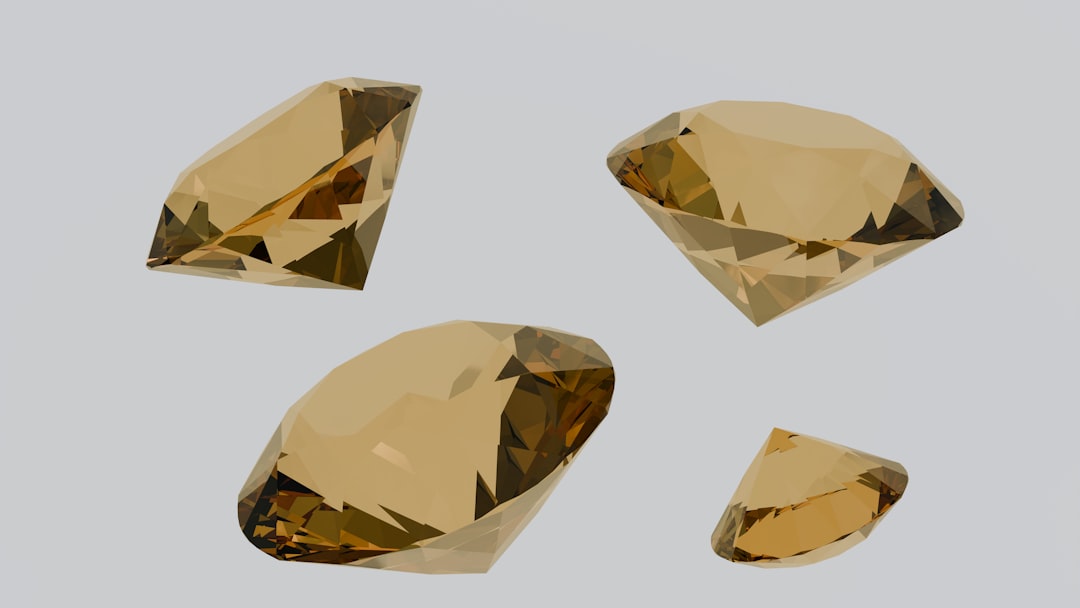
Understanding the process of diamond certification is a critical step for anyone considering purchasing such a significant and valuable item. A diamond is more than just a beautiful stone; it represents a substantial financial investment and often holds deep emotional significance. Without a clear understanding of its characteristics, you are essentially buying blind, relying solely on the seller’s assurances. This article aims to demystify the certification process, providing you with the knowledge to make informed decisions and ensure you are getting exactly what you pay for.
The Foundation of Trust: What is Diamond Certification?
Diamond certification, often referred to as a grading report or lab report, is a comprehensive document issued by an independent gemological laboratory. This report objectively assesses and describes the unique characteristics of a specific diamond. It serves as an impartial evaluation, providing a universal language for describing diamond quality, thereby fostering transparency and trust in the marketplace. Think of it as a birth certificate and medical record rolled into one for your diamond, detailing its origins, unique features, and overall health.
Why Certification is Indispensable
Imagine purchasing a house without an inspection or a car without knowing its make, model, or mileage. The risks would be immense. Similarly, a diamond without a certification is a leap of faith. The report protects the buyer by confirming the legitimate properties of the stone, acting as a safeguard against misrepresentation or fraud. It allows for price comparisons based on objective data rather than subjective claims.
Beyond a Sales Pitch: The Role of Independent Labs
It is crucial to understand that these grading reports are issued by independent laboratories, not by the sellers themselves. This independence is paramount to maintaining objectivity and credibility. The labs do not buy or sell diamonds; their sole purpose is to analyze and grade them according to universally recognized standards. This separation of powers is what gives the certification its authority and trustworthiness.
Deconstructing the 4Cs: The Universal Language of Diamonds
The bedrock of diamond certification lies in the meticulous evaluation of the “4Cs”: Carat weight, Cut, Color, and Clarity. These four factors collectively determine a diamond’s beauty, rarity, and ultimately, its value. Mastering the 4Cs is akin to learning the alphabet of diamond appreciation.
Carat Weight: More Than Just Size
Carat refers to the diamond’s weight, not its size. One carat is equivalent to 200 milligrams (0.2 grams). While a larger carat weight often corresponds to a larger physical appearance, two diamonds of the same carat weight can appear different in size depending on their cut. The price of diamonds tends to increase significantly at certain weight thresholds (e.g., 0.50 ct, 1.00 ct), reflecting the rarity of larger stones.
Cut: The Sparkle Engine
The cut is arguably the most critical of the 4Cs, as it dictates how effectively a diamond interacts with light. It refers to the diamond’s proportions, symmetry, and polish, all of which influence its brilliance (white light reflection), fire (dispersion of light into spectral colors), and scintillation (flashes of light and dark areas as the diamond moves). A well-cut diamond acts like a perfectly engineered prism, capturing light and returning it with dazzling effect. Conversely, a poorly cut diamond, even with excellent color and clarity, will appear dull and lifeless. Different certification labs use varying scales for cut grading, but generally, they range from Excellent/Ideal to Poor.
Color: The Absence of Hue
Diamond color actually refers to the absence of color. The ideal diamond is entirely colorless, allowing light to pass through it without obstruction and reflect as pure white light. The GIA (Gemological Institute of America) color scale, the most widely adopted, ranges from D (colorless) to Z (light yellow or brown). Diamonds in the D-F range are considered colorless, G-J are near-colorless (often appearing colorless to the untrained eye in a mounted setting), and K-M are faint, with subsequent grades indicating increasingly noticeable color.
Clarity: The Diamond’s Purity
Clarity measures the presence and visibility of internal characteristics (inclusions) and external characteristics (blemishes). These are naturally occurring imperfections, a unique fingerprint of the diamond’s formation. Rarer diamonds have fewer and less visible inclusions and blemishes. The GIA clarity scale ranges from Flawless (FL) to Included (I3):
- Flawless (FL): No inclusions or blemishes visible under 10x magnification.
- Internally Flawless (IF): No inclusions visible under 10x magnification, only minor blemishes.
- Very, Very Slightly Included (VVS1, VVS2): Inclusions are extremely difficult to see under 10x magnification.
- Very Slightly Included (VS1, VS2): Inclusions are difficult to see under 10x magnification.
- Slightly Included (SI1, SI2): Inclusions are noticeable under 10x magnification.
- Included (I1, I2, I3): Inclusions are obvious under 10x magnification and may be visible to the naked eye.
While higher clarity grades are rarer and more expensive, many inclusions in the VS and SI ranges may not be visible to the naked eye, offering excellent value.
Major Players in Diamond Certification: Who to Trust
Not all certifications are created equal. The reputation and consistency of the issuing laboratory are paramount. Relying on a report from a less reputable lab is akin to getting medical advice from an unqualified source – the information might be present, but its accuracy and reliability are questionable.
The Gold Standard: GIA (Gemological Institute of America)
The GIA is widely regarded as the most respected and authoritative gemological laboratory in the world. They established the 4Cs grading system and developed the international diamond grading standards. GIA reports are known for their consistency, accuracy, and detailed information. A GIA certificate provides a robust assurance of quality and is often considered the benchmark against which other reports are measured.
Other Reputable Laboratories
While GIA is often the preference, several other reputable laboratories offer reliable grading services:
- AGS (American Gem Society Laboratories): Known for its rigorous cut grading system, particularly its “AGS Ideal” cut grade, which is considered exceptional.
- IGI (International Gemological Institute): A globally recognized lab, particularly strong in Europe and Asia, offering comprehensive reports for both natural and lab-grown diamonds.
- HRD (Hoge Raad voor Diamant – Diamond High Council): A highly respected European lab, particularly well-known in the Antwerp diamond trade, offering detailed reports.
It is generally advisable to stick to diamonds certified by these well-established laboratories. Avoid certificates from labs that are unknown or those that appear to be associated directly with a specific seller, as this may compromise their independence.
The Certification Process: A Journey Through the Lab
Understanding how a diamond travels through a gemological laboratory can provide insight into the meticulous nature of the grading process. It’s not a quick glance, but a systematic, multi-stage assessment designed to ensure accuracy and objectivity.
Anonymity and Impartiality
Upon arrival at a reputable lab, diamonds are typically de-mounted (if set) and assigned a unique identifying number. During the grading process, the diamond’s source or owner is kept anonymous to ensure impartial evaluation. This prevents any potential bias from influencing the graders.
Multi-Grader Assessment
Each diamond typically undergoes inspection by multiple expert gemologists, often working independently. These graders assess the 4Cs using specialized tools such as loupes, microscopes, and advanced light measurement devices. Their individual findings are then reviewed and compared. In cases of discrepancies, the diamond is re-examined by a senior grader until a consensus is reached, ensuring the highest level of accuracy.
Advanced Equipment and Technology
Modern gemological labs utilize state-of-the-art technology to supplement the human eye. This includes spectrographs to detect treatments, automated plotting systems for inclusions, and sophisticated instruments to analyze light performance and cut precision. This technological integration enhances the precision and consistency of the grading process.
Beyond the 4Cs: Additional Information on a Cert
While the 4Cs form the core of a diamond’s grading, a comprehensive certification report will often include additional crucial information, acting as a complete resume for your stone.
Fluorescence: A Hidden Glow
Fluorescence refers to a diamond’s tendency to emit a soft glow (usually blue) when exposed to ultraviolet (UV) light. While most diamonds exhibit some level of fluorescence, it is generally graded as None, Faint, Medium, Strong, or Very Strong. In most cases, fluorescence has no impact on a diamond’s appearance. However, very strong fluorescence can sometimes give a diamond a milky or oily appearance, particularly in strong sunlight. For this reason, diamonds with strong to very strong fluorescence are often priced slightly lower.
Treatments: Enhancing Nature?
A crucial section of any certificate details whether the diamond has undergone any treatments to enhance its appearance. Common treatments include:
- HPHT (High-Pressure/High-Temperature): Can improve a diamond’s color and/or clarity.
- Fracture Filling: Involves injecting a glass-like substance into surface-reaching fractures to make them less visible.
- Laser Drilling: Used to remove dark inclusions.
While treatments are not inherently “bad,” full disclosure is essential. Treated diamonds are typically less valuable than untreated diamonds of similar quality. A reputable certificate will always disclose any known treatments, allowing you to make an informed decision.
Laser Inscription: The Diamond’s Fingerprint
Many certified diamonds have a microscopic laser inscription on the girdle (the thin edge) of the stone. This inscription typically includes the certification number, sometimes coupled with the lab’s logo. This provides an indisputable link between the diamond and its corresponding report, offering an extra layer of security and verification. It’s like having a serial number directly on the product, confirming its identity.
Making an Informed Purchase: Your Role as a Buyer
Armed with knowledge about diamond certification, you are now well-equipped to navigate the marketplace. However, understanding the report is only half the battle; knowing how to utilize it effectively is the other.
Always Insist on a Reputable Certificate
Never purchase a diamond without an accompanying report from one of the highly respected laboratories mentioned above. If a seller offers a diamond with a “store certificate” or no certificate at all, view it as a significant red flag.
Verify the Certificate
Before finalizing your purchase, verify the authenticity of the certificate. Reputable labs provide online verification services where you can input the report number and confirm that the details on your physical document match their database. Additionally, if the diamond has a laser inscription, use a loupe to ensure it matches the certificate.
Compare and Contrast
Use the certification report as your primary tool for comparison. When evaluating multiple diamonds, use their 4Cs grades, fluorescence, and treatment disclosures to compare like with like. Understand that minor differences in grading can lead to significant price variations. Prioritize the 4Cs that are most important to you within your budget. For example, some buyers prioritize cut and clarity, while others might tolerate a slightly lower color grade for a larger stone.
Ask Questions
Do not hesitate to ask your jewelry professional questions about the diamond or its certificate. A knowledgeable and trustworthy vendor will be able to explain the different aspects of the report and guide you through your options. Consider them an interpreter for the diamond’s “medical record.”
In conclusion, understanding diamond certification is not merely a technical exercise; it’s an empowerment. It transforms you from a vulnerable consumer into an informed buyer, capable of making a confident and well-reasoned investment. The certificate acts as your shield and your guide, ensuring that the beautiful diamond you choose is accurately represented and truly brings you joy for years to come.
FAQs
What is the diamond certification process?
The diamond certification process involves evaluating a diamond’s quality and characteristics by a professional gemological laboratory. This process includes assessing the diamond’s cut, color, clarity, and carat weight to produce a detailed report or certificate.
Who conducts diamond certification?
Diamond certification is conducted by independent gemological laboratories such as the Gemological Institute of America (GIA), American Gem Society (AGS), International Gemological Institute (IGI), and others. These organizations use standardized methods to ensure accurate and unbiased grading.
Why is diamond certification important?
Diamond certification provides an objective assessment of a diamond’s quality, helping buyers verify the authenticity and value of the stone. It also offers transparency and confidence in the purchase, especially for high-value diamonds.
What information is included in a diamond certificate?
A diamond certificate typically includes details about the diamond’s carat weight, cut grade, color grade, clarity grade, measurements, proportions, and sometimes fluorescence. It may also include a plotted diagram of inclusions and a unique identification number.
How long does the diamond certification process take?
The duration of the diamond certification process varies depending on the laboratory and the complexity of the evaluation. Generally, it can take from a few days to a couple of weeks to receive the completed certificate.