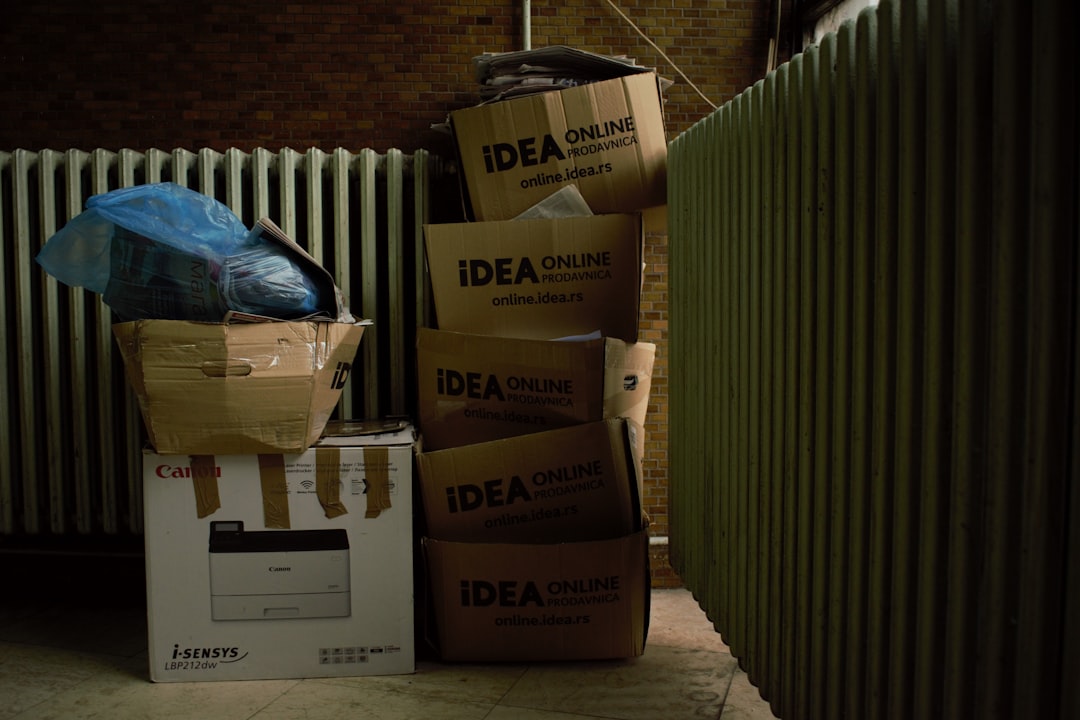
The recycling industry, often lauded as a cornerstone of sustainable resource management, presents a complex tapestry of environmental impacts. While its primary objective is to reduce the consumption of virgin materials and mitigate waste, the processes involved are not without their own ecological footprint. This article delves into the multifaceted environmental implications of recycling, examining both its benefits and the less-discussed challenges that characterize this vital sector.
The most evident benefit of the recycling industry lies in its capacity for resource conservation. By transforming discarded materials into new products, recycling acts as a powerful lever against the depletion of natural resources. Consider, for example, the vast swathes of forests that are spared when paper products are recycled, or the mineral extraction that is circumvented by repurposing metals.
Reduced Demand for Virgin Materials
The production of goods from virgin materials often necessitates extensive extraction processes. Mining for metals, logging for timber, and drilling for petroleum all carry significant environmental burdens, including habitat destruction, soil erosion, and water pollution. Recycling mitigates these impacts by creating a circular economy, where materials are perpetually reintroduced into the production cycle. This is particularly crucial for finite resources such as rare earth elements, where the ecological cost of extraction is exceptionally high. The more efficient the recycling stream, the less pressure is placed on these sensitive ecosystems.
Energy Savings Through Reprocessing
Manufacturing products from recycled materials typically requires less energy than producing them from raw substances. The energy required to melt and refine recycled aluminum, for instance, is considerably lower than that needed to extract bauxite and smelt it into new aluminum. This energy differential translates directly into reduced greenhouse gas emissions, a critical factor in combating climate change. The specific energy savings vary significantly depending on the material; however, the cumulative effect across a broad range of recycled commodities is substantial. Readers should consider the energy embodied in every product they consume and the savings achieved when that product is recycled instead of discarded.
Mitigation of Landfill Expansion
Landfills represent an alternative, often less desirable, destination for discarded materials. These sites consume valuable land, contribute to soil and water contamination through leachate, and release potent greenhouse gases like methane as organic matter decomposes anaerobically. Recycling diverts a significant portion of the waste stream from landfills, thus slowing their expansion and reducing the associated environmental hazards. This is particularly impactful in densely populated areas where land is a scarce commodity, making efficient waste management an even more pressing concern. The capacity of a landfill is finite, and recycling acts as a crucial pressure valve, extending the lifespan of existing sites.
The recycling industry plays a crucial role in mitigating environmental impact by reducing waste and conserving natural resources. For a deeper understanding of how recycling contributes to sustainability and the challenges it faces, you can explore this informative article: The Environmental Impact of Recycling. This resource provides insights into the benefits of recycling, the processes involved, and the importance of community participation in creating a more sustainable future.
Emissions and Energy Consumption within the Recycling Process
While recycling offers substantial environmental benefits, its own operational footprint cannot be overlooked. The processes involved in collecting, sorting, transporting, and reprocessing materials require energy and can generate emissions.
Transportation and Logistics Footprint
The journey of a recyclable item, from homeowner to municipal collection, through sorting facilities, and finally to a reprocessing plant, can be extensive. This complex logistical chain relies heavily on transportation, primarily trucks, which are significant contributors to greenhouse gas emissions and air pollution. The efficiency of collection routes, the distance between sorting centers and reprocessing facilities, and the overall density of the recycling infrastructure all influence this environmental impact. A scattered network of facilities can lead to increased travel distances and higher carbon footprints. The reader should envision the journey of a plastic bottle, from kerbside to factory, and consider the fuel consumed along the way.
Energy Demands of Sorting and Reprocessing
Sophisticated machinery is employed in sorting facilities to separate different types of recyclables, a process that consumes considerable amounts of electricity. Further energy is expended during reprocessing, whether it’s melting plastics, pulping paper, or crushing glass. While, as noted earlier, this is generally less energy-intensive than primary production, it is still a significant input. The source of this energy is critical. If reprocessing plants rely heavily on fossil fuels, then a portion of the environmental benefit is offset by the emissions generated during the recycling process itself. The ideal scenario involves powering these operations with renewable energy sources.
Air and Water Emissions from Industrial Processes
Certain recycling processes can generate their own unique set of emissions. For example, the de-inking process in paper recycling can produce wastewater containing inks and chemicals which require careful treatment. Similarly, the shredding and melting of certain plastics or metals can release volatile organic compounds (VOCs) or other atmospheric pollutants if not properly managed. Readers should be aware that even a “green” industry can have its own industrial byproducts, and the effectiveness of environmental regulations in these facilities is paramount. The journey from “waste” to “resource” is not always pristine.
Challenges and Contamination

The effectiveness of the recycling industry is often hindered by challenges related to material contamination and inherent difficulties in processing certain waste streams. These issues can diminish the environmental efficacy of recycling efforts.
Material Contamination and Downcycling
Contamination,
where non-recyclable items or incompatible materials are mixed with recyclables, is a pervasive problem. A single greasy pizza box can contaminate an entire bale of otherwise recyclable cardboard. This contamination reduces the quality of the recycled output, often leading to “downcycling,” where materials are repurposed into lower-value products rather than being recycled into items of similar quality. Plastic recycling, in particular, is highly susceptible to contamination due to the myriad types of plastics and the difficulty in separating them. This means that a plastic bottle, for instance, might not become another bottle, but instead be transformed into a park bench, which itself might be difficult to recycle further.
Difficult-to-Recycle Materials and End-of-Life Concerns
Not all materials are equally amenable to recycling. Multi-layered packaging, composite materials, and certain electronics often present significant technological barriers to cost-effective and environmentally sound recycling. These “difficult-to-recycle” materials frequently end up in landfills or incinerators, despite initial efforts to collect them. Furthermore, even materials that are widely recycled have a finite number of times they can be reprocessed before their structural integrity degrades too much. Paper fibers shorten with each recycling cycle, eventually becoming unusable. Understanding these limitations is crucial for a realistic assessment of recycling’s potential.
Economic Viability and Market Demand
The environmental impact of recycling is inextricably linked to its economic viability. If there is insufficient market demand for recycled content, or if the cost of collecting and processing exceeds the value of the recycled material, then recycling efforts can falter. Fluctuations in commodity prices can make recycling financially unsustainable, leading to stockpiles of materials or their eventual disposal in landfills. This economic dynamic acts as a critical constraint, determining which materials are recycled and to what extent. Without a robust market, the recycling pipeline can dry up, despite the best intentions.
Water Consumption in Recycling Processes
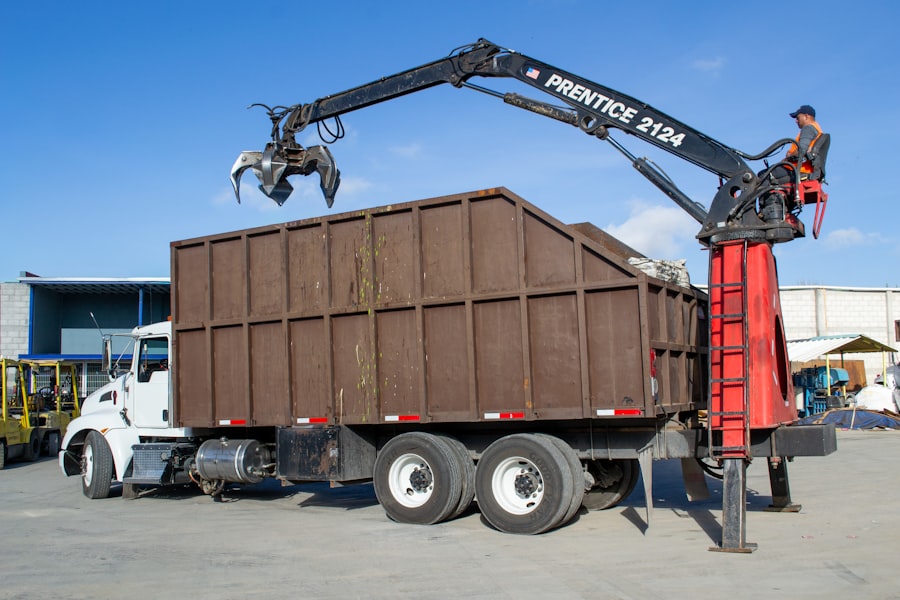
Water is an indispensable resource in many industrial processes, and recycling is no exception. While some recycling methods significantly reduce water usage compared to virgin production, others remain water-intensive.
Water Usage in Paper and Textile Recycling
Paper recycling, for instance, requires substantial amounts of water for pulping, de-inking, and washing processes. While significantly less water is generally used compared to manufacturing paper from virgin wood pulp, the quantities are still considerable. Similarly, textile recycling, particularly processes involving chemical treatments to break down fabrics, can be water-intensive. The efficiency of water use and wastewater treatment at these facilities directly influences the environmental footprint on local water resources. The reader should consider the unseen flow of water that supports the transformation of a discarded newspaper into a new sheet.
Wastewater Treatment and Pollution Potential
The water used in recycling processes often becomes wastewater, potentially containing dissolved chemicals, suspended solids, and other pollutants. Effective wastewater treatment is therefore paramount to prevent the discharge of these contaminants into natural water bodies. The quality of local water infrastructure and regulatory oversight plays a crucial role in mitigating this potential for environmental harm. Without proper treatment, the benefits of resource conservation could be overshadowed by localized water pollution.
Comparative Water Footprint Benefits
Despite the water demands of certain recycling processes, a comprehensive life cycle assessment often reveals that the overall water footprint for producing goods from recycled materials is lower than from virgin sources. For example, producing recycled glass requires considerably less water than manufacturing glass from raw sand, soda ash, and limestone. The net environmental benefit, therefore, comes from this comparison, highlighting the trade-offs and efficiencies gained.
The recycling industry plays a crucial role in mitigating environmental impact, as highlighted in a recent article that discusses innovative approaches to waste management. By transforming materials that would otherwise contribute to landfill overflow, recycling not only conserves natural resources but also reduces greenhouse gas emissions. For more insights on this topic, you can read the article on the importance of recycling and its benefits for the planet at Hey Did You Know This. Understanding these practices is essential for fostering a sustainable future.
Conclusion and Future Directions
| Metric | Description | Environmental Impact | Typical Values | Unit |
|---|---|---|---|---|
| Energy Consumption | Amount of energy used in recycling processes | Lower energy use reduces greenhouse gas emissions | 1,200 – 3,000 | kWh per ton of recycled material |
| CO2 Emissions Reduction | Reduction in carbon dioxide emissions compared to virgin material production | Decreases overall carbon footprint | 1,000 – 2,500 | kg CO2 equivalent per ton recycled |
| Water Usage | Water consumed during recycling operations | Lower water use reduces strain on freshwater resources | 500 – 1,500 | Liters per ton of recycled material |
| Waste Generation | Residual waste produced from recycling processes | Minimizing waste reduces landfill and pollution | 50 – 200 | kg per ton of recycled material |
| Material Recovery Rate | Percentage of material successfully recovered and reused | Higher rates improve resource efficiency | 70 – 95 | % |
| Air Pollutants Emission | Emissions of pollutants like NOx, SOx, and particulate matter | Lower emissions improve air quality | 5 – 50 | kg per ton recycled |
The environmental impact of the recycling industry is a nuanced subject, characterized by both significant benefits and notable challenges. While recycling demonstrably conserves natural resources, reduces energy consumption, and mitigates landfill expansion, it also possesses its own ecological footprint stemming from transportation, energy demands, and potential emissions from industrial processes.
Moving forward, the industry faces the imperative to continually innovate and improve its environmental performance. This includes developing more energy-efficient sorting and reprocessing technologies, enhancing infrastructure to minimize transportation impacts, and investing in research for the recycling of complex materials. Furthermore, greater emphasis on waste prevention and extended producer responsibility (EPR) schemes can further amplify recycling’s positive impact by reducing the overall volume of waste generated. Readers should consider that recycling is not a panacea, but rather a vital component of a broader strategy for sustainable resource management. Its continuous evolution towards greater efficiency and circularity is essential for truly alleviating the environmental pressures of a consumption-driven society. The environmental pendulum of the recycling industry swings between the undeniable good it achieves and the tangible impacts of its operations, necessitating a perpetual strive for net positive outcomes.
FAQs
What is the environmental impact of the recycling industry?
The recycling industry helps reduce waste sent to landfills, conserves natural resources, lowers greenhouse gas emissions, and decreases pollution by reprocessing materials instead of extracting new raw materials.
How does recycling reduce greenhouse gas emissions?
Recycling reduces greenhouse gas emissions by using less energy compared to producing goods from virgin materials. For example, recycling aluminum saves up to 95% of the energy required to make new aluminum from bauxite ore.
Are there any negative environmental impacts associated with recycling?
While recycling has many benefits, it can also have negative impacts such as energy consumption during processing, emissions from transportation, and contamination issues that can reduce efficiency or cause pollution if not managed properly.
Which materials have the greatest environmental benefits when recycled?
Materials like aluminum, paper, glass, and certain plastics provide significant environmental benefits when recycled because they save energy, reduce resource extraction, and lower pollution compared to producing them from raw materials.
How can consumers help minimize the environmental impact of recycling?
Consumers can help by properly sorting recyclables, avoiding contamination, reducing waste generation, supporting products made from recycled materials, and staying informed about local recycling guidelines to ensure materials are effectively processed.