
The recycling industry, a cornerstone of modern environmental efforts, is not immune to the pervasive issue of greenwashing. As public awareness of ecological concerns escalates, so too does the incentive for corporations to project an image of environmental responsibility, even when their practices fall short. This article delves into the various facets of greenwashing within the recycling sector, offering a critical examination of its manifestations, consequences, and the strategies for its detection.
Greenwashing, in its essence, is a deceptive marketing strategy employed by companies to mislead consumers into believing that their products, services, or organizational practices are environmentally friendly, when in fact they are not. In the recycling industry, this often translates to exaggeration, misrepresentation, or outright fabrication of environmental benefits. The illusion of sustainability can be a potent tool, swaying consumer choices and diverting attention from more impactful environmental solutions.
The Spectrum of Deception
Greenwashing can manifest in various degrees of subtlety. At one end of the spectrum lies overt falsehood, such as claiming a product is “100% recyclable” when it contains significant non-recyclable components. At the other end are more nuanced forms of deception, like highlighting a minor eco-friendly attribute while overlooking a much larger environmental footprint. The spectrum is broad, and recognizing its nuances is key to discerning genuine sustainability from mere posturing.
The Driving Forces Behind Greenwashing
The motivations for greenwashing are multifaceted. Companies often perceive a competitive advantage in aligning with environmental values, leading to increased sales and positive brand perception. Furthermore, avoiding costly investments in truly sustainable practices while still reaping public relations benefits presents an attractive proposition. The absence of stringent, universally enforced regulations and clear, standardized definitions for “recyclable” or “sustainable” also creates fertile ground for misleading claims.
The recycling industry has faced increasing scrutiny over the phenomenon of greenwashing, where companies exaggerate or misrepresent their environmental efforts to appear more sustainable than they actually are. A related article that delves deeper into this issue can be found at Hey Did You Know This, which explores the implications of misleading claims in the recycling sector and highlights the importance of transparency in environmental practices.
Common Tactics of Greenwashing in Recycling
Understanding the common tricks used by companies is crucial for the discerning consumer and industry observer. These tactics operate as a smokescreen, obscuring the true environmental impact of products and processes.
Vague or Misleading Language
One of the most pervasive greenwashing tactics involves the use of ambiguous or broad terms that lack specific meaning. Words such as “eco-friendly,” “natural,” “green,” or “sustainable” are often employed without concrete evidence or quantifiable metrics to support these claims. A product might boast “recycled content” without specifying the percentage, leaving the consumer to assume a far higher proportion than is accurate. This linguistic sleight of hand creates an aura of environmental stewardship without requiring substantive action.
The “Green by Association” Fallacy
Another related tactic is associating a product or company with an environmental cause without genuine commitment. This can involve sponsoring a local clean-up event while simultaneously generating significant waste, or featuring imagery of nature on packaging that encloses a product with a high carbon footprint. The visual narrative creates an emotional connection without a factual basis.
Irrelevant or Untruthful Claims
Companies sometimes highlight a minor sustainable attribute while neglecting the more substantial negative impacts. For example, a beverage container might be promoted as “recyclable” while its production process is incredibly energy-intensive and pollutes local water sources. This is akin to boasting about a single drop of water in a vast ocean while ignoring the prevailing currents. Similarly, outright false claims, though less common due to the risk of legal repercussions, regrettably still occur. These might include claiming a product is made from entirely recycled materials when it contains virgin plastics, or asserting that a facility uses renewable energy when its primary source is fossil fuels.
“Hidden Trade-offs” and Selective Disclosure
The “hidden trade-off” tactic involves emphasizing one eco-friendly aspect while neglecting a greater environmental problem. A product might be advertised as biodegradable, for instance, but its production might require excessive water consumption or rely on harmful pesticides. This selective disclosure creates a skewed perception of the product’s overall environmental profile.
Lack of Transparency and Verification
A hallmark of genuine environmental commitment is transparency. Greenwashing, conversely, often thrives in opacity. Companies employing greenwashing tactics may struggle to provide detailed information about their recycling processes, material sourcing, or the lifecycle impacts of their products. They might avoid third-party certifications or use their own, less rigorous internal standards for self-attestation, which lack independent verification. When you, the consumer, cannot trace the journey of a recycled material or find verifiable data on a company’s environmental performance, it is a significant red flag.
Unsubstantiated Certifications and Labels
The proliferation of environmental labels and certifications can be confusing. Some certifications are robust and independently verified, while others are less credible, or even self-issued by the company itself. Greenwashers often leverage these less rigorous labels to project an image of legitimacy without undergoing thorough scrutiny.
The Far-Reaching Consequences of Greenwashing
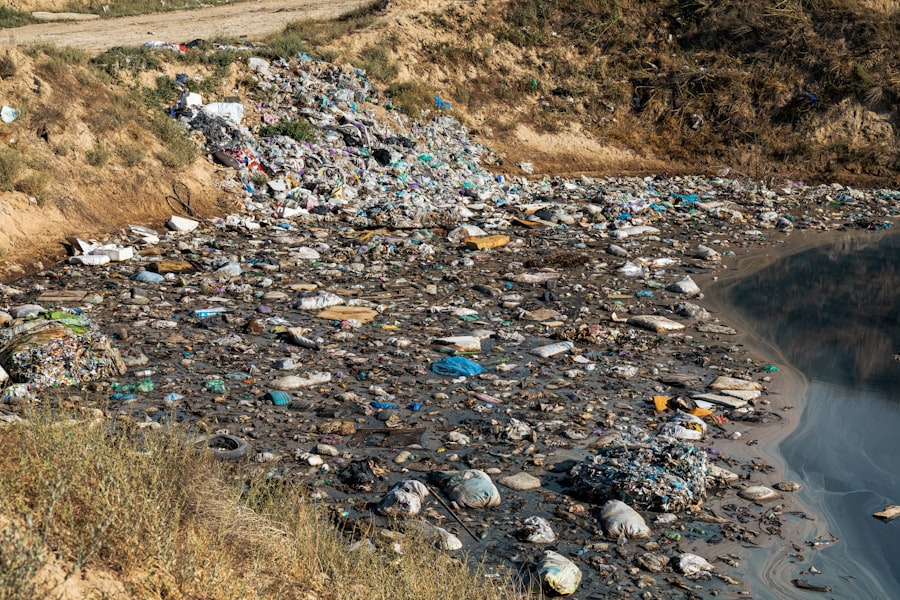
The impact of greenwashing extends far beyond misleading individual consumers. It erodes trust, impedes progress towards genuine sustainability, and can have tangible negative environmental effects.
Erosion of Consumer Trust
When consumers discover they have been misled by green marketing claims, their trust in both the specific company and the broader environmental movement diminishes. This skepticism can lead to disengagement, making it harder for genuinely sustainable businesses to gain traction. The public becomes cynical, viewing all eco-claims with suspicion, which, in turn, can stifle the very innovation and investment needed for a truly circular economy.
The Cynicism Treadmill
As more instances of greenwashing come to light, a cycle of cynicism develops. Consumers become weary of exaggerated claims, and the credibility of even legitimate environmental initiatives suffers. This “cynicism treadmill” makes it increasingly difficult to motivate public participation in crucial sustainability efforts.
Hindrance to Genuine Environmental Progress
Greenwashing can divert resources and attention away from truly effective solutions. Companies that engage in deceptive practices may avoid investing in expensive but necessary upgrades to their infrastructure or supply chains, opting instead for superficial marketing campaigns. Furthermore, public demand for “green” products, when met with greenwashed alternatives, creates a marketplace where superficiality triumphs over substance, slowing down the adoption of truly sustainable practices. It creates a mirage, suggesting that solutions already exist when, in reality, the hard work of innovation and systemic change is still largely undone.
Market Distortion and Unfair Competition
Businesses genuinely committed to sustainability often incur higher costs due to ethical sourcing, advanced recycling technologies, and transparent reporting. Greenwashers, by cutting these corners, can offer superficially “green” products at lower prices, creating unfair competition and disadvantaging those who are truly striving for environmental responsibility.
Negative Environmental Repercussions
In some cases, greenwashing can lead directly to adverse environmental outcomes. For example, promoting “compostable” packaging that only breaks down in industrial compost facilities (not readily available to most consumers) leads to these materials ending up in landfills, where they can contribute to methane emissions. Similarly, encouraging the recycling of materials that are not economically or technically recyclable in a given region strains existing infrastructure and can lead to contamination of viable material streams. This is like trying to fit a square peg into a round hole; the effort is wasted, and the system becomes clunky and inefficient.
Resource Misallocation and Waste Aggravation
When resources are directed towards ineffective recycling schemes due to greenwashed claims, they are diverted from more impactful initiatives. This can exacerbate waste problems, particularly if consumers are led to believe that all their “eco-friendly” purchases are being effectively managed at their end-of-life, when in fact they are destined for landfill or incineration.
Detecting Greenwashing: A Critical Toolkit

For discerning individuals and organizations, identifying greenwashing requires a keen eye and a critical mindset. Fortunately, several strategies can help uncover these deceptive practices.
Scrutinize Claims and Seek Specificity
Always look beyond vague terms. When a company claims a product is “recyclable,” ask: “Where? How? What percentage?” Demand specific, quantifiable data. Look for information on the type of material, the recycling infrastructure required, and the end-of-life options. If a company boasts about “recycled content,” inquire about the percentage and whether it’s post-consumer or pre-consumer waste. Genuine claims are typically accompanied by supporting data and clear explanations.
The “Show, Don’t Tell” Principle
Credible companies will not just tell you they are sustainable; they will show you. This includes providing detailed sustainability reports, transparent supply chains, and quantifiable metrics on their environmental performance, not just marketing slogans.
Look for Third-Party Certifications and Independent Verification
Reputable environmental certifications from independent organizations provide an extra layer of assurance. Labels from internationally recognized bodies often involve rigorous auditing and adherence to stringent standards. Be wary of proprietary certifications or those that appear to be self-issued, as these may lack the objectivity and credibility of independent verifiers. A truly robust certification acts as a stamp of approval from an impartial judge.
Understanding Certification Tiers
Not all certifications are created equal. Familiarize yourself with the different tiers of environmental certifications, from basic compliance certifications to more comprehensive lifecycle assessments. This knowledge empowers you to differentiate between a genuinely certified product and one with a less rigorous badge.
Investigate the Company’s Overall Environmental Record
A single “green” product does not necessarily make an environmentally responsible company. Look at the company’s broader environmental policies, its supply chain practices, its waste management strategies, and its track record on emissions and resource consumption. A company truly committed to sustainability will demonstrate this across its entire operations, not just in isolated product claims. A holistic view is essential.
Beyond Product-Level Claims
Examine whether a company is addressing its overall corporate footprint, including energy consumption in its factories, water usage, and its engagement with sustainability initiatives beyond the immediate product line. This comprehensive assessment provides a more accurate picture of their commitment.
Question the Motives and Be Wary of “Bandwagon” Claims
Consider the company’s primary business model. Is it genuinely invested in environmental stewardship, or is it simply jumping on the “green” bandwagon to capitalize on consumer trends? Be skeptical of claims that seem too good to be true or those that appear to be a rapid rebranding without substantive changes to practices. Greenwashing often stems from a superficial desire to capture market share rather than a deep-seated commitment to planetary well-being.
The “Shiny Object” Syndrome
Companies often latch onto the latest environmental trend, whether it’s “plastic-free” or “carbon neutral,” without genuinely addressing the underlying issues. Be wary of this “shiny object” syndrome, where buzzwords take precedence over tangible action.
The recycling industry has faced increasing scrutiny over the practice of greenwashing, where companies exaggerate their environmental efforts to appear more sustainable than they truly are. A recent article highlights the challenges consumers face in distinguishing genuine eco-friendly initiatives from misleading marketing claims. For a deeper understanding of this issue, you can read more about it in this insightful piece on the topic of recycling and sustainability. To explore further, check out the article here.
Steering Towards Authentic Recycling Practices
| Metric | Description | Example | Impact |
|---|---|---|---|
| Percentage of Recycled Content | Claimed percentage of recycled materials used in products | Product labeled as “Made with 50% recycled plastic” | May mislead consumers if actual recycled content is lower |
| Recycling Rate | Proportion of waste actually recycled vs. claimed | Company claims 90% recycling rate but actual is 60% | Overstated rates can create false environmental benefits |
| Certification Validity | Authenticity of eco-labels or certifications used | Use of uncertified or self-created “green” labels | Undermines trust and misleads consumers |
| Transparency of Supply Chain | Disclosure of sourcing and recycling processes | Limited or vague information on material sourcing | Hinders verification of green claims |
| Environmental Impact Reporting | Accuracy and completeness of environmental impact data | Reports omit emissions from transportation or processing | Skews perception of overall sustainability |
The fight against greenwashing is integral to fostering a genuinely sustainable recycling industry. Consumers, industry bodies, and regulators all have a role to play in demanding transparency and accountability.
Empowering Consumers Through Education
Informed consumers are the best defense against greenwashing. Education on critical thinking skills, understanding product labels, and recognizing common greenwashing tactics empowers individuals to make genuinely sustainable choices. This involves providing clear information about what can and cannot be recycled locally, and the complexities of different material streams.
Fostering an Informed Public Dialogue
Open discussions about the challenges and opportunities within the recycling industry, including the prevalence of greenwashing, are vital for creating an informed public that can advocate for better standards and demand greater transparency from corporations.
Strengthening Regulations and Industry Standards
Stricter governmental regulations, clearer definitions for terms like “recyclable” and “sustainable,” and robust enforcement mechanisms are essential to deter greenwashing. Industry-wide standards and best practices, supported by independent auditing, can also create a more level playing field and encourage genuine environmental performance. This legislative and regulatory framework is the bedrock upon which authentic sustainability can be built.
The Need for Harmonization and Enforcement
A fragmented regulatory landscape at national and international levels makes greenwashing easier to conceal. Harmonized standards and consistent enforcement are critical for creating an environment where businesses are incentivized to be genuinely sustainable rather than merely appearing so.
Promoting Circular Economy Principles
Ultimately, the most effective antidote to greenwashing lies in a fundamental shift towards circular economy principles. This involves designing products for durability, reuse, repair, and optimal recyclability, reducing reliance on virgin materials, and investing in closed-loop systems. When products are genuinely designed with their end-of-life in mind, the need for deceptive claims diminishes, and the recycling industry can truly fulfill its potential.
Innovation in Design and Business Models
Encouraging innovation in product design for recyclability, and promoting business models that prioritize leasing, repairing, and reusing over single-use consumption, will naturally reduce the opportunities and incentives for greenwashing in the recycling sector.
In conclusion, greenwashing in the recycling industry is a pervasive and insidious issue that undermines trust, impedes progress, and can even exacerbate environmental problems. By understanding its manifestations, recognizing common tactics, and adopting a critical outlook, stakeholders can navigate the complex landscape of environmental claims. The collective effort of informed consumers, robust regulations, and a genuine commitment to circular economy principles can pave the way for an authentic and truly sustainable future for recycling.
FAQs
What is greenwashing in the recycling industry?
Greenwashing in the recycling industry refers to the practice where companies or organizations misleadingly promote their recycling efforts or environmental benefits to appear more eco-friendly than they actually are. This can involve exaggerating recycling rates, using vague language, or highlighting minor green initiatives while ignoring larger environmental impacts.
Why is greenwashing a concern in the recycling industry?
Greenwashing is a concern because it can deceive consumers and stakeholders, leading to misplaced trust and reduced pressure on companies to make genuine environmental improvements. It can also undermine the credibility of legitimate recycling programs and hinder progress toward sustainability goals.
How can consumers identify greenwashing in recycling claims?
Consumers can identify greenwashing by looking for specific, verifiable information about recycling practices, such as clear data on recycling rates, third-party certifications, and transparent reporting. Vague terms like “eco-friendly” or “green” without evidence, or claims that focus more on marketing than substance, may indicate greenwashing.
What are some common examples of greenwashing in the recycling industry?
Common examples include companies claiming their products are “100% recyclable” when recycling facilities for those products are limited, overstating the percentage of recycled content in products, or promoting small-scale recycling initiatives while continuing environmentally harmful practices elsewhere in their operations.
What steps are being taken to combat greenwashing in the recycling industry?
Efforts to combat greenwashing include stricter regulations on environmental marketing claims, increased transparency and third-party verification of recycling data, consumer education campaigns, and industry initiatives to standardize and improve reporting on recycling and sustainability practices.