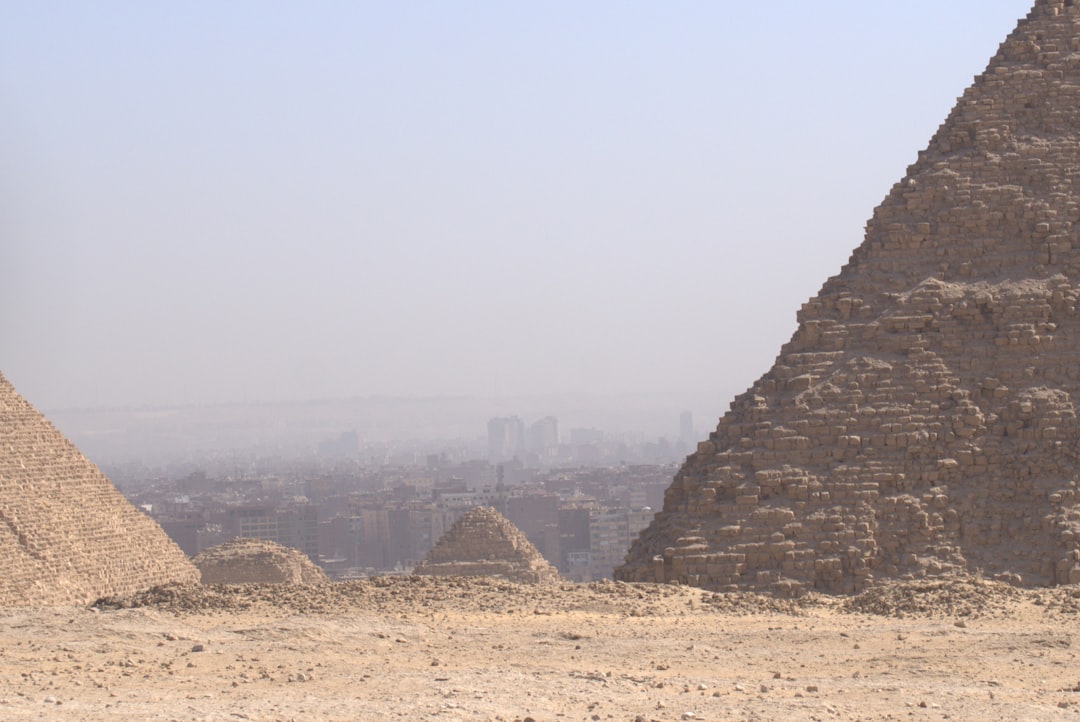
The pyramids of Egypt, colossal monuments that have defied millennia, continue to guard their construction secrets closely. While much has been learned through archaeological investigation, archaeological science, and historical analysis, many questions linger, prompting ongoing research and debate. This article aims to delve into some of the widely accepted theories and persistent enigmas surrounding the construction of these awe-inspiring structures.
The sheer magnitude of pyramid construction is the first and perhaps most imposing barrier to understanding. Imagine the feat of organizing and executing such a project with the tools and knowledge available in ancient Egypt.
Material Acquisition: The Quarrying Process
The primary building material for the pyramids was limestone, quarried from nearby sites like Tura for the outer casing and from local plateaus for the core. Granite, used for burial chambers and sarcophagi, was transported from much further afield, such as Aswan.
Techniques of Stone Extraction
Ancient quarrying likely involved a combination of physical force and heat. Workers may have chiseled channels into the bedrock and then inserted wooden wedges. When soaked with water, these wedges expanded, creating fractures that could split the stone. Alternatively, fires might have been built against the rock face, followed by rapid cooling with water, inducing thermal shock and fracture.
Transportation of Massive Blocks
Moving these Multi-ton blocks from the quarry to the construction site was a monumental challenge. Sledges, greased with water or mud to reduce friction, are the most commonly theorized method for land transport. For longer distances, especially for the granite from Aswan, barges navigating the Nile River were almost certainly employed.
Labor Force: The Human Engine
The construction of the pyramids demanded an enormous and sustained labor force, a topic that has evolved significantly from earlier assumptions.
Dispelling the Slave Myth
Contrary to popular belief and portrayals in fiction, the evidence strongly suggests that the pyramids were not built by enslaved populations. Archaeological discoveries, including the remains of workers’ villages and their accompanying cemeteries, indicate a well-fed, organized, and likely conscripted workforce. These were skilled laborers, craftsmen, and overseers, who were housed, fed, and even received medical care.
Organization and Management
The logistics of feeding, housing, and directing thousands of workers would have required a sophisticated organizational structure and strong leadership. This involved planning, resource allocation, and supervision, a testament to the administrative capabilities of the Old Kingdom Egyptians. The ability to coordinate such a massive undertaking speaks volumes about their social and governmental systems.
If you’re intrigued by the mysteries surrounding the construction of the pyramids, you might find the article “Unveiling Ancient Engineering: How the Pyramids Were Built” on Hey Did You Know This? particularly enlightening. This piece delves into the innovative techniques and tools that ancient Egyptians may have used to achieve such monumental feats. To explore this fascinating topic further, you can read the article here: Unveiling Ancient Engineering: How the Pyramids Were Built.
Engineering and Architectural Prowess
Beyond the sheer scale of labor and resources, the precision and ingenuity displayed in pyramid construction are astounding.
The Precision of the Build
The alignment of the pyramids with cardinal directions is remarkably accurate, suggesting a sophisticated understanding of astronomy and surveying. The base of the Great Pyramid, for example, is aligned to within a fraction of a degree of true north.
Astronomical Alignment
The precise orientation of the pyramids with the cardinal points suggests a deep knowledge of celestial movements. Whether this was achieved through observing the sun’s rise and set, or tracking specific stars, the result is a testament to their astronomical observations.
Leveling the Foundations
Ensuring a perfectly level base for such massive structures presented a significant challenge. Theories include the use of water-filled trenches to establish a level baseline or sophisticated leveling tools that are yet to be definitively identified. The ability to create such flat and stable foundations played a crucial role in the stability of the finished product.
Internal Structure and Chambers
The internal architecture of the pyramids, including passages, chambers, and ventilation shafts, further highlights Egyptian ingenuity.
The Purpose of Passages and Chambers
The purpose of the various internal passages and chambers, including the king’s and queen’s chambers, burial chambers, and subsidiary shafts, are subjects of ongoing study. While burial and the afterlife were clearly central to their function, the precise use and symbolism of each element continue to be debated.
Ventilation and Construction Conduits
The precise function of some internal shafts remains enigmatic. While some theories suggest they were ventilation shafts, others propose they served a symbolic purpose related to the pharaoh’s ascent to the afterlife. It is also possible that some passages served as construction conduits, later sealed off.
Theories of Construction: Lifting the Giants
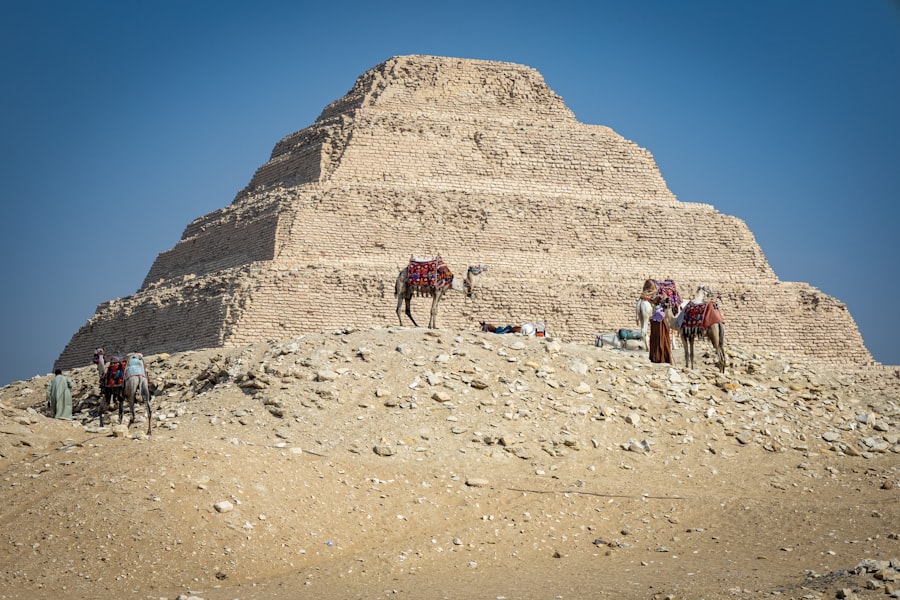
The methods by which the massive stone blocks were lifted and placed into position remain one of the most debated aspects of pyramid construction.
The Ramp Hypothesis
The most widely supported theory involves the use of ramps. However, the exact configuration of these ramps is a subject of intense discussion.
Straight Ramp Theory
A single, long, straight ramp extending from the quarry to the top of the pyramid is a possibility, but it would have been incredibly long and demanded enormous amounts of material itself. This would have made the construction process even more extensive.
Spiraling Ramp Theory
A ramp that spiraled around the exterior of the pyramid is another prevalent theory. This would have allowed for continuous construction, but the incline and maneuvering of heavy blocks on a curved surface present significant logistical challenges.
Internal Ramp Theory
More recent theories propose the use of an internal ramp system, where construction took place from within the pyramid itself. Evidence for this, however, is still being sought and debated within the archaeological community.
Alternative and Complementary Methods
While ramps are the dominant theory, other methods may have been employed to supplement or aid the process.
Levering and Rocking Techniques
Simple levers and the rocking motion of blocks are proposed as methods for repositioning and maneuvering stones, especially for fine-tuning their placement. These basic principles of physics, understood by the Egyptians, could have played a significant role in the final stages.
The Role of Water
Some theories suggest the use of water to lubricate paths or even employing water pressure and buoyancy could have played a role, although concrete evidence for this is scarce. The Nile’s omnipresence suggests that water was a vital element in many aspects of Egyptian life, and its potential use in construction cannot be entirely dismissed.
Enduring Mysteries and Ongoing Research

Despite centuries of study, the pyramids continue to hold secrets that fuel ongoing research and exploration.
Unanswered Questions about Planning and Execution
While we have a framework of understanding, the precise step-by-step execution of many construction phases remains elusive. The level of detailed planning required for such a massive project is almost unfathomable by modern standards.
The True Purpose of Certain Structures
While the primary function of the pyramids as tombs is widely accepted, the precise meaning and purpose of certain internal features, like the “air shafts” of the Great Pyramid, continue to be debated. Different theories propose astronomical, spiritual, or practical reasons.
The Longevity and Maintenance of the Structures
The continued stability and integrity of these ancient structures over thousands of years also raise questions about the techniques used for their construction, the quality of materials, and their original design. The weathering and erosion they have endured speak to their inherent robustness.
Modern Techniques for Uncovering Secrets
Contemporary technology offers new avenues for exploration, allowing researchers to peer into the pyramids without invasive means.
Non-Invasive Geophysical Surveys
Techniques such as ground-penetrating radar (GPR) and muon tomography are being employed to scan the internal structures of the pyramids. These methods can detect hidden voids, chambers, and anomalies within the stone, potentially revealing new architectural features.
Advanced Imaging and Digital Reconstruction
High-resolution imaging and digital modeling allow for detailed analysis of existing structures and create virtual reconstructions that can test different construction theories. These digital tools act as virtual laboratories for testing hypotheses.
The ongoing quest to understand pyramid construction is more than just an academic pursuit; it is a journey into the minds of a civilization that achieved the seemingly impossible. Each new discovery, whether a confirmed theory or a new mystery, adds another layer to the rich tapestry of human ingenuity and ambition. The pyramids stand not just as tombs for pharaohs, but as enduring testaments to the power of human will, organization, and a profound understanding of the world around them, even if some of those understandings are still shrouded in the sands of time.
FAQs
What materials were primarily used in the construction of pyramids?
The primary materials used in pyramid construction were limestone, granite, and sandstone. Limestone was commonly used for the outer casing, while granite was often used for interior chambers and structural elements.
How were the massive stones transported to the pyramid construction sites?
The stones were transported using a combination of sledges, rollers, and manpower. Workers likely lubricated the sand with water to reduce friction, making it easier to move the heavy blocks over long distances.
What techniques did ancient builders use to align the pyramids accurately?
Ancient builders used astronomical observations, such as tracking the stars and the sun, to align the pyramids precisely with cardinal points. Tools like plumb bobs, leveling instruments, and sighting rods helped achieve accurate measurements.
How long did it typically take to build a pyramid?
The construction of a pyramid could take anywhere from 10 to 30 years, depending on its size and complexity. Large workforce organization and seasonal labor contributed to the timeline.
Who were the workers involved in pyramid construction?
Contrary to popular belief, the pyramids were built by skilled laborers and craftsmen rather than slaves. These workers were organized into teams and often lived in nearby workers’ villages, receiving food, shelter, and medical care.