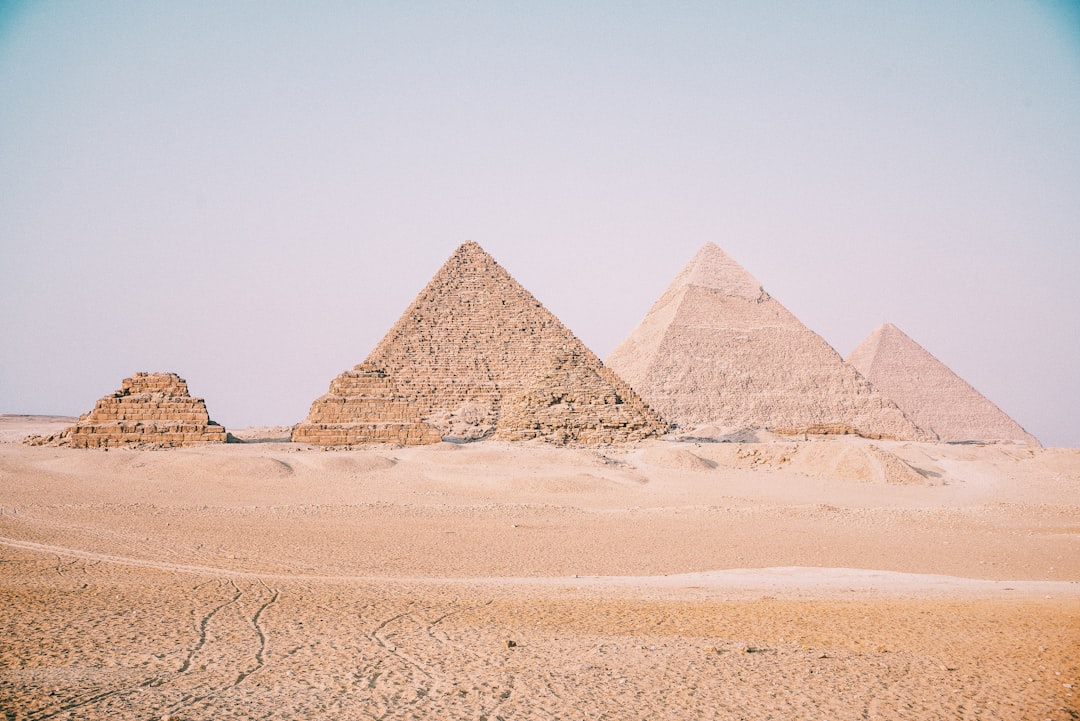
The pyramids of ancient Egypt stand as enduring testaments to a civilization’s ingenuity and organizational prowess. Far from being mere piles of stone, these monumental structures represent a sophisticated integration of architectural design, engineering principles, and astronomical knowledge, all meticulously planned and executed with remarkable precision. To fully grasp their brilliance, one must delve into the methodologies and conceptual frameworks that underpinned their construction, revealing a pragmatic yet profound understanding of the physical world.
The architectural lineage of the pyramids clearly illustrates an evolutionary process, beginning with more humble funerary structures that gradually escalated in complexity and scale. Understanding this progression is crucial to appreciating the innovations embodied in the true pyramids.
Early Dynastic Precursors: The Mastaba
Before the rise of the pyramid, the dominant form of royal and elite burial was the mastaba. These rectangular, flat-roofed structures, typically made of mud-brick, featured sloping sides and an underground burial chamber. While simple in form, they established several foundational principles that would later be refined in pyramid construction:
- Subterranean Burial Chamber Systems: Mastabas incorporated complex networks of shafts and corridors leading to the burial chamber, often sealed and protected. This emphasis on securing the deceased’s resting place was a consistent feature.
- Superstructure as Marker: The visible mastaba served as a monumental above-ground marker for the tomb, a practice that directly prefigured the pyramid’s more colossal role.
- Materiality and Durability: Early experimentation with stone in some mastabas, particularly for lining chambers, hinted at the shift towards more permanent construction materials.
Djoser’s Step Pyramid: The Genesis of Grandeur
The true revolutionary leap occurred during the Third Dynasty with Pharaoh Djoser’s funerary complex at Saqqara, designed by the visionary Imhotep. This structure, the Step Pyramid, marks a pivotal moment in architectural history.
- Stacking of Mastabas: The Step Pyramid effectively began as a large mastaba, which was then extended and progressively built upon, creating a series of six receding steps. This “stacking” methodology provided both a visual impact and a novel structural approach.
- Innovation in Stone Masonry: Imhotep’s greatest innovation was the wholesale adoption of dressed stone as the primary building material. This transition from mud-brick to massive limestone blocks was a monumental undertaking, requiring new techniques for quarrying, transporting, and accurately shaping individual stones.
- The Enclosed Complex: Beyond the pyramid itself, Djoser’s complex was enclosed by a massive stone wall and contained numerous subsidiary buildings, courtyards, and simulated structures. This established the model of the funerary complex, where the pyramid was but one component of a larger ritualistic and symbolic landscape.
The Step Pyramid demonstrated that colossal structures built entirely of stone were feasible, paving the way for the smooth-sided pyramids of the Fourth Dynasty. It was a proof of concept on an unprecedented scale.
The architectural design of the pyramids has long fascinated historians and architects alike, showcasing the incredible ingenuity of ancient civilizations. For those interested in exploring this topic further, a related article can be found at this link, which delves into the construction techniques and cultural significance of these monumental structures.
Engineering Marvels: Precision and Stability
The sheer scale of the pyramids, particularly the Great Pyramid of Giza, necessitates an examination of the intricate engineering challenges overcome by ancient Egyptian builders. Their solutions, while lacking modern machinery, reveal a profound understanding of mechanics and material science.
Quarrying and Transportation: The Logistics of Gigantic Blocks
Imagine the logistical nightmare of moving millions of cubic meters of stone without wheeled vehicles or advanced lifting equipment. The Egyptians mastered this immense task through a combination of meticulous planning and sheer manpower.
- Local Limestone Quarries: The vast majority of the pyramid’s core was composed of local limestone, quarried from nearby plateaus such as Tours, often on the same geological formation as the pyramid itself. This minimized transport distances for the bulk of the material.
- Specialized Stone Extraction: Tools for quarrying included copper chisels, dolerite pounders (for harder stones like granite), and wooden wedges. Water was often used to expand wedges placed in natural fissures, fracturing large blocks.
- Riverine Transport for Casing and Granite: Higher quality limestone for the outer casing, often from Tura on the east bank of the Nile, and granite from Aswan, hundreds of kilometers to the south, necessitated water transport. Large barges, skillfully navigated during the annual inundation of the Nile, carried these massive stones close to the building sites.
- Sledges and Ramps: Once on land, stones were moved using wooden sledges over prepared slipways, often lubricated with water or silt to reduce friction. Evidence suggests that teams of workers, utilizing ropes and sheer force, pulled these sledges up gradually inclining ramps, the precise configuration of which remains a subject of ongoing debate among scholars.
Stability and Durability: The Pyramid’s Core Strength
The pyramids have withstood thousands of years of earthquakes, erosion, and human interference, a testament to their inherent structural integrity. This durability was not accidental but engineered.
- Inclined Masonry Courses: Many pyramids feature slightly inward-sloping layers of masonry within the core. This design significantly enhances stability by directing the immense downward forces of the superstructure inwards, reducing outward stresses on the edges and preventing bulging failures. Think of it as interlocking bricks, where each layer presses against the next, creating a self-reinforcing structure.
- Mortar, Not Just Adhesive: While often referred to as mortar, the substance used between the blocks was not primarily for adhesion in the modern sense. Instead, it served as a leveling agent, allowing the builders to create perfectly flat and even courses despite slight irregularities in the stone blocks. This enabled a remarkably precise fit between stones, distributing the load evenly and preventing stress concentrations.
- Precise Alignment and Dressing: The remarkable precision with which the blocks were dressed and aligned, particularly for the casing stones, played a crucial role in the pyramid’s stability. Tightly fitting stones minimized weak points and prevented environmental degradation from penetrating the structure.
Precision in Alignment: Astronomical and Cardinal Orientation
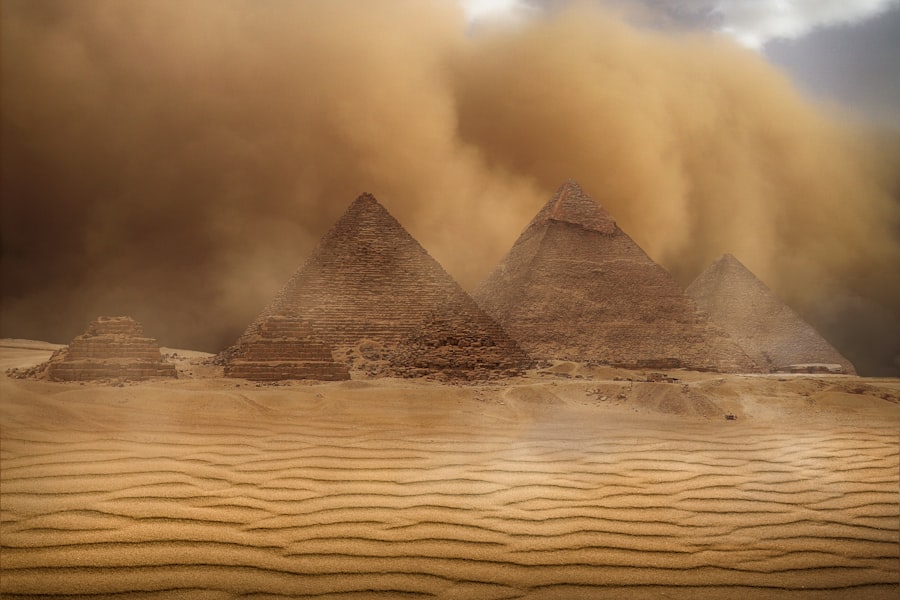
One of the most awe-inspiring aspects of pyramid construction is the incredible precision with which they were aligned, reflecting a sophisticated understanding of surveying and astronomy. This was not merely for aesthetic appeal but likely held profound religious and symbolic significance.
Navigating the Celestial Sphere: Determining True North
The alignment of the pyramids, particularly the Great Pyramid, to true north with astounding accuracy (within 3 arc minutes, i.e., 1/20th of a single degree) is a feat that continues to baffle and impress modern engineers.
- Observing Circumpolar Stars: The most plausible theory involves the careful observation of circumpolar stars, specifically Ursa Minor or constellations near the celestial pole. By tracking the rising and setting points of these stars, and bisecting the angle between them, ancient astronomers could determine true north.
- Plumb Bobs and Sightlines: Using fixed points of observation, plumb bobs for vertical accuracy, and measuring instruments, the Egyptians could project this celestial north onto the ground, marking out the initial corner points and axes of the pyramid.
- Leveling the Foundation: Once the cardinal directions were established, the entire foundation area had to be leveled with extreme precision. This was achieved by creating a network of channels filled with water to establish a consistent horizontal plane, much like a giant spirit level.
Symbolic Orientation: Connecting Earth and Sky
The cardinal orientation of the pyramids was not solely a technical achievement; it imbued the structures with profound cosmological meaning.
- Paths for the Pharaoh’s Soul: Egyptian beliefs held that the pharaoh, upon death, would ascend to the stars, particularly to the circumpolar stars (the “imperishable ones” that never set). The alignment of the pyramid to the north may have been intended to facilitate this celestial journey.
- Cosmic Harmony: Aligning the pyramid with the fundamental directions of the cosmos—north, south, east, and west—was a way of integrating the sacred structure into the natural order of the universe, reflecting a desire for cosmic harmony and eternal stability for the deceased king.
- The Sun’s Journey: While the primary alignment was polar, the east-west orientation also mirrored the daily path of the sun, another crucial deity (Ra) in the Egyptian pantheon. This duality of celestial focus highlights the comprehensive nature of their astronomical understanding.
The Architectonic Landscape: Beyond the Pyramid Itself

The pyramids were rarely solitary structures. Rather, they formed part of an integrated architectonic landscape, a complex of interconnected buildings and features designed to serve the funerary cult of the deceased pharaoh and facilitate his journey into the afterlife.
Components of the Funerary Complex
Each major pyramid, from the earliest to the latest, was part of a larger complex, the scope and design of which evolved over time.
- Valley Temple: Located near the Nile River, the Valley Temple served as the initial entry point for the pharaoh’s funerary procession. Here, preliminary purification rituals and the elaborate embalming process were sometimes conducted. It was often connected to the causeway, acting as a ceremonial gateway.
- Causeway: A long, enclosed, and often decorated passageway connecting the Valley Temple to the Mortuary Temple. This causeway represented a symbolic path, transforming the pharaoh from mortal ruler to divine being as his body was transported for final rites. The Great Pyramid’s causeway once stretched for hundreds of meters.
- Mortuary Temple: Situated directly adjacent to the eastern face of the pyramid, the Mortuary Temple was the primary cult center for the deceased pharaoh. Here, daily rituals, offerings, and prayers were performed by priests to sustain the pharaoh’s ka (life force) in the afterlife. It was a place of continuous remembrance and spiritual nourishment.
- Subsidiary Pyramids: Smaller pyramids often accompanied the main structure, typically belonging to the pharaoh’s queens. These smaller installations allowed for the sacred burial of those closely associated with the king.
- Mastaba Tombs of Officials: Surrounding the royal complex, particularly at Giza, were vast cemeteries containing the mastaba tombs of high-ranking officials and family members. This created a monumental necropolis, emphasizing the hierarchies of power and the collective effort involved in supporting the pharaoh’s eternal existence.
- Solar Boat Pits: For some pyramids, notably the Great Pyramid, boat pits were discovered, containing dismantled wooden boats. These “solar boats” were believed to transport the pharaoh’s soul with the sun god Ra across the heavens, symbolizing his divine journey.
The Symbolic Power of the Enclosure
The comprehensive nature of these complexes reinforces the idea that the pyramid was not just a standalone tomb but the centerpiece of an entire sacred precinct.
- Ritual Space: The various structures within the complex were carefully arranged to create a sequential ritual path, guiding funerary processions and religious ceremonies. This deliberate design created a sacred space for communication between the living and the dead.
- Perpetuation of the Cult: The temples, with their provisions for priests and offerings, ensured the continuous performance of the royal funerary cult, allowing the pharaoh’s spirit to endure and interact with the mortal realm.
- Reflecting a Worldview: The entire complex, with its blend of monumental architecture and religious spaces, serves as a powerful architectural manifestation of the ancient Egyptian worldview, where death was a transition, and the pharaoh was the mediator between gods and humans.
The architectural design of the pyramids has fascinated historians and architects alike for centuries, showcasing the incredible engineering skills of ancient civilizations. A related article that delves deeper into the construction techniques and cultural significance of these monumental structures can be found at Hey Did You Know This. This resource provides valuable insights into how the pyramids were not only built but also the purpose they served in the context of their time, enhancing our understanding of this remarkable achievement in human history.
Enduring Legacy: A Testament to Human Ingenuity
| Metric | Value | Description |
|---|---|---|
| Base Length | 230.4 meters | Length of one side of the Great Pyramid’s square base |
| Height | 146.6 meters | Original height of the Great Pyramid of Giza |
| Angle of Inclination | 51.5 degrees | Angle of the pyramid’s sides relative to the base |
| Number of Blocks | Approximately 2.3 million | Estimated number of stone blocks used in construction |
| Average Block Weight | 2.5 tons | Average weight of each limestone block |
| Construction Period | 20 years | Estimated time taken to build the Great Pyramid |
| Internal Chambers | 3 main chambers | King’s Chamber, Queen’s Chamber, and Subterranean Chamber |
| Orientation | True North | Alignment of the pyramid’s sides with cardinal points |
The pyramids stand not only as archaeological marvels but as potent symbols of human endeavor, organizational capacity, and intellectual prowess. Their construction represents a confluence of practical engineering, sophisticated astronomy, and profound religious belief, all orchestrated on an unprecedented scale.
Lessons in Project Management
Reflect on the sheer scale of the undertaking: planning, coordinating, feeding, housing, and motivating tens of thousands of workers over decades, all without modern project management tools. This speaks volumes about the administrative and logistical capabilities of the ancient Egyptian state.
- Resource Mobilization: The ability to mobilize vast quantities of raw materials and skilled labor, often during the agricultural off-season, highlights a highly organized society.
- Hierarchical Management: A clear chain of command, from the vizier to the overseers and skilled artisans, was essential to such a large-scale project.
- Skills Specialization: The pyramids required a diverse range of specialists: stone masons, quarrymen, ramp builders, carpenters, surveyors, and scribes.
A Beacon for Future Civilizations
The pyramids, and particularly their architectural design, served as a foundational model for subsequent monumental construction, influencing later Roman and Islamic architecture in their pursuit of scale and permanence. They proved what was possible when a society marshaled its collective resources towards a singular, ambitious goal.
Ultimately, the architectural design of the pyramids is a narrative of evolution, meticulous planning, and unwavering determination. They are not merely tombs but carefully crafted instruments designed to ensure the eternal life of their occupants and to project the power and divinity of the pharaohs from one generation to the next. Their continued presence on the landscape serves as a constant reminder that with ingenuity and collective will, humanity is capable of achieving the seemingly impossible.
FAQs
What materials were primarily used in the architectural design of the pyramids?
The pyramids were primarily constructed using limestone blocks, with some internal chambers and passages made from granite. The outer casing was originally made of smooth, white Tura limestone to give the pyramids a polished appearance.
How were the pyramids aligned with the cardinal points?
The pyramids were precisely aligned with the cardinal points (north, south, east, and west). This was achieved using astronomical observations, such as tracking the position of stars or the sun, to ensure accurate orientation.
What architectural techniques were used to ensure the stability of the pyramids?
Architects used a stepped design that gradually narrowed towards the top, distributing weight evenly. Large limestone blocks were carefully cut and placed to interlock, and internal chambers were reinforced with granite beams to prevent collapse.
Why were the pyramids designed with internal chambers and passageways?
The internal chambers and passageways were designed to house the tombs of pharaohs and their treasures. They also served religious and ceremonial purposes, including protecting the deceased and facilitating their journey to the afterlife.
How long did it typically take to construct a pyramid?
Construction of a pyramid could take several decades, often around 20 to 30 years, depending on the size and complexity. This involved a large workforce of skilled laborers, engineers, and architects working in organized teams.