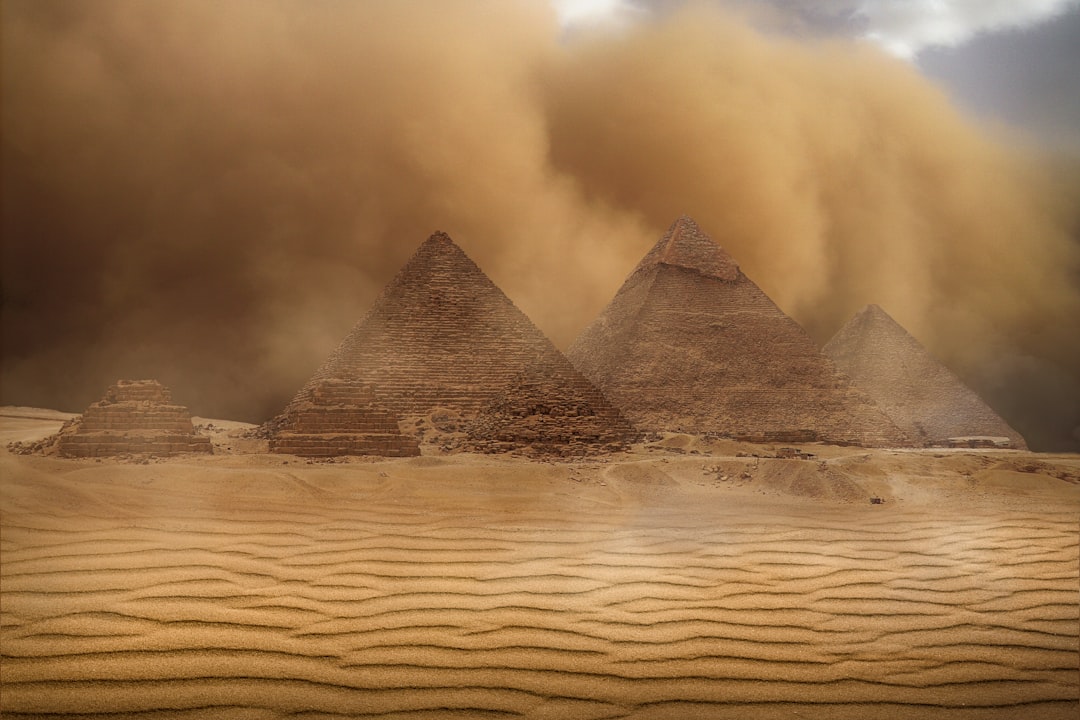
The colossal pyramids of Egypt, stark silhouettes against the desert sun, stand as enduring enigmas. For millennia, they have captivated the human imagination, their sheer scale and precision fueling boundless speculation about their construction and purpose. These monumental structures are not mere piles of stone; they are silent testaments to a civilization that achieved feats of engineering and organization that still confound modern minds. To unravel their mystery is to peel back the layers of time, to understand the people who conceived and executed these astonishing projects, and to confront the limits of our current knowledge.
The journey to the pyramids begins long before the iconic Giza plateau. The practice of monumental tomb construction in ancient Egypt evolved over centuries, a gradual refinement of ideas and techniques.
Early Mastabas: The Precursors to Pyramids
Before the smooth-sided pyramids pierced the sky, Egyptian royalty and elites were laid to rest in mastabas. These were rectangular, flat-topped structures with sloping sides, built over an underground burial chamber. They were constructed from mudbrick in earlier periods and later from stone.
The Purpose of Mastabas
The mastaba served as a substantial marker of the deceased’s status and provided space for offerings and religious rituals for the ka, or life force, of the buried individual. Archeological evidence from these early burials reveals a developing understanding of afterlife beliefs and the importance of commemorating the dead.
Evolution of Design
Over successive dynasties, mastaba designs became more elaborate, incorporating chapels, courtyards, and serdab chambers (sealed rooms housing statues of the deceased). This progression demonstrates a growing architectural ambition and a deepening of ritualistic practices associated with burial.
The Step Pyramid of Djoser: A Bold Leap Forward
The true genesis of pyramid building is widely attributed to Imhotep, the vizier and chief architect for Pharaoh Djoser of the Third Dynasty. His masterpiece, the Step Pyramid at Saqqara, represents a pivotal moment in architectural history.
Imhotep’s Innovation
Instead of a single mastaba, Imhotep conceived of stacking several mastabas of decreasing size atop one another. This created a stepped effect, a design that was radical for its time and laid the conceptual groundwork for the true pyramid.
The Complex at Saqqara
The Step Pyramid was not an isolated monument. It was the centerpiece of a vast mortuary complex that included temples, courtyards, and numerous subsidiary buildings, all enclosed by a massive limestone wall. This immense project indicates a considerable leap in organizational capacity and labor management.
The Psychological Impact
The sheer novelty and scale of the Step Pyramid likely held significant psychological weight, projecting the pharaoh’s power and divine connection in a way never before achieved. It was a physical manifestation of royal authority and an enduring statement of permanence.
The enigma surrounding the construction and purpose of the pyramids has captivated historians and archaeologists for centuries. For those interested in delving deeper into this fascinating subject, a related article titled “The Secrets of Ancient Egypt: Unraveling the Mysteries of the Pyramids” provides insightful perspectives and theories. You can read it here: The Secrets of Ancient Egypt. This article explores various hypotheses regarding the techniques used in pyramid construction and the cultural significance of these monumental structures.
Constructing Giants: Engineering and Labor
The construction of the pyramids is perhaps the most enduring aspect of their mystery. The sheer volume of material, the precision of cutting and placement, and the logistics of moving these stones across considerable distances have long fueled debate and wonder.
Raw Materials and Their Origins
The primary building material for the pyramids was limestone. However, other stones, like granite for internal chambers and sarcophagi, and fine white Tura limestone for casing stones, were also essential.
Local Quarries
The bulk of the limestone used for the pyramids, particularly the core blocks, was quarried from sites close to the construction areas, such as the Mokattam Hills near Giza. This minimized transportation distances for the heaviest materials.
Specialized Quarries
Granite, a much harder stone, was typically quarried in Aswan, hundreds of miles south of Giza. The transportation of these massive granite blocks from Aswan to Giza was a monumental undertaking, likely involving the Nile River during the annual inundation.
The Casing Stones
The polished white Tura limestone that once sheathed the pyramids was quarried from across the Nile. These stones were meticulously dressed and fitted, giving the pyramids a smooth, dazzling appearance that would have been breathtaking in the ancient world. Most of this casing has been plundered over millennia for use in other buildings.
Quarrying and Shaping Techniques
The ancient Egyptians, without the benefit of iron tools or advanced machinery, developed ingenious methods for extracting and shaping stone.
Stone Tools and Techniques
Copper tools, though relatively soft, were used for softer stones. For harder stones like granite, dolerite pounders and other hard stone tools were employed to chip away material. Wedges, driven into natural fissures or artificially created cuts and then wetted, would expand and crack the stone.
Precision Craftsmanship
The fitting of the blocks, particularly the casing stones, was remarkably precise. Archeological studies show that they were often dressed to fit within a millimeter of each other. This level of accuracy suggests a sophisticated understanding of geometry and measurement.
The Workforce: Myth vs. Reality
The popular image of pyramid construction often involves vast numbers of enslaved people. However, archaeological evidence paints a more complex picture.
Skilled Labor and Paid Workers
The evidence suggests that the pyramids were built by a large, organized workforce of skilled laborers, craftsmen, and farmers who worked on the projects during the annual inundation when agricultural work was impossible. These workers were organized into guilds and housed in dedicated villages near the construction sites.
Evidence from Worker Villages
Excavations at Giza have uncovered the remains of these worker villages, complete with bakeries, breweries, and dormitories. The presence of cemeteries nearby, containing the remains of workers who were buried with provisions, indicates they were not slaves but valued members of society. Their diets, as revealed by bone analysis, were often more substantial than those of ordinary Egyptians.
Logistics and Organization
The scale of these projects necessitated a highly sophisticated organizational structure. This involved managing food supplies, housing, tools, and the coordination of thousands of workers. The ability to achieve this level of organization is a testament to the administrative prowess of the Old Kingdom Egyptian state.
Purpose and Symbolism: More Than Just Tombs
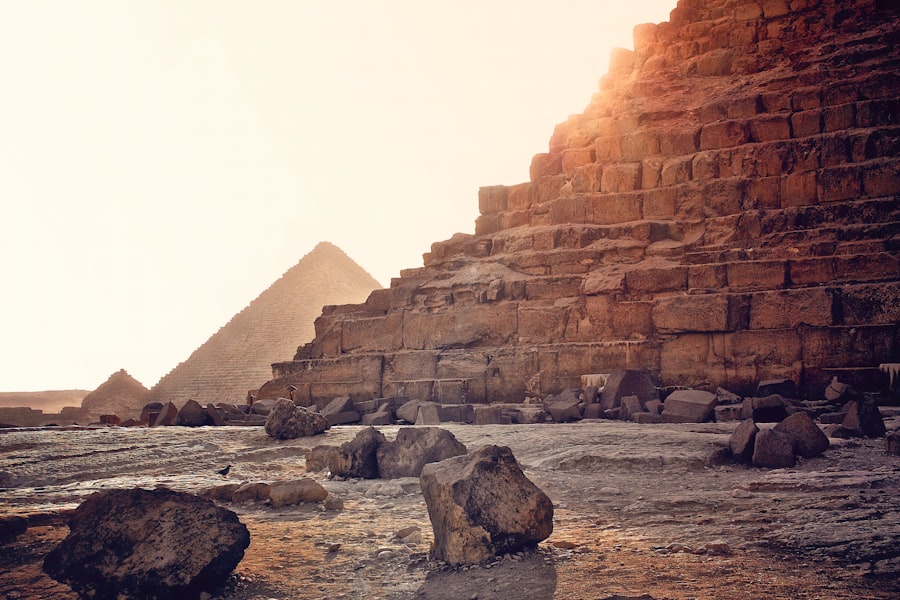
While the primary function of the pyramids was to serve as tombs for pharaohs, their design and location imbue them with a rich tapestry of symbolic meaning, deeply intertwined with Egyptian religious beliefs and cosmology.
Royal Burial and the Afterlife
The pyramids were conceived as eternal resting places for the pharaoh, designed to facilitate their journey into the afterlife and ensure their continued benevolent influence over Egypt.
The Pharaoh’s Divine Role
The pharaoh was considered a divine intermediary between humanity and the gods. Their successful transition to the afterlife was crucial for the cosmic order (maat). The pyramid, therefore, was not just a tomb but a vessel for this divine continuation.
Belief in Ka and Ba
Egyptian beliefs about the afterlife centered on the concepts of the ka (life force) and ba (soul). The tomb, with its provisions and inscriptions, was meant to nourish and sustain the ka and ba, allowing the pharaoh to exist and exert influence in the next world.
Astronomical Alignment and Cosmic Connections
The precise orientation of the pyramids, particularly their alignment with cardinal points and celestial bodies, suggests a profound connection to the cosmos and an attempt to link earthly power with heavenly order.
The Four Cardinal Directions
Most pyramids are remarkably precisely aligned with the four cardinal directions. This alignment may have been achieved through astronomical observation, likely using the circumpolar stars to determine true north.
The Sun God Ra
The pyramid shape itself, tapering to a point, has been interpreted as a representation of the sun’s rays descending to earth or as a primeval mound from which creation emerged. This connects the pharaoh with the sun god Ra, a central deity in Egyptian religion.
The Stairway to Heaven
The stepped shape of earlier pyramids and the inclined passages within some pyramids have been interpreted as a symbolic stairway or ramp for the pharaoh’s soul to ascend to the heavens.
Symbolism of Shape and Structure
Beyond their functional purpose, the physical attributes of the pyramids carry significant symbolic weight.
The Benben Stone
The pyramid shape is thought to be related to the benben stone, a sacred obelisk-like stone associated with the sun god and the creation myth.
The Hill of Creation
The pyramid could also symbolize the primordial mound that emerged from the waters of chaos at the beginning of creation, representing order and stability.
The Enclosure and Ritual Space
The surrounding complexes, with their temples and courtyards, were not merely decorative but served as vital ritual spaces for ongoing funerary cults dedicated to the deceased pharaoh.
The Great Pyramids of Giza: The Pinnacle of Achievement
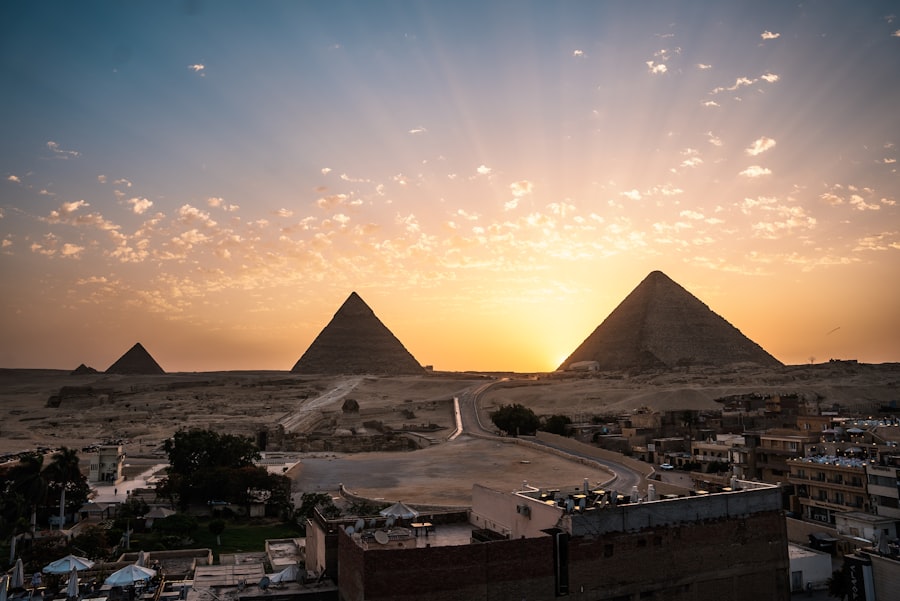
The pyramids at Giza, particularly the Great Pyramid of Khufu, represent the apex of pyramid construction. Their scale, precision, and enduring presence have made them global icons.
The Great Pyramid of Khufu: An Engineering Marvel
The Great Pyramid, constructed for Pharaoh Khufu, is the largest of the Giza pyramids and the most enduring of the Seven Wonders of the Ancient World.
Construction and Dimensions
It is estimated that the Great Pyramid is composed of approximately 2.3 million stone blocks, each weighing on average 2.5 tons. The original height was 146.6 meters (481 feet). The precision with which these blocks were cut and fitted, to an astonishing degree, is a marvel in itself.
Internal Passages and Chambers
The interior of the Great Pyramid contains a complex network of passages, including the Grand Gallery, the King’s Chamber, and the Queen’s Chamber. The construction of these internal spaces, particularly the massive granite beams above the King’s Chamber, is a testament to advanced engineering.
The Issue of the Capstone
The original capstone, or pyramidion, which would have capped the summit, is lost to time. It is speculated to have been made of precious metal or a fine stone, possibly covered in gold leaf, to reflect the sun’s rays.
The Pyramid of Khafre: A Majestic Neighbor
The Pyramid of Khafre, named after Khufu’s son, is the second-largest pyramid at Giza and appears taller due to its construction on a higher elevation.
Alignment and Casing
Khafre’s pyramid is also precisely aligned to the cardinal points. It retains a significant portion of its original casing stones at the apex, offering a glimpse of its former polished appearance.
The Sphinx Connection
The Great Sphinx of Giza is widely believed to have been associated with Khafre, likely representing him as a sphinx in the posture of power and watchfulness. The causeway connecting Khafre’s mortuary temple to his valley temple runs alongside the Sphinx.
The Pyramid of Menkaure: A Smaller but Significant Structure
The smallest of the three main Giza pyramids, the Pyramid of Menkaure, built for Khafre’s son and Khufu’s grandson, still represents a significant construction effort.
Granite Work
Menkaure’s pyramid is notable for its lower courses, which were cased in red granite quarried from distant Aswan, a testament to the continued importance of this precious material.
Mortuary Temple Complexes
Each pyramid at Giza was part of a larger mortuary complex that included a valley temple, a causeway, a mortuary temple, and a smaller subsidiary pyramid for the queen. These complexes were designed for ongoing rituals and offerings for the pharaoh.
The enigma surrounding the construction of the pyramids has fascinated historians and archaeologists for centuries, leading to numerous theories and discoveries. For those intrigued by this topic, a related article can be found that delves into the latest findings and theories about ancient Egyptian architecture. You can explore more about this captivating subject by visiting this article, which provides insights into the methods and tools that may have been used by the builders of these monumental structures.
Enduring Mysteries and Modern Research
| Metric | Value | Description |
|---|---|---|
| Number of Pyramids in Egypt | 138 | Total known pyramids discovered in Egypt |
| Height of Great Pyramid of Giza | 146.6 meters (original) | Original height when constructed around 2560 BC |
| Base Length of Great Pyramid | 230.4 meters | Length of each side of the pyramid’s base |
| Construction Period | 20 years | Estimated time taken to build the Great Pyramid |
| Number of Blocks Used | Approximately 2.3 million | Estimated number of stone blocks used in Great Pyramid |
| Average Weight per Block | 2.5 tons | Average weight of each limestone block |
| Orientation Accuracy | Within 0.067 degrees | Precision of the Great Pyramid’s alignment to true north |
| Purpose Theories | Burial tomb, astronomical observatory, energy generator | Common hypotheses about the pyramid’s original function |
| Age | Approximately 4,500 years | Estimated age of the Great Pyramid of Giza |
Despite centuries of study, much about the pyramids remains to be definitively explained. Modern research continues to probe their secrets, employing advanced technologies to uncover new insights.
Unanswered Questions and Theories
Numerous questions persist, fueling ongoing academic debate and public fascination.
The “Lost” Chambers
The existence of undiscovered chambers or voids within the pyramids, particularly the Great Pyramid, is a subject of ongoing investigation using techniques like muon radiography.
The Precise Alignment Methods
While astronomical alignment is evident, the exact methods used to achieve such precision without modern instruments remain a point of discussion.
The Purpose of Internal Features
The exact function of certain internal features, such as the air shafts in the Great Pyramid, is still debated, with theories ranging from ventilation to symbolic conduits.
Modern Archaeological and Scientific Approaches
Contemporary research utilizes a suite of advanced tools to non-invasively study these ancient structures.
Remote Sensing Technologies
Ground-penetrating radar, thermal imaging, and muon radiography allow researchers to peer beneath the surface of the pyramids and detect anomalies that might indicate hidden spaces or construction details.
Digital Reconstruction and Modeling
3D scanning and virtual reality technologies are used to create detailed digital models of the pyramids, aiding in analysis, reconstruction, and virtual exploration.
Material Analysis
Sophisticated chemical analysis of stone samples can help determine their provenance and provide clues about quarrying and transportation methods.
The Legacy of the Pyramids
The pyramids continue to be a potent symbol of human ingenuity, ambition, and the enduring quest to conquer mortality and understand our place in the universe. They are not just historical artifacts; they are touchstones of human endeavor, inspiring awe and questions that resonate across the ages, beckoning us to continue unraveling their magnificent mysteries. They stand as silent sentinels, their shadows stretching across millennia, whispering tales of a civilization that dared to build for eternity.
FAQs
What are the pyramids and where are they located?
The pyramids are ancient monumental structures primarily found in Egypt, built as tombs for pharaohs and significant figures. The most famous pyramids are located on the Giza Plateau near Cairo.
When were the pyramids built?
The majority of the Egyptian pyramids were constructed during the Old and Middle Kingdom periods, roughly between 2700 BCE and 1700 BCE, with the Great Pyramid of Giza built around 2580–2560 BCE.
How were the pyramids constructed?
Pyramids were built using large limestone and granite blocks, transported and assembled by skilled laborers using ramps, levers, and other tools. The exact methods are still studied, but it involved advanced engineering and organization.
What was the purpose of the pyramids?
Pyramids served as tombs for pharaohs and were designed to protect their bodies and possessions for the afterlife. They also symbolized the pharaoh’s power and connection to the gods.
Why are the pyramids considered a mystery?
The pyramids are considered a mystery due to the precision of their construction, the techniques used, and the purpose of certain internal chambers. Despite extensive research, some aspects of their building process and symbolic meanings remain unclear.