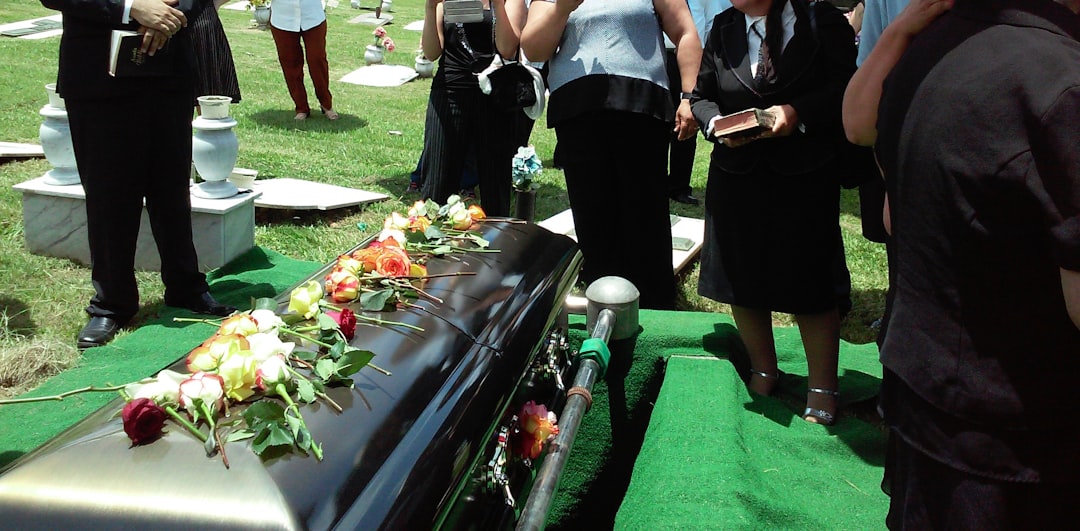
The funeral industry, a sector tasked with assisting bereaved individuals through one of life’s most challenging periods, often faces scrutiny regarding its commercial practices. Critics frequently point to a phenomenon termed “upselling,” where funeral homes allegedly leverage the emotional vulnerability of their clients to encourage expenditures beyond what is strictly necessary or desired. This article will explore the mechanisms of upselling within the funeral industry, its potential ethical implications, and the ways in which consumers can navigate these complexities.
Grief, by its very nature, profoundly impacts human cognition and decision-making processes. When an individual experiences the loss of a loved one, their emotional state can significantly impair their ability to think rationally, analyze options critically, and resist persuasive sales tactics. This vulnerability is a cornerstone upon which alleged upselling practices are built.
The Emotional Fog of Bereavement
The emotional fog of bereavement is not merely a poetic expression; it is a scientifically recognized psychological state. Studies in psychology and behavioral economics consistently demonstrate that intense emotional stress, such as that experienced after a death, can lead to cognitive biases. Decision-making under grief often prioritizes comfort, ease, and a desire to “do right” by the deceased, sometimes at the expense of financial prudence. Funeral directors, as professionals operating within this sensitive environment, are uniquely positioned to either alleviate or exacerbate this cognitive burden.
The “Best For My Loved One” Imperative
A powerful psychological driver in funeral arrangements is the “best for my loved one” imperative. Grieving individuals often feel an intense desire to honor the deceased in the most dignified way possible. This can translate into a willingness to purchase more expensive caskets, elaborate embalming procedures, premium funeral service packages, or additional commemorative items, viewing these as a final act of love and respect. Unscrupulous providers may exploit this sentiment by subtly suggesting that a higher-cost option is intrinsically more respectful or loving, thereby playing on guilt or perceived inadequacy if a less expensive alternative is chosen.
The funeral industry has long been criticized for its practices of upselling, often taking advantage of grieving families during one of their most vulnerable moments. A related article that delves into this issue is available at Hey Did You Know This, which explores how funeral homes may pressure families into purchasing expensive caskets, elaborate services, and unnecessary add-ons, ultimately leading to significant financial strain. This examination sheds light on the ethical implications of such practices and encourages families to be more informed and prepared when making funeral arrangements.
Unpacking the Price List: The Labyrinth of Funeral Costs
Navigating the financial landscape of a funeral can be a bewildering experience. Unlike many other consumer services, itemized price lists for funeral arrangements are not always presented upfront and can be complex, often requiring individuals to make numerous choices under pressure.
The General Price List (GPL) and Disclosure Requirements
In many jurisdictions, including the United States under the Federal Trade Commission’s (FTC) Funeral Rule, funeral homes are required to provide a General Price List (GPL) to consumers. This document itemizes the cost of various funeral goods and services. However, simply providing a GPL does not guarantee transparency or prevent upselling. The sheer volume of options, coupled with explanations that may not be easily understood by someone under emotional duress, can still leave individuals feeling overwhelmed and susceptible to guidance towards more expensive choices.
The Bundling of Services and “Package Deals”
A common sales tactic is the bundling of services into “package deals.” While these can sometimes offer a slight discount compared to purchasing each item individually, they often include services or goods that the consumer might not genuinely need or desire. For example, a package might include a premium casket, elaborate embalming, and a lengthy visitation period, even if the family prefers a simpler, direct cremation with a memorial service later. The framing of these packages as comprehensive and convenient can make them appear appealing, especially when one is trying to simplify a complex process. The illusion of a “good deal” can mask unnecessary expenditures.
The Illusion of Necessity: Embalming and Viewing
Certain services, such as embalming, are often presented as standard or even necessary, when in fact, they may not be. Embalming, while useful for preserving a body for an open-casket viewing over several days, is not legally required in most cases, particularly for immediate burial or cremation. Yet, funeral homes may subtly imply its necessity, especially if they are promoting an open-casket viewing as a default option. Similarly, the duration and formality of viewing periods can be subject to upselling, with longer, multi-day viewings often incurring additional facility and staff costs.
The Casket and Urn Showroom: A High-Pressure Environment
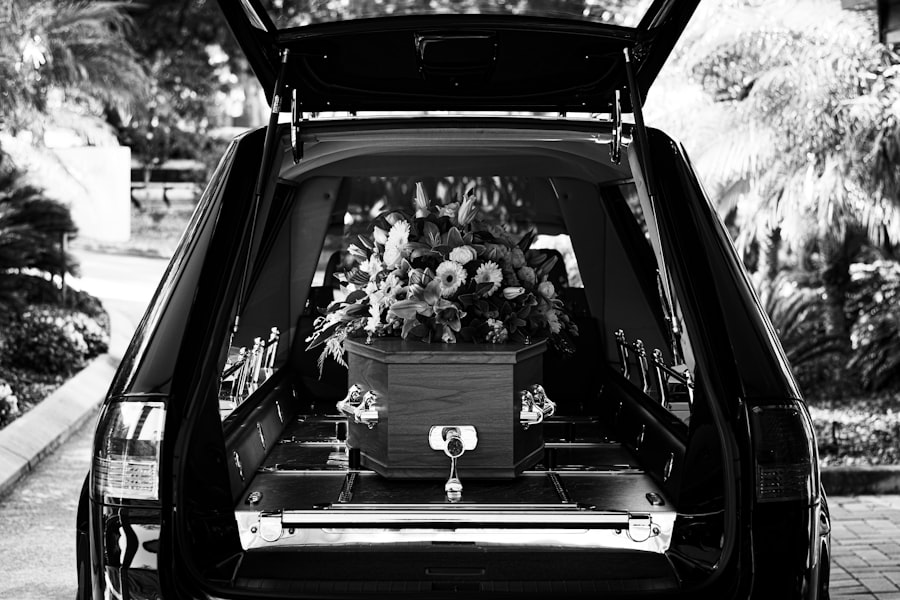
The selection of a casket or urn is often the most significant single expenditure in funeral arrangements. The environment in which these choices are made can be particularly conducive to upselling.
The “Stepping Up” Strategy
The “stepping up” strategy is a classic sales technique observed in various retail sectors, but it gains particular potency in a funeral home. Funeral directors may start by presenting a few basic, often less aesthetically pleasing, or lower-quality options. They then gradually guide the consumer towards higher-priced models, emphasizing superior materials, craftsmanship, or additional features. The implicit message can be that a loved one “deserves better” than the initial, less expensive options. This graduated presentation can make a mid-range, still expensive, option seem like a reasonable compromise rather than an extravagant purchase.
The Symbolism of Material and Craftsmanship
Caskets and urns are often presented with narratives around the symbolism of materials (e.g., solid wood vs. particle board, bronze vs. steel) and craftsmanship. While these qualities do contribute to price, they may not always align with the deceased’s wishes or the family’s financial capacity. A narrative steeped in luxury and permanence can be particularly persuasive to grieving individuals who seek to provide a lasting tribute, even if a simpler, more environmentally conscious, or less expensive option would be equally, if not more, meaningful.
The Role of Display and Placement
The physical arrangement of caskets in a showroom can also contribute to upselling. More expensive models may be prominently displayed, well-lit, and given more space, creating an aura of desirability. Less expensive options might be relegated to less visible areas, presented as secondary choices, or even kept in a back room, subtly discouraging their selection. This design of the choice environment is a powerful, non-verbal persuasion tool.
Beyond the Basics: Add-ons and Ancillary Services
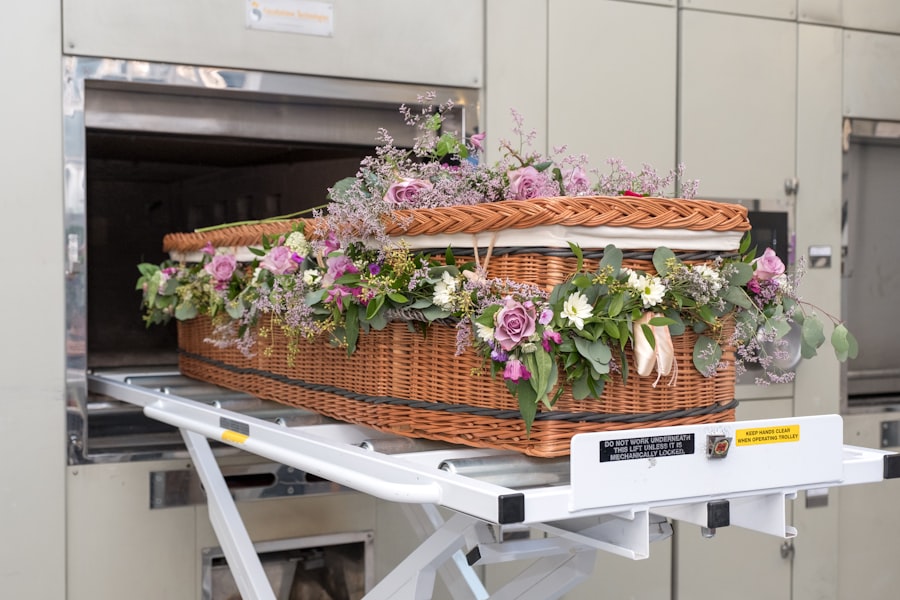
Beyond the core funeral services, a host of additional products and services are frequently offered, further expanding the potential for upselling.
Grave Markers and Memorialization
While often separate from the funeral home’s direct services, funeral directors may have partnerships or arrangements with monument companies. They might present premium grave markers, elaborate headstones, or complex memorialization products, framing them as essential for lasting remembrance. This can add significant, often unforeseen, costs to the overall expenditure.
Keepsakes, Photo Montages, and Online Tributes
In the digital age, memorialization has expanded to include various digital and tangible keepsakes. Photo montages, personalized tribute videos, custom memorial programs, and elaborate online obituary pages are increasingly offered. While these can be meaningful, they often come at a premium cost. The emotional appeal of preserving memories can make these add-ons very attractive, blurring the line between a heartfelt memento and an unnecessary expense.
Flowers, Catering, and Post-Funeral Gatherings
Many funeral homes offer to coordinate or directly provide services like floral arrangements, catering for post-funeral receptions, and even event planning for memorial gatherings. While convenient, these often involve mark-ups compared to sourcing them independently. The “one-stop-shop” convenience can mask inflated prices, as grieving families are often too exhausted or overwhelmed to comparison shop for these ancillary services. The desire to simplify arrangements can inadvertently lead to higher overall costs.
The funeral industry has long been criticized for its practices that often exploit grieving families through aggressive upselling of services and products. Many families find themselves overwhelmed during a difficult time, making them more susceptible to purchasing unnecessary items, such as elaborate caskets or expensive floral arrangements. A related article discusses these troubling trends and offers insights into how consumers can navigate the complexities of funeral planning without falling prey to manipulative sales tactics. For more information, you can read the article here.
Navigating the Ethical Landscape: Protecting Consumers
| Upselling Item | Average Additional Cost | Percentage of Families Upsold | Common Justification | Impact on Total Funeral Cost |
|---|---|---|---|---|
| Embalming | 1,200 | 85% | Preservation for viewing | 15-20% |
| Premium Caskets | 2,500 | 70% | Better appearance and durability | 25-30% |
| Floral Arrangements | 400 | 60% | Enhance ceremony ambiance | 5-7% |
| Memorial Videos | 600 | 40% | Personalized tribute | 7-10% |
| Transportation Upgrades | 300 | 50% | Luxury vehicles for procession | 3-5% |
| Obituary Notices | 150 | 55% | Extended public announcement | 2-3% |
The potential for upselling in the funeral industry raises significant ethical questions regarding fiduciary duty and consumer protection. While funeral directors provide an essential service, the unique vulnerability of their clientele demands a heightened level of transparency and ethical conduct.
The Importance of Pre-Need Planning
One of the most effective ways for individuals to protect themselves and their families from potential upselling is through pre-need funeral planning. By making decisions about funeral arrangements in advance, when not under emotional duress, individuals can research options, compare prices, and articulate their wishes clearly. This process allows for rational decision-making and empowers individuals to control costs and ensure their preferences are honored. Pre-paid funeral plans, if carefully chosen and understood, can also lock in prices and prevent future cost inflation.
Consumer Advocacy and Regulatory Oversight
Organizations dedicated to consumer advocacy play a crucial role in educating the public about their rights when arranging funerals. Groups can provide resources, checklists, and advice on navigating funeral home choices. Regulatory bodies, such as the Federal Trade Commission in the U.S., enforce rules designed to protect consumers, including the requirement for itemized price lists. However, enforcement can be challenging, and consumers often need to be proactive in understanding and asserting their rights.
Asking Direct Questions and Seeking Clarification
When engaging with funeral homes, consumers should feel empowered to ask direct and specific questions. These include:
- “What are the mandatory charges, and what are optional services?”
- “Can you show me the least expensive options for each service we are discussing?”
- “Are there less expensive alternatives for this particular item or service?”
- “What is included in this package, and what specifically are we paying for?”
"Is this service legally required for our chosen disposition method?"
By asking these questions, individuals can demystify the pricing structure and resist pressure to opt for unnecessary additions. It is also advisable to bring a trusted friend or family member to help with decision-making and to act as an objective ear.
Comparing Funeral Homes
Just as one would compare prices for any other significant purchase, researching and comparing multiple funeral homes is crucial. Different establishments may have vastly different pricing structures for similar services. Obtaining quotes from several providers allows consumers to make informed choices and identify potential instances of excessive pricing. This can be done through direct inquiries, online research, or through state and local funeral directors’ associations that sometimes provide pricing guides or lists of services.
Conclusion
The funeral industry, while fulfilling a vital societal role, operates within a unique ethical landscape given the profound emotional state of its client base. The potential for upselling, leveraging grief and the desire to honor a loved one, is a significant concern that demands both vigilance from consumers and rigorous ethical standards from providers. By understanding the mechanisms of upselling, engaging in pre-need planning, asserting one’s rights through informed questioning, and comparing options, individuals can navigate the complexities of funeral arrangements with greater clarity and ensure that their choices genuinely reflect their wishes and financial realities, rather than succumbing to undue commercial pressure. The challenge lies in creating an environment where compassion and clear information take precedence over opportunistic sales tactics, transforming a difficult necessity into a dignified, transparent, and financially sound remembrance.
FAQs
What is upselling in the funeral industry?
Upselling in the funeral industry refers to the practice of encouraging families to purchase more expensive products or services than they initially intended, such as premium caskets, elaborate funeral packages, or additional memorial items.
How do funeral homes typically upsell to grieving families?
Funeral homes may use emotional appeals, limited-time offers, or suggest that certain products or services are necessary for a proper farewell, which can lead families to spend more than they planned during a vulnerable time.
Are there regulations governing upselling practices in the funeral industry?
Yes, in many countries, including the United States, the Federal Trade Commission (FTC) enforces the Funeral Rule, which requires funeral providers to give clear, itemized price lists and prohibits deceptive practices, helping to protect consumers from unfair upselling.
What can families do to avoid being exploited by upselling?
Families can research prices beforehand, request detailed price lists, ask for alternatives, and take time to consider options rather than making immediate decisions under pressure.
Is it common for funeral homes to charge extra for basic services?
While some additional fees may be legitimate, such as for transportation or embalming, some funeral homes may charge inflated prices or add unnecessary services, which is why transparency and comparison shopping are important.