The narrative of small town America is often painted with broad strokes, conjuring images of idyllic pasts and the inevitable march of progress that left many communities as ghost towns in its wake. However, the reality is far more nuanced, a complex tapestry woven from economic shifts, demographic changes, and evolving societal priorities. For decades, many small towns served as the humming engines of regional economies, their prosperity intrinsically linked to specific industries. The closure of a single factory, the decline of agricultural markets, or the migration of young talent to urban centers could, and often did, trigger a cascade of economic hardship. This withdrawal of economic vitality was not merely a statistical blip; it was a slow, insidious draining of the lifeblood that had sustained these communities. The once-bustling main streets, the vibrant town squares, the schools that buzzed with youthful energy – all began to feel the chill of disuse. Unemployment rates climbed, businesses shuttered their doors, and the very foundations of civic engagement began to erode. The outward migration of residents, particularly young families seeking opportunities, further exacerbated the situation, creating a demographic imbalance and a diminishing tax base. This exodus was not always a conscious choice but often a necessity, a stark reality faced by individuals and families striving for economic security. The social fabric, once tightly knit by shared experiences and local institutions, began to fray as the very glue of community interdependence weakened. The echoes of past industry, once a source of pride and prosperity, became a somber reminder of what was lost, leaving behind a landscape of underutilized infrastructure and unmet potential.
The Economic Engine sputtered
The fundamental issue for many declining small towns lay in the obsolescence or relocation of their primary economic drivers. For generations, these towns were built around specific industries, and their fates were inextricably tied to the health and viability of these sectors.
The Coal Mines Close Their Gates
In regions historically reliant on mining, the depletion of easily accessible reserves, coupled with environmental regulations and the rise of alternative energy sources, led to the closure of countless mines. This single economic shockwave had ripple effects throughout the entire community.
The Ripple Effect of Mine Closures
- Job Losses: Direct employment in mining ceased, leading to immediate and widespread unemployment for miners and their families.
- Ancillary Business Failures: Businesses that depended on the mining industry – equipment suppliers, local diners, general stores – also suffered significant downturns and closures.
- Decreased Property Values: As the economic outlook soured, property values plummeted, further eroding the wealth of residents and the tax base of the municipality.
Manufacturing Plants Relocate Overseas
The post-World War II era saw a boom in American manufacturing, with many small towns becoming home to factories that produced goods for national and international markets. However, increasing labor costs, global competition, and the pursuit of cheaper production models led to widespread factory closures and relocations.
The Impact of Globalization on Local Economies
- Loss of Skilled Labor Markets: Towns that had developed a skilled workforce around specific manufacturing processes found these skills rendered less valuable as the industries moved elsewhere.
- Brain Drain: Younger generations, seeing limited opportunities in their hometowns, often pursued education and careers in larger cities, leading to a significant outflow of educated and ambitious individuals.
- Shifting Retail Landscape: The closure of major employers drastically altered the local consumer base, forcing retail businesses to adapt or disappear.
Agricultural Consolidation and Mechanization
In rural areas, the agricultural sector underwent significant consolidation. Small family farms, once the backbone of many communities, found it increasingly difficult to compete with larger agricultural corporations and the pervasive mechanization of farming.
The Changing Face of Rural Agriculture
- Fewer Farmers, Larger Operations: The number of individual farmers decreased as land was consolidated into larger, more efficient operations, often run by fewer people.
- Decline of Farm Supply Businesses: Businesses that catered to the needs of numerous small farms, such as local feed stores and equipment dealers, experienced a decline in their customer base.
- Increased Reliance on External Services: Essential services that were once provided locally, such as equipment repair, began to be consolidated in regional hubs, further centralizing economic activity.
The Demographic Shift: A Generational Exodus
Beyond the direct economic forces, a profound demographic shift significantly impacted the vitality of small towns. The allure of perceived greater opportunity, educational institutions, and diverse social landscapes in urban areas acted as a powerful magnet, drawing away younger generations and leaving behind an aging population. This generational exodus was not simply a matter of individuals moving; it represented a systematic erosion of the future of these communities.
The Magnet of Urban Opportunity
Larger cities, with their diverse economies, extensive educational networks, and a wider array of cultural and social offerings, presented a compelling alternative to the often limited prospects in small towns.
The Pull Factors of Metropolitan Areas
- Career Advancement: High-paying jobs in sectors like technology, finance, and specialized services were primarily concentrated in urban centers.
- Higher Education Access: Prestigious universities and specialized training programs were more readily available in and around major metropolitan areas, attracting students from smaller towns.
- Social and Cultural Diversity: The wide range of cultural events, diverse populations, and varied social scenes offered a dynamic lifestyle that often contrasted with the more homogenous environments of small towns.
The Aging In-Place Phenomenon
As younger residents departed, many small towns found themselves with an increasingly aging population. This created a range of challenges, from a shrinking workforce to increased demand for elder care services.
The Consequences of an Aging Population
- Strain on Healthcare Infrastructure: An aging demographic places a greater demand on local healthcare facilities, which may already be struggling with understaffing and limited resources.
- Labor Shortages Across Sectors: The dwindling availability of working-age individuals impacted not only specialized industries but also essential service sectors like retail, hospitality, and public services.
- Diminished Volunteer Base: Community organizations and volunteer efforts, often the backbone of small town life, suffered as the pool of available volunteers shrank.
The Empty Nest: A Symbol of Decline
The departure of young families, leaving behind homes that once echoed with the sounds of children, became a visible symbol of a town’s decline. This “empty nest” phenomenon extended beyond individual households, impacting school enrollment and the overall vibrancy of community life.
The Impact on Local Schools and Services
- School Consolidations and Closures: Declining student populations often led to the consolidation of school districts or the closure of individual schools, disrupting established community hubs and requiring students to travel further.
- Reduced Demand for Family-Oriented Businesses: Businesses catering to families, such as toy stores, children’s clothing boutiques, and youth sports leagues, saw their customer base shrink or disappear.
- Loss of Future Leadership: The departure of young professionals and families meant a loss of individuals who would typically step into leadership roles within local government, civic organizations, and businesses.
The Seeds of Revival: Rethinking Community Assets
The narrative of decline, however bleak, is not the end of the story. Recognizing the inherent value and unique strengths of small towns, a growing movement seeks to revitalize these communities by leveraging their existing assets and embracing innovative approaches. This revival is not about replicating urban models but about rediscovering and re-purposing what makes small towns distinct and desirable. The key lies in understanding that a community’s “assets” extend far beyond its immediate economic indicators. They encompass its history, its natural beauty, its strong social connections, and the resilience of its residents.
Identifying and Leveraging Unique Strengths
Instead of focusing solely on what has been lost, successful revitalization efforts begin by identifying and celebrating the existing strengths that can serve as a foundation for future growth.
The Value of Historical Charm and Character
Many small towns possess a rich history and a unique architectural heritage that can be a significant draw for tourism and new residents. Preserving and showcasing these historical elements can create a compelling identity.
- Historic Districts as Tourist Destinations: Designated historic districts can attract visitors interested in architecture, history, and a slower pace of life.
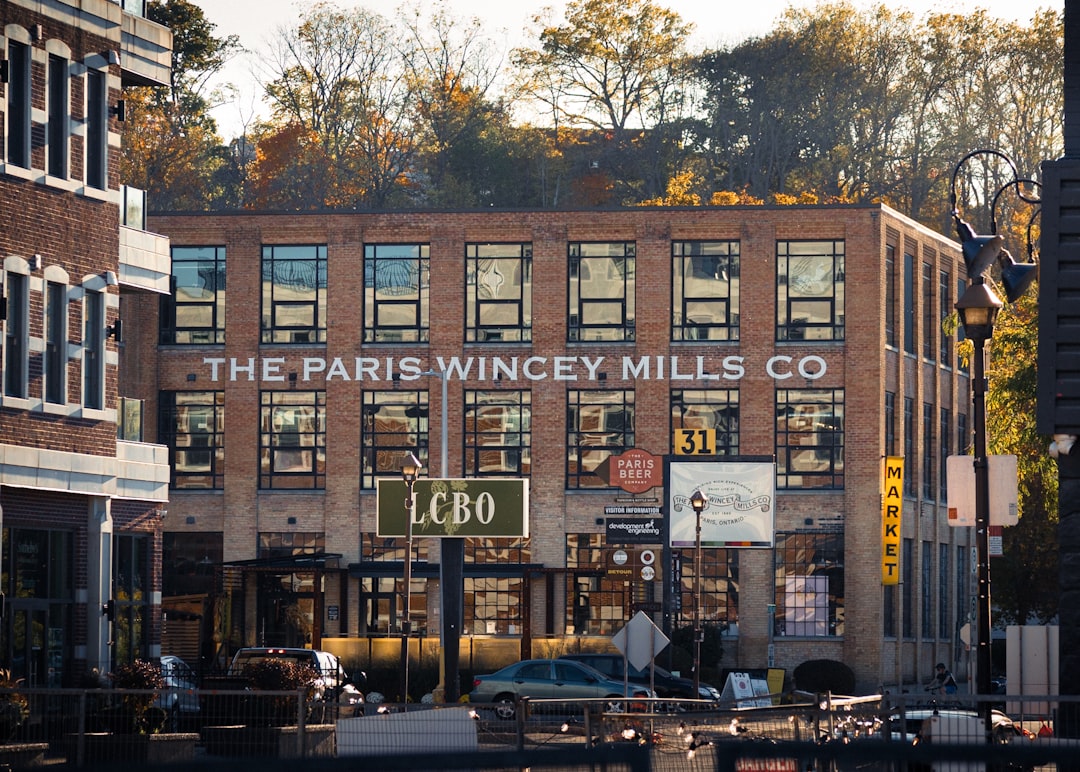
- Adaptive Reuse of Historic Buildings: Old factories, warehouses, and storefronts can be repurposed into new businesses, housing, or cultural spaces, breathing new life into neglected structures.
- Storytelling and Heritage Tourism: Developing narratives around the town’s past can engage visitors and create a deeper connection to the place.
The Power of Natural Landscapes and Outdoor Recreation
Rural towns are often surrounded by beautiful natural landscapes. Harnessing this natural capital can attract outdoor enthusiasts and foster a healthy lifestyle.
- Development of Trails and Parks: Investing in hiking, biking, and walking trails can draw recreational visitors and improve the quality of life for residents.
- Agritourism Opportunities: Connecting agricultural producers with consumers through farm tours, farmers’ markets, and direct sales can create new revenue streams and strengthen local food systems.
- Preservation of Natural Resources: Protecting forests, waterways, and open spaces not only maintains environmental health but also enhances the aesthetic appeal and recreational value of the area.
The Importance of Local Leadership and Community Engagement
True revival is often driven from within, by dedicated individuals and groups who are passionate about their hometowns. Strong local leadership and active community engagement are the bedrock upon which revitalization is built.
Empowering Local Champions
Identifying and supporting individuals who are willing to invest their time and energy in their community is crucial. These “champions” can inspire others and drive positive change.
- Grassroots Initiatives: Community-led projects, such as Main Street clean-ups, block parties, and neighborhood beautification efforts, foster a sense of collective ownership and pride.
- Formation of Revitalization Committees: Dedicated committees focused on specific aspects of revitalization – economic development, tourism, arts and culture – can provide structure and direction.
- Mentorship Programs: Connecting experienced community members with younger generations can facilitate knowledge transfer and cultivate future leaders.
Fostering a Culture of Collaboration
Revitalization is rarely a solo endeavor. It requires collaboration among residents, businesses, local government, and external stakeholders.
- Public-Private Partnerships: Joint ventures between municipal governments and private businesses can leverage resources and expertise for larger projects.
- Community Visioning Sessions: Engaging residents in open discussions about the future of their town helps to build consensus and ensures that revitalization efforts align with community desires.
- Inter-Community Cooperation: Neighboring towns can often collaborate on initiatives to share resources, promote regional attractions, and address common challenges.
Repurposing and Reimagining: The Economic Renaissance
The economic revival of small towns hinges on the ability to adapt and innovate, to create new economic opportunities that are sustainable and aligned with the community’s evolving strengths. This often involves a departure from the single-industry dependency of the past and a move towards a more diversified and resilient economic base. The goal is not to replace what was lost, but to build something new and relevant for the current landscape.
Embracing the Digital Economy and Remote Work
The rise of the internet and the increasing prevalence of remote work have opened new avenues for small towns to attract and retain talent
FAQs
What are common strategies used in the revitalization of American towns?
Common strategies include investing in infrastructure improvements, promoting local businesses, enhancing public spaces, encouraging tourism, and implementing community engagement programs.
How does revitalization impact the local economy of American towns?
Revitalization often boosts the local economy by attracting new businesses, increasing property values, creating jobs, and encouraging tourism, which collectively contribute to economic growth.
What role do government programs play in town revitalization?
Government programs provide funding, grants, and policy support that facilitate redevelopment projects, infrastructure upgrades, and community initiatives essential for successful revitalization.
How can community involvement influence the success of town revitalization efforts?
Community involvement ensures that revitalization projects meet local needs and preferences, fosters a sense of ownership, and helps sustain long-term improvements through active participation.
What challenges are commonly faced during the revitalization of American towns?
Challenges include securing adequate funding, overcoming resistance to change, addressing socioeconomic disparities, managing gentrification effects, and coordinating among multiple stakeholders.