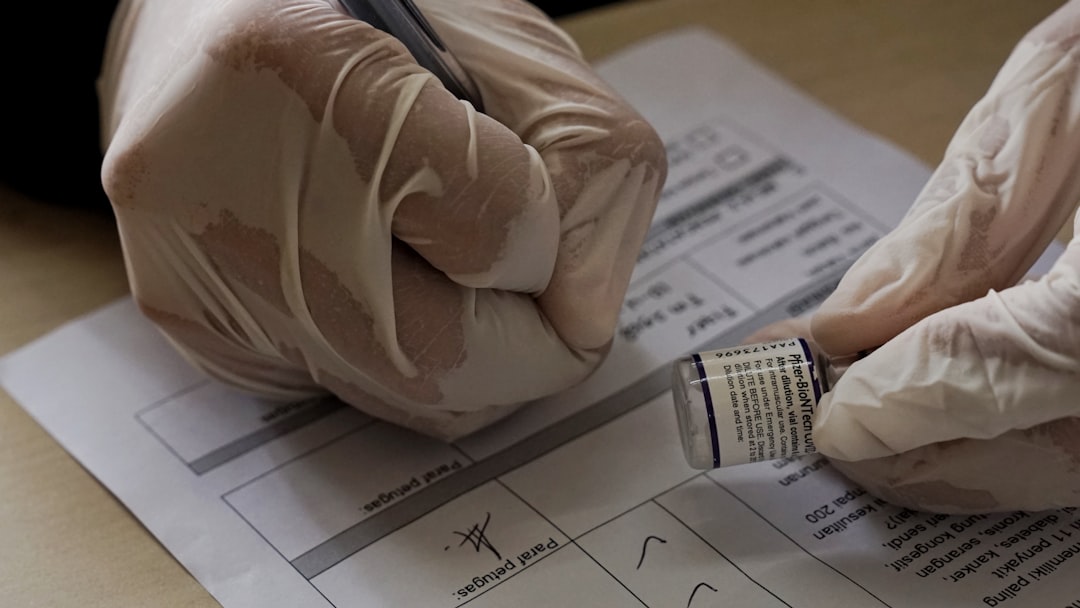
Healthcare fraud represents a significant drain on resources globally, diverting funds intended for patient care and eroding public trust in medical institutions. This multifaceted problem, often likened to a chameleon adapting to its environment, encompasses a wide array of deceptive practices, from billing for services never rendered to sophisticated identity theft. Effective detection strategies are paramount to mitigating these losses and preserving the integrity of healthcare systems.
The financial implications of healthcare fraud are staggering, impacting national economies and individual patients alike. Annually, billions of dollars are siphoned off through fraudulent activities, funds that could otherwise be invested in medical research, advanced technologies, or improved patient access. This illicit drain is not merely a financial inconvenience; it directly translates to higher premiums, increased out-of-pocket expenses for patients, and a strain on publicly funded healthcare programs.
Financial Ramifications and Economic Burden
The economic burden of healthcare fraud extends beyond the direct monetary losses. It encompasses the investigative costs, prosecutorial expenses, and the administrative overhead associated with implementing and managing anti-fraud measures. These indirect costs further exacerbate the financial strain on healthcare systems, diverting resources from core services. Imagine a leaky pipeline, where a substantial portion of the valuable liquid – in this case, healthcare funds – is lost before it reaches its intended destination. This leakage, due to fraud, profoundly impacts the efficiency and sustainability of healthcare provision.
Impact on Patient Care and Public Trust
Beyond the financial spreadsheet, healthcare fraud casts a long shadow over patient care and public trust. When providers engage in fraudulent billing, they may also be incentivized to over-treat, under-treat, or provide unnecessary services, jeopardizing patient safety and well-being. Furthermore, instances of medical identity theft can lead to erroneous medical records, potentially resulting in inappropriate diagnoses or treatments for unsuspecting individuals. This insidious erosion of trust can discourage patients from seeking necessary care, fearing exploitation or subpar services. The foundation of the patient-provider relationship, built on trust and ethical conduct, crumbles under the weight of widespread fraudulent activity.
Healthcare fraud detection is a critical area of focus for ensuring the integrity of medical billing and patient care. A related article that delves into innovative technologies and strategies for combating healthcare fraud can be found at Hey Did You Know This. This resource provides valuable insights into the latest trends and tools that healthcare organizations can implement to identify and prevent fraudulent activities effectively.
Proactive Data Analytics and Technology
In the contemporary landscape of healthcare fraud detection, proactive data analytics and advanced technological solutions are not merely beneficial; they are indispensable. The sheer volume and complexity of healthcare data make manual review an inadequate and inefficient approach. Technology acts as a powerful magnifying glass, allowing investigators to scrutinize vast datasets for anomalies and patterns that would otherwise remain hidden.
Predictive Modeling and Anomaly Detection
Predictive modeling employs sophisticated algorithms to identify patterns of fraudulent behavior based on historical data. By analyzing past instances of fraud, these models can learn to recognize red flags and predict future occurrences. Anomaly detection, a closely related technique, focuses on identifying outliers or deviations from established norms within healthcare claims and patient data. For example, a sudden, inexplicable surge in a particular procedure performed by a single provider, or a patient receiving identical services from multiple different providers in different geographical locations simultaneously, would trigger an alert. Consider a vast ocean of data; predictive modeling and anomaly detection are akin to high-powered sonar systems, capable of identifying submerged threats before they breach the surface.
Machine Learning and Artificial Intelligence
Machine learning (ML) and artificial intelligence (AI) elevate data analytics to a new level. ML algorithms can continually learn and adapt, refining their detection capabilities over time as new fraud schemes emerge. They can process and analyze unstructured data, such as provider notes and patient narratives, to uncover subtle indicators of deception that might elude traditional rule-based systems. AI-powered systems can automate aspects of the investigative process, flagging suspicious claims for human review and thereby significantly reducing the workload on anti-fraud units. These intelligent systems act as vigilant sentinels, constantly scanning the digital landscape for signs of illicit activity, far surpassing the capabilities of human oversight alone in terms of speed and scale.
Collaborative Approaches to Detection
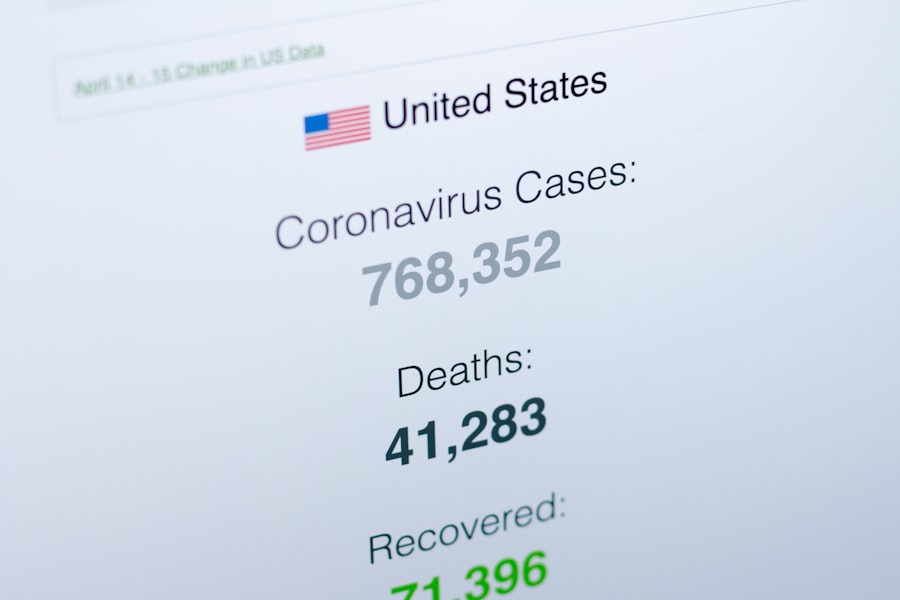
Combating healthcare fraud is not a solitary endeavor; it demands a concerted and collaborative effort from various stakeholders. Just as a strong chain is made up of many interlocking links, effective fraud detection relies on the robust integration of information and efforts across different entities.
Inter-Agency Cooperation
Government agencies, both at the national and local levels, play a crucial role in investigating and prosecuting healthcare fraud. This includes law enforcement agencies, such as the Federal Bureau of Investigation (FBI), and specialized healthcare fraud units within various governmental departments. Effective inter-agency cooperation involves sharing intelligence, coordinating investigations, and pooling resources to tackle large-scale fraudulent operations that transcend geographical boundaries or departmental jurisdictions. Without a unified front, fraudsters can exploit jurisdictional gaps and evade justice.
Public-Private Partnerships
Insurance companies, healthcare providers, and technology vendors are all key players in the private sector with a vested interest in mitigating healthcare fraud. Public-private partnerships foster collaboration between these entities and government agencies, enabling the sharing of expertise, data, and innovative solutions. For instance, private insurers often possess vast datasets of claims information that, when anonymized and analyzed in conjunction with public sector data, can reveal broader patterns of fraudulent activity. This symbiotic relationship creates a powerful deterrent against fraud by presenting a united and formidable front.
Whistleblower Programs
Whistleblower programs incentivize individuals with insider knowledge of fraudulent activities to come forward. These programs, often backed by legal protections and financial rewards, serve as invaluable sources of intelligence. Employees or former employees of healthcare organizations, who are privy to illicit practices, can provide critical leads that aid in investigations and prosecutions. Whistleblowers act as vital internal sensors, detecting corruption from within and bringing it to the attention of external investigators. They are often the first line of defense, witnessing firsthand the unethical actions that betray public trust.
Robust Investigative Methodologies
Once potential instances of fraud are detected, robust investigative methodologies are essential to gather evidence, build strong cases, and ensure successful prosecution or corrective action. This phase transitions from detection to definitive proof, requiring meticulous attention to detail and adherence to legal frameworks.
Forensic Data Analysis
Forensic data analysis involves the systematic examination of electronic data to uncover evidence of fraudulent activity. This can include analyzing billing records, patient charts, electronic health records (EHRs), and financial transactions. Forensic experts use specialized tools and techniques to reconstruct events, identify patterns of deception, and trace the flow of illicit funds. This meticulous process is akin to reassembling a shattered mosaic, painstakingly putting each piece back in place to reveal the complete and true picture of events.
Interview and Interrogation Techniques
Skilled interview and interrogation techniques are critical for gathering information from witnesses, suspects, and other involved parties. Investigators must be adept at building rapport, asking open-ended questions, identifying inconsistencies, and discerning deception. These techniques demand a nuanced understanding of human psychology and communication, aiming to elicit truthful information rather than simply confirm suspicions. The ability to navigate these conversations effectively can be the linchpin of a successful investigation.
Chain of Custody and Evidence Management
Maintaining a meticulous chain of custody for all collected evidence is paramount to its admissibility in legal proceedings. This involves documenting every step of the evidence collection, handling, storage, and transfer process, ensuring its integrity and authenticity. Proper evidence management prevents contamination, tampering, or loss, safeguarding the validity of the investigation’s findings. A broken chain of custody can render even the most compelling evidence inadmissible, effectively derailing the entire investigative effort.
Healthcare fraud detection is an increasingly critical area as the complexity of healthcare systems grows. Effective strategies for identifying fraudulent activities can significantly reduce costs and improve patient care. For more insights on this topic, you can explore a related article that discusses innovative technologies and methodologies used in the fight against healthcare fraud. This article can be found at this link, where you will discover various approaches that are transforming the landscape of fraud detection in healthcare.
Prevention and Education
| Metric | Description | Typical Value / Range | Importance |
|---|---|---|---|
| False Positive Rate | Percentage of legitimate claims incorrectly flagged as fraudulent | 1% – 5% | Low false positives reduce unnecessary investigations and provider dissatisfaction |
| Detection Rate (True Positive Rate) | Percentage of actual fraudulent claims correctly identified | 70% – 90% | High detection rate ensures effective fraud prevention |
| Average Time to Detect Fraud | Time taken from claim submission to fraud identification | Hours to days | Faster detection reduces financial losses and prevents further fraudulent activity |
| Cost Savings from Fraud Detection | Amount saved by preventing fraudulent claims | Varies widely by organization | Measures financial impact of fraud detection efforts |
| Number of Claims Processed | Total claims reviewed by the fraud detection system | Thousands to millions per month | Indicates system scalability and workload |
| Precision | Proportion of flagged claims that are truly fraudulent | 60% – 85% | Higher precision reduces wasted resources on false alarms |
| Recall | Proportion of all fraudulent claims that are detected | 70% – 90% | Ensures most fraud cases are caught |
| Model Update Frequency | How often fraud detection models are retrained or updated | Monthly to quarterly | Regular updates improve detection accuracy against evolving fraud tactics |
While effective detection strategies are crucial for addressing existing fraud, a comprehensive approach also necessitates a strong emphasis on prevention and education. Preventing fraud at its source is like building a strong seawall; it withstands the initial assault rather than simply repairing the damage after the tide has come in.
Provider Education and Compliance Programs
Educating healthcare providers about anti-fraud regulations, ethical billing practices, and the consequences of fraudulent behavior is a fundamental preventative measure. Compliance programs within healthcare organizations aim to establish internal controls, conduct regular audits, and foster a culture of integrity. By proactively training staff and implementing robust compliance frameworks, organizations can significantly reduce their vulnerability to fraudulent activities. This proactive approach cultivates a culture where ethical conduct is the norm, rather than the exception.
Patient Awareness and Empowerment
Empowering patients with knowledge about their rights, billing practices, and how to identify suspicious activities is another vital component of prevention. Patients should be encouraged to review their explanation of benefits (EOBs) carefully, question unclear charges, and report any discrepancies or suspected fraud. Providing easily accessible resources and communication channels for reporting concerns can transform patients into an additional layer of vigilance, acting as informed watchdogs over their own healthcare expenditures.
Regulatory Oversight and Policy Implementation
Robust regulatory oversight and the continuous refinement of anti-fraud policies are essential to stay ahead of evolving fraud schemes. Governments and regulatory bodies must regularly review existing laws, identify weaknesses, and implement new measures to close loopholes that fraudsters might exploit. This dynamic approach ensures that the legal and regulatory framework remains a formidable barrier to illicit activities, constantly adapting to the ever-changing landscape of healthcare fraud. This ongoing development of policies and their enforcement is the legal scaffolding that supports all other anti-fraud efforts, providing the necessary strength and rigidity to deter malicious actors.
In conclusion, combating healthcare fraud is a complex and ongoing battle, demanding a multi-faceted approach. By leveraging advanced technology, fostering collaboration across sectors, implementing robust investigative methodologies, and prioritizing preventive measures, healthcare systems can fortify their defenses against this pervasive threat. The fight against healthcare fraud is a collective responsibility, and only through sustained diligence and innovation can the integrity of healthcare services be protected for the benefit of all.
FAQs
What is healthcare fraud detection?
Healthcare fraud detection refers to the process of identifying and preventing fraudulent activities within the healthcare system, such as false billing, identity theft, and unnecessary medical procedures, to protect patients and reduce financial losses.
Why is healthcare fraud detection important?
Healthcare fraud detection is important because it helps maintain the integrity of healthcare services, reduces financial losses for providers and insurers, ensures patients receive appropriate care, and helps control rising healthcare costs.
What methods are commonly used in healthcare fraud detection?
Common methods include data analytics, machine learning algorithms, pattern recognition, audits, and claims review processes to identify unusual billing patterns, duplicate claims, or suspicious provider behavior.
Who is responsible for detecting healthcare fraud?
Healthcare fraud detection involves multiple stakeholders, including healthcare providers, insurance companies, government agencies, and specialized fraud detection units that work together to monitor, investigate, and prevent fraudulent activities.
What are the consequences of healthcare fraud?
Consequences of healthcare fraud can include legal penalties, financial losses, damage to reputation, increased insurance premiums, and compromised patient care due to misuse of resources or unnecessary treatments.