
The healthcare sector, a colossal engine of progress and relief, is not immune to corrosive elements. Among these, healthcare fraud stands as a particularly insidious drain, siphoning resources, jeopardizing patient safety, and undermining public trust. This article delves into the complex landscape of healthcare fraud, exploring its manifestations, the mechanisms employed to detect and combat it, and the broader societal implications it carries. Consider this an investigative journey, peeling back layers of obfuscation to reveal the stark realities of this pervasive issue.
Healthcare fraud is not a monolithic entity; rather, it is a hydra-headed beast with numerous forms. Its perpetrators range from individual practitioners and small clinics to large corporations, each exploiting vulnerabilities within the sprawling healthcare system. Understanding these diverse manifestations is the first step in constructing effective countermeasures.
Billing Fraud: The Most Common Offender
Billing fraud represents a significant portion of healthcare fraud investigations, often involving schemes that inflate costs or misrepresent services rendered. This category encompasses a spectrum of deceitful practices, each designed to illicitly extract funds from payers, be they government programs, private insurers, or even individual patients.
- Upcoding: This involves submitting claims for a more expensive service or procedure than what was actually provided. For example, a minor office visit might be billed as a comprehensive examination, or a standard surgical procedure as a more complex one. The incentive is a higher reimbursement rate for the same or less effort.
- Unbundling: This practice involves billing separately for services that are typically grouped together and covered by a single code. Imagine purchasing a meal where each ingredient is billed individually, drastically increasing the total cost. Similarly, an unbundled bill might separate laboratory tests that are normally included in a diagnostic panel, multiplying the charges.
- Phantom Billing: Perhaps the most egregious form of billing fraud, phantom billing involves charging for services or equipment that were never delivered or rendered. This can range from billing for appointments a patient never attended to charging for medical devices never dispensed. It is a pure fabrication, a ghost in the machine of the healthcare system.
- Duplicate Billing: Submitting multiple claims for the same service or procedure, often to different payers or at different times, constitutes duplicate billing. This is akin to a restaurant charging a customer twice for the same meal, hoping one of the charges goes unnoticed.
Provider Fraud: Exploiting the Clinical Trust
Beyond mere billing irregularities, some healthcare providers engage in practices that directly compromise patient well-being while enriching themselves. These acts betray the inherent trust placed in medical professionals and can have severe consequences for patients.
- Kickbacks and Bribery: Medical professionals are prohibited from receiving payments or other inducements in exchange for referring patients or prescribing specific products or services. These “bribes” distort medical decision-making, prioritizing financial gain over patient best interests. Imagine a physician recommending an unneeded surgery simply because a referring surgeon offers a financial incentive – a clear violation of ethical and legal boundaries.
- Prescription Drug Fraud: This category includes a range of illicit activities related to prescription medications. It can involve the illegal diversion of prescription drugs, such as doctors prescribing controlled substances to individuals who do not need them (pill mills), or pharmacists dispensing medications without valid prescriptions. Conversely, some individuals may falsify prescriptions to obtain drugs for recreational use or resale.
- Falsifying Medical Records: Altering patient records to justify unnecessary procedures, inflate claims, or conceal negligent care is a serious offense. Medical records serve as the cornerstone of patient care and legal documentation. Their deliberate manipulation is a direct attack on healthcare integrity.
Patient Fraud: The Smaller, Yet Significant, Drain
While provider-driven fraud typically involves larger sums, patient involvement in fraudulent activities, though often smaller in scale, contributes to the overall problem. These actions erode the system from another angle, highlighting the complexity of fraud prevention.
- Identity Theft for Medical Services: Individuals may use another person’s identity or insurance information to obtain medical services or prescription drugs. This not only burdens the legitimate policyholder but can also create serious medical record inaccuracies for the victim, potentially leading to incorrect diagnoses or treatments.
- Misrepresenting Symptoms or Conditions: Patients occasionally exaggerate symptoms or fabricate conditions to receive unnecessary treatments, medications, or disability benefits. This deceptive behavior strains resources and can divert attention from individuals with genuine medical needs.
- Doctor Shopping: This practice involves visiting multiple doctors to obtain numerous prescriptions for controlled substances, often without disclosing other prescriptions or medical history. Fueled by addiction or the intent to resell, doctor shopping contributes to the opioid crisis and other drug-related harms.
Healthcare fraud investigations are crucial in maintaining the integrity of the healthcare system and ensuring that resources are allocated appropriately. For a deeper understanding of the complexities involved in these investigations, you can refer to a related article that discusses various types of healthcare fraud and the methods used to combat them. To read more, visit this informative article.
The Mechanics of Detection: Unveiling the Deception
Detecting healthcare fraud is an intricate dance between sophisticated technology and astute human intelligence. It is a constant arms race, with fraudsters continually developing new methods to circumvent detection, and investigators refining their tools and strategies.
Data Analytics and Artificial Intelligence
In the digital age, vast quantities of healthcare data are generated daily. This presents both a challenge and an opportunity for fraud detection. Advanced analytical techniques and artificial intelligence are becoming indispensable tools in this endeavor.
- Anomaly Detection: Machine learning algorithms can analyze patterns in billing data, claims submissions, and patient records to identify outliers that deviate from established norms. Sudden spikes in certain procedures, unusual prescription volumes, or geographic clusters of specific diagnoses can signal potential fraudulent activity. This is akin to searching for a needle in a haystack, but with a powerful magnet that points towards metallic anomalies.
- Predictive Modeling: By learning from past fraud cases, AI models can predict which claims or providers are most likely to be fraudulent. These models incorporate various risk factors, allowing investigators to proactively target their efforts rather than solely reacting to red flags. It’s like having a crystal ball that highlights high-risk areas before the damage is fully realized.
- Network Analysis: Fraudulent schemes often involve networks of interconnected providers, patients, and businesses. Graph databases and network analysis tools can map these relationships, revealing hidden connections and identifying suspicious clusters that might indicate organized criminal activity. This allows investigators to see beyond individual transactions and understand the larger ecosystem of fraud.
Whistleblowers and Informants
While technology provides invaluable data, human intelligence remains a cornerstone of fraud detection. Individuals, often driven by a sense of moral obligation or the promise of financial reward, play a critical role in exposing fraudulent practices.
- Qui Tam Actions: Under the False Claims Act in the United States, private citizens with knowledge of fraud against government programs can file a qui tam lawsuit on behalf of the government. If the government successfully recovers funds, the whistleblower is often entitled to a share of the proceeds. These individuals, often insiders, provide a crucial window into the secretive world of fraud.
- Internal Compliance Programs: Reputable healthcare organizations often have robust internal compliance programs designed to detect and prevent fraud. Employees are typically encouraged to report suspicious activities without fear of retaliation. A strong ethical culture within an organization acts as an internal immune system against corrupt practices.
Government and Regulatory Oversight
A robust framework of government agencies and regulatory bodies is essential for deterring and prosecuting healthcare fraud. These entities act as the guardians of the system, enforcing laws and holding perpetrators accountable.
- Law Enforcement Agencies: Organizations like the Federal Bureau of Investigation (FBI), the Department of Justice (DOJ), and state-level law enforcement agencies actively investigate and prosecute healthcare fraud cases. Their investigative powers, including subpoenas and search warrants, are critical for gathering evidence.
- Regulatory Bodies: Agencies such as the Centers for Medicare & Medicaid Services (CMS) have significant oversight responsibilities. They implement regulations, conduct audits, and impose sanctions on providers who violate rules or engage in fraudulent activities. Their administrative powers can be a powerful deterrent alongside criminal prosecution.
The Consequences of Healthcare Fraud: A Ripple Effect
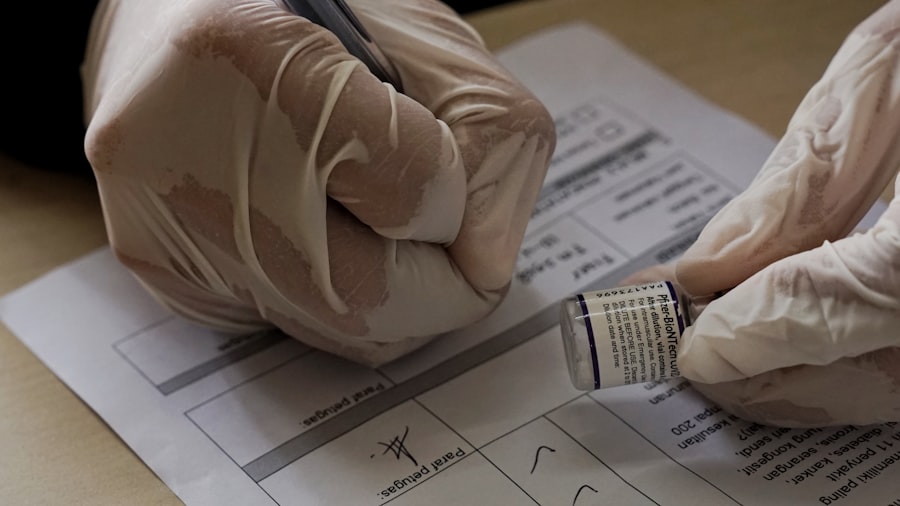
The ramifications of healthcare fraud extend far beyond financial losses. It is a destructive force that erodes the foundation of a healthy society, impacting individuals, institutions, and the very fabric of public trust.
Financial Drain and Resource Misallocation
The most immediate and quantifiable consequence of healthcare fraud is the immense financial cost. Billions of dollars are lost annually to fraudulent schemes, representing a significant portion of healthcare expenditures.
- Increased Premiums and Taxes: When insurers or government programs incur losses due to fraud, these costs are ultimately passed on to consumers through higher insurance premiums, increased deductibles, or greater tax burdens. Every citizen effectively pays a “fraud tax,” whether they realize it or not.
- Reduced Funding for Legitimate Services: The money siphoned off by fraudsters could otherwise be used to fund vital medical research, improve patient care infrastructure, or expand access to necessary health services. This diversion of resources is a direct detriment to public health. It’s like a slow leak in a critical pipeline, reducing the flow to intended beneficiaries.
Erosion of Patient Safety and Trust
Perhaps the most insidious consequence of healthcare fraud is the damage it inflicts on patient safety and the crucial trust between patients and providers. When profit motives override medical ethics, patients become vulnerable.
- Unnecessary Procedures and Treatments: Fraudulent providers may recommend or perform medically unnecessary tests or procedures to inflate bills. This exposes patients to unwarranted risks, potential complications, and emotional distress, all without clinical benefit. Imagine undergoing an invasive surgery that was never truly needed – a harrowing prospect.
- Substandard Care and Medication Diversion: In some extreme cases, fraudulent activities can lead to the neglect of genuine medical needs or the diversion of legitimate medications, jeopardizing patient health. For example, a physician focused on running a “pill mill” may ignore the holistic health needs of their patients.
- Loss of Public Confidence: Stories of healthcare fraud chip away at the public’s confidence in the healthcare system as a whole. When people perceive widespread corruption, it can lead to cynicism, distrust of medical professionals, and hesitation to seek necessary care – a truly corrosive outcome.
Legal and Ethical Ramifications
The individuals and organizations engaged in healthcare fraud face severe legal and ethical repercussions, ranging from substantial fines to imprisonment. The justice system aims to deter future misconduct and hold offenders accountable.
- Criminal Penalties: Perpetrators of healthcare fraud can face federal and state criminal charges, which may include hefty fines, lengthy prison sentences, and asset forfeiture. These penalties serve as a powerful deterrent.
- Civil Penalties: In addition to criminal charges, civil lawsuits can result in significant monetary penalties, including treble damages (three times the actual damages) under laws like the False Claims Act. Civil sanctions often recoup more substantial financial losses for the government.
- Loss of Licenses and Exclusion from Programs: Medical professionals found guilty of fraud typically have their professional licenses revoked or suspended, effectively ending their careers. Furthermore, individuals and entities can be excluded from participating in federal healthcare programs like Medicare and Medicaid, cutting off their access to a major revenue stream.
Prevention and Proactive Measures: Fortifying the System

Combating healthcare fraud requires a multifaceted approach that not only focuses on detection and prosecution but also emphasizes robust preventive and proactive measures. Building a resilient system is key to stemming the tide of this pervasive issue.
Strengthening Regulatory Frameworks
Effective laws and regulations form the bedrock of fraud prevention. Continual review and refinement of these frameworks are essential to keep pace with evolving fraudulent schemes.
- Clearer Guidelines and Enforcement: Providing unambiguous guidelines for billing, coding, and service delivery reduces ambiguity that fraudsters can exploit. Consistent and rigorous enforcement of these regulations sends a strong message that non-compliance will not be tolerated.
- Increased Penalties and Deterrence: Periodically reviewing and, where necessary, increasing penalties for healthcare fraud can enhance their deterrent effect. The penalty must outweigh the potential reward for criminal activity.
- International Cooperation: Healthcare fraud often transcends national borders, particularly in schemes involving pharmaceuticals or medical devices. International collaboration among law enforcement and regulatory bodies is crucial for disrupting these global networks.
Promoting Ethical Conduct and Transparency
A strong ethical culture within the healthcare industry serves as an internal bulwark against fraud. Fostering transparency and accountability are vital components of this.
- Professional Ethics Training: Regular and comprehensive ethics training for all healthcare professionals, from new recruits to seasoned practitioners, can reinforce moral principles and highlight the grave consequences of fraudulent actions.
- Transparent Reporting Mechanisms: Establishing easily accessible and well-publicized channels for reporting suspected fraud, coupled with strong protections for whistleblowers, encourages individuals to come forward without fear of reprisal.
- Public Awareness Campaigns: Educating the public about common healthcare fraud schemes empowers patients to recognize and report suspicious activity. An informed public is an additional layer of defense.
Technological Advancements in Prevention
Just as technology aids in detection, it also plays a crucial role in preventing fraud by strengthening system vulnerabilities and automating compliance checks.
- Secure Electronic Health Records (EHR) Systems: Robust EHR systems with strong access controls, audit trails, and data integrity safeguards can prevent the manipulation of patient records and provide a clear history of care.
- Blockchain Technology: Emerging technologies like blockchain hold promise for enhancing the security and transparency of healthcare transactions. Its immutable ledger could make it significantly harder to alter billing records or falsify claims.
- Automated Pre-Payment Edits: Implementing automated systems that review claims for common red flags before payment is issued can prevent fraudulent claims from being paid in the first place, acting as an intelligent gatekeeper.
Healthcare fraud investigation is a critical area that requires constant vigilance and innovative strategies to combat the rising tide of fraudulent activities. A recent article discusses various methods employed by authorities to detect and prevent such fraud, highlighting the importance of technology in these efforts. For more insights on this topic, you can read the full article here. Understanding these strategies can help both providers and patients recognize potential fraud and contribute to a more transparent healthcare system.
The Continuing Battle: Vigilance and Adaptation
| Metric | Description | Typical Value / Range | Importance |
|---|---|---|---|
| Number of Investigations Initiated | Total healthcare fraud cases opened for investigation in a given period | 500 – 2,000 per year (varies by agency) | Indicates workload and fraud detection activity |
| Average Investigation Duration | Time taken from case initiation to closure | 6 – 18 months | Reflects complexity and resource allocation |
| Recovery Rate | Percentage of identified fraudulent amounts recovered | 30% – 70% | Measures effectiveness of enforcement actions |
| Conviction Rate | Percentage of prosecuted cases resulting in conviction | 60% – 85% | Indicates success of legal proceedings |
| Common Fraud Types | Most frequent types of healthcare fraud detected | Billing for services not rendered, upcoding, kickbacks | Helps target prevention and detection efforts |
| Average Fraud Amount per Case | Estimated monetary value involved in each fraud case | 10,000 – 100,000 | Assesses financial impact of fraud |
| Use of Data Analytics | Percentage of investigations utilizing advanced analytics tools | 70% – 90% | Enhances detection and prioritization of cases |
| Whistleblower Reports | Number of fraud cases initiated from whistleblower tips | 200 – 600 per year | Important source of fraud detection |
The fight against healthcare fraud is a continuous and evolving battle. It demands constant vigilance, adaptability, and collaboration from all stakeholders – government agencies, healthcare providers, insurers, and the public. As fraudsters become more sophisticated, so too must the strategies employed to counter them. This ongoing investigation into healthcare fraud reveals that it is not merely a financial problem, but a profound ethical and societal challenge that requires unwavering commitment to protect the integrity of a system vital to human well-being. The pursuit of optimal health outcomes for all hinges on maintaining a healthcare landscape untainted by deception and driven by genuine care. The journey to a fraud-free healthcare system may be long and arduous, but the societal dividends of such an achievement are immeasurable.
FAQs
What is healthcare fraud?
Healthcare fraud involves the intentional deception or misrepresentation by individuals or organizations to obtain unauthorized benefits or payments from healthcare programs, such as Medicare or Medicaid.
Who conducts healthcare fraud investigations?
Healthcare fraud investigations are typically conducted by government agencies such as the Office of Inspector General (OIG), the Federal Bureau of Investigation (FBI), and the Department of Health and Human Services (HHS), as well as private insurers and healthcare compliance organizations.
What are common types of healthcare fraud?
Common types of healthcare fraud include billing for services not rendered, upcoding (billing for more expensive services than provided), unbundling (billing separately for services that should be billed together), and falsifying patient diagnoses or treatment records.
What are the consequences of healthcare fraud?
Consequences of healthcare fraud can include criminal charges, fines, repayment of fraudulent claims, exclusion from participation in federal healthcare programs, and damage to professional reputation.
How can healthcare providers prevent fraud?
Healthcare providers can prevent fraud by implementing strong compliance programs, conducting regular audits, providing staff training on ethical billing practices, maintaining accurate documentation, and promptly addressing any suspicious activities.