
Uncovering healthcare fraud is a complex undertaking, a constant battle against the insidious erosion of trust and resources within a system designed to heal. It is a financial hemorrhage, draining billions annually from public and private payers, ultimately affecting every individual who relies on healthcare services. This article aims to elucidate the multifaceted nature of healthcare fraud, its impact on patients, and the concerted efforts undertaken to combat it.
Healthcare fraud encompasses a broad spectrum of illegal activities that involve making false claims to obtain a healthcare benefit or payment. It’s a chameleon, constantly adapting its form and method, making detection a persistent challenge. Understanding its various guises is the first step in recognizing and reporting it.
What Constitates Fraud?
Fraud is distinct from abuse in healthcare. While abuse involves practices that directly or indirectly result in unnecessary costs to the Medicare or Medicaid programs, fraud entails intentional deception or misrepresentation made by a person with the knowledge that the deception could result in some unauthorized benefit to themselves or some other person. The keyword here is “intent.” For example, an administrative error in billing, while potentially costly, is not fraud unless there was a deliberate attempt to mislead for financial gain.
Common Schemes and Perpetrators
The landscape of healthcare fraud is vast, populated by a diverse cast of perpetrators and an equally diverse array of schemes. From individual providers to larger organized syndicates, the methods employed are often intricate and designed to evade detection.
Provider Fraud
This category includes fraud committed by physicians, hospitals, clinics, pharmacies, laboratories, and other healthcare providers. Examples include:
- Billing for services not rendered: This is perhaps the most straightforward form of fraud, where providers submit claims for procedures, tests, or treatments that never took place. Imagine a phantom surgery performed on a phantom patient.
- Upcoding: This involves billing for a more expensive service or procedure than the one actually performed. A simple office visit might be coded as a complex consultation, inflating the reimbursement significantly.
- Unbundling: Separately billing for services that should be included in a single charge. It’s like buying a car and then being charged extra for each wheel, the engine, and the seats individually.
- Duplicate billing: Submitting multiple claims for the same service to different payers or the same payer at different times.
- Kickbacks: Offering or receiving payments or other inducements for patient referrals. This often compromises clinical judgment, steering patients towards particular services or providers not based on need but on financial incentive.
- Falsifying patient records: Manipulating medical records to support fraudulent claims, such as exaggerating symptoms or diagnoses.
Beneficiary Fraud
While less common than provider fraud, beneficiary fraud also presents a significant challenge. This involves patients themselves engaging in deceptive practices.
- Identity theft: Using another person’s insurance information to obtain services or prescription drugs. Your insurance card, in the wrong hands, can become a key to fraudulent access.
- Doctor shopping: Visiting multiple doctors to obtain numerous prescriptions for controlled substances, often for resale. This fuels addiction and diverts essential medications.
- Misrepresenting eligibility: Providing false information to qualify for healthcare benefits.
Pharmaceutical Fraud
The pharmaceutical industry, with its high costs and complex supply chains, is also a fertile ground for fraudulent activities.
- Marketing fraud: Pharmaceutical companies engaging in illegal marketing practices, such as promoting off-label uses for drugs or misrepresenting efficacy and safety data.
- Wholesale drug diversion: Legitimate drugs being diverted from the legal supply chain for illicit resale.
Healthcare fraud is a significant issue that affects both patients and the healthcare system as a whole, leading to increased costs and compromised care. For a deeper understanding of this topic, you can read a related article that explores various aspects of healthcare fraud and its implications. To learn more, visit this informative article.
The Cost of Collusion: Impact on Patients and the System
The consequences of healthcare fraud are far-reaching, extending beyond mere financial loss. It erodes confidence, compromises patient safety, and creates a ripple effect that ultimately impacts the quality and accessibility of care for everyone.
Financial Strain: A Leaky Faucet
The sheer magnitude of financial losses due to healthcare fraud is staggering. Estimates vary, but many sources suggest that tens of billions of dollars are lost annually in the United States alone. This financial drain has several direct impacts:
- Higher premiums and out-of-pocket costs: When healthcare payers lose money to fraud, they often pass these costs on to consumers in the form of higher insurance premiums, deductibles, and co-payments. You, the patient, are effectively subsidizing the criminals.
- Reduced availability of funds for legitimate care: Every dollar lost to fraud is a dollar that cannot be invested in essential medical research, improved patient services, or enhanced access to care for underserved populations. It’s like a garden hose with holes, scattering precious water instead of nourishing the plants.
Compromised Patient Safety: A House of Cards
Fraudulent practices can directly endanger patient well-being, turning the system’s focus away from healing and towards illicit gain.
- Unnecessary procedures and treatments: Patients may undergo invasive or risky procedures that are not medically necessary, simply because a provider seeks to bill for them. This exposes individuals to undue physical and emotional stress, and potential complications.
- Substandard care: In scenarios involving fraudulent billing or kickbacks, patient care can be compromised as decisions are driven by financial incentives rather than medical necessity. For example, a doctor might refer you to a facility he has a financial stake in, regardless of whether it’s the best option for your specific condition.
- Misuse of controlled substances: Beneficiary fraud involving doctor shopping contributes to the opioid crisis and the broader issue of drug diversion, posing significant public health risks.
Erosion of Trust: A Fractured Foundation
Perhaps the most insidious long-term effect of healthcare fraud is the erosion of trust in the healthcare system itself. When patients suspect that providers or institutions are prioritizing profit over patient care, it undermines the fundamental relationship between caregiver and recipient.
- Reluctance to seek care: Individuals may become hesitant to seek medical attention if they fear being exploited or receiving unnecessary treatments.
- Increased skepticism: Patients may doubt the recommendations of their healthcare providers, leading to poorer adherence to treatment plans and less effective health outcomes.
Architects of Defense: Combating Healthcare Fraud
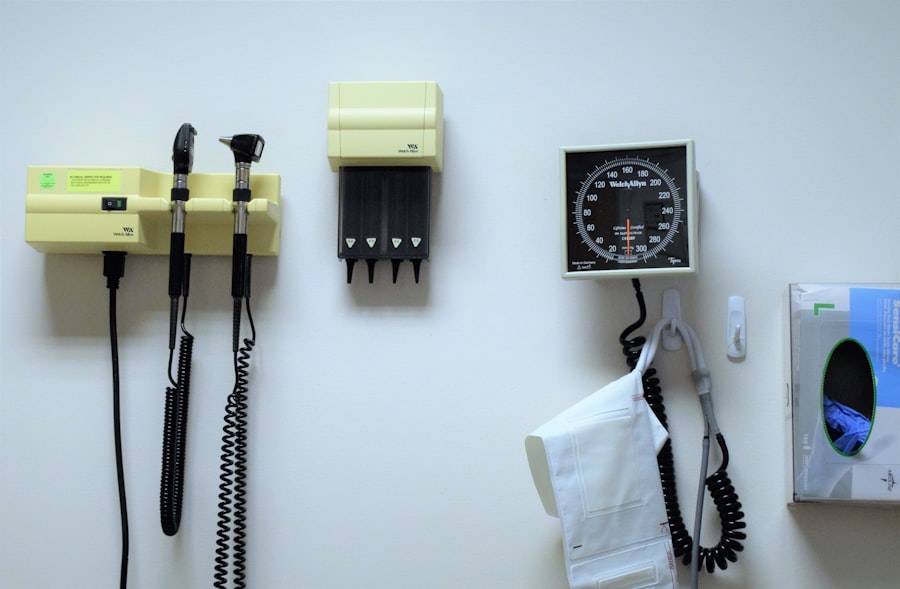
Combating healthcare fraud requires a multi-pronged approach involving government agencies, private payers, and the active participation of the public. It is a continuous, evolving battle, akin to an ongoing cyberwar where defenses must constantly adapt to new threats.
Government Agencies at the Forefront
Several federal and state agencies play pivotal roles in investigating and prosecuting healthcare fraud.
- Department of Health and Human Services (HHS): Specifically, the Office of Inspector General (OIG) is the primary law enforcement agency within HHS dedicated to combating waste, fraud, and abuse in Medicare and Medicaid programs. The OIG conducts audits, investigations, and evaluations to expose and prevent fraud.
- Department of Justice (DOJ): The DOJ, through its various divisions and U.S. Attorneys’ Offices, prosecutes individuals and organizations involved in healthcare fraud. This includes bringing criminal charges and pursuing civil penalties under statutes like the False Claims Act.
- FBI: The Federal Bureau of Investigation (FBI) has dedicated healthcare fraud units that investigate complex fraud schemes, often working in conjunction with the OIG and DOJ.
- CMS (Centers for Medicare & Medicaid Services): CMS implements policies and programs to prevent fraud, including pre-payment edits, post-payment reviews, and robust provider enrollment safeguards.
Private Payers and Their Initiatives
Private health insurance companies also invest heavily in fraud detection and prevention. They employ sophisticated analytics, special investigation units (SIUs), and collaborate with law enforcement to protect their policyholders and financial integrity.
- Data Analytics and AI: Private insurers increasingly leverage advanced data analytics and artificial intelligence to identify suspicious billing patterns and anomalies that may indicate fraudulent activity. This is like having an ever-vigilant watchdog sifting through mountains of data.
- Special Investigation Units (SIUs): These teams of investigators, auditors, and clinical experts proactively investigate potential fraud, often leading to arrests and significant recoveries.
- Collaboration: Private payers often share information and collaborate with government agencies and other insurers to combat multi-jurisdictional fraud schemes.
Legislative Frameworks: The Legal Arsenal
A robust legal framework provides the essential tools for prosecuting healthcare fraud.
- False Claims Act (FCA): This is a powerful civil statute that allows the government to recover money lost to fraud. It also includes “qui tam” provisions, which allow private citizens (whistleblowers) to file lawsuits on behalf of the government and share in any recovered funds. This provision is a significant deterrent, empowering insiders to expose wrongdoing.
- Anti-Kickback Statute (AKS): This criminal statute prohibits the knowing and willful offer, payment, solicitation, or receipt of any remuneration to induce or reward referrals for items or services reimbursable by federal healthcare programs.
- Physician Self-Referral Law (Stark Law): This law prohibits physicians from referring Medicare or Medicaid patients to entities with which the physician or an immediate family member has a financial relationship, for certain designated health services.
- Healthcare Fraud Statute: This criminal statute broadly prohibits defrauding any healthcare benefit program.
Your Role in the Fight: Protecting Yourself and Others

While government agencies and private payers are the primary architects of defense, you, the patient, are an indispensable sentry in detecting and reporting potential fraud. Your vigilance is a critical layer of protection.
Be an Informed Patient: Your Medical Records are Sacred
Empower yourself with knowledge about your healthcare.
- Review your Explanation of Benefits (EOB) statements: Always meticulously examine your EOBs from your insurance company. Check for unfamiliar services, dates, or providers. If you see a charge for a procedure you didn’t receive, or a visit to a doctor you’ve never met, it’s a red flag.
- Understand your medical bills: Ask questions if you don’t understand an item on your bill. Don’t simply pay without scrutiny.
- Keep accurate records: Maintain a personal log of your doctor visits, treatments, and prescriptions. This acts as your personal audit trail.
- Safeguard your insurance information: Treat your health insurance card like a credit card. Do not share it indiscriminately.
Recognizing Red Flags: Signs of Deception
Be aware of suspicious behaviors or practices that might signal fraudulent activity.
- Offers of “free” services: Be wary of providers who offer “free” medical services, equipment, or tests in exchange for your insurance information. Often, these “free” services are a front for billing your insurance for unnecessary or unrendered services. It’s a classic bait-and-switch.
- High-pressure sales tactics: If a provider pushes you into receiving services or purchasing equipment that you don’t believe you need, be cautious.
- Unsolicited calls: Be suspicious of unsolicited calls claiming to be from Medicare, Medicaid, or your insurance company asking for personal information or offering services.
- Requests for your insurance card for non-medical reasons: For example, someone asking for your card to enter a raffle or participate in a survey.
- Billing discrepancies: Your EOB shows charges for services you didn’t receive, services performed by a different doctor than you saw, or services that were described differently than what actually happened.
Reporting Suspected Fraud: Blowing the Whistle
If you suspect healthcare fraud, it is crucial to report it. You are not just protecting yourself, but the integrity of the entire healthcare system.
- Contact your insurance company: Most private insurers have dedicated fraud hotlines or departments. The number is usually on your insurance card or EOB.
- Report to Medicare or Medicaid:
- For Medicare fraud, call 1-800-HHS-TIPS (1-800-447-8477) or visit the OIG website at OIG.HHS.GOV.
- For Medicaid fraud, contact your state’s Medicaid Fraud Control Unit (MFCU). You can find contact information on the National Association of Medicaid Fraud Control Units (NAMFCU) website.
- Consider a “qui tam” lawsuit: If you have direct, non-public information about significant fraud against the government, you may be able to become a whistleblower under the False Claims Act. This is a complex legal process that typically requires legal counsel.
Healthcare fraud remains a significant issue that affects the integrity of medical systems worldwide. For those interested in understanding the various dimensions of this problem, a related article can provide valuable insights. You can explore more about the implications and prevention strategies by visiting this informative resource. Addressing healthcare fraud is crucial not only for financial reasons but also for ensuring that patients receive the care they truly need.
Conclusion: A Vigilant Community, A Healthier System
| Metric | Description | Value | Unit | Year |
|---|---|---|---|---|
| Estimated Annual Loss | Estimated amount lost due to healthcare fraud in the US | 68 | Billion | 2023 |
| Percentage of Total Healthcare Spending | Proportion of healthcare spending lost to fraud | 3 | Percent | 2023 |
| Number of Fraud Cases Reported | Reported cases of healthcare fraud investigated by authorities | 12,500 | Cases | 2023 |
| Average Fraudulent Claim Amount | Average amount per fraudulent healthcare claim | 15,000 | USD | 2023 |
| Recovery Rate | Percentage of fraudulent funds recovered by enforcement agencies | 25 | Percent | 2023 |
Uncovering healthcare fraud is not merely about prosecuting wrongdoers; it’s about safeguarding the delicate ecosystem of healthcare. It is a collective endeavor, requiring the unwavering commitment of law enforcement, the innovative strategies of private industry, and the proactive participation of every patient. By understanding the insidious nature of deception, recognizing the red flags, and actively reporting suspicious activities, you contribute significantly to building a more transparent, trustworthy, and ultimately healthier system for all. The fight against healthcare fraud is a testament to our shared responsibility to protect vulnerable patients and preserve the vital resources dedicated to healing.
FAQs
What is healthcare fraud?
Healthcare fraud involves the intentional deception or misrepresentation by individuals or organizations to obtain unauthorized benefits or payments from healthcare programs, such as Medicare or Medicaid.
Who can commit healthcare fraud?
Healthcare fraud can be committed by various parties including healthcare providers, patients, insurance companies, pharmaceutical companies, and billing agencies.
What are common examples of healthcare fraud?
Common examples include billing for services not rendered, upcoding (billing for more expensive services than provided), falsifying patient diagnoses, and submitting duplicate claims.
What are the consequences of healthcare fraud?
Consequences can include criminal charges, fines, imprisonment, exclusion from federal healthcare programs, and civil penalties.
How can healthcare fraud be detected and prevented?
Detection and prevention methods include audits, data analysis, whistleblower reports, compliance programs, and education for providers and patients about proper billing practices.