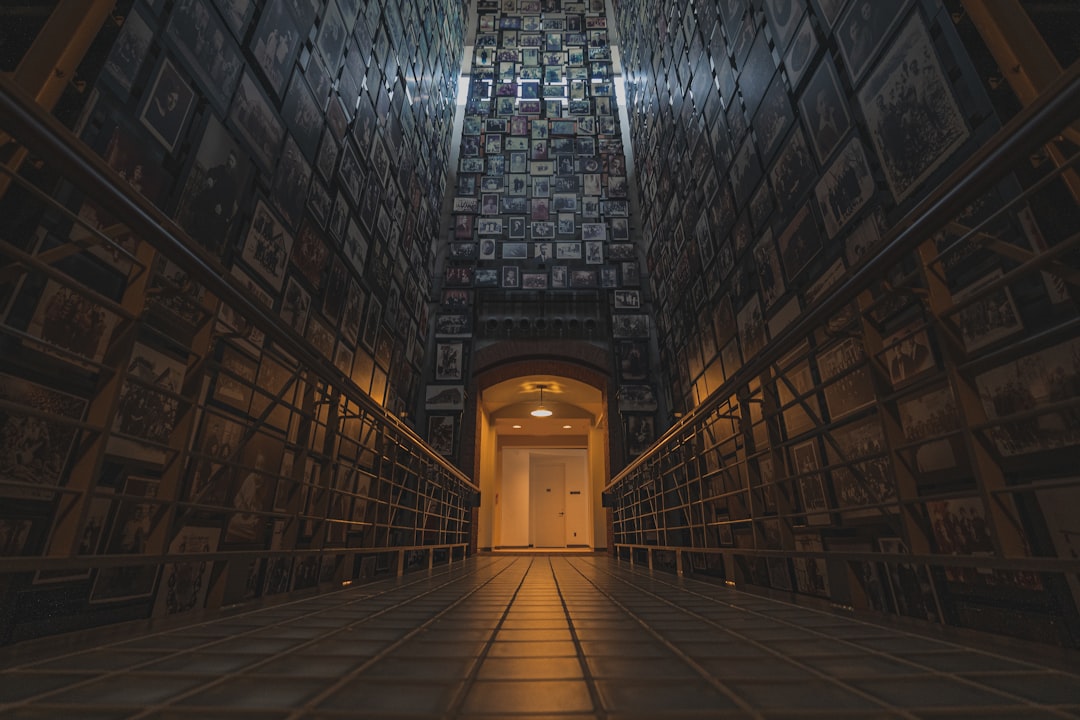
The systematic, state-sponsored persecution and murder of six million Jews by the Nazi regime and its collaborators was an unparalleled tragedy, a macabre tapestry woven into the fabric of human history. This period, known as the Holocaust, stands as a stark testament to humanity’s capacity for extreme cruelty and the profound dangers of unchecked ideological extremism. It was not merely a historical event but a chilling lesson, a mirror reflecting the abyssal depths to which society can plunge when prejudice is allowed to flourish and empathy is systematically extinguished.
The roots of the Holocaust were deeply embedded in centuries of antisemitism, a pervasive hostility towards Jews that predated the Nazi era by millennia. However, the early 20th century in Germany provided fertile ground for these dormant prejudices to blossom into a virulent, state-sanctioned ideology.
The Weimar Republic and its Discontents
Following Germany’s defeat in World War I, the fledgling Weimar Republic struggled under the weight of economic turmoil, political instability, and social unrest. Many Germans felt humiliated by the Treaty of Versailles and sought scapegoats for their nation’s woes. This climate of disillusionment proved ripe for the exploitation of existing anti-Jewish sentiments. The “stab-in-the-back” myth, which falsely blamed Jews and socialists for Germany’s defeat, gained traction, providing a convenient target for public anger.
Adolf Hitler and the Nazi Ideology
Into this cauldron of despair stepped Adolf Hitler, a fervent nationalist and a master of propaganda. His Nazi Party, or National Socialist German Workers’ Party, articulated a venomous ideology rooted in racial purity, extreme nationalism, and a fervent hatred of Jews. Hitler considered Jews to be an existential threat, a parasitic race undermining the purity of the Aryan German nation. His book, Mein Kampf (My Struggle), published in 1925, laid bare his antisemitic worldview and his vision for a racially pure Germany cleansed of “undesirables.”
Early Discriminatory Measures and Propaganda
Upon Hitler’s ascension to power in January 1933, the Nazi regime immediately began to implement policies designed to isolate and dehumanize Jewish citizens. The boycott of Jewish businesses in April 1933 marked an early public display of official antisemitism. This was followed by a torrent of discriminatory legislation, often disguised as measures for national “renewal.” Propaganda, a powerful tool in the Nazi arsenal, relentlessly portrayed Jews as enemies of the state, vermin, and a threat to German society. This systematic vilification laid the groundwork for further, more brutal, actions.
The Holocaust, a tragic and pivotal event during World War II, saw the systematic extermination of six million Jews and millions of others deemed undesirable by the Nazi regime. For a deeper understanding of this dark chapter in history, you can explore the article that discusses the various aspects and impacts of the Holocaust in detail. This resource provides valuable insights into the events leading up to the genocide and its lasting effects on society. To read more, visit this article.
From Discrimination to Extermination: The Escalation of Violence
The initial phase of persecution, characterized by legal discrimination and social ostracism, steadily intensified, culminating in the unthinkable: a systematic program of mass murder. This transition was a gradual but inexorable descent into barbarism.
The Nuremberg Laws: Stripping Away Citizenship
A pivotal moment in the legal disenfranchisement of Jews occurred in 1935 with the passage of the Nuremberg Laws. These two laws, the Reich Citizenship Law and the Law for the Protection of German Blood and German Honor, effectively reclassified Jews from German citizens to “subjects of the state,” stripping them of their civil rights. They prohibited marriages and extramarital relations between Jews and Germans, further solidifying the racial divide and promoting the idea of Jewish “otherness.” These laws served as a legal and ideological foundation for subsequent persecution.
Kristallnacht: A Prelude to Mass Violence
In November 1938, the “Night of Broken Glass,” or Kristallnacht, marked a brutal escalation of state-sponsored violence against Jews. This coordinated pogrom, purportedly in retaliation for the assassination of a German diplomat by a Jewish teenager, saw synagogues burned, Jewish businesses vandalized, and thousands of Jewish men arrested and sent to concentration camps. Kristallnacht served as a stark warning, a chilling glimpse into the escalating brutality that awaited Jewish communities. The widespread destruction and violence, largely unprotested by the international community, signaled to the Nazis that their aggression would be met with little resistance.
The Invasion of Poland and the Establishment of Ghettos
The invasion of Poland in September 1939, initiating World War II, dramatically expanded the scale of Nazi persecution. With millions of Polish Jews now under Nazi control, the regime began to implement a policy of forced relocation. Jews were confined to overcrowded and squalid ghettos, walled-off districts designed to isolate and control them. The Warsaw Ghetto, the largest of its kind, became a grim symbol of this forced segregation, where starvation, disease, and constant fear were daily companions. These ghettos were not merely holding pens; they were instruments of control and systematic degradation, designed to break the spirit and weaken the bodies of their inhabitants.
The “Final Solution”: The Machinery of Genocide
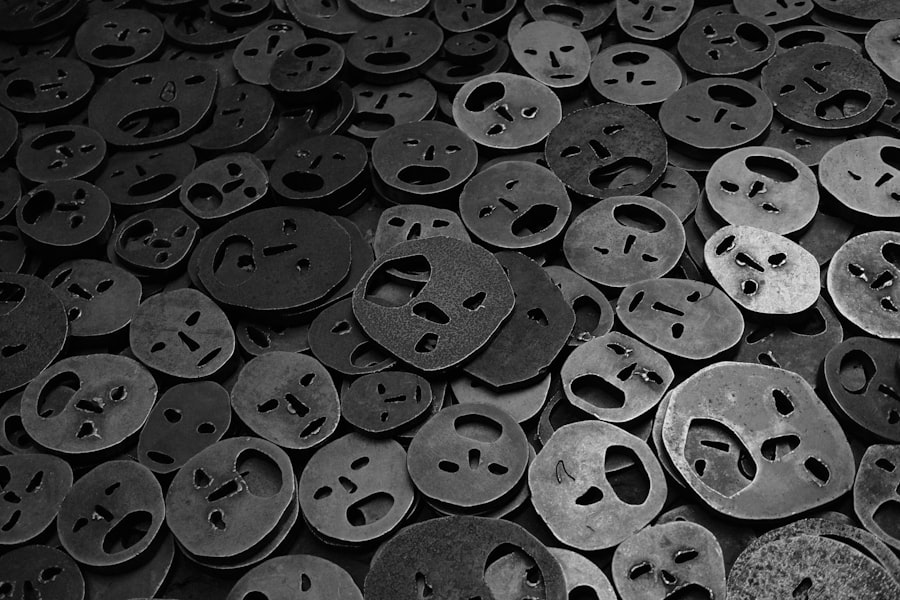
As the war progressed, the Nazi leadership, under the direction of Heinrich Himmler and Reinhard Heydrich, moved towards a “Final Solution to the Jewish Question” – a euphemism for the systematic extermination of European Jewry. This marked a shift from persecution and forced emigration to planned, industrial-scale murder.
Einsatzgruppen: Mobile Killing Squads
Initially, mass murder was carried out by mobile killing squads, the Einsatzgruppen. These units followed the German army into occupied territories, primarily the Soviet Union, and systematically rounded up and shot Jews, Romani people, and Communist officials, often in vast open-air executions. The horrific “Babi Yar” massacre in September 1941, where over 33,000 Jews were murdered in two days, is a grim example of the Einsatzgruppen‘s brutality. These early mass shootings, while effective in the eyes of their perpetrators, were deemed inefficient and psychologically taxing for the killers, leading to the development of more “industrialized” methods of murder.
The Wannsee Conference and the Logic of Extermination
In January 1942, a high-level meeting of Nazi officials at a villa on the Wannsee Lake near Berlin formalized the “Final Solution.” Chaired by Reinhard Heydrich, this conference detailed the logistical plans for the systematic deportation and extermination of all Jews in German-occupied Europe. It was a bureaucratic blueprint for genocide, solidifying the use of concentration and extermination camps as the primary instruments of mass murder. The cold, dispassionate language of the Wannsee Protocol, discussing “processing” and “special treatment,” masked the unspeakable horror it authorized.
Extermination Camps: Factories of Death
The establishment of dedicated extermination camps, such as Auschwitz-Birkenau, Treblinka, Sobibor, Belzec, Chelmno, and Majdanek, represented the ultimate manifestation of Nazi barbarity. These camps were designed for the sole purpose of mass murder, primarily through the use of gas chambers. Jews, and other victims, were transported to these camps from across Europe, often in horrific conditions, packed into cattle cars without food, water, or sanitation. Upon arrival, they were subjected to a brutal selection process, with the vast majority immediately condemned to death. Auschwitz-Birkenau, the largest of these complexes, became a symbol of the Holocaust’s industrial-scale killing and the epitome of human cruelty. The chimneys of these camps, once smoking relentlessly, stand as silent sentinels to the millions who perished within their confines.
Victims and Survivors: The Human Cost of Genocide

Behind the statistics and historical accounts lie the individual stories of suffering, loss, and, for a precious few, survival. The Holocaust inflicted unimaginable trauma, not just on those who perished but also on those who lived to bear witness.
The Scope of the Tragedy: Six Million Lives
The exact number of victims will never be known with absolute precision, but historians estimate that approximately six million Jews were systematically murdered during the Holocaust. This figure represents two-thirds of the Jewish population of Europe at the time. Beyond Jews, millions of others were also persecuted and killed, including Romani people, Poles, Soviet prisoners of war, political dissidents, homosexuals, and people with disabilities. The sheer scale of this loss remains a staggering and enduring scar on human history.
The Resilience of the Human Spirit: Acts of Resistance
Despite the overwhelming power of the Nazi regime and the constant threat of death, acts of resistance, both overt and covert, were a testament to the indomitable human spirit. The Warsaw Ghetto Uprising in 1943, though ultimately suppressed, symbolized a powerful stand against oppression. Other forms of resistance included smuggling food, maintaining cultural and religious practices in secret, rescuing refugees, and documenting atrocities. These acts, often small and perilous, served as beacons of defiance in a world shrouded in darkness. Many non-Jews also risked their lives to shelter and protect Jews, earning the title “Righteous Among the Nations” from Yad Vashem. These individuals, often ordinary citizens, demonstrated extraordinary courage and moral fortitude amidst widespread indifference or complicity.
The Lingering Trauma: A Legacy of Loss
For those who survived the Holocaust, the physical and psychological scars were profound and often lifelong. Liberated from the camps, many found their families annihilated and their communities destroyed. The trauma of starvation, torture, loss, and the witnessing of unspeakable horrors left an indelible mark. Survivors often struggled with guilt, nightmares, and the overwhelming burden of memory. The Holocaust’s legacy continues to affect subsequent generations, as the experiences of survivors are passed down, impacting family dynamics and collective memory. The echoes of the past resonate through the present, demanding remembrance and vigilance.
The Holocaust remains one of the most harrowing chapters of World War II, illustrating the depths of human cruelty and the consequences of unchecked hatred. For those seeking to understand the broader implications and historical context of this tragic event, an insightful article can be found at Hey Did You Know This, which explores various aspects of the Holocaust and its lasting impact on society. By examining the stories of survivors and the lessons learned, we can honor the memory of those who suffered and ensure that such atrocities are never repeated.
Remembrance and Lessons Learned: Safeguarding Against Future Atrocities
The Holocaust, a profound scar on the timeline of humanity, demands not only remembrance but also a continuous effort to understand its origins and to apply its lessons to present and future challenges. To dismiss it as an isolated anomaly would be to ignore its profound warnings.
The Importance of Holocaust Education
Educating future generations about the Holocaust is paramount. It is a bulwark against historical revisionism, denial, and the resurgence of hateful ideologies. Understanding how such an atrocity could occur—the gradual erosion of rights, the power of propaganda, the dangers of unchecked prejudice, and the complicity of silence—provides critical insights into safeguarding democratic values and human rights. Education should not just focus on the facts but also on the moral and ethical dilemmas faced by individuals and societies. It serves as a stark reminder of the fragility of civilization and the constant need for vigilance.
Memorials and Museums: Guardians of Memory
Memorials and museums around the world serve as poignant custodians of memory, ensuring that the victims are never forgotten. Institutions like Yad Vashem in Israel, the United States Holocaust Memorial Museum in Washington D.C., and the numerous memorial sites at former concentration and extermination camps provide spaces for solemn reflection, education, and remembrance. These sites are not merely historical archives; they are powerful testaments to the human experience, designed to evoke empathy and encourage critical thinking about the consequences of hatred. They stand as monuments not only to the dead but also to the imperative of preventing similar atrocities.
The Universal Lessons of the Holocaust
The Holocaust offers universal lessons that extend far beyond the specific historical context of World War II. It underscores the dangers of dehumanization, the slippery slope from prejudice to persecution, the critical role of individual responsibility, and the imperative of collective action against injustice. It teaches us that silence in the face of evil is complicity, and that the defense of human rights must be a constant endeavor. The Holocaust serves as a timeless warning, a powerful reminder that “never again” is not merely a slogan but a solemn commitment that requires continuous effort, vigilance, and moral courage. It is a clarion call to actively challenge bigotry, promote tolerance, and defend the inherent dignity of all people.
WATCH NOW ▶️ The Shocking Nazi-Zionist Deal of 1933: The Havara Agreement 🤯
FAQs
What was the Holocaust during World War II?
The Holocaust was the systematic, state-sponsored persecution and murder of six million Jews by Nazi Germany and its collaborators during World War II. It also targeted other groups, including Romani people, disabled individuals, Polish and Soviet civilians, political prisoners, and others.
When did the Holocaust take place?
The Holocaust primarily occurred between 1941 and 1945, during World War II, although anti-Jewish policies and persecution began soon after the Nazis came to power in 1933.
Who were the main perpetrators of the Holocaust?
The main perpetrators were the Nazi regime led by Adolf Hitler, including the SS (Schutzstaffel), Gestapo, and other German military and police units. Collaborators from occupied countries also participated in the atrocities.
What methods were used by the Nazis to carry out the Holocaust?
The Nazis used ghettos, mass shootings, forced labor camps, and extermination camps equipped with gas chambers to systematically kill millions of people. They also employed starvation, medical experiments, and other brutal methods.
How is the Holocaust remembered and commemorated today?
The Holocaust is remembered through museums, memorials, education programs, and annual observances such as International Holocaust Remembrance Day on January 27. These efforts aim to honor the victims and educate future generations about the dangers of hatred and intolerance.