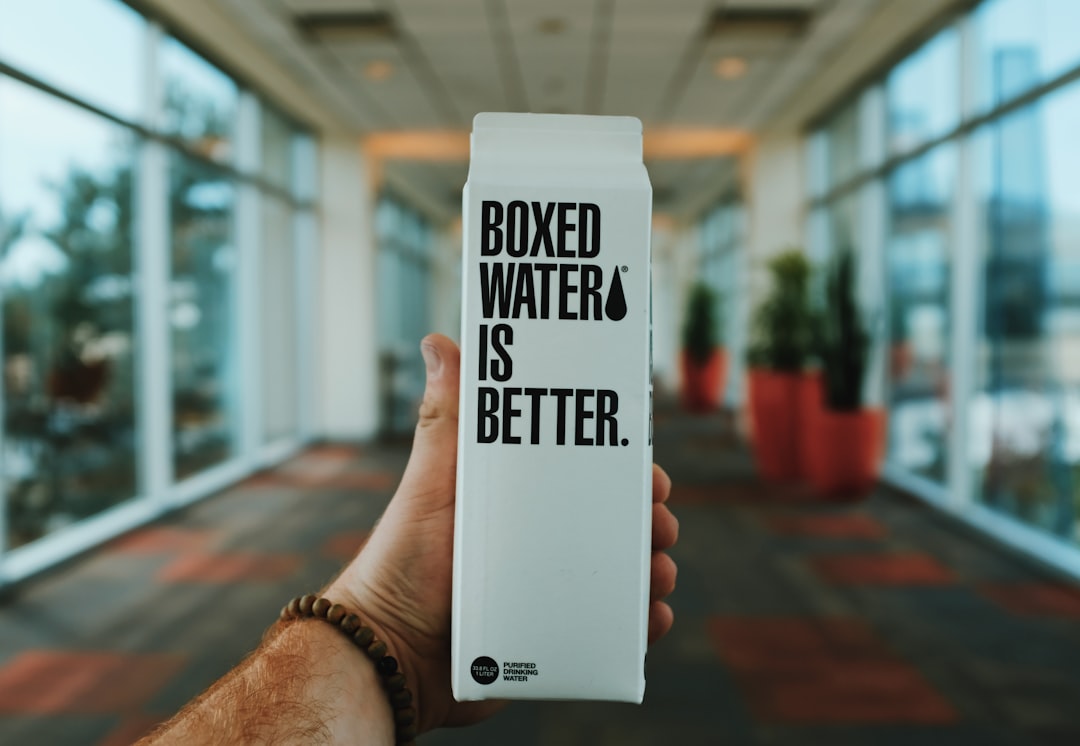
The pervasive presence of bottled water in modern society, while offering convenience, presents significant environmental challenges. This article explores a variety of eco-friendly hydration alternatives, delving into the benefits, considerations, and practical applications of each. The aim is to equip the reader with comprehensive information to make informed choices regarding their hydration habits, fostering a more sustainable approach to water consumption.
The journey of bottled water from its source to the consumer’s hand is fraught with environmental implications. Understanding these impacts is the first step towards embracing more sustainable practices.
Resource Consumption
The production of plastic bottles, primarily from polyethylene terephthalate (PET), is a resource-intensive process. This involves the extraction of fossil fuels like crude oil and natural gas, which are non-renewable resources. The energy required to synthesize PET polymers, mold them into bottles, and then fill and cap them is substantial. Furthermore, the water itself, often sourced from natural springs or municipal supplies, adds to the resource expenditure. In some cases, more water is used in the manufacturing process than is contained within the bottle itself. Consider the embedded energy and material in a single bottle; it is not merely water, but a small, intricate industrial product.
Pollution and Waste Management
Upon consumption, bottled water often contributes to a global waste crisis. While PET is recyclable, a significant portion of bottles ends up in landfills, incinerators, or as litter in natural environments. Landfilled plastic can take hundreds of years to decompose, leaching harmful chemicals into the soil and groundwater. Incineration releases greenhouse gases and toxic pollutants into the atmosphere. Ocean plastic pollution, a particularly visible and devastating consequence, harms marine life through entanglement and ingestion, and breaks down into microplastics that permeate the entire food web, including inevitably, our own. The image of a majestic sea turtle ensnared by a discarded six-pack ring serves as a stark reminder of our collective impact.
Transportation Emissions
The logistical network required to transport bottled water across vast distances, from bottling plants to distribution centers and then to retail outlets, contributes significantly to carbon emissions. Trucks, ships, and even airplanes are utilized, burning fossil fuels and releasing greenhouse gases that contribute to climate change. This “food mileage” for a product as fundamental as water is often disproportionate to its intrinsic value, making it an environmentally costly convenience.
If you’re looking for sustainable options to reduce your reliance on bottled water, you might find the article on alternatives to bottled water on Hey Did You Know This? particularly insightful. It explores various eco-friendly choices, such as reusable water bottles and filtration systems, that can help minimize plastic waste while ensuring you stay hydrated. To read more about these alternatives, visit this article.
Tap Water: An Accessible and Sustainable Foundation
For many, the most straightforward and environmentally sound hydration solution lies directly within their homes: tap water.
Safety and Regulation
In many developed nations, tap water undergoes rigorous testing and regulation to ensure its safety for consumption. Government agencies set strict standards for contaminants, and public water systems are regularly monitored. This regulatory framework often surpasses the intermittent testing regimes of some bottled water companies. You are, in essence, drinking a highly vetted product, often more scrutinized than its bottled counterpart.
Cost-Effectiveness
From an economic perspective, tap water is vastly more affordable than bottled water. The cost of a gallon of tap water is often a fraction of a cent, whereas bottled water can cost several dollars per gallon. Over time, the financial savings of opting for tap water are substantial, presenting a clear economic incentive alongside the environmental one. This is money effectively reclaimed from packaging and transportation.
Addressing Concerns: Filtration Solutions
While tap water quality in many regions is excellent, concerns about taste, odor, or specific contaminants can be a barrier for some. Fortunately, a range of effective filtration solutions exists to address these issues.
Pitcher Filters
These readily available filters, often utilizing activated carbon, are simple to use and effective at improving taste and odor, as well as reducing chlorine and some heavy metals. They require regular cartridge replacement, but the overall environmental impact is considerably lower than single-use plastic bottles. Think of them as a personal purification station for your daily water needs.
Faucet Filters
Attaching directly to the kitchen faucet, these filters offer a continuous supply of filtered water. They are convenient and eliminate the need for refilling a pitcher. Installation is typically straightforward, and they provide a good balance of efficacy and accessibility.
Under-Sink Filters
For a more robust and integrated solution, under-sink filtration systems offer multiple stages of filtration, effectively removing a wider range of contaminants, including cysts, lead, and volatile organic compounds (VOCs). These systems typically require professional installation but provide a consistent supply of high-quality filtered water directly from a dedicated tap. This is the luxury liner of home filtration, offering premium purity on demand.
Whole-House Filters
For those seeking comprehensive water treatment for their entire home, whole-house filtration systems are an option. These systems are installed at the main water supply line, ensuring filtered water throughout the household. Such systems are a significant investment but can address broader water quality issues and provide peace of mind for all water uses.
Reusable Bottles and Cups: The Vessel of Choice
Beyond the water source, the manner in which we consume water plays a pivotal role in sustainability. Reusable bottles and cups are fundamental to reducing waste.
Material Options and Their Attributes
A diverse array of materials is available for reusable hydration vessels, each with its own set of characteristics.
Stainless Steel
Known for its durability, resistance to corrosion, and insulation properties, stainless steel is a popular choice. It doesn’t leach chemicals into water and can keep beverages cold for extended periods. It is also inherently recyclable at the end of its life.
Glass
Offering purity of taste and transparency, glass bottles are another excellent option. They are non-reactive and do not leach chemicals. However, they are more fragile than other materials and can be heavier.
BPA-Free Plastic
While the goal is to reduce plastic consumption, some reusable plastic bottles are made from BPA-free materials, offering a lightweight and durable alternative. It is crucial to ensure they are indeed BPA-free, as this chemical has been linked to potential health concerns.
Bamboo and Other Sustainable Materials
Emerging options include bottles crafted from bamboo and other plant-based materials. These often offer a unique aesthetic and are biodegradable or compostable, representing a truly circular solution.
Maintenance and Lifespan
Regardless of the material, proper care and regular cleaning are essential to maintain the hygiene and longevity of reusable bottles. Regular washing prevents bacterial growth and extends the useful life of the product, maximizing its environmental benefit. A well-maintained reusable bottle is a testament to mindful consumption.
Beyond the Tap: Exploring Alternative Water Sources
While tap water is crucial, other eco-friendly water sources exist, offering viable alternatives depending on location and need.
Rainwater Harvesting
Capturing and storing rainwater for non-potable uses like gardening and toilet flushing significantly reduces reliance on municipal water supplies. With appropriate filtration and treatment, rainwater can even be made potable, creating a truly self-sufficient water system. This is nature’s gift, thoughtfully collected and utilized.
Basic Systems for Garden Use
Simple rainwater harvesting systems involve directing rainwater from rooftops into barrels or tanks. These systems are relatively inexpensive to install and maintain and are ideal for watering plants and reducing individual water bills.
Advanced Systems for Home Use
More sophisticated systems incorporate multiple filters, UV sterilization, and larger storage tanks to provide potable water for household use. These systems require careful design and installation to ensure safety and reliability.
Community Water Refill Stations
A growing number of communities are establishing public water refill stations, allowing individuals to fill their reusable bottles with filtered tap water at no or minimal cost. These initiatives promote sustainable hydration habits and reduce the demand for single-use plastic bottles. Consider them as vital public service points in the battle against plastic waste.
If you’re looking for sustainable options to reduce your reliance on bottled water, you might find it helpful to explore alternatives that are both eco-friendly and cost-effective. One insightful article discusses various methods to stay hydrated without contributing to plastic waste, highlighting solutions like reusable water bottles and filtration systems. For more information on this topic, you can check out the article here: sustainable alternatives that can make a significant difference in your daily routine.
The Future of Hydration: Innovation and Responsibility
| Alternative | Environmental Impact | Cost Efficiency | Convenience | Health & Safety | Popularity |
|---|---|---|---|---|---|
| Tap Water | Low (minimal packaging waste) | Very High (usually included in utilities) | High (widely available) | High (regulated and treated) | Very High |
| Filtered Tap Water (e.g., home filters) | Low (reusable filters, less waste) | High (initial filter cost, low ongoing) | Moderate (requires filter maintenance) | Very High (removes contaminants) | High |
| Water Fountains | Low (no packaging waste) | High (publicly maintained) | Moderate (location dependent) | Moderate to High (depends on maintenance) | Moderate |
| Reusable Water Bottles (refilled) | Low (reduces single-use plastic) | High (one-time purchase) | High (portable and refillable) | High (depends on cleaning) | High |
| Water Delivery Services (large containers) | Moderate (less plastic per liter, but transport emissions) | Moderate (bulk purchase savings) | Moderate (requires planning) | High (usually purified water) | Low to Moderate |
| Water Stations with Refill Kiosks | Low (encourages reuse) | High (often free or low cost) | Moderate (location dependent) | High (filtered water) | Growing |
The landscape of eco-friendly hydration is continually evolving, with new technologies and approaches emerging to address the challenges of water scarcity and plastic pollution.
Smart Hydration Devices
Future innovations include smart water bottles that track water intake, remind users to drink, and even integrate with smart home systems to optimize water consumption. These devices merge technology with sustainability, making mindful hydration more accessible.
Decentralized Water Purification
Advances in portable and decentralized water purification technologies are making safe drinking water more accessible in remote or disaster-stricken areas. These innovations reduce the need for bottled water in critical situations, representing a scalable humanitarian and environmental solution.
Corporate Social Responsibility
Increasingly, corporations are recognizing their role in promoting sustainable hydration. This includes offering filtered water stations in workplaces, supporting community water initiatives, and investing in reusable packaging solutions. The ripple effect of corporate commitment can be substantial.
In conclusion, the journey towards eco-friendly hydration is not a single path but a mosaic of choices and actions. By understanding the environmental impact of bottled water, embracing readily available tap water filtration, investing in reusable vessels, and exploring alternative water sources, each individual can contribute to a more sustainable future. The power to choose lies with you, the consumer, to turn the tide against plastic waste and embrace a hydration paradigm that respects both personal well-being and the planet’s health. Let your choice of hydration be a conscious act of environmental stewardship.
FAQs
What are some common alternatives to bottled water?
Common alternatives to bottled water include tap water, filtered water using home filtration systems, water from water coolers, and reusable water bottles filled with safe drinking water.
Is tap water safe to drink compared to bottled water?
In many regions, tap water is regulated and tested regularly to meet safety standards, making it a safe and cost-effective alternative to bottled water. However, water quality can vary depending on location, so using a home filter may improve taste and safety.
What are the environmental benefits of using alternatives to bottled water?
Using alternatives to bottled water reduces plastic waste, lowers carbon emissions associated with manufacturing and transporting plastic bottles, and conserves natural resources, contributing to a smaller environmental footprint.
How can I ensure the water I drink is clean if I avoid bottled water?
You can ensure clean drinking water by using certified water filters, boiling water when necessary, and regularly maintaining plumbing and filtration systems. Checking local water quality reports can also provide information on safety.
Are reusable water bottles a good option for replacing bottled water?
Yes, reusable water bottles made from materials like stainless steel, glass, or BPA-free plastic are a sustainable and economical option. They can be refilled multiple times, reducing plastic waste and often keeping water cooler or warmer for longer periods.