
Navigating the labyrinthine pathways of tax policy is a crucial undertaking for individuals, businesses, and governments alike. Like a complex topographical map, tax systems present a landscape of deductions, credits, exemptions, and liabilities, each with its own set of rules and implications. Understanding this landscape, and how to traverse it effectively, is essential for economic stability, social equity, and individual financial well-being. This article aims to demystify some of the core complexities involved in tax policy, offering a factual exploration for the informed reader.
At its heart, tax policy is about funding public services and influencing economic behavior. Governments levy taxes to finance infrastructure, education, healthcare, defense, and a myriad of other essential functions that underpin a functioning society. However, the design of these tax systems is not merely an administrative chore; it’s a powerful tool for shaping national priorities and addressing societal challenges.
Purpose and Objectives of Taxation
Governments typically pursue several key objectives through their tax policies. These can be broadly categorized as:
Revenue Generation: The Lifeblood of Government
The most fundamental purpose of taxation is to generate the revenue necessary for the state to operate. From roads and bridges to schools and hospitals, public services require substantial financial resources. Tax policies are meticulously crafted to ensure a consistent and predictable flow of funds to meet these demands. The efficiency of revenue collection and the stability of the tax base are thus paramount considerations.
Economic Stabilization: Steering the Economic Ship
Tax policy can act as a lever to manage economic fluctuations. During periods of economic expansion, governments might consider raising taxes or reducing spending to curb inflation. Conversely, during recessions, tax cuts or increased government spending financed by borrowing can stimulate demand. This macroeconomic management, akin to a captain adjusting sails to navigate changing winds, is a delicate balancing act.
Income Redistribution: Bridging the Economic Divide
Many tax systems incorporate progressive elements, meaning those with higher incomes pay a larger proportion of their earnings in taxes. This aims to reduce income inequality and provide a social safety net. The extent to which redistribution is pursued, and the mechanisms employed, often reflect a society’s values and political consensus.
Behavioral Incentives and Disincentives: Shaping Societal Choices
Taxes are not just about raising money; they can also be used to encourage or discourage certain activities. For example, taxes on tobacco and alcohol aim to reduce consumption due to their negative health consequences. Conversely, tax credits for renewable energy investments or research and development can incentivize desirable economic activities. This aspect of tax policy acts as a set of gentle nudges, guiding individuals and businesses toward choices deemed beneficial for society.
Tax policy plays a crucial role in shaping economic growth and social equity, and understanding its implications is essential for both policymakers and citizens. For a deeper insight into the complexities of tax regulations and their impact on various sectors, you can explore a related article that discusses innovative tax strategies and their potential benefits. Check it out here: Related Article on Tax Policy.
Understanding Different Tax Structures: A Framework for Analysis
The way in which taxes are levied and collected has profound implications for fairness, economic efficiency, and administrative feasibility. Understanding these different structures is akin to understanding the different blueprints for constructing a building, each leading to a distinct outcome.
Income Taxation: The Tax on Earning
Income tax, levied on the earnings of individuals and corporations, is a cornerstone of many modern tax systems. The complexity arises from how income is defined, the various deductions and credits available, and the rates at which it is taxed.
Progressive, Proportional, and Regressive Taxation
The progressivity of an income tax system refers to whether the tax rate increases, stays the same, or decreases as income rises.
- Progressive Tax: Higher earners pay a larger percentage of their income in taxes. This is often justified on grounds of ability to pay and income redistribution.
- Proportional (Flat) Tax: All earners pay the same percentage of their income in taxes, regardless of their income level. Proponents argue for simplicity and fairness.
- Regressive Tax: Lower earners pay a larger percentage of their income in taxes. Sales taxes, for instance, can be regressive as lower-income individuals tend to spend a larger portion of their income on taxable goods and services.
Taxable Income vs. Gross Income: The Art of Deduction
The difference between gross income (all income earned) and taxable income (the amount subject to tax) is crucial. This difference is accounted for through various deductions and exemptions.
- Deductions: Expenses that can be subtracted from gross income to reduce taxable income. Examples include mortgage interest, charitable contributions, and certain business expenses.
- Exemptions: Amounts of income that are excluded from taxation altogether. Personal exemptions for individuals and dependents are common examples.
Consumption Taxation: The Tax on Spending
Consumption taxes are levied on the purchase of goods and services. These can have a significant impact on consumer behavior and the overall economy.
Value-Added Tax (VAT) and Goods and Services Tax (GST)
VAT and GST are broad-based consumption taxes collected at each stage of production and distribution. The tax is levied on the value added at each step, with businesses able to claim credits for taxes paid on their inputs.
- Mechanism: A business pays VAT on its purchases and collects VAT on its sales, remitting the difference to the government. This system aims to avoid double taxation and simplify collection.
- Economic Effects: Consumption taxes can be a significant revenue source but can also disproportionately affect lower-income households if not designed carefully, as they spend a larger proportion of their income on consumption.
Sales Tax
Sales tax is a simpler form of consumption tax levied at the point of sale to the final consumer.
- Simplicity: Generally easier to administer than VAT/GST, but can be prone to avoidance and evasion, especially across borders.
- Tax Base: Often applies to a narrower range of goods and services compared to VAT/GST, leading to potential distortions in consumer choice.
Navigating the Maze of Tax Credits and Deductions
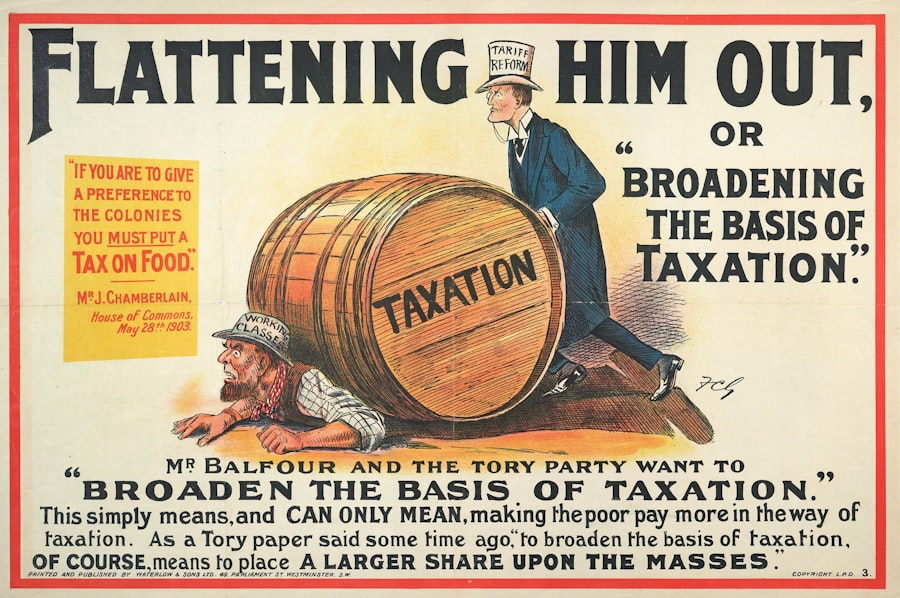
Tax credits and deductions are the navigational tools that allow taxpayers to reduce their tax liability. They are often designed to achieve specific policy objectives, but their complexity can be a significant hurdle for many.
Tax Credits: A Direct Reduction of Tax Liability
Tax credits are dollar-for-dollar reductions in the amount of tax owed. They are generally considered more equitable than deductions because their value is the same for all taxpayers, regardless of their tax bracket.
Refundable vs. Non-Refundable Tax Credits
The distinction between refundable and non-refundable credits is critical for understanding their impact.
- Non-Refundable Credits: Can reduce a taxpayer’s liability down to zero, but any excess credit is lost.
- Refundable Credits: Can reduce a taxpayer’s liability below zero, entitling the taxpayer to a refund for the unused portion of the credit. This makes them a powerful tool for providing financial assistance to lower-income individuals.
Policy Objectives of Tax Credits
Tax credits are deployed for a variety of reasons:
- Encouraging Specific Behaviors: Credits for child care, education expenses, or home energy efficiency aim to incentivize these activities.
- Providing Relief to Specific Groups: Credits for low-income taxpayers (e.g., Earned Income Tax Credit) or those with significant medical expenses provide targeted assistance.
- Promoting Investment: Research and development tax credits encourage innovation.
Tax Deductions: Reducing Taxable Income
As mentioned earlier, deductions reduce taxable income, thereby lowering the overall tax bill. Their value is dependent on the taxpayer’s marginal tax rate, meaning higher-income taxpayers benefit more from the same deduction.
Itemized Deductions vs. Standard Deduction
Taxpayers typically have a choice between taking the standard deduction or itemizing their deductions.
- Standard Deduction: A fixed dollar amount that can be subtracted from income, simplifying the tax filing process for many.
- Itemized Deductions: Allow taxpayers to deduct specific eligible expenses, such as medical expenses exceeding a certain threshold, state and local taxes (with limitations), mortgage interest, and charitable contributions. This option is generally beneficial for those with high deductible expenses.
The Impact of Limitations and Phase-outs
Many deductions and credits are subject to limitations or phase-out provisions, meaning their availability or value decreases as income increases. This is often done to target benefits towards those who are intended to receive them and to control the overall cost of the tax expenditure. These mechanisms add layers of complexity, requiring careful attention to detail during tax preparation.
International Taxation and Cross-Border Transactions: A Global Interplay

In an increasingly interconnected world, businesses and individuals frequently engage in cross-border activities. Tax policy must therefore grapple with the complexities of taxing income earned in multiple jurisdictions and preventing tax evasion.
Principles of International Taxation
Several core principles guide how countries tax international transactions:
Source vs. Residence Principle
This refers to the fundamental question of which country has the primary right to tax income.
- Source Principle: The country where the income is generated has the right to tax it.
- Residence Principle: The country where the taxpayer is a resident has the right to tax their worldwide income.
Most countries employ a combination of these principles, leading to potential double taxation if not managed through international agreements.
Double Taxation Treaties: Harmonizing Tax Regimes
Double taxation treaties (DTTs) are bilateral agreements between countries designed to prevent the same income from being taxed twice and to prevent tax evasion.
Mechanisms of DTTs
- Tax Credits: Countries may offer foreign tax credits for taxes paid in the other treaty partner.
- Exemptions: Certain types of income may be exempted from tax in one of the countries.
- Reduced Withholding Rates: DTTs often lower the tax rates on dividends, interest, and royalties paid between residents of the treaty countries.
Transfer Pricing: The Art of Intracompany Pricing
Transfer pricing refers to the prices charged for goods, services, and intangible assets transferred between related entities within a multinational corporation. Tax authorities are highly interested in transfer pricing to ensure fair taxation and prevent profit shifting.
- The Arm’s Length Principle: The widely accepted international standard for transfer pricing is the arm’s length principle, which dictates that prices for intercompany transactions should be the same as they would be between unrelated parties in comparable circumstances.
- Challenges: Determining arm’s length prices can be complex and subjective, leading to disputes between taxpayers and tax authorities.
Tax policy plays a crucial role in shaping the economic landscape of a country, influencing everything from individual financial decisions to corporate strategies. For those interested in exploring this topic further, a related article can provide valuable insights into the complexities of tax regulations and their impact on various sectors. You can read more about it in this informative piece found here. Understanding these policies is essential for anyone looking to navigate the financial implications effectively.
The Dynamics of Tax Reform: Adapting to a Changing World
| Metric | Description | Value | Unit | Year |
|---|---|---|---|---|
| Corporate Tax Rate | Percentage of corporate profits paid as tax | 21 | % | 2024 |
| Top Individual Income Tax Rate | Highest marginal tax rate on individual income | 37 | % | 2024 |
| Capital Gains Tax Rate | Tax rate applied to profits from asset sales | 20 | % | 2024 |
| VAT / Sales Tax Rate | Value-added or sales tax rate on goods and services | 10 | % | 2024 |
| Tax Revenue as % of GDP | Government tax revenue as a percentage of GDP | 25 | % | 2023 |
| Standard Deduction | Amount deducted from taxable income for individuals | 13850 | Currency Units | 2024 |
| Corporate Tax Revenue | Total revenue collected from corporate taxes | 350 | Billion Currency Units | 2023 |
| Tax Compliance Rate | Percentage of taxpayers filing accurate returns | 85 | % | 2023 |
Tax policy is not static; it is a continually evolving landscape shaped by economic shifts, societal demands, and political considerations. Tax reform, the process of altering tax laws, is a crucial mechanism for adaptation.
Drivers of Tax Reform
Several factors can trigger calls for tax reform:
- Economic Competitiveness: Countries may reform their tax systems to attract foreign investment and encourage domestic business growth. This can involve lowering corporate tax rates or offering new incentives.
- Social Equity: Reforms may be prompted by a desire to address income inequality or provide greater relief to specific demographic groups.
- Fiscal Sustainability: Governments may need to reform taxes to address budget deficits or ensure the long-term solvency of social security systems.
- Technological Advancements: The rise of the digital economy and new business models can challenge existing tax frameworks, necessitating reform to capture new sources of revenue and address issues like digital services taxes.
The Political Economy of Tax Reform
Tax reform is often a politically charged process. The beneficiaries of existing tax laws may lobby to maintain the status quo, while those who stand to gain from reform will advocate for change. This interplay of interests can make achieving consensus on significant reforms challenging.
- Lobbying and Advocacy: Interest groups play a significant role in shaping tax policy debates, advocating for their specific agendas.
- Public Opinion and Media Influence: Public perception of fairness and the effectiveness of tax policies can influence political decisions.
The Importance of Clarity and Predictability
Regardless of the specific design of a tax system, clarity and predictability are essential. Taxpayers need to understand their obligations and how to comply with the law. Frequent and unpredictable changes to tax policy can create uncertainty, deter investment, and increase compliance costs. This provides a stable environment for individuals and businesses to plan and operate, much like a well-marked road allows for safe and efficient travel. Ultimately, navigating the complexities of tax policy requires a robust understanding of its foundational principles, diverse structures, intricate mechanisms, and the ongoing forces driving its evolution.
FAQs
What is tax policy?
Tax policy refers to the government’s approach to taxation, including the types of taxes imposed, tax rates, and how tax revenues are collected and used. It aims to influence economic behavior, generate revenue, and achieve social and economic objectives.
What are the main types of taxes included in tax policy?
The main types of taxes typically covered in tax policy include income taxes, corporate taxes, sales taxes, property taxes, and excise taxes. Each type targets different sources of income or transactions.
How does tax policy impact the economy?
Tax policy affects economic growth, income distribution, and investment decisions. For example, lower tax rates can encourage spending and investment, while higher taxes may be used to fund public services or reduce income inequality.
Who is responsible for setting tax policy?
Tax policy is usually set by the government, specifically the legislative branch (such as Congress or Parliament) and the executive branch (such as the Treasury or Finance Ministry). Tax authorities implement and enforce these policies.
What are common goals of tax policy?
Common goals include raising government revenue, promoting economic growth, redistributing wealth, encouraging or discouraging certain behaviors (like saving or pollution), and ensuring fairness and simplicity in the tax system.