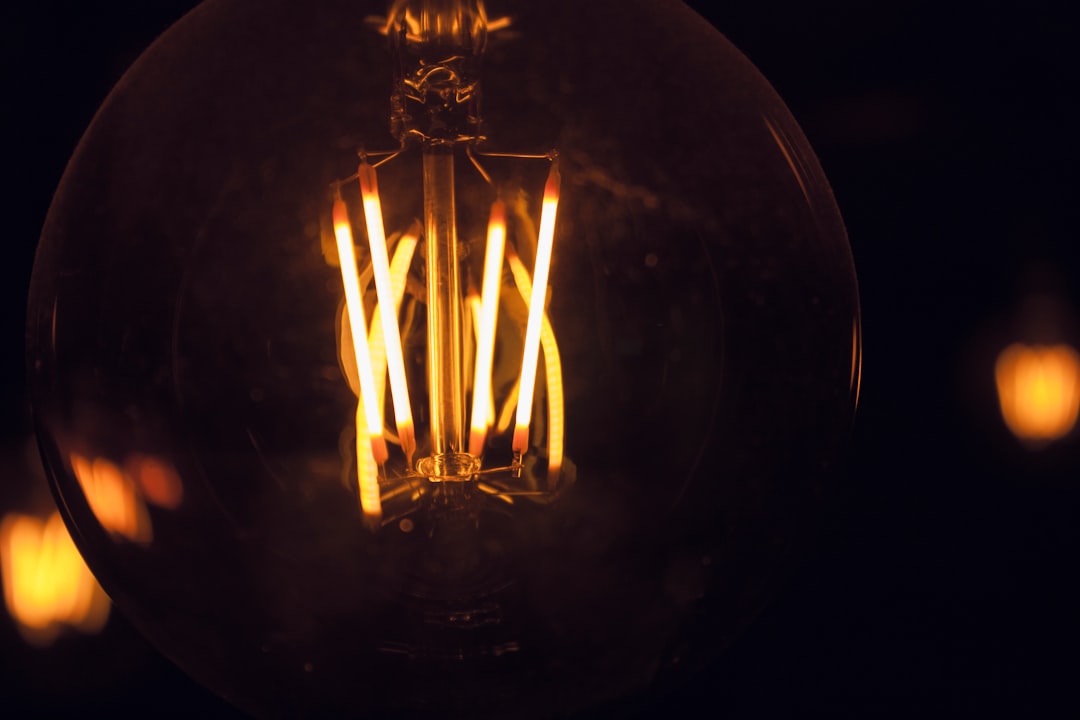
The lifespan of a lightbulb, a seemingly simple object that illuminates our lives, is a complex interplay of numerous factors. Understanding these influences is not merely an academic pursuit; it directly impacts energy consumption, waste generation, and ultimately, the economic and environmental health of our homes and communities. This article will delve into the primary determinants that govern how long those tiny filaments or illuminated gases will continue to shine, exploring the science behind their longevity and the practical consequences of their varying lifespans.
To comprehend the factors affecting a lightbulb’s lifespan, one must first grasp its fundamental operating principles. Different types of lightbulbs, like different species in an ecosystem, have evolved distinct mechanisms for generating light, and each mechanism carries its own set of vulnerabilities.
Incandescent Bulbs: The Traditional Torchbearer
The incandescent lightbulb, a venerable technology, has long been the ubiquitous source of artificial light. Its operation is based on the principle of incandescence, where a filament, typically made of tungsten, is heated to a high temperature by an electric current. This heating causes the filament to glow, emitting light.
The Fragile Filament: A Wire Under Siege
The heart of an incandescent bulb is its filament. This impossibly thin filament, often finer than a human hair, is drawn out and coiled to maximize its surface area and thus its light output. However, this thinness is also its Achilles’ heel. Over time, the intense heat causes tungsten atoms to sublimate, gradually eroding the filament. This erosion leads to thinning, eventually reaching a point where the filament can no longer withstand the electrical current and snaps, plunging the bulb into darkness. This process is akin to a well-worn rope, gradually fraying with each use until it finally breaks.
Sublimation and Tungsten Migration
The sublimation of tungsten is a continuous loss of material. As tungsten atoms evaporate from the hot filament, they can deposit on the cooler inner surface of the glass bulb, causing it to darken over time. This darkening not only reduces the light output but also acts as a thermal insulator, further concentrating heat on the remaining filament, accelerating its demise. In some cases, a white powder can be observed on the inside of aged incandescent bulbs, a testament to this material migration.
Filament Support and Vibration
The filament is held in place by a delicate structure of support wires. However, these supports are vulnerable. Vibrations, whether from the sound of music, the rumble of traffic, or even just the electrical hum, can stress these supports and the filament itself. Repeated or strong vibrations can lead to premature filament breakage. Imagine a tightly strung guitar string; any external jarring can cause it to snap.
The Role of Inert Gas
To mitigate filament sublimation and extend lifespan, incandescent bulbs are typically filled with an inert gas, such as argon or nitrogen, or a mixture of both. This gas, however, does not completely halt the process but rather slows it down by increasing the pressure inside the bulb and returning some sublimated tungsten atoms to the filament. The pressure and composition of this gas are critical; too little, and the filament erodes rapidly; too much, and it can lead to increased heat loss and reduced efficiency.
Halogen Cycle: A Self-Healing Mechanism
Halogen incandescent bulbs introduce a crucial advancement. They are filled with a halogen gas, like iodine or bromine. This gas participates in a “halogen cycle.” When tungsten sublimates, it reacts with the halogen gas to form a tungsten halide compound. This compound then circulates within the bulb. When it comes into contact with the hot filament, the heat breaks down the compound, redepositing the tungsten back onto the filament (though not always precisely where it originated) and releasing the halogen gas to continue the cycle. This self-repairing mechanism allows for higher operating temperatures, greater efficiency, and a significantly extended lifespan compared to standard incandescents, though it remains a complex and delicate chemical dance.
Fluorescent Lamps: The Cool, Economical Light
Fluorescent lamps, once the champions of energy efficiency, operate on a fundamentally different principle. They employ a gas discharge, where an electric current passes through mercury vapor and a filler gas (usually argon) within a glass tube coated on the inside with a phosphor material.
The Mercury Vapor Discharge
The passage of electricity excites the mercury atoms, causing them to emit ultraviolet (UV) radiation. This UV radiation, invisible to the human eye, is then absorbed by the phosphor coating on the inside of the tube. The phosphor, in turn, re-emits the energy as visible light. This process, while much more efficient than incandescence, involves a cascade of energy transformations, each with its own potential points of failure.
Electrodes and Electron Emission
At each end of the fluorescent tube are electrodes. These electrodes are coated with a material that readily emits electrons when heated by a filament or energized by a high voltage. The sputtering and degradation of this emissive coating over time is a primary factor in the lifespan of fluorescent lamps. As the coating wears away, the electrodes become less efficient at initiating the discharge, leading to increased voltage requirements and a flickering start until eventual failure. Imagine the electrodes as the fuel injectors of an engine; if they become clogged or worn, the engine will sputter and eventually stall.
Phosphor Degradation
The phosphor coating, while responsible for converting UV light into visible light, is not immortal. Over prolonged exposure to UV radiation and the operating conditions within the tube, the phosphor degrades. This degradation manifests as a gradual dimming of the light output over the lamp’s life. The spectrum of light emitted can also shift, leading to changes in color rendering. This is a slow erosion of brilliance, a gradual fading of the once vibrant glow.
Ballasts: The Unsung Hero (and Potential Villain)
Fluorescent lamps require a ballast to regulate the current and provide the initial high voltage to strike the arc. The ballast is a crucial component, and its lifespan is often intertwined with that of the bulb itself.
Magnetic Ballasts
Older magnetic ballasts, while generally robust, can suffer from coil degradation or insulation failure over time, leading to flickering, humming, or complete failure. They also tend to be less energy-efficient than their electronic counterparts.
Electronic Ballasts
Modern electronic ballasts offer improved efficiency and control, but they also contain complex circuitry that can be susceptible to component failure, heat stress, or power surges. The quality of the ballast significantly impacts the overall lifespan and performance of the fluorescent lamp.
Understanding the factors that affect lightbulb lifespan is crucial for making informed choices about lighting options. For a deeper insight into this topic, you can explore a related article that discusses various elements influencing lightbulb longevity, including temperature, usage patterns, and bulb type. To read more about these factors, visit this article.
The Environmental Gauntlet: External Influences on Lifespan
Beyond the internal workings of the bulb, a myriad of external factors can drastically alter its projected lifespan. These environmental challenges can act as unseen saboteurs, shortening the life of even the most well-designed illumination sources.
Temperature: The Thermometer’s Verdict
Ambient temperature plays a surprisingly significant role in lightbulb longevity, especially for certain types.
Incandescent Bulbs and Heat Dissipation
For incandescent bulbs, heat is both the source of light and a destructive force. Operating in an enclosed fixture that traps heat will reduce the lifespan of the bulb. The higher the operating temperature of the filament, the faster it degrades. Conversely, running an incandescent bulb in a well-ventilated fixture allows for better heat dissipation, helping to prolong its life. Think of it as allowing a cooking pot to cool naturally versus leaving it on a hot stove; one cools efficiently, the other continues to degrade.
Fluorescent Lamps and Cold Starts
Fluorescent lamps, particularly in colder environments, can experience reduced performance and lifespan. The starting process in cold temperatures can be more taxing on the electrodes and gas mixture, leading to more sputtering and wear. Frequent on-off switching in cold conditions can also be detrimental.
The Impact of Enclosed Fixtures
Enclosed fixtures can also be problematic for fluorescent lamps, as they can trap heat, potentially leading to overheating of the ballast and the lamp itself. This can accelerate the degradation of both components.
LED Bulbs and Heat Management
While LED technology is renowned for its longevity, effective heat management is still paramount. LEDs generate heat at their base, and if this heat is not efficiently dissipated, it can accelerate the degradation of the semiconductor material, reducing light output and shortening lifespan. This is why heatsinks are a critical component in LED bulb design.
Voltage Fluctuations: The Electrical Rollercoaster
The stability of the electrical supply is a critical determinant of lightbulb lifespan. Inconsistent or fluctuating voltages can subject bulbs to undue stress, acting like a constant barrage on their delicate internal mechanisms.
Over-Voltage: The Brute Force Attack
When the voltage supplied to a lightbulb exceeds its rated specification, the current flowing through it increases significantly. For incandescent bulbs, this dramatically increases filament temperature, accelerating sublimation and leading to premature burnout. It’s like pushing an engine beyond its safe operating RPMs; it may perform for a short burst, but the damage is cumulative and severe. For fluorescent and LED bulbs, over-voltage can stress electronic components, leading to premature failure.
Under-Voltage: The Slow Grind of Inefficiency
While less immediately destructive than over-voltage, prolonged periods of under-voltage can also be detrimental. For incandescent bulbs, lower voltage means lower filament temperature and less light output, but it doesn’t necessarily prolong the filament’s life. In some cases, it can actually lead to less stable operation. For fluorescent lamps, under-voltage can make it difficult to sustain the arc, leading to flickering and increased stress on the ballast.
Power Surges and Dips
Sudden spikes or dips in voltage, often caused by the switching on and off of heavy electrical appliances or external power grid issues, can be particularly damaging. These transient over-voltages can overwhelm protective circuitry or directly stress components, leading to immediate failure or accelerated degradation.
On-Off Cycles: The Wear and Tear of Interruption
The frequency with which a lightbulb is switched on and off has a direct impact on its lifespan, with some technologies being far more susceptible than others.
Incandescent Bulbs: The Thermal Shock
Each time an incandescent bulb is switched on, the filament experiences a rapid temperature change – from ambient to operating temperature. This thermal shock causes stress and can contribute to filament embrittlement over time. Frequent switching, therefore, accelerates this process. It is like repeatedly heating and cooling a piece of metal; eventually, it becomes brittle and breaks.
Fluorescent Lamps: The Starting Struggle
The starting process for fluorescent lamps involves a surge of voltage and current to strike the arc. Frequent on-off cycles place additional strain on the electrodes and the ballast, reducing their overall lifespan. The initial minutes after switching on are often when the most wear occurs.
LED Bulbs: The Enduring Endurance
LEDs are far more resilient to on-off cycles than incandescent or fluorescent bulbs. The semiconductor material itself does not experience the same thermal stress or require a high-voltage arc to initiate light. Therefore, LEDs are an excellent choice for applications involving frequent switching, such as bathrooms or hallways.
Manufacturing and Design: The Blueprint for Longevity
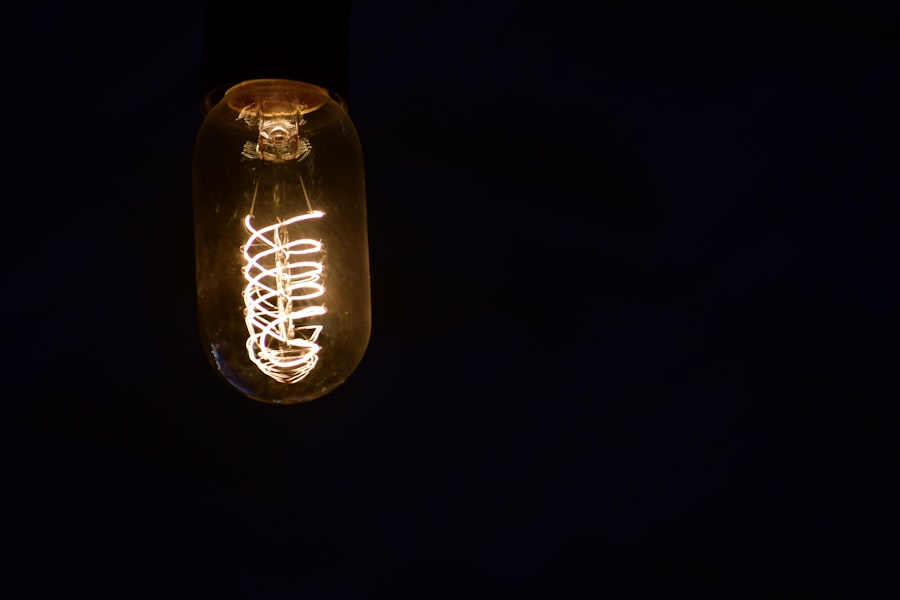
The inherent quality and design of a lightbulb are foundational to its potential lifespan. Manufacturers have a significant role to play in dictating how long a bulb will shine.
Material Quality: The Foundation of Reliability
The quality of the materials used in the construction of a lightbulb is paramount.
Filament Purity (Incandescent)
The purity and consistency of the tungsten used for incandescent filaments are critical. Impurities can create weak points, leading to uneven heating and premature failure. A high-quality filament is like a meticulously crafted engine part, ensuring smooth and reliable operation.
Phosphor Quality (Fluorescent)
The quality and formulation of the phosphor coating in fluorescent lamps directly influence their light output, color rendering, and lifespan. Poor-quality phosphors will degrade faster, leading to quicker dimming.
Semiconductor Purity (LED)
For LEDs, the purity and quality of the semiconductor crystals are crucial for both efficiency and lifespan. Defects in the crystal structure can lead to increased heat generation and premature failure.
Manufacturing Tolerances: The Precision of Production
The precision with which a lightbulb is manufactured significantly impacts its reliability.
Filament Alignment and Support
For incandescent bulbs, the precise alignment and secure support of the filament are vital to prevent breakage. Even minor misalignments can lead to uneven stress distribution.
Sealing Integrity
The hermetic sealing of the bulb envelope is critical for all types of bulbs. Leaks can allow oxygen or moisture to enter, degrading internal components. For incandescent bulbs, oxygen will rapidly oxidize the hot filament, causing it to burn out instantly.
Component Quality (Ballasts, Drivers)
The quality and reliability of ancillary components, such as ballasts in fluorescent lamps and drivers in LED bulbs, are just as important as the bulb itself. Cheaply made drivers can fail prematurely, taking the LED array with them. Think of the driver as the brain of the operation; if the brain fails, the body cannot function.
Usage Patterns and Maintenance: The User’s Influence
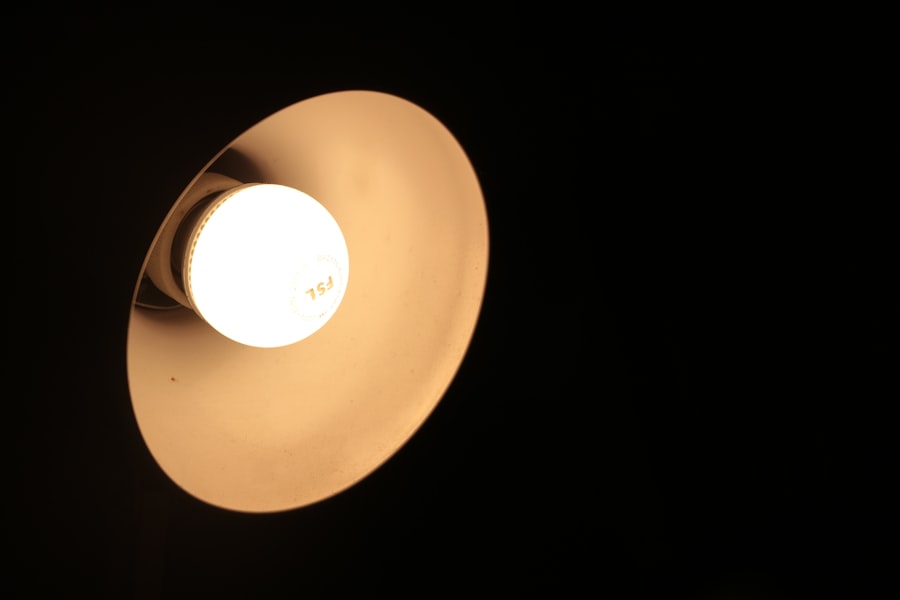
While manufacturing sets the stage, how a user interacts with and maintains their lightbulbs can significantly influence their actual lifespan.
Application and Environment: Finding the Right Fit
Choosing the correct type of lightbulb for a specific application and environment is crucial for maximizing its lifespan.
Vibration-Prone Areas
In locations prone to vibration, such as workshops or areas near heavy traffic, opt for bulbs designed for such conditions. LEDs are generally more robust in these scenarios.
Extreme Temperatures
In areas subject to extreme heat or cold, select bulbs specifically rated for those conditions. This might mean choosing incandescents for very cold environments where fluorescents might struggle to start, or ensuring adequate ventilation for LEDs in hot attics.
Humid Conditions
Humidity can be detrimental to electrical components. In bathrooms or outdoor fixtures, ensure the bulb and fixture are rated for moisture resistance.
Bulb Replacement Practices: A Prudent Approach
The way old bulbs are replaced can also have subtle effects.
Avoiding Over-Tightening
When screwing in a new bulb, avoid over-tightening. This can stress the bulb’s base and potentially crack the glass. A gentle snug fit is usually sufficient.
Cleaning Fixtures
Regularly cleaning light fixtures can improve heat dissipation and prevent the buildup of dust and debris that can trap heat, impacting bulb life.
Using Correct Wattage
Always replace a bulb with one of the same or a lower wattage rating. Using a higher wattage bulb than the fixture is designed for can cause overheating and potential fire hazards, as well as dramatically shorten the bulb’s life.
When considering the factors affecting lightbulb lifespan, it is important to explore various elements such as temperature, voltage fluctuations, and the type of bulb used. A related article that delves deeper into these aspects can provide valuable insights. For more information, you can read about it in this detailed guide that discusses how these factors influence the longevity of different lightbulb types. Understanding these variables can help consumers make informed choices and maximize their lighting investments.
Advancements in Lighting Technology: The Future of Illumination
| Factor | Description | Effect on Lifespan | Typical Impact |
|---|---|---|---|
| Voltage Fluctuations | Variations in electrical voltage supplied to the bulb | Higher voltage reduces lifespan; stable voltage extends lifespan | 10-50% decrease in lifespan with frequent fluctuations |
| Operating Temperature | Temperature at which the bulb operates | Excess heat accelerates filament degradation | Up to 30% reduction in lifespan at high temps |
| On/Off Cycling | Frequency of turning the bulb on and off | Frequent cycling stresses filament, reducing lifespan | Can reduce lifespan by 20-40% with frequent cycling |
| Quality of Materials | Purity and durability of filament and glass | Higher quality materials increase lifespan | Up to 2x longer lifespan with premium materials |
| Bulb Type | Incandescent, LED, CFL, Halogen, etc. | Different technologies have varying lifespans | LEDs last 15,000-50,000 hours; Incandescent 750-2,000 hours |
| Environmental Conditions | Humidity, vibration, and exposure to elements | Harsh conditions can shorten lifespan | Up to 25% reduction in lifespan in harsh environments |
The relentless march of technological innovation continuously offers new solutions to the age-old problem of lightbulb lifespan, each promising increased efficiency and longevity.
LED Technology: The Current Champion
Light Emitting Diodes (LEDs) have revolutionized the lighting industry, offering vastly superior lifespans compared to their predecessors.
Semiconductor Longevity
The semiconductor material in LEDs does not “burn out” in the same way a filament does. Instead, their lifespan is determined by the gradual degradation of the semiconductor junction and the associated electronics. However, with proper thermal management and quality manufacturing, LEDs can last tens of thousands of hours, far exceeding the capabilities of incandescent or fluorescent bulbs.
Thermal Management’s Critical Role
As mentioned previously, effective heat dissipation is the key to unlocking the full lifespan potential of LEDs. High-quality LED bulbs incorporate advanced heatsinks and thermal compounds to draw heat away from the sensitive semiconductor chips.
Driver Reliability
The electronic driver that powers the LED is a critical component for its longevity. High-quality, well-designed drivers are essential for stable operation and extended lifespan.
Smart Lighting and Predictive Maintenance
The integration of “smart” technology into lighting systems offers new avenues for optimizing bulb lifespan.
Monitoring and Data Analysis
Smart bulbs can monitor their own operational status, including temperature, voltage, and operating hours. This data can be used to predict potential failures and alert users to replace bulbs before they unexpectedly fail. It’s like having a tiny mechanic inside each bulb, constantly monitoring its health.
Adaptive Illumination
Smart systems can also adjust light output based on ambient conditions or occupancy, reducing unnecessary operation and the associated wear and tear on the bulbs, thereby extending their life.
Emerging Technologies: Beyond the Horizon
Research continues into even more advanced lighting technologies that may offer further improvements in lifespan and efficiency. While still in their nascent stages, these technologies hold the promise of illuminating our future with even greater sustainability and longevity.
In conclusion, the lifespan of a lightbulb is not a predestined march to darkness but rather a dynamic outcome influenced by a complex web of internal design, manufacturing precision, environmental conditions, and user habits. By understanding these factors, individuals can make informed choices that not only extend the life of their lighting but also contribute to a more energy-efficient and sustainable world.
FAQs
What are the main factors that affect the lifespan of a lightbulb?
The main factors include the type of bulb (incandescent, LED, CFL), operating voltage, frequency of switching on and off, ambient temperature, and quality of manufacturing.
How does frequent switching on and off impact a lightbulb’s lifespan?
Frequent switching can significantly reduce the lifespan of certain bulbs, especially incandescent and CFL bulbs, because the inrush current and thermal stress cause wear on the filament or electronic components.
Does the operating voltage influence how long a lightbulb lasts?
Yes, operating a bulb at a voltage higher than its rated voltage can shorten its lifespan due to increased heat and stress, while lower voltage can extend lifespan but reduce brightness.
How does ambient temperature affect lightbulb longevity?
High ambient temperatures can cause bulbs to overheat, leading to faster degradation of components and reduced lifespan, while cooler environments generally help bulbs last longer.
Are LED bulbs more durable compared to traditional incandescent bulbs?
Yes, LED bulbs typically have a much longer lifespan because they generate less heat, have no filament to burn out, and are more resistant to frequent switching and voltage fluctuations.