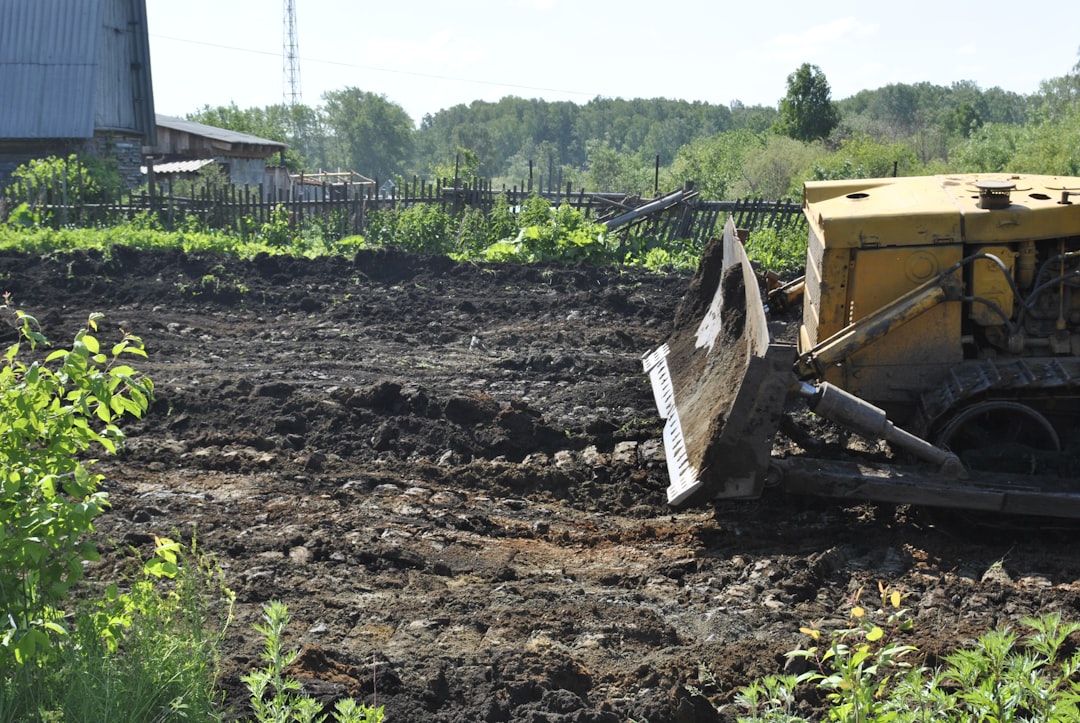
Illegal sand mining, often an inconspicuous yet relentless force, poses a profound and multifaceted threat to the global environment. This clandestine industry, driven by escalating demand for construction materials, extracts critical sand resources without proper permits or adherence to environmental regulations, leaving a trail of destruction that reverberates across ecosystems and human communities alike. The scale of this issue is immense, with estimates suggesting that sand is the most consumed natural resource after water. Its illicit extraction has become a global phenomenon, from the rivers and coastlines of Asia to the lakeshores of Africa and the riverbeds of South America, demonstrating a pervasive disregard for ecological health and sustainable resource management.
The most immediate and visible impact of illegal sand mining is the severe ecological disruption it inflicts upon aquatic and terrestrial environments. The very act of extracting sand, whether through mechanical dredging or manual shoveling, fundamentally alters the physical structure of these ecosystems, leading to a cascade of negative consequences.
Alteration of River Morphology
Rivers, the primary targets for sand extraction, are particularly vulnerable. The removal of large quantities of sand and gravel from riverbeds significantly changes their natural flow patterns, depth, and sinuosity.
Deepening of River Channels
Excessive sand extraction deepens river channels, leading to a reduction in water velocity and sediment transport capacity. This can result in increased erosion of riverbanks, threatening infrastructure such as bridges and homes built close to the river. The deeper channels can also cause groundwater levels in surrounding areas to drop, impacting agricultural land and drinking water sources for local communities.
Instability of Riverbeds and Banks
The removal of bed material destabilizes the riverbed, making it more susceptible to further erosion during high-flow events. This instability also extends to riverbanks, which become more prone to collapse, especially when riparian vegetation, which naturally offers protection against erosion, is also removed or damaged during mining operations.
Changes in Sediment Transport Dynamics
Rivers naturally transport sediment downstream, a process vital for maintaining river morphology, nourishing floodplains, and replenishing coastal areas. Illegal sand mining disrupts this natural balance, reducing the amount of sediment available for transport. This can lead to sediment starvation downstream, affecting delta formation and coastal protection. Conversely, localized increases in turbidity due to mining activities can smother aquatic life and reduce light penetration, hindering photosynthesis in aquatic plants.
Degradation of Aquatic Habitats
The physical disruption caused by illegal sand mining directly impacts the intricate web of life that thrives in and around aquatic environments.
Loss of Benthic Organisms
Benthic organisms, including invertebrates and microorganisms that live on or in the riverbed, form the base of many aquatic food webs. Sand mining activities, through direct removal and subsequent shifting of sediment, destroy these habitats, leading to a significant reduction in their populations. This loss ripples up the food chain, affecting fish and other species that rely on these organisms for food.
Impact on Fish Breeding Grounds
Many fish species depend on specific substrate types and water conditions for spawning and nursery grounds. The alteration of riverbeds, increased turbidity, and changes in water flow caused by sand extraction can destroy these critical habitats, leading to reduced fish populations and biodiversity. For example, species that lay eggs on sandy or gravelly substrates may find their breeding grounds obliterated, severely impacting their reproductive success.
Contamination and Water Quality Degradation
Illegal sand mining operations often discharge silt, clays, and other fine particles into the water, significantly increasing turbidity. This can reduce light penetration, affecting aquatic plants that rely on photosynthesis. Furthermore, the disturbance of sediments can release buried pollutants, including heavy metals or agricultural chemicals, further degrading water quality and posing risks to human health and wildlife. The use of heavy machinery may also introduce oil and fuel contaminants into the water.
Environmental degradation caused by illegal sand mining has become a pressing issue in many regions around the world. This destructive practice not only leads to the depletion of natural resources but also results in severe ecological damage, including habitat destruction and increased vulnerability to natural disasters. For a deeper understanding of the consequences of illegal sand mining and its impact on the environment, you can read a related article at Hey Did You Know This. This resource provides valuable insights into the ongoing challenges and potential solutions to mitigate the effects of this harmful activity.
Biodiversity Loss and Ecosystem Collapse
Beyond direct habitat destruction, illegal sand mining contributes to broader biodiversity loss and can trigger ecosystem collapse, particularly in sensitive areas.
Impact on Riparian Vegetation
Riparian vegetation, the plant communities growing along riverbanks, plays a crucial role in maintaining ecosystem health. It stabilizes banks, provides shade, filters pollutants, and offers habitat and food for a wide range of terrestrial and aquatic species.
Destruction of Plant Species
Illegal mining operations often involve the clearing of riparian vegetation to gain access to sand deposits. This directly destroys plant species, including trees, shrubs, and grasses, some of which may be endemic or endangered. The removal of these plants exposes the soil to erosion, exacerbating bank instability.
Loss of Habitat for Terrestrial Wildlife
Riparian zones are vital corridors and habitats for numerous terrestrial animals, including birds, mammals, reptiles, and amphibians. The destruction of this vegetation eliminates shelter, nesting sites, and foraging grounds, forcing animals to relocate or face local extinction. The increased human activity associated with mining also disrupts wildlife patterns and can lead to conflicts.
Threats to Endangered Species
Many endangered species rely on the very habitats targeted by illegal sand mining, making them particularly vulnerable to its impacts.
Direct Harm to Aquatic Species
Beyond fish, various other aquatic species, including freshwater turtles, crocodiles, and certain amphibian species, are directly harmed by sand mining. Their habitats are destroyed, their food sources depleted, and their breeding cycles disrupted. For instance, critically endangered gharials, which rely on sandy riverbanks for nesting, are severely impacted by the destruction of these crucial habitats.
Disruption of Migratory Pathways
For species that undertake seasonal migrations, such as certain fish or bird species, the alteration of river morphology and the presence of mining operations can disrupt their traditional routes. This can prevent them from reaching crucial spawning, feeding, or resting grounds, impacting their survival and reproductive success.
Exacerbation of Climate Change Impacts
While not a direct cause, illegal sand mining can exacerbate the impacts of climate change, particularly regarding coastal erosion and flood risk.
Increased Coastal Erosion
Sand, transported by rivers, is essential for replenishing coastal beaches and protecting shorelines from erosion. By depleting riverine sand supplies, illegal mining starves coastal areas of this natural defense, making them more vulnerable to rising sea levels and intensified storm surges – direct consequences of climate change. This can lead to the loss of coastal habitats, infrastructure, and communities.
Reduced Floodplain Capacity
Healthy floodplains, often formed by natural sediment deposition from rivers, act as vital buffers during periods of heavy rainfall, absorbing excess water and reducing flood risk. When rivers are deepened and their floodplains are disconnected due to sand mining, the natural capacity to manage floodwaters is diminished, potentially increasing the frequency and severity of flooding in downstream communities.
Socio-economic Ramifications

The impacts of illegal sand mining extend beyond ecological damage, having profound socio-economic consequences for communities, particularly those dependent on natural resources.
Livelihood Disruption
Many communities, especially in developing regions, rely directly on healthy riverine and coastal ecosystems for their livelihoods.
Impact on Fisheries
Fishermen are often among the first to feel the effects of illegal sand mining. The destruction of fish breeding grounds, reduction in fish populations due to habitat degradation, and the disruption of aquatic food webs directly diminish fish catches. This leads to economic hardship, loss of income, and food insecurity for fishing communities.
Agricultural Decline
The deepening of river channels and the associated drop in groundwater levels can severely impact agricultural land adjacent to affected rivers. Farmers may face increased costs for irrigation, reduced crop yields, or even the complete loss of arable land as water tables recede beyond the reach of traditional farming practices.
Damage to Infrastructure
The increased bank erosion and instability caused by sand mining threaten critical infrastructure, including bridges, roads, pipelines, and buildings. The costs associated with repairing or rebuilding such infrastructure can be substantial, diverting resources that could otherwise be used for community development.
Water Scarcity and Quality Issues
Illegal sand mining directly impacts water resources, a fundamental requirement for human survival and development.
Lowering of Groundwater Table
The deepening of riverbeds acts like a drain, drawing down the surrounding groundwater table. This makes it harder and more expensive for communities to access clean drinking water, leading to water scarcity and increased reliance on potentially unsafe sources. Wells may run dry, necessitating the drilling of deeper and more costly alternatives.
Contamination of Water Sources
The increased turbidity and potential release of pollutants from disturbed sediments directly degrade water quality. This can render water sources unsafe for drinking, bathing, and agricultural use, leading to health problems such and increasing the risk of waterborne diseases. The cost of treating contaminated water can also be prohibitive for many communities.
Human Health and Safety Concerns
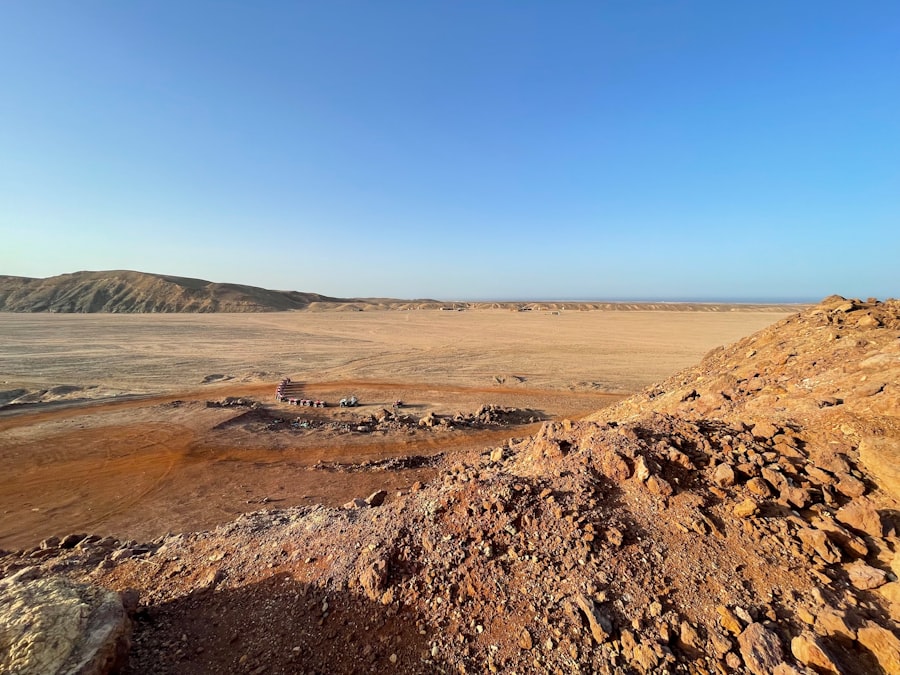
The clandestine nature of illegal sand mining often leads to unregulated and unsafe practices, posing significant risks to human health and safety.
Direct Hazards to Workers
Those involved in illegal sand mining, often operating in precarious conditions without proper safety equipment or training, face numerous risks.
Accidents and Fatalities
Workers are frequently exposed to dangers such as collapsing sand pits, drowning in unstable riverine environments, and injuries from makeshift machinery. The lack of oversight means accidents often go unreported, and victims may not receive adequate medical care or compensation.
Exposure to Pollutants
In some instances, workers may be exposed to dust, noise, and potentially contaminated water, leading to respiratory issues, hearing loss, and other health problems over time. The informal nature of the work often means no protective measures are in place.
Community Safety Risks
The presence of illegal mining operations can also create broader safety risks for nearby communities.
Increased Risk of Landslides and Bank Collapse
As riverbanks are destabilized and undercut by mining activities, the risk of landslides and bank collapse increases, threatening homes and lives in proximity to the mining sites. This is particularly prevalent during heavy rainfall or flood events, which can exacerbate the instability.
Crime and Social Unrest
Illegal sand mining is often associated with organized crime, corruption, and violence. The lucrative nature of the trade can attract criminal elements, leading to intimidation, extortion, and conflicts over control of mining sites. This can destabilize communities, erode the rule of law, and undermine social cohesion.
Illegal sand mining has become a pressing issue, contributing significantly to environmental degradation and the disruption of local ecosystems. The unchecked extraction of sand not only leads to habitat destruction but also increases the risk of flooding and erosion in nearby areas. For a deeper understanding of the impacts of this practice, you can read more in this insightful article about the consequences of illegal sand mining. This resource highlights various case studies and offers solutions to mitigate the environmental damage caused by such activities. To explore it further, visit this article.
The Challenge of Enforcement and Governance
| Metric | Description | Impact | Example Data |
|---|---|---|---|
| Riverbank Erosion Rate | Speed at which riverbanks erode due to sand removal | Loss of land, habitat destruction | Up to 2 meters per year in affected areas |
| Groundwater Table Decline | Lowering of groundwater levels caused by sand mining | Reduced water availability for agriculture and drinking | Drop of 1-3 meters annually in mining zones |
| Biodiversity Loss | Reduction in species diversity in mined riverbeds | Disruption of aquatic ecosystems | Up to 40% decline in fish populations |
| Water Turbidity Increase | Rise in suspended particles in water due to mining | Decreased water quality, affecting flora and fauna | Increase of 30-50% in turbidity levels |
| Sand Extraction Volume | Amount of sand illegally extracted annually | Direct measure of mining intensity | Estimated 20-30 million cubic meters per year |
| Loss of Agricultural Land | Area of farmland lost due to erosion and degradation | Reduced food production capacity | Approximately 500 hectares per year |
Combating illegal sand mining is a complex undertaking, intricately linked to systemic failures in governance, enforcement, and public awareness.
Weak Regulatory Frameworks
Many jurisdictions lack comprehensive and robust legal frameworks specifically designed to regulate sand extraction. Where regulations do exist, they may be outdated, contain loopholes, or fall short of international best practices. This ambiguity makes it difficult to prosecute offenders effectively.
Insufficient Penalties
Even when laws are in place, the penalties for illegal sand mining are often insufficient to deter illicit activities. The profits generated from illegal sand mining frequently far outweigh the potential fines or sentences, making it a highly attractive, low-risk, high-reward venture for criminal enterprises.
Corruption and Lack of Oversight
Corruption plays a significant role in enabling illegal sand mining. Bribes and illicit payments to officials can facilitate the issuance of fraudulent permits, turn a blind eye to illegal operations, or ensure that enforcement actions are not taken.
Limited Monitoring Capabilities
Many governments and environmental agencies lack the resources, personnel, and technical capabilities to effectively monitor vast river networks and coastlines for illegal sand mining activities. Satellite imagery, drone surveillance, and community-based monitoring initiatives offer potential solutions but require investment and coordination.
Demand-Side Pressures
Ultimately, the relentless demand for sand, driven by rapid urbanization and infrastructure development, fuels the illegal trade. Without addressing this fundamental demand, efforts to curb illegal mining will face an uphill battle.
Lack of Sustainable Alternatives
The construction industry heavily relies on natural sand due to its unique properties. The current absence of widespread, cost-effective, and environmentally friendly alternatives to natural sand perpetuates the reliance on this finite resource. Research and development into alternative aggregates, such as recycled concrete or manufactured sand, are crucial.
Public Awareness and Participation
A lack of public awareness about the devastating impacts of illegal sand mining contributes to its persistence. Engaging local communities, educating stakeholders, and fostering civic participation in monitoring and reporting illegal activities are vital steps in building a collective defense against this insidious environmental crime.
In conclusion, illegal sand mining represents a profound environmental and socio-economic crisis. Its pervasive nature, driven by an insatiable global demand for construction materials, systematically dismantles ecosystems, jeopardizes biodiversity, exacerbates climate change vulnerabilities, and inflicts severe hardship upon human communities. Addressing this complex challenge requires a multi-pronged approach involving robust legal frameworks, stringent enforcement, unwavering political will, community empowerment, and a global commitment to sustainable resource management and the development of viable alternatives. The continued inaction against this clandestine industry is a perilous gamble with our planet’s ecological integrity and the well-being of future generations.
FAQs
What is illegal sand mining?
Illegal sand mining refers to the extraction of sand from rivers, beaches, or other natural sources without proper authorization or in violation of environmental regulations. This activity often occurs without oversight, leading to unregulated removal of sand.
How does illegal sand mining contribute to environmental degradation?
Illegal sand mining causes environmental degradation by disrupting river ecosystems, increasing erosion, lowering water tables, destroying habitats for aquatic and terrestrial species, and contributing to the loss of biodiversity. It can also lead to increased flooding and sedimentation problems.
What are the common areas affected by illegal sand mining?
Commonly affected areas include riverbeds, coastal beaches, and wetlands where sand is abundant. These locations are often targeted due to the high demand for sand in construction and infrastructure development.
What are the social and economic impacts of illegal sand mining?
Illegal sand mining can lead to loss of livelihoods for communities dependent on fishing and agriculture, damage to infrastructure due to erosion and flooding, and increased conflicts over natural resources. It also undermines legal businesses and government revenues from mining permits.
What measures can be taken to prevent environmental degradation caused by illegal sand mining?
Preventive measures include enforcing strict regulations and monitoring, promoting sustainable sand mining practices, raising public awareness, rehabilitating mined areas, and encouraging the use of alternative materials in construction to reduce demand for natural sand.