You stood on the precipice of an unthinkable reality, a reality that unfolded on September 11, 2001, etched into the collective memory of a nation and a world. The smoke billowing from the Twin Towers, the shattered Pentagon, and the fields of Shanksville, Pennsylvania, were potent symbols of a vulnerability you had not fully grasped. The immediate aftermath was a maelstrom of chaos, courage, and an overwhelming sense of shared humanity. The emergency response, a coordinated symphony of bravery and sacrifice, became a defining chapter in your nation’s history, a testament to the resilience of the human spirit. Yet, beyond the immediate heroism, lies a rich tapestry of lessons learned and an enduring impact that continues to shape your present and future.
On that fateful Tuesday morning, the events cascaded with a speed that defied comprehension. The first plane struck the North Tower of the World Trade Center at 8:46 AM Eastern Daylight Time. You, like millions, likely watched in disbelief as news channels broadcast the unthinkable. Within minutes, a second aircraft, at 9:03 AM, slammed into the South Tower. The image of the towers engulfed in flames became an instant, stark emblem of the attack’s scale. The subsequent strike on the Pentagon at 9:37 AM and the brave struggle aboard United Airlines Flight 93, resulting in its crash in a Pennsylvania field at 10:03 AM, solidified the grim reality: this was not a singular event, but a coordinated assault on the heart of your nation.
The Unprecedented Scale of the Disaster
The sheer magnitude of the destruction was unlike anything you had witnessed before. The collapse of the World Trade Center towers, iconic symbols of global commerce, created a scene of unimaginable devastation. The air was thick with dust and debris, transforming Lower Manhattan into a war zone. You saw firefighters, police officers, and medical personnel pouring into this inferno, their dedication a stark contrast to the destruction around them. The scale of the human loss was staggering, reaching into the thousands, a grim harvest of lives cut short.
The Initial Response: A Race Against Time
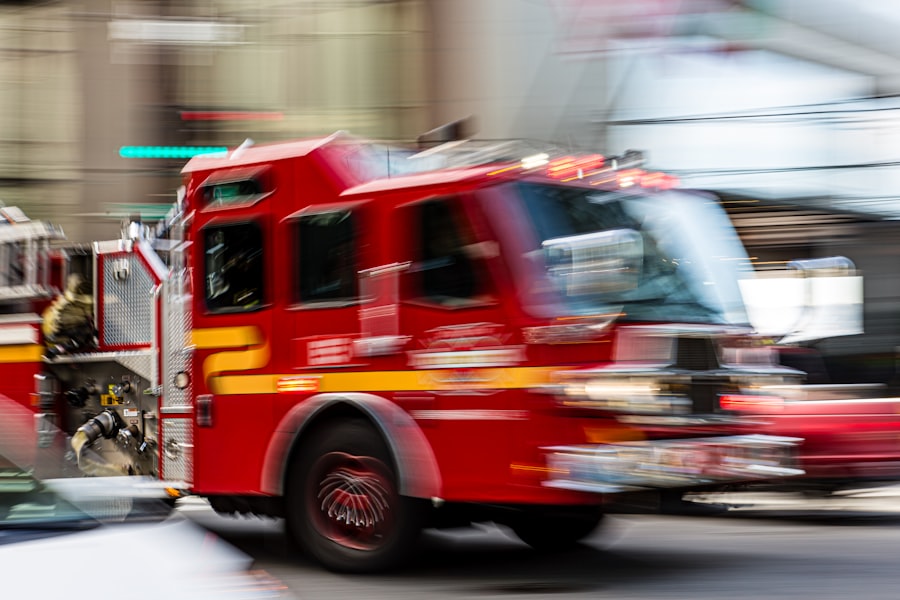
In the initial hours, the primary focus for emergency responders was rescue. Helicopters, boats, and countless vehicles of all types crisscrossed the affected areas, attempting to reach trapped individuals and evacuate the injured. The sheer volume of people needing assistance overwhelmed existing infrastructure, yet the spirit of improvisation and unwavering determination prevailed. You saw ordinary citizens rise to extraordinary levels of humanity, offering aid, comfort, and a helping hand to strangers.
The emergency response to the 9/11 attacks highlighted the importance of preparedness and coordination among various agencies. For a deeper understanding of the challenges faced during that critical time, you can read a related article that discusses the lessons learned and improvements made in emergency management since then. To explore this topic further, visit this article.
The Pillars of Response: Courage Under Fire
The emergency response on 9/11 was not a single entity, but a complex, interwoven network of individuals and organizations. The bravery displayed by first responders, often running towards danger while others fled, is a narrative that will forever be etched in your national consciousness. Their actions, in the face of unimaginable peril, serve as a profound testament to the ideals of public service.
Fire Departments: First In, Last Out
New York City’s Fire Department bore an immense burden. When the first alarm sounded for the World Trade Center, hundreds of firefighters rushed to the scene, knowing the risks but driven by an oath to protect. You saw their brave ascent into the burning towers, their efforts to guide civilians to safety, and their ultimate sacrifice as the structures imploded. The loss of 343 firefighters on that day left a gaping wound in the department and a profound sense of grief across the nation.
Law Enforcement: Securing the Scene and Aiding Victims
Police officers from multiple agencies, including the NYPD and Port Authority Police, were instrumental in establishing perimeters, directing traffic, and assisting in evacuations. Their presence provided a vital sense of order amidst the burgeoning chaos. They too encountered immense danger, with 23 officers losing their lives, many while attempting to reach victims within the collapsing towers.
Emergency Medical Services: A Lifeline in the Storm
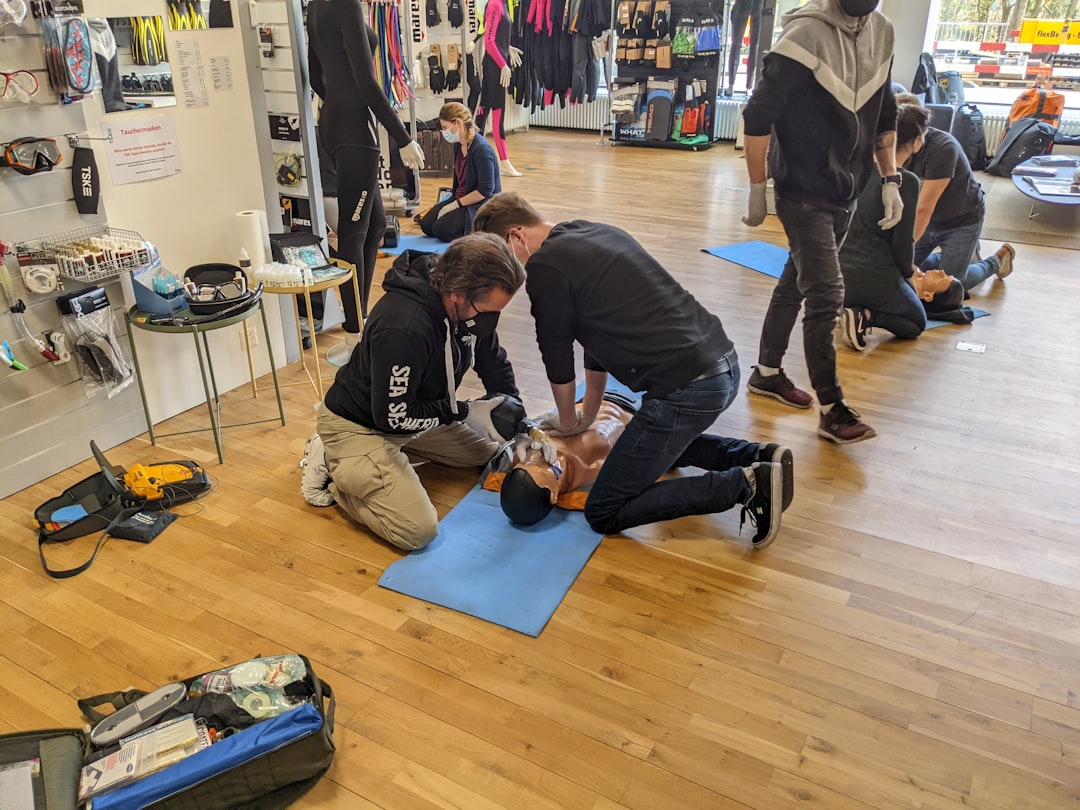
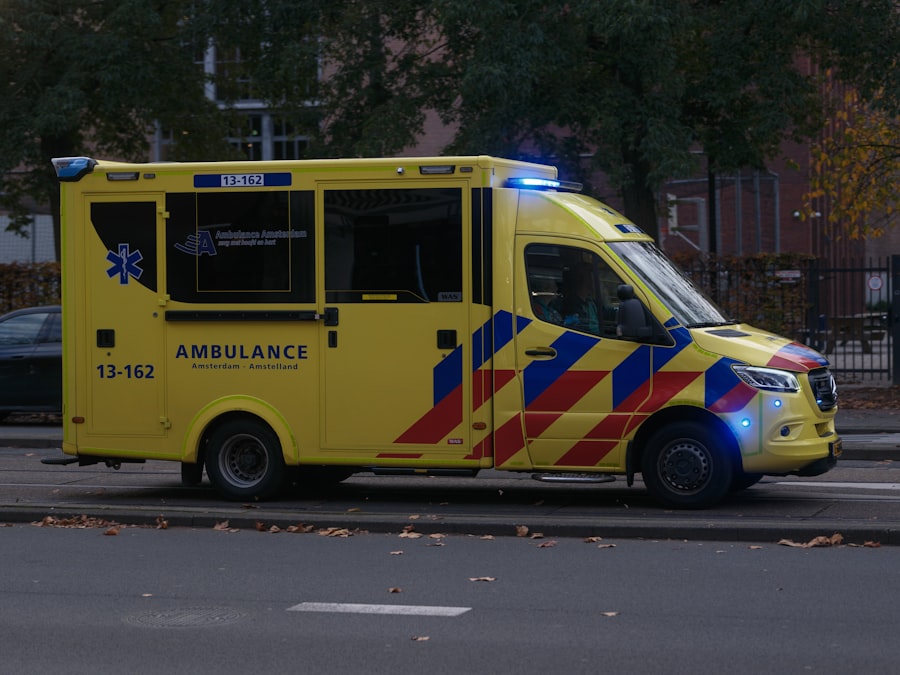
Paramedics, EMTs, and other medical professionals worked tirelessly to triage and treat the injured. With hospitals overwhelmed, makeshift triage centers were established. The relentless demand for their skills, often in harrowing conditions, showcased their unwavering commitment to preserving life. Their efforts were a crucial component of the rescue and recovery operations.
Civilian Volunteers: The Unsung Heroes
Beyond the uniformed services, thousands of civilian volunteers emerged. From trucking companies donating resources to individuals offering food, water, and emotional support, this outpouring of collective goodwill was a powerful counterpoint to the destruction. You witnessed a nation rallying, a human tide of compassion washing over the devastation.
Lessons Forged in the Fires: Transforming Preparedness
The immediate shock of 9/11 quickly gave way to a critical examination of what had transpired and, crucially, how to prevent such a catastrophe from recurring. The emergency response revealed both the extraordinary capabilities of your nation’s first responders and its vulnerabilities. The lessons learned have been a crucible, shaping policies, training, and infrastructure for years to come.
Communication and Interoperability: Bridging the Gaps
One of the most glaring shortcomings identified was the issue of communication. Different agencies often used incompatible radio systems, hindering effective coordination during the crisis. This realization spurred a massive national effort to improve interoperability, ensuring that communication networks could seamlessly connect across various jurisdictions and disciplines. You see the fruits of this effort in more integrated command centers and standardized communication protocols.
Command and Control Structures: Streamlining Decision-Making
The fragmented nature of command and control in the initial hours also presented challenges. The concept of the Incident Command System (ICS), a standardized approach to managing emergencies, was further emphasized and refined. This system provides a clear hierarchical structure, defining roles and responsibilities, thereby streamlining decision-making and resource allocation when seconds count.
Training and Exercises: Simulating the Unthinkable
The attacks underscored the need for more realistic and frequent training exercises. You have witnessed a significant increase in complex drills involving multiple agencies, simulating various disaster scenarios. These exercises are not merely bureaucratic exercises; they are vital opportunities to test, refine, and rehearse protocols under pressure, much like a musician practicing scales before a grand performance.
Public Health and Medical Preparedness: A Wounded System Strengthened
The strain on the public health system was immense. The lessons learned from 9/11 led to significant investments in biosurveillance, pandemic preparedness, and the development of surge capacity in hospitals. You have seen increased stockpiles of essential medical supplies and improved coordination with healthcare providers to respond to mass casualty events.
The Lasting Impact: A New Paradigm of Security
The events of 9/11 did not simply fade into history; they irrevocably altered the landscape of national security and public safety. The emergency response, and the subsequent analysis, served as a catalyst for profound and lasting changes that you navigate in your daily lives.
The Rise of a Unified Security Apparatus: DHS and Beyond
The creation of the Department of Homeland Security (DHS) in 2002 was a direct consequence of the perceived need for a more cohesive approach to national security. This massive governmental reorganization aimed to consolidate various federal agencies under one umbrella, fostering better coordination and intelligence sharing. You see its influence in airport security, border control, and disaster management initiatives.
Enhanced Surveillance and Information Sharing: The Constant Watch
In the name of preventing future attacks, there has been a significant expansion of surveillance capabilities and the infrastructure for information sharing among intelligence agencies. While this has undoubtedly contributed to a more secure environment for some, it has also sparked ongoing debates about privacy and civil liberties. You live in a world where digital footprints are more closely monitored than ever before.
A Global War on Terror: Reshaping Foreign Policy
The “War on Terror” became a defining foreign policy objective for years after 9/11, leading to military interventions and a reorientation of international relations. This has had far-reaching implications for geopolitical landscapes and the lives of individuals in conflict zones. The echoes of those actions continue to resonate.
Public Awareness and Preparedness: The Vigilant Citizen
The attacks fostered a greater sense of public awareness regarding potential threats and the importance of emergency preparedness. You see this in the proliferation of “see something, say something” campaigns and the greater emphasis placed on individual and community preparedness plans. The vulnerability exposed on 9/11 engendered a collective vigilance.
The emergency response to the 9/11 attacks highlighted the importance of preparedness and coordination among various agencies. A related article discusses the lessons learned from that tragic day and how they have shaped current emergency management practices. For more insights on this topic, you can read the article here: lessons learned from 9/11. Understanding these developments is crucial for improving future responses to crises.
The Unfinished Symphony: Continuing Evolution of Response
| Metric | Data | Details |
|---|---|---|
| First Responders Deployed | ~23,000 | Includes firefighters, police officers, EMS personnel |
| Firefighters on Scene | ~343 | Number of FDNY firefighters who lost their lives |
| Police Officers on Scene | ~72 | Number of NYPD officers who lost their lives |
| Emergency Medical Services (EMS) Personnel | ~60 | EMS personnel fatalities |
| Time to Evacuate World Trade Center Towers | ~1 hour 42 minutes | From impact to collapse of the South Tower |
| Number of Ambulances Deployed | ~200 | EMS ambulances from NYC and surrounding areas |
| Search and Rescue Operations Duration | ~3 months | Continued efforts to find survivors and recover remains |
| Number of Hospitals Receiving Patients | ~20 | Hospitals in NYC and nearby areas |
| Number of Patients Treated | ~1,600 | In emergency rooms and field triage sites |
| Emergency Operations Center Activation | Within minutes | NYC Emergency Operations Center activated immediately |
The lessons learned from 9/11 are not static pronouncements, but living, evolving principles. The challenges of emergency response are constantly shifting, demanding continuous adaptation and innovation. The legacy of 9/11 is not just in the memory of the past, but in the ongoing effort to build a more resilient future.
Technological Advancements: Arms Race Against Adversity
Technology continues to play an increasingly critical role in emergency response. From advanced sensor networks and drones for reconnaissance to sophisticated data analytics for threat assessment, innovation is a constant pursuit. You are at a point where the tools available to responders are constantly being upgraded, like an evolving toolkit designed for an ever-changing battlefield.
Mental Health and Well-being: Addressing the Invisible Wounds
The psychological toll on responders and survivors of 9/11 has been profound and long-lasting. You see a growing recognition of the importance of mental health support, with increased resources dedicated to addressing the invisible wounds of trauma. This is a crucial evolution, acknowledging that human resilience extends beyond the physical realm.
International Cooperation: A Shared Responsibility
The interconnected nature of global threats means that international cooperation is more vital than ever. Sharing intelligence, best practices, and resources across borders is essential for effective counterterrorism and disaster response. You are increasingly part of a global network of mutual dependence.
The Legacy of Resilience: A Beacon for the Future
The emergency response on 9/11 was a stark reminder of your nation’s fragility, but it was also a powerful demonstration of its inherent strength. The lessons learned, painstakingly extracted from tragedy, have served as a compass, guiding you toward greater preparedness, enhanced security, and a deeper understanding of your collective capacity for courage and compassion. The events of that day, and the remarkable response that followed, continue to shape your world, a testament to the enduring power of human spirit in the face of unimaginable adversity. You stand today, inheritors of those lessons, tasked with continuing the symphony of vigilance, preparedness, and unwavering humanity.
FAQs
What was the immediate emergency response to the 9/11 attacks?
The immediate emergency response involved firefighters, police officers, and emergency medical personnel rushing to the World Trade Center, the Pentagon, and the crash site in Pennsylvania to conduct rescue operations, evacuate survivors, and provide medical aid.
Which agencies were involved in the 9/11 emergency response?
Multiple agencies participated, including the New York City Fire Department (FDNY), New York Police Department (NYPD), Port Authority Police Department, Federal Emergency Management Agency (FEMA), the FBI, and various local, state, and federal emergency services.
How did the emergency responders manage the evacuation of the World Trade Center?
Emergency responders coordinated the evacuation of tens of thousands of people from the Twin Towers and surrounding buildings, using stairwells and emergency exits, while guiding individuals away from danger zones and providing medical assistance to those injured.
What challenges did emergency responders face during the 9/11 response?
Responders faced numerous challenges including hazardous conditions from fires and smoke, structural instability of the buildings, communication difficulties, overwhelming numbers of casualties, and the risk of further attacks.
What long-term impacts did the 9/11 emergency response have on disaster preparedness?
The 9/11 response led to significant changes in emergency preparedness, including improved inter-agency communication, enhanced training for mass casualty incidents, the creation of the Department of Homeland Security, and the development of more comprehensive disaster response protocols.