
The healthcare industry, a complex ecosystem of providers, payers, and patients, is regrettably susceptible to various forms of deception, collectively known as healthcare fraud. These illicit activities drain vast sums from public and private coffers, compromise patient care, and erode public trust in vital healthcare systems. Understanding the multifaceted nature of these schemes is paramount to their detection and prevention. This article delves into the common types of healthcare fraud, the methods employed to uncover them, and the collaborative efforts required to combat this pervasive challenge.
Healthcare fraud manifests in numerous guises, each exploiting weaknesses within the intricate billing and claims processing systems. These schemes often involve sophisticated strategies, making detection a continuous challenge for regulatory bodies and insurers.
Billing for Services Not Rendered
One of the most straightforward yet prevalent forms of fraud involves billing for services or goods that were never provided to the patient. This can range from a single fraudulent entry to systemic patterns of false claims.
- “Ghost Patients”: Some schemes involve creating fictitious patient records and submitting claims for services purportedly rendered to these non-existent individuals. This requires careful manipulation of patient demographic information and often a network of complicit individuals within a healthcare facility.
- Upcoding/Downcoding: While not always strictly “services not rendered,” upcoding involves billing for a more complex or expensive service than was actually provided. For instance, charging for a comprehensive examination when only a routine one occurred. Conversely, downcoding, though less common in terms of fraud against payers, can occur when a provider intentionally bills for a less complex service to avoid scrutiny, while still performing a more expensive one, potentially to facilitate other illicit activities or to mislead patients.
- Phantom Procedures: This refers to billing for medical procedures that were never performed on a real patient, often as an add-on to legitimate services to inflate the total claim. This can involve anything from minor tests to major surgeries.
Patient, Provider, and Insurer Collusion
Fraudulent activities are not always unilateral; sometimes, they involve coordinated efforts between multiple parties, each benefiting from the illicit gains. This interwoven web of deception makes detection considerably more complex.
- Kickbacks and Bribery: This involves a provider (e.g., a physician) receiving financial inducements (kickbacks) from another entity (e.g., a laboratory, pharmaceutical company, or medical equipment supplier) for referring patients or prescribing specific products, regardless of medical necessity. These hidden incentives undermine ethical medical practice and can lead to overutilization of services or the prescription of unnecessary treatments.
- Duplicate Billing: This scheme involves submitting multiple claims for the same service or item to different insurers or multiple times to the same insurer. This often requires exploiting the gaps in communication and data sharing between various insurance entities and relying on manual review processes.
- Identity Theft: The personal information of individuals, including their insurance details, can be stolen and used to submit fraudulent claims for medical services. This not only burdens the healthcare system but also compromises the victim’s medical records and financial stability.
Prescription Drug Fraud
The pharmaceutical supply chain presents a fertile ground for fraudulent activities, impacting both legitimate patient access to medications and the financial integrity of healthcare programs.
- Drug Diversion: This involves the illicit channeling of prescription drugs from legitimate sources to the black market. This can include physicians over-prescribing controlled substances, pharmacists dispensing drugs without valid prescriptions, or individuals falsifying prescriptions. The opioid crisis has particularly highlighted the devastating impact of this form of fraud.
- Compounding Pharmacy Fraud: Some compounding pharmacies have engaged in fraudulent billing for ostensibly “customized” medications that are either medically unnecessary, exorbitantly priced, or mass-produced and not tailored to individual patient needs. These schemes often involve aggressive marketing and kickbacks to prescribers.
- Misrepresentation of Drug Efficacy or Necessity: In some instances, pharmaceutical companies or providers may engage in fraudulent marketing or billing practices by misrepresenting the efficacy of a drug or claiming its necessity for conditions it does not genuinely treat, often to secure higher reimbursement rates.
Healthcare fraud schemes have become a significant concern in recent years, impacting both patients and the healthcare system as a whole. For a deeper understanding of the various types of fraud and how they can be prevented, you can read a related article on this topic at Hey Did You Know This. This resource provides valuable insights into the mechanisms of fraud and offers guidance on how to recognize and report suspicious activities.
Uncovering Fraud Through Data Analytics
The sheer volume of healthcare claims processed daily makes manual fraud detection an impossible task. Data analytics has emerged as a powerful tool, acting as a digital bloodhound, sifting through vast datasets to identify anomalous patterns and suspicious activities.
Predictive Modeling and Anomaly Detection
Sophisticated algorithms are employed to analyze historical claims data and identify deviations from expected behavior. These models learn from past fraud cases and flag potentially suspicious activities in real-time.
- Machine Learning Algorithms: These algorithms can identify complex, non-obvious relationships between variables that might indicate fraud. For example, they can detect unusual prescribing patterns by a particular physician, inexplicable surges in claims from a specific facility, or patient addresses frequently associated with multiple providers from different specialties.
- Statistical Outlier Analysis: This approach identifies data points that significantly diverge from the mean or expected distribution. For instance, a provider billing for an exceedingly high number of complex procedures compared to their peers in a similar demographic area might be flagged.
- Network Analysis: By mapping relationships between providers, patients, and facilities, network analysis can uncover hidden connections and clusters of fraudulent activity. For example, identifying a group of patients who frequently visit multiple providers who all bill for similar niche services, particularly in different geographical locations, could indicate a coordinated scheme.
Targeted Audits and Investigations
While data analytics illuminates potential areas of concern, targeted audits and investigations provide the granular detail needed to confirm fraud and gather evidence for prosecution.
- Medical Record Review: Once a claim is flagged, a thorough review of the patient’s medical records becomes crucial. This involves cross-referencing billed services with actual documentation to ensure consistency and medical necessity. Discrepancies often serve as primary evidence of fraud.
- Provider Site Visits: Unannounced or scheduled visits to provider offices and facilities allow investigators to assess operations, observe patient flow, and interview staff. This can reveal inadequacies in patient care, lack of equipment, or other inconsistencies that point to fraudulent activities.
- Patient Interviews: Directly interviewing patients provides invaluable insights. Patients can confirm whether services were received, the nature of care, and whether they were pressured into unnecessary treatments. This direct feedback serves as a critical counter-check against billed claims.
Regulatory and Legislative Frameworks
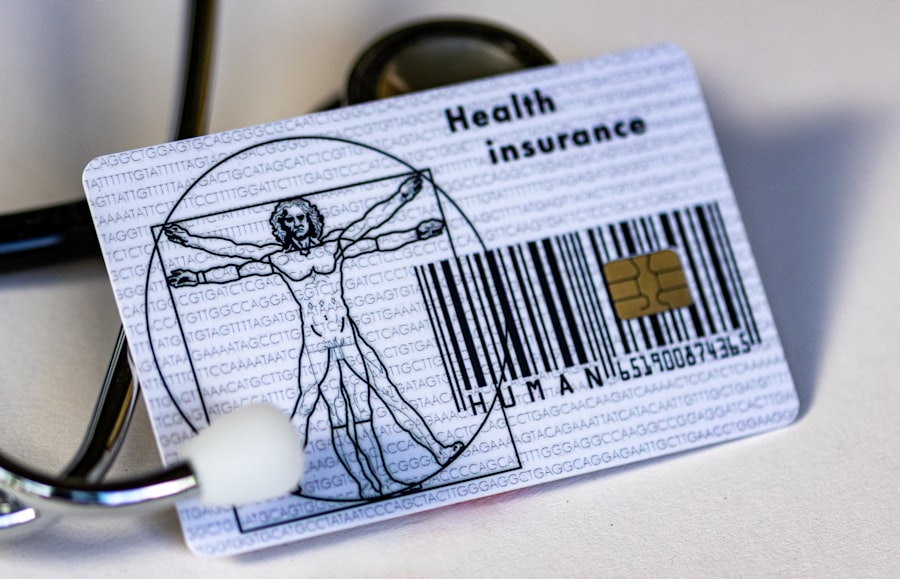
A robust framework of laws and regulatory bodies underpins the fight against healthcare fraud. These legal instruments provide the teeth necessary to prosecute offenders and deter future illicit activities.
Key Anti-Fraud Legislation
Various federal and state laws specifically target healthcare fraud, establishing penalties and empowering enforcement agencies.
- False Claims Act (FCA): This federal law imposes liability on persons and companies who defraud governmental programs. It allows private citizens (whistleblowers) to file suits on behalf of the government and share in any recovered damages. The FCA has been instrumental in recovering billions of dollars lost to fraud.
- Anti-Kickback Statute (AKS): This statute makes it a criminal offense to knowingly and willfully offer, pay, solicit, or receive any remuneration to induce or reward referrals for items or services reimbursable by a federal healthcare program. It aims to prevent medical decisions from being influenced by financial incentives rather than patient well-being.
- Stark Law (Physician Self-Referral Law): This law prohibits physicians from referring patients to entities in which they or their immediate family members have a financial interest, for certain designated health services reimbursable by Medicare or Medicaid. Its purpose is to prevent conflicts of interest that could lead to overutilization of services.
Role of Law Enforcement and Regulatory Bodies
Multiple government agencies and dedicated task forces are at the forefront of combatting healthcare fraud, working in concert to detect, investigate, and prosecute offenders.
- Department of Justice (DOJ): The DOJ, often in conjunction with agencies like the FBI and HHS-OIG, investigates and prosecutes healthcare fraud offenses. They leverage their prosecutorial powers to bring criminal charges and civil enforcement actions against individuals and organizations.
- Office of Inspector General (OIG) of the Department of Health and Human Services (HHS): The HHS-OIG is specifically tasked with combating waste, fraud, and abuse in Medicare, Medicaid, and other HHS programs. Their work includes audits, investigations, and the imposition of civil monetary penalties.
- State Medicaid Fraud Control Units (MFCUs): Every state has an MFCU, which investigates and prosecutes Medicaid provider fraud and patient abuse or neglect in healthcare facilities. These units play a critical role in addressing fraud at the state level.
The Role of Whistleblowers

Whistleblowers are often the first line of defense against healthcare fraud, acting as invaluable inside sources who expose illicit activities that might otherwise remain hidden. Their courage and willingness to come forward are critical to uncovering complex schemes.
Incentives and Protections for Whistleblowers
Recognizing their crucial role, legal frameworks provide both financial incentives and legal protections for individuals who report fraud.
- Qui Tam Provisions: Under the False Claims Act, individuals (known as “relators”) can file a qui tam lawsuit on behalf of the government. If the government intervenes and successfully recovers funds, the relator is typically awarded a percentage of the recovery, often between 15% and 30%. This financial incentive encourages individuals with direct knowledge of fraud to come forward.
- Anti-Retaliation Provisions: Whistleblower protection laws safeguard individuals from retaliation by their employers for reporting fraud. These protections can include reinstatement, back pay, and compensation for damages incurred due to retaliation. Such measures are vital for fostering an environment where individuals feel safe to report wrongdoing without fear of professional repercussions.
Impact of Whistleblower Cases
Whistleblower cases have been instrumental in uncovering some of the largest healthcare fraud schemes, leading to significant recoveries and systemic changes.
- Exposure of Systemic Fraud: Often, whistleblowers reveal not just isolated incidents but deeply entrenched patterns of fraudulent behavior within large organizations, leading to comprehensive investigations and remediation efforts.
- Deterrence and Accountability: Successful whistleblower cases send a strong message to potential fraudsters, acting as a powerful deterrent. They hold individuals and corporations accountable for their illicit actions, reinforcing the integrity of healthcare programs.
- Catalyst for Regulatory Reform: The insights gleaned from whistleblower disclosures can sometimes highlight loopholes or weaknesses in existing regulations, prompting legislators and policymakers to enact reforms to strengthen anti-fraud measures.
Healthcare fraud schemes continue to pose significant challenges to the integrity of medical systems worldwide. A recent article discusses various tactics employed by fraudsters, shedding light on the complexities of these schemes and their impact on patients and providers alike. For those interested in understanding this pressing issue further, you can read more about it in this insightful piece found here. By staying informed, we can better protect ourselves and contribute to the fight against healthcare fraud.
Collaborative Efforts in Fraud Prevention
| Fraud Scheme | Description | Common Methods | Estimated Annual Loss (in billions) | Detection Challenges |
|---|---|---|---|---|
| Billing for Services Not Rendered | Submitting claims for medical services or procedures that were never provided. | Phantom billing, fake patient records | 10 | Verifying patient visits and service documentation |
| Upcoding | Billing for more expensive services or procedures than those actually performed. | Altering codes, exaggerating severity | 8 | Reviewing medical records and coding accuracy |
| Unbundling | Separating a single procedure into multiple billable components to increase reimbursement. | Splitting codes, multiple claims for one service | 5 | Analyzing claim patterns and code combinations |
| Kickbacks | Receiving or paying remuneration to induce referrals or generate healthcare business. | Cash payments, gifts, or favors | 3 | Tracing financial transactions and relationships |
| Falsifying Patient Diagnoses | Altering or fabricating patient diagnoses to justify unnecessary tests or treatments. | Fake medical records, altered charts | 4 | Cross-checking clinical data and patient history |
| Duplicate Claims | Submitting multiple claims for the same service or procedure. | Repeated billing, claim resubmission | 2 | Claim auditing and duplicate detection software |
Combating healthcare fraud is not a task for any single entity; it requires a symphony of collaboration between various stakeholders across the entire healthcare spectrum. This collective effort forms an impenetrable barrier against fraudulent activities.
Public-Private Partnerships
The shared vested interest in a healthy healthcare system necessitates close cooperation between government agencies and private sector entities, particularly insurance companies.
- Information Sharing Agreements: Agreements enabling the secure sharing of data and intelligence between government agencies and private payers can significantly enhance fraud detection capabilities. When public and private datasets are cross-referenced, broader fraud patterns become visible, like a mosaic appearing when fragmented pieces are brought together.
- Joint Task Forces: Establishing joint task forces comprising investigators from both public and private sectors allows for the pooling of expertise and resources. These collaborations can lead to more comprehensive investigations and successful prosecutions.
- Training and Education: Collaboratively developing and delivering training programs for healthcare providers, administrators, and patients helps raise awareness about fraud prevention, ethical billing practices, and the importance of vigilance.
Technological Advancements in Detection
The arms race against healthcare fraud requires continuous innovation, with technology playing an ever-expanding role in staying one step ahead of fraudsters.
- Artificial Intelligence (AI) and Deep Learning: Beyond traditional machine learning, advanced AI techniques, including deep learning, are being integrated into fraud detection systems. These systems can process unstructured data (like doctors’ notes or patient narratives), identify subtle nuances in claims, and predict fraud risks with greater accuracy. They can act as an ever-learning sentinel, adapting to new fraud schemes as they emerge.
- Blockchain Technology: While still in its nascent stages for healthcare, blockchain’s immutable distributed ledger technology holds promise for increasing transparency and security in claims processing and patient records. Imagine a digital ledger where every healthcare transaction is recorded and cannot be altered, providing an unalterable audit trail that makes fraudulent entries immediately apparent.
- Predictive Analytics for Policy Efficacy: Data analytics can also be used to evaluate the effectiveness of anti-fraud policies and interventions. By analyzing claim trends before and after policy changes, authorities can determine which measures are most impactful and refine their strategies accordingly. This allows for a proactive and adaptive approach to regulatory enforcement.
Ultimately, healthcare fraud is a parasitic affliction on a system designed to heal. Uncovering these schemes requires a multifaceted approach, combining sophisticated data analytics, rigorous investigations, robust legal frameworks, courageous whistleblowers, and extensive collaboration. By remaining vigilant and continuously strengthening our defenses, we can safeguard the integrity of healthcare and ensure that resources are directed towards genuine patient care, rather than into the pockets of criminals. The battle against healthcare fraud is a perpetual one, but with persistent effort and innovation, the fight can be won, ensuring the health and well-being of all.
FAQs
What is healthcare fraud?
Healthcare fraud involves intentionally deceiving or misrepresenting information to gain unauthorized benefits or payments from healthcare programs, insurers, or patients.
What are common types of healthcare fraud schemes?
Common schemes include billing for services not rendered, upcoding (billing for more expensive services than provided), unbundling (billing separately for services that should be billed together), and falsifying patient diagnoses.
Who can commit healthcare fraud?
Healthcare fraud can be committed by various parties, including healthcare providers, patients, insurance companies, and suppliers.
What are the consequences of healthcare fraud?
Consequences can include criminal charges, fines, imprisonment, exclusion from federal healthcare programs, and damage to professional reputation.
How can healthcare fraud be detected and prevented?
Detection and prevention methods include audits, data analytics, whistleblower reports, employee training, and implementing strong internal controls and compliance programs.