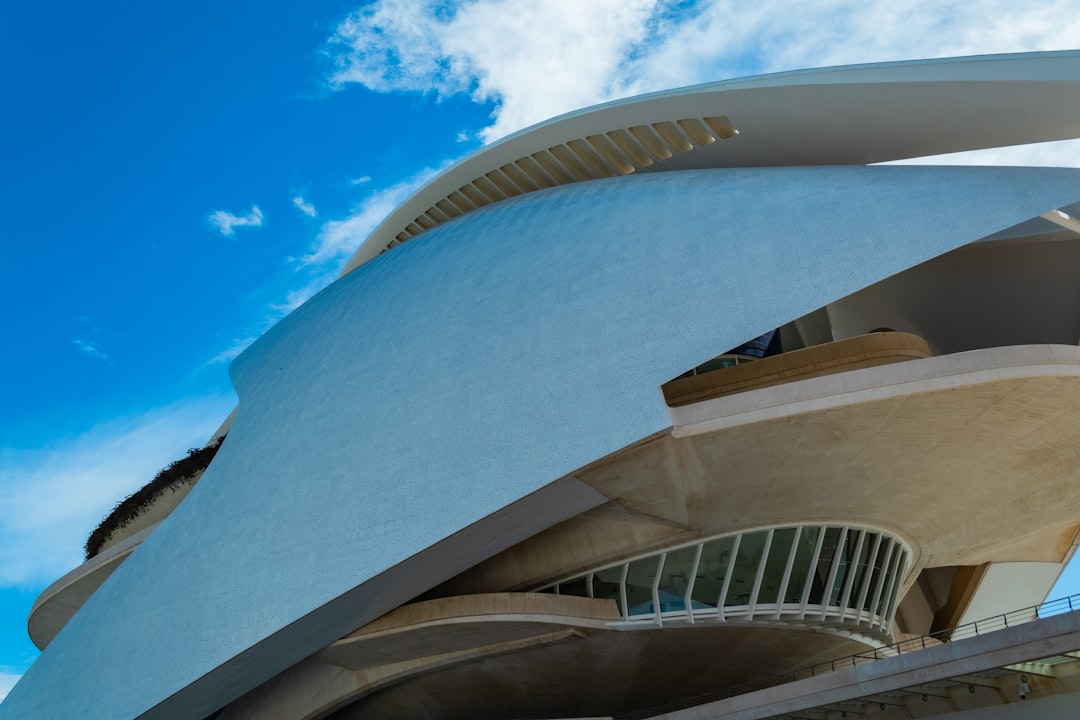
Architecture, as a discipline, has always been a mirror reflecting societal advancements, technological capabilities, and evolving human needs. From the monolithic pyramids of ancient Egypt to the soaring skyscrapers of the 21st century, each era has left its indelible mark on the built environment. Today, a confluence of innovative design philosophies and transformative technologies is ushering in a new epoch in architectural history, one characterized by sustainability, adaptability, and a deeply integrated relationship with its surroundings. This article will explore some of the key innovations and technologies that are revolutionizing how we conceive, design, and construct buildings.
The traditional approach to architectural design often involved a linear, iterative process. Architects would sketch, model, and refine, making conscious decisions at each stage. However, the advent of parametric and generative design tools has fundamentally altered this paradigm, injecting a level of complexity and responsiveness previously unattainable.
The Power of Parameters: Defining Design with Rules
Parametric design is not merely about creating intricate forms; it is about establishing a system of relationships. In this methodology, design elements are controlled by parameters – variables that can be adjusted to alter the geometry and behavior of the design. This means that a single parametric model can generate an infinite number of design variations simply by manipulating its underlying parameters. Imagine a sculptor who, instead of chipping away at stone, can instantly resize, reshape, and reconfigure their creation by adjusting digital sliders. This approach allows for rapid exploration of design possibilities, enabling architects to discover optimal solutions that might otherwise remain hidden. For instance, the facade of a building can be parametrically designed to respond to solar radiation, shading certain areas at specific times of day, thereby optimizing energy efficiency. The intricacy of a facade pattern can be dictated by a set of rules governing spacing, size, and orientation, allowing for both aesthetic coherence and functional performance.
Generative Algorithms: Design by Evolution
Generative design takes parametric design a step further. Instead of the architect manually defining all parameters and their relationships, generative design employs algorithms to explore a vast design space autonomously. The architect sets the goals and constraints – for example, minimizing material usage, maximizing natural light, or adhering to specific structural loads – and the algorithm then generates a multitude of potential designs that satisfy these criteria. This is akin to nature’s own evolutionary process, where countless iterations and adaptations lead to forms perfectly suited to their environment. A generative design process for a housing development might explore thousands of possible layouts, optimizing for factors like pedestrian flow, sunlight exposure, and privacy, presenting the architect with a curated selection of high-performing options. This democratizes the design process, allowing architects to act more as curators and validators of sophisticated, data-driven solutions rather than solely as originators of every single element.
Case Study: Adaptive Facades and Optimized Building Structures
Consider the application of these technologies in designing building facades. Traditional facades can be static, offering a uniform response to a dynamic environment. Parametric design enables the creation of adaptive facades, where individual components can move or change their properties based on real-time environmental data such as wind speed, temperature, and solar intensity. These facades can actively regulate light and heat, reducing reliance on artificial lighting and HVAC systems. Similarly, generative design can be employed to optimize structural forms. Instead of relying on conventional beam and column arrangements, generative algorithms can explore organic, biomimetic structures that distribute loads with unparalleled efficiency, often resulting in lighter, stronger, and more visually striking buildings. The principles seen in the branching patterns of trees or the skeletal structure of bone can be translated into building components, minimizing material waste and maximizing structural integrity.
Architectural innovations have continually shaped the way we interact with our environments, pushing the boundaries of design and functionality. A fascinating article that delves into the latest trends and breakthroughs in this field can be found at this link. It explores how technology and sustainable practices are influencing modern architecture, offering insights into the future of building design.
The Imprint of Innovation: Advanced Materials and Construction Techniques
The physical realization of architectural concepts is as crucial as their design. Revolutionary advancements in materials science and construction methodologies are not only expanding the palette available to architects but also fundamentally changing the speed, precision, and sustainability of building.
Beyond Concrete and Steel: The Rise of Smart Materials
The materials that form the bones of our buildings are undergoing a significant transformation. Traditionally, we have relied on a relatively limited set of materials, each with its own strengths and weaknesses. However, the development of “smart” materials offers unprecedented possibilities.
Self-Healing Concrete: Architecture That Mends Itself
One compelling example is self-healing concrete. This innovative material incorporates microcapsules containing healing agents. When cracks form in the concrete, these capsules rupture, releasing the agents which then react to fill the void. This has the potential to dramatically extend the lifespan of structures, reduce maintenance costs, and enhance their overall durability. Imagine bridges and tunnels that can autonomously repair minor damage, significantly prolonging their service life and reducing the need for costly interventions.
Advanced Composites: Strength Without the Weight
Lightweight yet incredibly strong advanced composite materials, such as carbon fiber reinforced polymers (CFRP), are increasingly being integrated into architectural designs. These materials offer superior tensile strength compared to steel, enabling the creation of thinner, more elegant structural elements and longer spans. Their lightness also simplifies transportation and installation, leading to faster construction times. Their application can be seen in everything from delicate, cantilevered balconies to entire structural systems for large-span roofs, offering a level of design freedom previously constrained by the sheer weight of traditional materials.
Recycled and Bio-Based Materials: A Sustainable Future
A significant driver in material innovation is the imperative for sustainability. Architects and engineers are actively exploring and implementing recycled materials, such as recycled steel, glass, and plastic, into construction. Furthermore, bio-based materials derived from renewable resources, like engineered bamboo, mycelium (fungus-based materials), and sustainably sourced timber (e.g., cross-laminated timber or CLT), are gaining traction. CLT, for instance, allows for the construction of multi-story timber buildings, offering a lower carbon footprint than concrete and steel while providing excellent structural performance and aesthetic qualities. These materials not only reduce environmental impact but can also imbue buildings with a unique character and connection to natural cycles.
Precision and Speed: The Impact of Digital Fabrication
The manufacturing and assembly processes of buildings are also being revolutionized by digital fabrication technologies. These tools bring a new level of precision and efficiency to construction.
3D Printing: Building Layer by Layer
3D printing, also known as additive manufacturing, is no longer confined to small-scale prototypes. Large-scale 3D printers are now capable of printing entire building components or even complete structures. This technology allows for complex geometries that are difficult or impossible to create with traditional methods, potentially reducing material waste and construction time. We are witnessing the emergence of printable houses, bridges, and even intricate architectural elements, paving the way for more customized and efficient construction. The ability to print directly from digital models eliminates many of the manual labor steps involved in traditional construction, leading to faster assembly and reduced costs.
Robotic Construction: The Automation of Building
Robotics are also playing an increasingly vital role in construction. Automated robotic arms can perform tasks such as bricklaying, welding, and assembly with exceptional accuracy and speed. This not only improves the quality of construction but also enhances safety by taking over dangerous or repetitive tasks. Imagine robots precisely assembling prefabricated components on-site, or drones inspecting the structural integrity of a building with unparalleled detail. This shift towards automation is transforming the construction site into a more controlled and predictable environment.
Prefabrication and Modular Construction: Efficiency Through Off-Site Assembly
Prefabrication and modular construction, where building components or entire modules are manufactured off-site in a controlled factory environment and then assembled on-site, are gaining renewed momentum. Enabled by digital design and precision fabrication, this approach leads to higher quality control, reduced waste, and significantly accelerated construction timelines, as much of the building process occurs concurrently rather than sequentially. This method is particularly advantageous for large-scale projects, housing developments, and temporary structures, offering a streamlined path from design to occupancy.
The Living Fabric: Biophilic Design and Smart Buildings
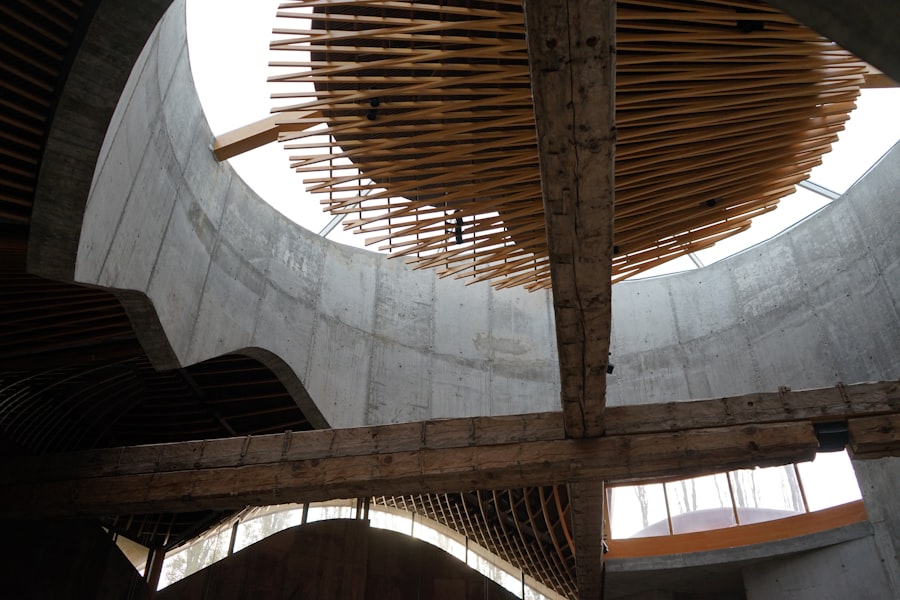
The relationship between buildings and their occupants, and between buildings and their natural environment, is evolving from a symbiotic to an integrated one. Biophilic design principles emphasize the connection between humans and nature within the built environment, while smart building technologies allow for unprecedented responsiveness and efficiency.
Connecting with Nature: Biophilic Design Principles
Biophilic design is rooted in the innate human need to connect with nature. It recognizes that proximity to natural elements can have profoundly positive effects on human well-being, productivity, and cognitive function. This goes beyond simply adding a few potted plants.
Integrating Natural Elements: Green Walls and Rooftops
The incorporation of living systems into buildings is a cornerstone of biophilic design. Vertical gardens (green walls) and green roofs are becoming increasingly common, bringing vegetation directly onto and into structures. These elements not only enhance aesthetics but also provide insulation, improve air quality, reduce the urban heat island effect, and support biodiversity. Picture a building whose exterior is a tapestry of living plants, creating a microclimate of its own and offering a visual respite from the urban concrete jungle.
Natural Light and Ventilation: Mimicking Natural Cycles
Biophilic design also prioritizes the use of natural light and ventilation. Buildings are increasingly designed to maximize daylight penetration, reducing the need for artificial lighting and creating more pleasant interior environments. Similarly, strategies for natural ventilation, such as operable windows and strategically placed openings, are employed to promote air circulation and reduce reliance on mechanical systems. This is about designing buildings that breathe with the rhythm of the day and the seasons, mimicking the way natural habitats are bathed in sunlight and refreshed by breezes.
Views and Patterns: Evoking Natural Landscapes
The inclusion of views of nature and the incorporation of natural patterns and forms also contribute to biophilic design. Buildings can be oriented to offer vistas of green spaces, water bodies, or the sky. Interior designs can incorporate natural patterns found in wood grain, stone textures, or the geometry of leaves. These elements tap into our evolutionary predisposition for natural environments, fostering a sense of calm and connection.
The Intelligent Structure: Smart Building Technologies
Smart buildings are designed to be responsive and efficient through the integration of digital technologies and sensors. They learn, adapt, and communicate, optimizing their performance for both occupants and the environment.
The Internet of Things (IoT) in Architecture: A Connected Ecosystem
The Internet of Things (IoT) is transforming buildings into intelligent ecosystems. Sensors embedded throughout a building collect data on everything from occupancy levels and temperature to air quality and energy consumption. This data is then analyzed to automatically adjust lighting, heating, and cooling systems, optimizing comfort and minimizing energy waste. Imagine a building that knows when a room is occupied and adjusts its climate control accordingly, or a lighting system that dims when natural light is sufficient, behaving like a sentient organism responding to its surroundings.
Predictive Maintenance: Proactive Problem Solving
Smart building technologies enable predictive maintenance, moving away from reactive repairs to proactive issue resolution. By analyzing performance data, systems can identify potential problems before they escalate into significant failures. This can involve monitoring the stress on structural elements, the efficiency of HVAC systems, or the integrity of water pipelines, allowing for timely interventions that prevent costly downtime and extend the lifespan of building components.
Personalized Environments: Tailoring the User Experience
Smart buildings can also offer personalized environments for occupants. Through mobile applications or integrated interfaces, individuals can control their immediate surroundings, adjusting temperature, lighting, and even ambient sound to their preferences. This level of customization enhances occupant comfort and can contribute to increased productivity and well-being.
Bridging the Digital and Physical: Virtual and Augmented Reality in Design and Construction
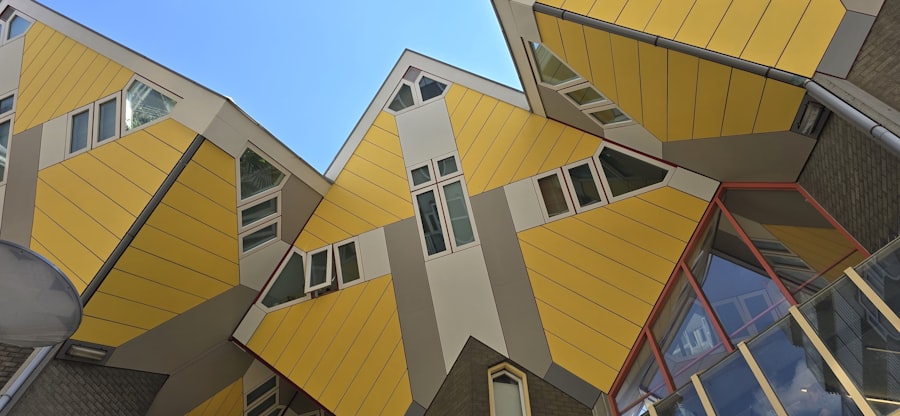
The visualization and understanding of architectural designs have been profoundly enhanced by the integration of virtual reality (VR) and augmented reality (AR) technologies. These tools are not just for entertainment; they are powerful instruments for design, collaboration, and execution.
Immersive Design Exploration: Stepping Inside the Blueprint
Virtual reality offers architects and clients the ability to experience a building design in a fully immersive digital environment before it is built. This allows for a far more intuitive understanding of scale, spatial relationships, and aesthetics than traditional 2D drawings or even 3D models on a screen.
Experiencing Scale and Space: Beyond Flat Renderings
Walking through a virtual model of a house under construction allows a client to truly grasp the proportions of rooms, the height of ceilings, and the flow between different spaces—an experience far richer than looking at a static image. It is like walking through a ghost of the future building, able to interact with it and understand its spatial qualities in a visceral way. This can identify potential design flaws or areas for improvement early in the process, saving significant costs and revisions later on.
Collaborative Design in Virtual Spaces: Global Teams, Shared Visions
VR also facilitates unprecedented levels of collaboration. Design teams, clients, and stakeholders, whether located across the city or across the globe, can meet within a shared virtual space to review and discuss designs in real-time. Changes can be made collaboratively, and feedback can be integrated instantaneously, creating a more dynamic and efficient design process. This dissolves geographical barriers, allowing for diverse perspectives to coalesce seamlessly within a unified digital environment.
Augmented Reality: Overlaying the Digital onto the Real
Augmented reality superimposes digital information onto the real world, typically through mobile devices or specialized headsets. This technology has significant implications for construction and the ongoing management of buildings.
On-Site Visualization: Seeing the Invisible
During the construction phase, AR can be used to overlay building plans, structural elements, and utility lines onto the actual construction site. This helps workers identify exact locations for pipes, wiring, or structural components, reducing errors and improving efficiency. Imagine a construction worker pointing their tablet at a concrete wall and seeing the precise location of embedded conduits appearing on their screen, guiding their next action with pinpoint accuracy.
Real-Time Information Access: BIM in the Field
Building Information Modeling (BIM) data, which contains a wealth of information about a building’s components and systems, can be accessed and visualized through AR on-site. This allows construction teams to quickly retrieve critical data, such as material specifications, installation instructions, or maintenance schedules, directly at the point of need. Information that was once confined to paper blueprints or separate databases is now fluidly accessible in the context of the physical build.
Post-Construction Facility Management: Navigating Complex Systems
AR can also assist in facility management and maintenance after a building is completed. Maintenance personnel can use AR to identify specific components, access their operational data, and receive guidance on repair procedures, streamlining the process of keeping a building in optimal working condition.
Architectural innovations continue to shape our built environment, pushing the boundaries of design and functionality. A fascinating exploration of this topic can be found in a related article that delves into the latest trends and breakthroughs in sustainable architecture. By examining how these advancements are influencing urban landscapes, we gain a deeper understanding of the future of construction. For more insights, you can read the full article here.
Sustainable Futures: Greener Buildings and Resilient Cities
| Innovation | Description | Year Introduced | Impact on Architecture | Notable Example |
|---|---|---|---|---|
| Flying Buttress | External supports that transfer roof weight to the ground, allowing higher walls and larger windows. | 12th Century | Enabled Gothic cathedrals with large stained glass windows and taller structures. | Notre-Dame Cathedral, Paris |
| Steel Frame Construction | Use of steel skeleton to support buildings, replacing load-bearing walls. | Late 19th Century | Allowed construction of skyscrapers and flexible interior layouts. | Home Insurance Building, Chicago |
| Reinforced Concrete | Concrete strengthened with steel bars to improve tensile strength. | Early 20th Century | Permitted innovative shapes and longer spans in buildings and bridges. | Villa Savoye, France |
| Green Building Technologies | Incorporation of sustainable materials and energy-efficient systems. | 21st Century | Reduced environmental impact and improved building performance. | One Central Park, Sydney |
| Parametric Design | Use of algorithms and computational tools to create complex forms. | 21st Century | Enabled highly customized and efficient architectural designs. | Heydar Aliyev Center, Baku |
The revolution in architecture is inextricably linked to the urgent global need for sustainability and resilience. Innovative designs and technologies are not merely about aesthetics or efficiency; they are about creating environments that minimize their ecological footprint and can withstand the challenges of a changing planet.
Energy Efficiency and Net-Zero Buildings: A Paradigm Shift
A primary focus of contemporary architectural innovation is the radical improvement of energy performance. The aspiration is to move beyond simply reducing energy consumption to achieving net-zero energy buildings, which produce as much energy as they consume over the course of a year.
Passive Design Strategies: Harnessing Natural Forces
Passive design strategies are at the forefront of this movement. These techniques leverage the natural forces of the environment to heat, cool, and light buildings without relying heavily on active mechanical systems. This includes optimizing building orientation for solar gain and shading, employing high-performance insulation, and designing for natural ventilation. These are timeless principles, re-energized and refined by modern understanding and technology.
Renewable Energy Integration: Solar, Wind, and Geothermal Power
The integration of renewable energy sources is a crucial component of sustainable architecture. Solar panels are increasingly commonplace on rooftops and facades, generating clean electricity. Wind turbines, in various scales, are being incorporated into urban designs. Geothermal systems, which harness the stable underground temperature for heating and cooling, are also becoming more prevalent. These technologies act as the building’s own power plants, drawing energy from the earth and the sky.
Smart Grids and Energy Storage: Optimizing Power Distribution
The development of smart grids and advanced energy storage solutions complements the integration of renewable energy. Smart grids enable buildings to communicate with the wider energy network, optimizing energy consumption and distribution. Energy storage systems, such as batteries, allow buildings to store excess renewable energy generated during peak production times for use when demand is high or when renewable sources are less available. This creates a more stable and resilient energy infrastructure.
Building Resilience: Adapting to a Changing Climate
The increasing frequency and intensity of extreme weather events necessitate a focus on building resilience. Architects are employing innovative strategies to ensure that buildings can withstand floods, high winds, and other climatic challenges.
Flood-Resistant Design: Protecting from Rising Waters
Designs are incorporating features to mitigate flood damage, such as elevated building foundations, the use of water-resistant materials, and the incorporation of permeable surfaces around buildings to manage stormwater runoff. The goal is to create structures that can weather the storm, both literally and figuratively.
Adaptive Reuse and Future-Proofing: Designing for Longevity
Adaptive reuse, the process of repurposing existing buildings for new uses, is a cornerstone of sustainable development, reducing waste and preserving embodied energy. Furthermore, architects are increasingly designing buildings with future adaptability in mind, creating flexible spaces that can be easily reconfigured to accommodate changing needs and technologies, ensuring their relevance and utility for generations to come.
Urban Planning and Green Infrastructure: A Connected Approach
Beyond individual buildings, architectural innovation is also contributing to the creation of more resilient cities. This includes the development of green infrastructure, such as urban forests, green corridors, and permeable pavements, which help manage water, reduce heat, and enhance biodiversity. The interconnectedness of buildings and their surrounding environments is recognized as vital for creating truly sustainable and livable urban landscapes.
The journey of architectural innovation is a continuous exploration, a relentless quest to redefine what is possible within the built environment. As we stand at this dynamic juncture, the fusion of imaginative design and cutting-edge technology promises a future where buildings are not merely shelters but intelligent, responsive, and sustainable entities that enhance human well-being and harmonize with the planet. The structures we erect today are not simply inert forms; they are becoming active participants in our lives and stewards of our environment, shaping the world we inhabit for generations to come.
FAQs
What are architectural innovations?
Architectural innovations refer to new ways of designing and organizing the overall structure of a product or system, often involving changes in the configuration or layout without necessarily altering the core components.
How do architectural innovations differ from radical innovations?
Architectural innovations change the way existing components are linked or integrated, while radical innovations introduce entirely new components or technologies, fundamentally altering the product or system.
Can architectural innovations improve existing products?
Yes, architectural innovations can enhance performance, reduce costs, or improve usability by reconfiguring existing components in novel ways without changing the core technology.
What industries commonly experience architectural innovations?
Architectural innovations are common in industries such as automotive, electronics, software, and construction, where reconfiguring system components can lead to significant improvements.
Why are architectural innovations important for businesses?
They allow companies to adapt products to new markets, improve efficiency, and extend product life cycles without the high costs associated with developing entirely new technologies.