The evolution of the lightbulb, a device once considered a marvel of its age, continues unabated. From incandescent filaments to today’s complex Solid-State Lighting (SSL) technologies, the trajectory of illumination has been one of continuous refinement, driven by a persistent quest for efficiency, longevity, and versatility. This article delves into the contemporary landscape of lightbulb design, exploring the innovative strides that are redefining how spaces are illuminated and how humans interact with light.
The integration of connectivity into lightbulbs represents a significant paradigm shift, blurring the lines between a simple lighting fixture and an intelligent component of a larger interconnected ecosystem. This convergence has ushered in an era where light is no dynamic variable, controllable with unprecedented precision.
Wireless Communication Protocols: The Backbone of Smart Lighting
At the heart of smart illumination lies a sophisticated array of wireless communication protocols. These digital arteries enable seamless interaction between light sources, control devices, and even other smart home appliances.
Zigbee and Z-Wave: Low-Power Mesh Networks for Home Automation
Zigbee and Z-Wave stand as prominent examples of low-power mesh networking technologies specifically designed for home automation. Their mesh architecture allows devices to relay signals to one another, extending the effective range of the network and enhancing reliability. This redundancy ensures that even if one device fails, the network can reroute its通信 through alternative paths. The low power consumption of these protocols is crucial for battery-powered smart lighting accessories, ensuring extended operational life without frequent battery replacements. Moreover, their established ecosystems offer broad compatibility with a multitude of smart home hubs and devices, fostering interoperability.
Wi-Fi and Bluetooth: Ubiquitous Connectivity for Direct Control
Wi-Fi and Bluetooth, while generally more power-intensive than Zigbee or Z-Wave, offer ubiquitous connectivity due to their widespread integration into smartphones and other personal devices. Wi-Fi-enabled lightbulbs can connect directly to a home network, allowing control from virtually anywhere with an internet connection. This direct connection often bypasses the need for a dedicated hub, simplifying initial setup. Bluetooth, on the other hand, excels in proximity-based control, making it ideal for localized adjustments within a single room or for temporary connections without relying on a central network. The immediacy of Bluetooth pairing and its energy efficiency when operating within a limited range make it a compelling option for certain applications.
User Interface and Experience: Intuitive Control at Your Fingertips
The efficacy of smart lighting hinges on intuitive and accessible control mechanisms. The sophistication of the underlying technology must translate into a user experience that is both powerful and straightforward.
Mobile Applications and Voice Assistants: The Primary Control Hubs
Mobile applications have become the primary interface for controlling smart lightbulbs. These omnipresent platforms offer a rich array of functionalities, from simple on/off toggling and brightness adjustments to sophisticated scheduling, color temperature tuning, and even dynamic lighting scenes. The graphical user interfaces (GUIs) are typically designed for ease of use, often employing visual metaphors to represent light settings. Voice assistants, such as Amazon Alexa, Google Assistant, and Apple Siri, provide an alternative, hands-free method of control. This interaction paradigm allows users to issue commands using natural language, further simplifying the management of their lighting environment. The integration of artificial intelligence (AI) in these assistants allows for increasingly nuanced commands and personalized lighting experiences.
Physical Controllers and Wall Switches: Bridging the Digital and Analog
Despite the allure of digital control, the enduring appeal of physical interaction remains. Smart light switches, remotes, and dimmer modules provide a tangible interface that many users still prefer for quick, habitual adjustments. These physical controllers often integrate seamlessly with the smart lighting ecosystem, allowing for both traditional tactile interaction and digital control. Some advanced designs even feature configurable buttons that can trigger complex scene changes or control groups of lights. This hybrid approach caters to diverse user preferences, bridging the gap between established physical habits and the expanded capabilities of smart technology.
Innovations in lightbulb design have significantly transformed the way we illuminate our spaces, focusing on energy efficiency and sustainability. A related article that delves deeper into these advancements is available at Hey Did You Know This, where you can explore the latest trends and technologies shaping the future of lighting.
The Quest for Efficiency: Lumen per Watt and Beyond
The pursuit of greater energy efficiency has been a consistent driver in lightbulb innovation, culminating in the widespread adoption of LED technology. This ongoing optimization extends beyond sheer lumen output per watt, encompassing factors such as thermal management and component longevity.
Light Emitting Diodes (LEDs): The Reigning Champion of Efficiency
LEDs have dramatically reshaped the lighting industry, offering unparalleled energy efficiency, extended operational life, and a multitude of design possibilities. Their fundamental operating principle, the electroluminescence of semiconductor materials, inherently bypasses the inefficiencies of incandescent and fluorescent technologies.
Semiconductor Material Advancements: Pushing the Boundaries of Lumen Output
Ongoing research into semiconductor materials continues to yield improvements in LED performance. The development of more efficient phosphors, which convert blue LED light into white light of various color temperatures, has been pivotal. Furthermore, advancements in epitaxy and chip design have led to higher internal quantum efficiencies, meaning a larger proportion of electrical energy is converted into light. Researchers are also exploring novel materials, such as perovskites and quantum dots, which hold the promise of even higher luminous efficacies and broader color gamuts. These material science breakthroughs are the bedrock upon which future generations of ultra-efficient LEDs will be built.
Thermal Management Innovations: Expanding Lifespan and Maintaining Performance
Despite their inherent efficiency, LEDs do generate some heat, and effective thermal management is crucial for maintaining their performance and lifespan. Excessive heat can degrade the semiconductor material, reduce light output, and shift the color temperature. Innovations in heatsink design, such as micro-fins, phase-change materials, and advanced heat pipes, are constantly being introduced. Furthermore, the integration of active cooling solutions, though less common in consumer-grade bulbs, is being explored for high-power LED arrays. The strategic placement of components and the use of thermally conductive substrates also play a vital role in dissipating heat efficiently. This sophisticated engineering ensures that the “cool” light of an LED remains truly cool at its core.
Power Supply and Driver Design: The Unsung Heroes of Efficiency
Behind every efficient LED lies a sophisticated power supply or driver that converts line voltage to the precise DC current required by the LEDs. These components are critical for optimizing efficiency and ensuring stable, flicker-free operation.
Miniaturization and Integration: Enabling Smaller, More Versatile Forms
Historically, LED drivers were bulky external components. However, significant advancements in miniaturization and integration have allowed these drivers to be incorporated directly within the lightbulb housing itself, even in forms resembling traditional bulbs. This has been achieved through the use of highly integrated circuits (ICs) and efficient power conversion topologies. The ongoing trend towards smaller, more robust drivers enables lightbulbs to conform to an ever-wider array of form factors, opening up new design possibilities for fixtures and architectural integration. This internal integration simplifies installation and enhances the aesthetic appeal of the bulbs.
Dimming Compatibility and Flicker Reduction: Enhancing User Comfort
One of the challenges in early LED adoption was ensuring smooth, flicker-free dimming across various existing dimmer types. Modern LED drivers incorporate advanced dimming algorithms that are compatible with a broad range of traditional leading-edge and trailing-edge dimmers, as well as digital dimming protocols like DALI (Digital Addressable Lighting Interface). Furthermore, sophisticated current regulation techniques minimize flicker, a subtle but pervasive issue that can cause eye strain and discomfort. The pursuit of “human-centric” lighting emphasizes the importance of stable, high-quality light that mimics natural variations without introducing undesirable artifacts.
Beyond White Light: The Spectrum of Possibilities
The monochromatic origins of early artificial lighting have given way to a kaleidoscopic array of light, where color and spectral distribution are carefully orchestrated to achieve specific effects or support human well-being.
Color Tunable and Full-Spectrum LEDs: Tailoring Light to Application
The ability to control the color temperature and even the full spectral output of an LED light source represents a profound leap in design flexibility. This capability moves beyond merely changing intensity; it allows for the crafting of specific lighting environments.
Tunable White Technology: Adjusting Color Temperature for Mood and Task
Tunable white technology allows users to seamlessly adjust the color temperature of their light, typically along the Kelvin scale, from warm white (e.g., 2700K) to cool white (e.g., 6500K). This nuanced control enables users to match the lighting to the time of day, the prevailing mood, or the specific task at hand. For instance, warmer light can promote relaxation in the evening, while cooler, more energetic light can enhance focus during work hours. The implementation often involves multiple types of white LEDs (e.g., warm white and cool white) that are individually controlled and blended to achieve the desired output. This adaptability is especially valuable in residential, hospitality, and office settings.
RGB, RGBW, and RGBCCT LEDs: Unlocking a Palette of Millions of Colors
For applications requiring dynamic color, RGB (Red, Green, Blue) LEDs provide a powerful solution. By mixing varying intensities of these primary colors, a vast spectrum of hues can be generated. The introduction of RGBW (Red, Green, Blue, White) LEDs adds a dedicated white LED chip, allowing for purer white light alongside vibrant color. RGBCCT (Red, Green, Blue, Cool White, Warm White) LEDs further refine this by offering two white light channels for highly precise color temperature tuning in addition to the full-color capabilities. These technologies open up possibilities for theatrical lighting, architectural accent lighting, and even therapeutic applications where specific color wavelengths are desired.
Human-Centric Lighting (HCL): Designing for Well-being
Human-Centric Lighting (HCL) is an emerging paradigm that places human biological and psychological needs at the forefront of lighting design. It acknowledges that light is more than just illumination; it is a profound environmental cue that impacts circadian rhythms, mood, and cognitive performance.
Circadian Rhythm Integration: Supporting Natural Biological Clocks
HCL systems aim to mimic the natural progression of daylight throughout the day, providing dynamic light that supports the body’s natural circadian rhythm. This involves adjusting color temperature and intensity to align with the sun’s cycle, promoting wakefulness during the day and facilitating melatonin production in the evening. For example, morning light can be rich in blue wavelengths to suppress melatonin, while evening light shifts to warmer tones with reduced blue content to signal the body’s preparation for sleep. This approach seeks to mitigate the disruptive effects of conventional artificial lighting on human physiology, particularly in environments where natural light exposure is limited.
Spectral Tuning for Specific Cognitive and Emotional Effects
Beyond circadian alignment, HCL explores the specific effects of different spectral compositions on human cognition and emotion. Research suggests that certain wavelengths can enhance alertness, concentration, or even alleviate seasonal affective disorder. Advanced HCL systems can precisely tune the spectral output of light to achieve these targeted effects. For instance, classrooms might utilize light profiles designed to optimize student focus, while healthcare facilities could employ lighting tailored to promote patient recovery or reduce anxiety. This refined control over the quality of light marks a significant evolution in how artificial illumination is conceived and applied.
Form Factors and Aesthetic Integration: Blending Light into Architecture

The physical design of lightbulbs has undergone a quiet revolution, moving beyond the utilitarian glass sphere to embrace diverse shapes, materials, and integration philosophies that transform them from mere sources of light into integral elements of architectural design.
Miniaturization and Flexible Light Sources: The Unseen Illumination
The relentless drive for miniaturization in LED technology has profound implications for design, allowing light sources to be hidden or seamlessly integrated into structural elements.
LED Filaments, Strips, and Modules: Disappearing into the Environment
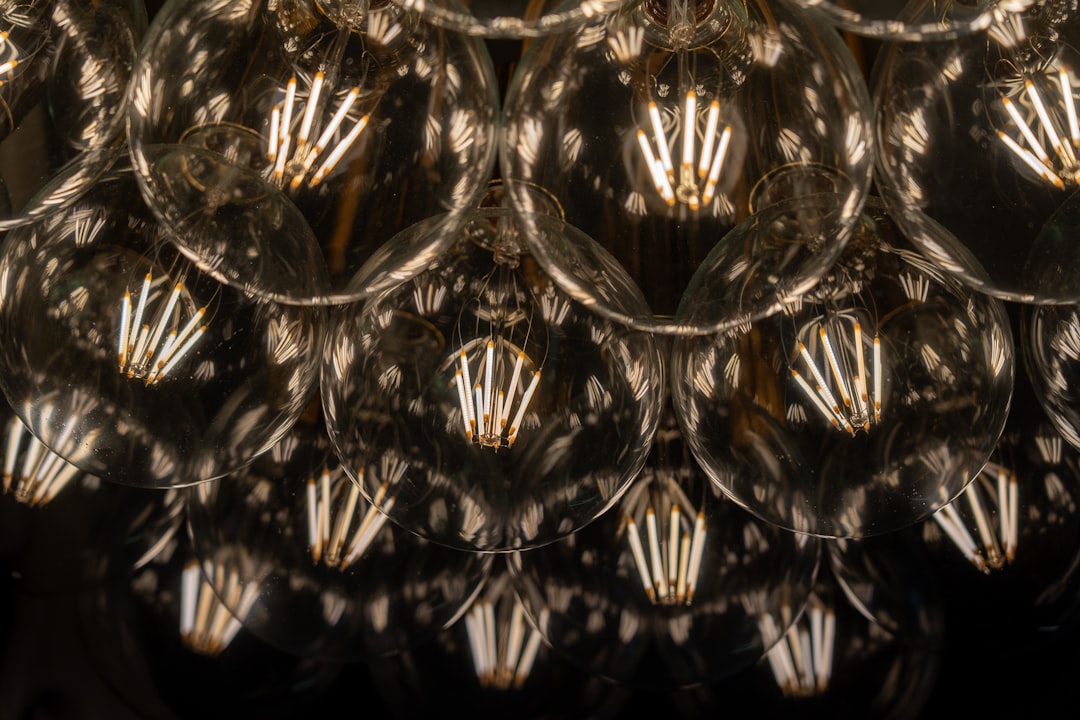
The advent of LED filaments has resurrected the aesthetic appeal of traditional incandescent bulbs while retaining LED efficiency. These thin, glowing lines of LEDs arranged to mimic a filament create a warm, inviting glow often used in decorative or vintage-style bulbs. Beyond these, flexible LED strips and modules have become ubiquitous in architectural lighting. These discreet light sources can be recessed into coves, under cabinets, or along architectural lines, providing indirect or accent lighting that seemingly emanates from the structure itself. The absence of a bulky fixture often contributes to a cleaner, more minimalist aesthetic, allowing the light to define the space rather than the light source itself.
Optical Design and Light Shaping: Directing and Diffusing Light with Precision
The ability to precisely control the distribution of light is a cornerstone of modern lighting design. Optical elements such as lenses, reflectors, and diffusers are meticulously engineered to shape the light beam, from narrow spotlights to wide floodlights, and everything in between. This precision allows designers to direct light exactly where it is needed, minimizing light pollution and maximizing visual comfort. Advanced optical materials and fabrication techniques enable highly complex light-shaping geometries that were previously unattainable. The metaphor of light sculpting can be applied here; designers use optics as their chisels to carve out desired illumination patterns.
Materials and Durability: Resilience and Visual Appeal
The selection of materials for lightbulb casings and diffusers is no longer solely about functionality but also about achieving specific aesthetic and performance goals, including improved durability.
Advanced Polymers and Composites: Lightweight and Versatile Housings
Sophisticated polymers and composite materials are increasingly being utilized in lightbulb construction. These materials offer several advantages over traditional glass or metal, including lighter weight, improved impact resistance, and greater design flexibility. They can be molded into intricate shapes, integrated with heat-dissipating elements, and even given matte or textured finishes to diffuse light or enhance tactile appeal. The low thermal conductivity of some polymers also contributes to keeping the external surface of the bulb cooler, improving safety. This material evolution expands the creative palette available to designers.
Sustainable Materials and Recyclability: Eco-Conscious Illumination
With growing environmental awareness, the focus on sustainable materials and recyclability in lightbulb design is gaining traction. Manufacturers are exploring the use of recycled plastics, bio-based polymers, and even fully compostable materials for components. The design process itself is often geared towards modularity, allowing for easier replacement of individual components rather than disposing of the entire bulb. The goal is to minimize the environmental footprint throughout the lightbulb’s lifecycle, from manufacturing to end-of-life disposal, thus making illumination not only energy-efficient but also ecologically responsible.
Recent advancements in lightbulb design have led to more energy-efficient and sustainable options for consumers. These innovations not only reduce electricity consumption but also enhance the quality of light produced. For a deeper understanding of these developments, you can explore a related article that discusses the evolution of lighting technology and its impact on modern living. Check out this insightful piece here to learn more about how these changes are shaping our environment and daily experiences.
The Future Trajectories: Beyond Illumination
| Innovation | Description | Energy Efficiency | Lifespan (hours) | Environmental Impact | Year Introduced |
|---|---|---|---|---|---|
| Incandescent Bulb | Traditional filament bulb producing light by heating a wire filament | 10-17 lumens per watt | 750-2,000 | High energy consumption, contains tungsten filament | 1879 |
| Halogen Bulb | Improved incandescent with halogen gas to increase efficiency and lifespan | 16-24 lumens per watt | 2,000-4,000 | Moderate energy use, contains halogen gas | 1950s |
| Compact Fluorescent Lamp (CFL) | Uses gas and phosphor coating to produce light more efficiently than incandescent | 35-60 lumens per watt | 8,000-15,000 | Contains mercury, requires special disposal | 1980s |
| Light Emitting Diode (LED) | Semiconductor light source with high efficiency and long lifespan | 80-100+ lumens per watt | 25,000-50,000+ | Low energy use, no hazardous materials | 2000s |
| Smart Bulbs | LED bulbs with wireless connectivity and adjustable color/brightness | 80-100+ lumens per watt | 25,000-50,000+ | Energy efficient, enables energy savings through automation | 2010s |
| Organic LED (OLED) | Thin, flexible light source using organic compounds | 50-70 lumens per watt | 10,000-30,000 | Potential for low environmental impact, emerging technology | 2010s |
The lightbulb, having transcended its primary function of merely producing light, is poised to become an increasingly multifaceted device, embedding itself deeper into the fabric of daily life with expanded capabilities.
Integrated Sensing and Data Collection: Light as a Multi-Sensor Hub
The ubiquitous nature of light fixtures makes them ideal conduits for integrating a variety of sensors, transforming them into intelligent nodes for data collection and environmental monitoring.
Occupancy and Motion Sensing: Dynamic and Responsive Lighting
Many smart lightbulbs already incorporate occupancy or motion sensors, enabling dynamic lighting that responds to human presence. This not only enhances convenience by automatically turning lights on and off but also contributes significantly to energy savings by ensuring lights are only active when needed. These sensors can be integrated discretely, becoming practically invisible within the bulb’s form factor. Beyond simple on/off, advanced systems can adjust brightness based on occupancy levels or pre-set activity profiles, creating highly responsive lighting environments.
Environmental Monitoring: Temperature, Humidity, and Air Quality
The integration of environmental sensors into lightbulbs extends their utility beyond illumination. Temperature, humidity, and even air quality sensors can be embedded within light fixtures, providing granular data on indoor conditions. This distributed network of sensors can contribute to smarter building management systems, optimizing HVAC operation, triggering air purifiers, or simply providing occupants with real-time insights into their immediate environment. The strategic placement of lights throughout a space naturally lends itself to comprehensive environmental monitoring without the need for additional, standalone devices.
Light as a Communication Medium: LiFi and Beyond
The potential for light to transmit data, similar to radio waves, represents a revolutionary future for communication, leveraging the inherent properties of light.
LiFi Technology: High-Speed Data Transfer via Light Waves
LiFi (Light Fidelity) is an emerging wireless communication technology that uses visible light to transmit data. Unlike Wi-Fi, which relies on radio frequencies, LiFi utilizes LED lightbulbs that flicker at speeds imperceptible to the human eye to send data signals. This technology promises ultra-fast data transfer speeds, potentially far exceeding Wi-Fi, and offers enhanced security due to its line-of-sight nature (light cannot pass through walls). Furthermore, LiFi can be deployed in environments where radio frequency interference is a concern, such as in hospitals or airplanes. The integration of LiFi transmitters into everyday lightbulbs could turn every light source into a high-speed internet hotspot.
VLC for Location Tracking and Indoor Navigation
Visible Light Communication (VLC) also holds immense potential for precise indoor location tracking and navigation. By modulating the light from individual LED fixtures with unique identification codes, smartphones equipped with cameras can detect these signals and pinpoint their location with high accuracy. This technology can be employed in large retail spaces, museums, or transportation hubs to provide granular indoor navigation instructions, personalized marketing messages, or even asset tracking. As the pervasive infrastructure of light continues to evolve, its multifaceted roles, extending far beyond simple illumination, are set to profoundly reshape human interaction with built environments.
FAQs
What are some recent innovations in lightbulb design?
Recent innovations in lightbulb design include the development of LED technology, smart bulbs with wireless connectivity, energy-efficient designs, and bulbs with adjustable color temperatures and brightness levels.
How do LED lightbulbs differ from traditional incandescent bulbs?
LED lightbulbs use light-emitting diodes to produce light, which makes them much more energy-efficient, longer-lasting, and cooler in operation compared to traditional incandescent bulbs that use a filament heated to produce light.
What benefits do smart lightbulbs offer?
Smart lightbulbs can be controlled remotely via smartphones or voice assistants, offer customizable lighting settings such as color and brightness, can be scheduled to turn on or off automatically, and often integrate with home automation systems.
Are there environmental advantages to newer lightbulb designs?
Yes, newer lightbulb designs like LEDs consume less electricity, have longer lifespans reducing waste, and often contain fewer hazardous materials compared to older bulbs, making them more environmentally friendly.
Can innovative lightbulb designs improve lighting quality?
Innovative designs can improve lighting quality by offering adjustable color temperatures, better color rendering, flicker-free operation, and more uniform light distribution, enhancing comfort and functionality in various settings.