The modern home, a sanctuary of comfort and activity, relies fundamentally on electric light. For decades, the humble lightbulb served as the primary, almost sole, source of illumination. Yet, the lifespan of these ubiquitous devices has become a complex landscape, often characterized by marketing claims that can obscure the reality of their performance. This article aims to illuminate the intricate details surrounding lightbulb lifespan claims, fostering greater consumer awareness and empowering you to make informed purchasing decisions.
Before delving into the subtleties of lifespan claims, it is crucial for consumers to grasp the fundamental metrics that define a lightbulb’s performance. These are not arbitrary numbers; they represent quantifiable aspects of the bulb’s output and durability. Navigating these metrics is akin to understanding the specifications of any complex piece of technology – a necessary step towards discerning true value from mere promises.
Lumens: The True Measure of Brightness
Historically, consumers have been conditioned to associate brightness with watts. However, this is an outdated metric when evaluating modern lighting technologies. Watts measure energy consumption, not light output. For example, a 60-watt incandescent bulb and a 10-watt LED bulb might produce a similar amount of light, but the LED consumes significantly less energy. The true measure of a lightbulb’s brightness is lumens (lm).
- What are Lumens? Lumens quantify the total amount of visible light emitted by a source. A higher lumen count indicates a brighter bulb.
- Why Lumens Matter for Lifespan Claims: While lumens directly measure brightness, understanding perceived changes in lumen output over a bulb’s lifetime is also pertinent. Some technologies experience a gradual dimming rather than an abrupt failure.
Watts: A Measure of Energy, Not Illumination
While watts are less relevant for brightness, they remain a critical factor for energy efficiency. Understanding wattage allows consumers to calculate electricity costs and assess the environmental impact of their lighting choices.
- Energy Consumption: A higher wattage signifies greater energy consumption, leading to higher electricity bills.
- Evolution of Wattage: The transition from incandescent to LED and CFL technologies has dramatically reduced the wattage required to achieve a desired lumen output. This shift has profound implications for energy savings and bulb longevity.
The Hour Mark: A Promise of Longevity
The most frequently cited metric for lifespan, the hour mark, represents the manufacturer’s estimated operational time for the bulb before it is expected to fail or significantly degrade in performance. This figure needs careful examination.
- Projected vs. Actual Lifespan: Manufacturers’ hour claims are typically based on laboratory testing under controlled conditions. Real-world usage, including voltage fluctuations, ambient temperature, and the frequency of on/off cycles, can significantly impact actual lifespan.
- Defining “Failure”: It is imperative to understand how manufacturers define “failure.” Does it mean complete burnout, or a significant reduction in light output below a usable level? This distinction is crucial for setting realistic expectations.
Consumer awareness of lightbulb lifespan claims is crucial for making informed purchasing decisions. A related article that delves deeper into this topic can be found at Hey Did You Know This, where it discusses the importance of understanding the differences between various lightbulb types and their advertised lifespans. This resource can help consumers navigate the often confusing landscape of lighting options, ensuring they choose products that truly meet their needs and expectations.
Deciphering Manufacturer Claims: A Critical Examination
The lifespan figures presented on lightbulb packaging are not carved in stone. They are projections, albeit informed ones. As a consumer, approaching these claims with a discerning eye is paramount to avoid disappointment and unnecessary expenditure. It’s like reading the fine print on any contract; the details often hold the key.
The Role of the Lumen Maintenance Curve
Modern lighting technologies, particularly LEDs, do not typically “burn out” in the same way incandescent bulbs do. Instead, their light output gradually diminishes over time. This phenomenon is described by the lumen maintenance curve.
- Lumen Depreciation: This curve illustrates how the lumen output of a bulb decreases over its operational life. Manufacturers often specify a lumen maintenance percentage at a certain hour mark (e.g., L70 at 25,000 hours, meaning the bulb retains 70% of its initial lumen output after 25,000 hours).
- Understanding L-Values: The “L” in L70, L80, etc., signifies lumen maintenance. L70 is a common industry standard, but some higher-quality LEDs may offer L80 or L90, indicating a longer period of acceptable brightness. Consumers should look for these specifications on packaging or product literature.
Burnout vs. Gradual Dimming: Different Paths to the End of Life
The narrative of a lightbulb’s demise differs significantly across lighting technologies, influencing how consumers perceive lifespan.
- Incandescent Bulbs: The Sudden Farewell: Incandescent bulbs have a filament that heats up and emits light. When this filament breaks, the bulb “burns out,” ceasing to function abruptly. Their lifespan is generally measured in hours of complete operation.
- CFLs (Compact Fluorescent Lamps): A More Gradual Decline: CFLs use a gas discharge and phosphor coating to produce light. While they can experience sudden failure, they are also prone to a period of flickering or reduced brightness before complete burnout. Their lifespan claims are often based on a combination of factors.
- LEDs (Light Emitting Diodes): The Slow Fade: LEDs are semiconductor devices. Their lifespan is primarily determined by the degradation of the semiconductor material and its associated electronics. This degradation typically results in a slow, gradual dimming rather than an abrupt failure. Thus, the L-value becomes a more accurate representation of their usable life.
The Impact of Usage Patterns: Frequent Switching and Voltage Stability
The environment in which a lightbulb operates can be a significant determinant of its actual lifespan, often diverging from the laboratory-tested claims.
- On/Off Cycles: Frequent switching on and off can stress certain lighting technologies more than continuous operation. While LEDs are generally more robust in this regard than CFLs, extreme cycling can still impact their longevity. A bulb that is switched on and off multiple times an hour may not achieve its advertised lifespan.
- Voltage Fluctuations: Unstable or fluctuating voltage from the power grid can put undue stress on a lightbulb’s internal components, particularly the driver electronics in LEDs. This can lead to premature failure or accelerated lumen depreciation. Power surges are particularly detrimental.
Factors Influencing LED Lifespan: Beyond the Hour Count
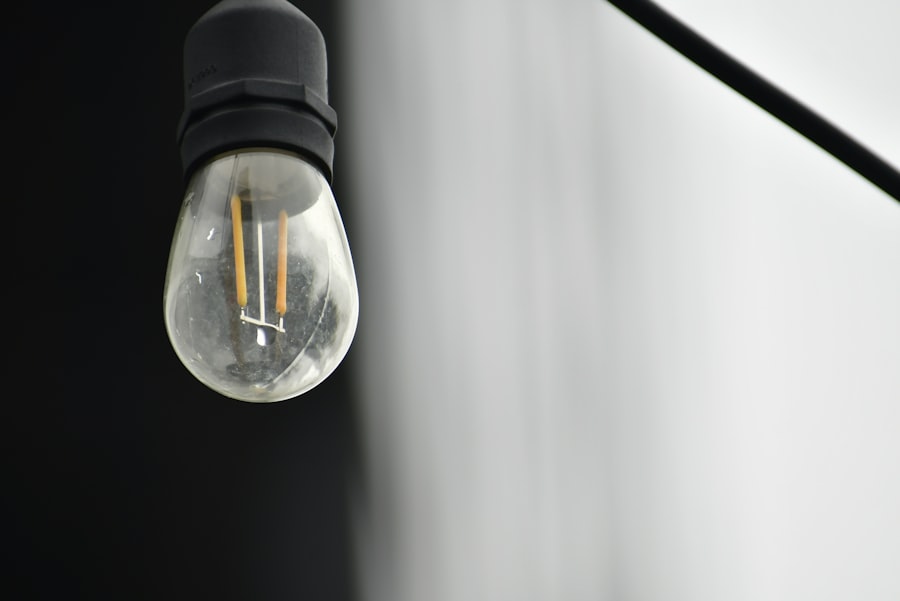
As LEDs have become the dominant lighting technology, understanding the specific factors that influence their lifespan is crucial. The hour count, while a starting point, is only one piece of a larger puzzle.
The Critical Role of the LED Driver
The driver is the electronic component within an LED bulb that regulates the current and voltage supplied to the LED chips. It is often the weakest link in the system.
- Heat Management: The driver generates heat during operation. If not adequately designed and housed, this heat can lead to premature failure of the driver and, consequently, the entire bulb.
- Quality of Components: The quality and reliability of the electronic components used in the driver are paramount. Higher-quality drivers with robust components will generally lead to a longer-lasting bulb.
Thermal Management: Chasing Away the Heat
Heat is the nemesis of electronic components, and LEDs are no exception. Effective heat dissipation is fundamental to achieving advertised lifespans.
- Heatsinks: Many LED bulbs incorporate heatsinks – metal components designed to draw heat away from the LED chips and driver. The size, material, and design of the heatsink play a significant role in its effectiveness.
- Airflow and Enclosure: The design of the bulb’s enclosure and the surrounding airflow also impact thermal management. Bulbs enclosed in tight, poorly ventilated fixtures may experience higher operating temperatures, shortening their lifespan.
The Degradation of the LED Chip Itself
While the driver and thermal management are critical, the semiconductor LED chip also degrades over time.
- Quantum Efficiency Decline: As LEDs age, their internal quantum efficiency can decrease, meaning they produce less light for the same amount of electricity. This directly contributes to lumen depreciation.
- Material Breakdown: Over extended periods, the materials within the LED chip can undergo chemical or physical changes that reduce their light-emitting capabilities.
Navigating the Market: What to Look for as an Informed Consumer
Armed with a foundational understanding of lighting metrics and the factors influencing lifespan, you can approach the marketplace with confidence. It’s about becoming an educated shopper, capable of cutting through the marketing jargon.
Beyond the Bold Claims: Reading the Fine Print
The most eye-catching numbers on a lightbulb package are often the advertised lifespan in hours. However, this is rarely the whole story for modern lighting.
- Lumen Maintenance Specifications: Look for explicit mentions of lumen maintenance, such as “L70 at 25,000 hours.” This provides a more realistic expectation of the bulb’s usable life. A bulb claiming 50,000 hours with no lumen maintenance specification is less informative than one stating L70 at 25,000 hours.
- Warranty Information: A longer warranty period can be an indicator of a manufacturer’s confidence in their product’s durability. However, always read the warranty terms carefully to understand what is covered and for how long.
Differentiating Between Brands and Technologies
Not all LED bulbs are created equal. The manufacturing quality, component selection, and engineering rigor can vary significantly between brands.
- Reputable Brands: While not a guarantee, purchasing from well-established and reputable lighting manufacturers often provides a greater degree of assurance in product quality and performance.
- Price as an Indicator (with Caution): Extremely low-priced bulbs, especially those with exaggerated lifespan claims, should be approached with skepticism. The saying “you get what you pay for” can often be true in the world of electronics. However, a higher price doesn’t automatically equate to superior lifespan.
Understanding Certification Marks and Standards
Certain certification marks indicate that a product has met specific safety and performance standards.
- Energy Star: For LED bulbs, the Energy Star certification signifies that the product meets strict energy efficiency and quality guidelines set by the U.S. Environmental Protection Agency and the Department of Energy. This often includes performance criteria related to lifespan.
- UL Certification: Underwriters Laboratories (UL) certification indicates that a product has undergone rigorous testing for safety. While not directly related to lifespan, it ensures the bulb meets electrical safety standards.
Consumer awareness of lightbulb lifespan claims is crucial for making informed purchasing decisions. A recent article discusses the importance of understanding these claims and how they can impact energy efficiency and cost savings. For more insights on this topic, you can read the full article here. By being aware of the actual lifespan of different lightbulb types, consumers can better navigate their options and choose products that truly meet their needs.
The Long View: Cost of Ownership and Environmental Impact
| Metric | Value | Source/Notes |
|---|---|---|
| Percentage of consumers aware of lightbulb lifespan claims | 65% | Survey conducted in 2023 among 1,000 US consumers |
| Average expected lifespan consumers believe for LED bulbs | 10,000 hours | Consumer survey data, 2023 |
| Percentage of consumers who trust lifespan claims on packaging | 48% | 2023 consumer trust study |
| Percentage of consumers who have experienced shorter lifespan than claimed | 30% | Reported in post-purchase feedback surveys |
| Percentage of consumers who check lifespan claims before purchase | 55% | Retail purchase behavior study, 2023 |
| Average lifespan claim on LED lightbulb packaging | 15,000 hours | Market product analysis, 2023 |
The lifespan of a lightbulb has direct implications for both your wallet and the planet. Thinking beyond the initial purchase price is essential for a comprehensive understanding.
Calculating the True Cost of Lighting
The purchase price of a lightbulb is only a fraction of its total cost of ownership. Energy consumption and replacement frequency are significant contributing factors.
- Energy Savings Translate to Cost Savings: Longer-lasting, energy-efficient bulbs, like LEDs, significantly reduce electricity bills over their lifespan compared to older incandescent or even CFL technologies. This cumulative saving can often dwarf the initial purchase price.
- Reduced Replacement Costs: Bulbs with longer lifespans require less frequent replacement, saving you the cost of purchasing new bulbs and the time and effort involved in replacing them.
The Environmental Footprint of Lightbulbs
The production, use, and disposal of lightbulbs have an environmental impact that can be mitigated through informed choices.
- Energy Consumption and Carbon Emissions: Lower energy consumption translates directly to reduced demand on power grids, which in turn can decrease reliance on fossil fuels and lower associated carbon emissions.
- Waste Reduction: Bulbs that last longer contribute less to landfill waste. The materials used in bulb manufacturing, particularly in LEDs, require resources and energy to produce. Reducing the frequency of disposal lessens this environmental burden.
- Disposal of Older Technologies: Incandescent bulbs are relatively benign in terms of hazardous materials. However, CFLs contain small amounts of mercury and require special disposal procedures to prevent environmental contamination. While LEDs are generally considered safer, their electronic components still constitute electronic waste, necessitating responsible disposal.
In conclusion, shedding light on lightbulb lifespan claims requires a nuanced approach. By understanding the underlying metrics, critically evaluating manufacturer claims, and considering the broader economic and environmental implications, you can navigate the evolving landscape of modern lighting with greater clarity and make choices that benefit both your household and the planet. The promise of extended lifespans in modern bulbs is not merely a marketing ploy but a tangible benefit achievable through technological advancement and an informed consumer.
FAQs
What factors influence the lifespan of a lightbulb?
The lifespan of a lightbulb is influenced by its type (incandescent, LED, CFL, etc.), usage patterns, voltage stability, and manufacturing quality. Environmental conditions such as temperature and humidity can also affect longevity.
How accurate are manufacturers’ claims about lightbulb lifespan?
Manufacturers’ lifespan claims are generally based on standardized testing under controlled conditions. However, actual lifespan can vary due to real-world usage, installation, and environmental factors, which may lead to differences from the stated expectations.
Why is consumer awareness important regarding lightbulb lifespan claims?
Consumer awareness helps buyers make informed decisions, ensuring they understand the expected performance and cost-effectiveness of different lightbulbs. It also helps prevent misleading expectations and promotes better energy and cost savings.
What should consumers consider when evaluating lightbulb lifespan claims?
Consumers should consider the type of bulb, the conditions under which the lifespan was tested, warranty information, and reviews from other users. It’s also important to understand that lifespan is often an average estimate, not a guaranteed duration.
How can consumers verify the lifespan claims of lightbulbs?
Consumers can verify lifespan claims by checking independent testing reports, consumer reviews, and certifications from recognized organizations. Additionally, comparing products from reputable manufacturers and looking for energy efficiency labels can provide more reliable information.