
Cultural advancement, in its most expansive definition, denotes the evolutionary trajectory of human societies, marked by the increasing sophistication and diversification of their shared knowledge, beliefs, arts, laws, customs, and capabilities. This progression is not monolithic but rather a complex interplay of numerous factors, including technological innovation, social reforms, philosophical introspection, and artistic expression. A defining characteristic of contemporary cultural advancement is the profound recognition and active embrace of diversity, which serves as both a catalyst for innovation and a foundational element of societal resilience.
Cultural evolution is rarely a solitary endeavor; it thrives on the exchange and synthesis of varied perspectives. Innovation, often perceived as a spark of individual genius, is more accurately understood as the culmination of diverse ideas interacting and sometimes clashing. This intellectual friction, akin to grinding two different stones to reveal a hidden spark, is a fertile ground for novel concepts.
Historical Precedents of Cross-Cultural Exchange
Throughout history, periods of significant cultural advancement have frequently coincided with intense cross-cultural interaction. The Silk Road, for instance, was not merely a trade route for commodities but a conduit for the transmission of ideas, technologies, and artistic styles between East and West. Similarly, the Islamic Golden Age witnessed a flourishing of scholarship and scientific inquiry fueled by the appropriation and advancement of knowledge from ancient Greek, Roman, Persian, Indian, and Chinese civilizations.
The Mechanism of Hybrid Vigor in Culture
In biology, hybrid vigor describes the enhanced function or growth of hybrid offspring compared to their parent lines. A similar phenomenon can be observed in cultural contexts. When distinct cultural elements, be they musical forms, culinary traditions, or technological approaches, are brought together, the resulting synthesis often yields something entirely new and more robust than its individual components. Consider the evolution of jazz music, a genre born from the intricate fusion of African rhythms, European harmonies, and American blues. This hybridity, far from diluting individual traditions, amplified their collective expressive power.
The Role of Cognitive Diversity in Problem Solving
Beyond observable cultural artifacts, diversity within a society also manifests as cognitive diversity – differences in perspectives, thought processes, and problem-solving approaches among individuals. Research consistently demonstrates that diverse teams, while potentially encountering more initial communication challenges, ultimately outperform homogenous teams in complex problem-solving tasks. This is because a wider range of viewpoints allows for more thorough analysis, identification of hidden biases, and generation of more creative solutions. For complex societal issues, from climate change to public health crises, a monocultural approach is akin to having all tools in a toolbox be hammers; some problems require a different implement.
Cultural advancements have played a significant role in shaping societies throughout history, influencing everything from art and literature to technology and social norms. For a deeper understanding of how these advancements manifest in various cultures, you can explore a related article that delves into the impact of cultural evolution on modern society. Check it out here: Cultural Evolution and Its Impact.
The Digital Age and Global Interconnectedness
The advent of the digital age has dramatically accelerated the process of cultural exchange and diversified the avenues through which innovation can emerge. The internet, a vast nervous system connecting billions of individuals, has dissolved geographical barriers, transforming the global landscape into an intricately woven tapestry.
Democratization of Knowledge and Artistic Expression
The internet has democratized access to information and platforms for creative expression on an unprecedented scale. Individuals from any corner of the globe can now share their perspectives, contribute to open-source projects, and showcase their artistic talents without requiring traditional gatekeepers. This has led to the emergence of new art forms, digital communities centered around niche interests, and the rapid dissemination of scientific discoveries. The ability to access, translate, and build upon a vast repository of human knowledge fosters a collective intelligence that is continually evolving.
The Rise of Transnational Cultural Movements
The digital realm has facilitated the emergence of transnational cultural movements, where ideas and trends transcend national borders with unparalleled speed. Memes, viral videos, and online activism demonstrate the power of collective cultural participation that is not constrained by physical proximity. These movements, while sometimes ephemeral, can also exert significant influence on global discourse, shaping public opinion and even influencing political action. They represent a fluid and dynamic form of cultural advancement, where individuals, irrespective of their geographical location, can contribute to and be shaped by a shared cultural vocabulary.
Challenges of Information Overload and Echo Chambers
While the digital age offers immense opportunities, it also presents challenges. The sheer volume of information can lead to information overload, making it difficult to discern credible sources from misinformation. Furthermore, algorithmic filtering can inadvertently create “echo chambers” or “filter bubbles,” where individuals are primarily exposed to information that reinforces their existing beliefs, thereby limiting exposure to diverse perspectives and potentially hindering critical thinking. Addressing these challenges requires digital literacy education and thoughtful platform design.
Preserving and Celebrating Cultural Heritage

While embracing new advancements and diverse influences, the preservation and celebration of cultural heritage remain paramount. Heritage acts as an anchor, providing a sense of identity and grounding amidst the ever-accelerating pace of change. It offers invaluable insights into the human journey and the diverse solutions societies have developed over millennia.
Intangible Cultural Heritage and its Significance
Cultural heritage extends beyond tangible artifacts like monuments and historical documents. Intangible cultural heritage (ICH) encompasses oral traditions, performing arts, social practices, rituals, festive events, knowledge and practices concerning nature and the universe, and the knowledge and skills to produce traditional crafts. These living expressions are constantly evolving but are crucial for maintaining social cohesion and transmitting generational wisdom. Efforts to document, revitalize, and promote ICH, as spearheaded by organizations like UNESCO, are vital for ensuring that these rich traditions are not lost to the sands of time. Ignoring ICH is akin to discarding the operating manual for a complex machine; while the machine may still function, its full potential and history are lost.
The Role of Museums and Archives in Documentation
Museums and archives serve as custodians of cultural memory, diligently cataloging, preserving, and presenting artifacts and records that tell the story of human civilization. Their role is evolving from mere repositories to dynamic centers of learning, research, and community engagement. By embracing digital technologies, museums can reach wider audiences globally, making their collections accessible to researchers and enthusiasts worldwide. This digital accessibility means that a person in a remote village might virtually explore the great halls of the British Museum, connecting with artifacts that otherwise would be entirely inaccessible.
Integrating Traditional Knowledge Systems
Modern scientific understanding, while powerful, is not the sole form of legitimate knowledge. Traditional knowledge systems, often developed over centuries through empirical observation and experimentation within specific ecological and social contexts, offer valuable insights into sustainable resource management, traditional medicine, and agricultural practices. Integrating these systems with contemporary scientific approaches can lead to more holistic and effective solutions to global challenges. For example, indigenous land management practices, often dismissed in the past, are now being recognized for their ecological efficacy in preventing wildfires and promoting biodiversity.
Education as a Catalyst for Cultural Progress
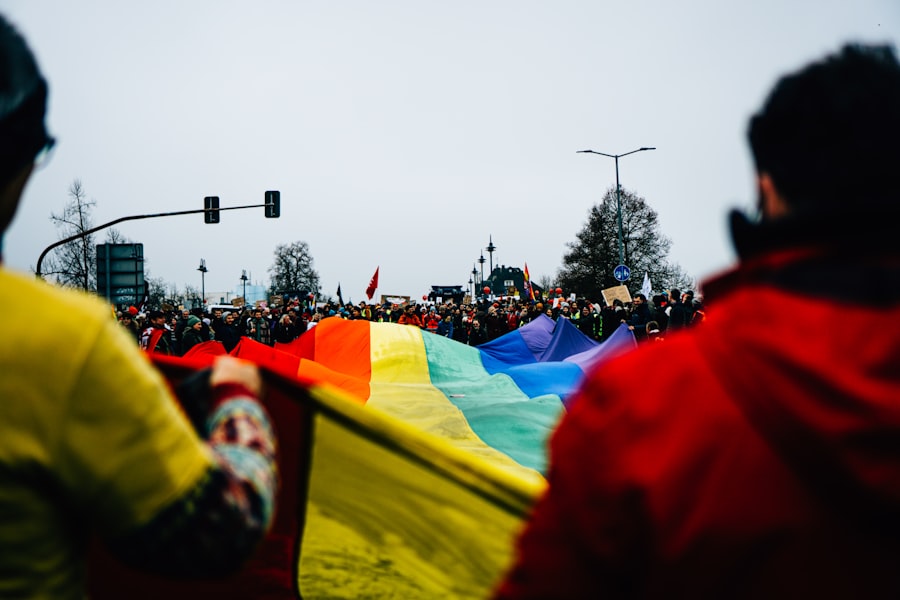
Education is the bedrock upon which cultural advancement is built. It is the primary mechanism through which knowledge, values, and critical thinking skills are transmitted across generations, empowering individuals to contribute meaningfully to society and to navigate an increasingly complex world.
Fostering Intercultural Competence
In a world characterized by increasing interconnectedness, intercultural competence – the ability to communicate and interact effectively with people from diverse cultural backgrounds – is no longer a soft skill but a fundamental necessity. Educational systems must move beyond superficial multiculturalism to cultivate genuine understanding, empathy, and respect for other cultures. This involves not only learning about different customs but also developing the capacity for perspective-taking and critical self-reflection regarding one’s own cultural lens.
Promoting Critical Thinking and Media Literacy
A cornerstone of true cultural advancement is the ability to think critically, to question assumptions, and to evaluate information from multiple sources. Educational curricula must prioritize the development of critical thinking skills, enabling individuals to discern fact from fiction, identify biases, and engage in informed debate. In the digital age, media literacy – the ability to access, analyze, evaluate, and create media in a variety of forms – is equally crucial for navigating the complex information landscape. Without these skills, individuals become passive consumers rather than active participants in cultural discourse, susceptible to manipulation and the spread of misinformation.
Lifelong Learning and Adaptability
The pace of cultural and technological change is accelerating, rendering static knowledge bases insufficient. Education must therefore foster a commitment to lifelong learning and adaptability. Individuals need to be equipped not just with specific facts or skills, but with the capacity to continuously acquire new knowledge, unlearn outdated concepts, and adapt to evolving circumstances. This fluidity in learning is like building a ship that can be re-rigged at sea, rather than one designed for a single type of voyage.
Cultural advancements have significantly shaped societies throughout history, influencing everything from art to technology. For a deeper understanding of how these changes manifest in various aspects of life, you can explore this insightful article on the evolution of cultural practices. It highlights the interconnectedness of traditions and innovations, showcasing how they contribute to the richness of human experience. To learn more, visit this article that delves into the fascinating world of cultural evolution.
Ethical Considerations in Cultural Advancement
| Year | Cultural Advancement | Region | Impact | Notable Figures |
|---|---|---|---|---|
| 1500 BCE | Development of the Phoenician Alphabet | Eastern Mediterranean | Foundation for modern alphabets | Unknown |
| 5th Century BCE | Classical Greek Philosophy | Greece | Influenced Western thought and science | Socrates, Plato, Aristotle |
| 15th Century | Renaissance Art and Literature | Europe | Revival of classical knowledge and humanism | Leonardo da Vinci, Michelangelo |
| 18th Century | Enlightenment Movement | Europe | Promotion of reason, science, and individual rights | Voltaire, Immanuel Kant |
| 20th Century | Modernism in Art and Literature | Global | Break from traditional forms and experimentation | James Joyce, Pablo Picasso |
As societies progress and leverage new technologies and diverse perspectives, a robust framework of ethical considerations becomes indispensable. Advancements themselves are morally neutral; it is their application and the values guiding them that determine their ultimate impact.
Balancing Progress with Social Equity
Cultural advancement must not exacerbate existing inequalities or create new ones. Technological innovations, for example, while offering immense potential, can also widen the gap between the privileged and the marginalized if access and benefits are not distributed equitably. The ethical imperative is to ensure that progress serves the common good and contributes to a more just and inclusive society. Ignoring this balance is to build a shining skyscraper on a crumbling foundation; it will eventually fracture.
The Responsible Use of Technology
The rapid evolution of technologies, particularly in areas like artificial intelligence, biotechnology, and surveillance, necessitates careful ethical scrutiny. Questions concerning privacy, autonomous decision-making, potential for misuse, and the impact on human dignity must be addressed proactively. Developing ethical guidelines and regulatory frameworks that evolve alongside technological capabilities is crucial to harness the beneficial aspects of innovation while mitigating potential harms.
Defining and Respecting Cultural Boundaries
While celebrating diversity and cross-cultural exchange, it is also important to acknowledge and respect cultural boundaries and sensitivities. This includes avoiding cultural appropriation – the adoption or use of elements of a minority culture by members of the dominant culture without understanding or respecting the original cultural context. Genuine cultural advancement involves mutual respect and reciprocal exchange, not appropriation that strips artifacts or practices of their meaning. It is about building bridges, not raiding cultural warehouses.
In conclusion, cultural advancement in the contemporary era is characterized by an intrinsic link between diversity and innovation. By actively embracing various perspectives, leveraging global interconnectedness, preserving invaluable heritage, and empowering individuals through education, societies can continue their evolutionary journey. However, this journey demands constant ethical vigilance, ensuring that progress is pursued responsibly, equitably, and with profound respect for the richness and complexity of the human experience. The path forward is not a singular, well-trodden road, but a dynamic, multi-faceted landscape requiring continuous navigation and adaptation.
FAQs
What are cultural advancements?
Cultural advancements refer to the progress and development in the arts, traditions, social norms, technologies, and intellectual achievements of a society over time.
How do cultural advancements impact society?
Cultural advancements influence societal values, improve communication, foster creativity, enhance education, and contribute to economic growth by promoting innovation and cultural exchange.
Can cultural advancements be seen in technology?
Yes, technological innovations often reflect cultural advancements as societies develop new tools and methods that improve daily life, communication, and artistic expression.
What are some examples of cultural advancements in history?
Examples include the Renaissance period’s artistic and scientific achievements, the invention of the printing press, the development of written language, and advancements in music and architecture.
How do cultural advancements spread between societies?
Cultural advancements spread through trade, migration, conquest, communication, and modern globalization, allowing ideas, technologies, and customs to be shared and adapted across different cultures.