
The human experience is often depicted as a tapestry woven with threads of joy and sorrow, success and failure. Within this intricate design, a distinct pattern emerges—that of the “survivor.” These individuals, by definition, have endured and overcome significant adversity, demonstrating remarkable resilience and often catalyzing profound personal growth. This article delves into the multifaceted concept of survivor stories, exploring the commonalities and unique trajectories of those who have navigated life’s most arduous challenges, ultimately finding strength amidst the wreckage.
Adversity, a formidable opponent, manifests in an myriad of forms, each presenting a distinct set of obstacles and implications. It is not merely misfortune but a profound challenge that tests an individual’s limits, physically, emotionally, and psychologically. Understanding the diverse landscapes of adversity is crucial to appreciating the subsequent narratives of survival.
Physical Adversity: The Body’s Battlefront
Physical adversity encompasses a broad spectrum of experiences where the body itself becomes a battleground. This can range from life-altering accidents that result in permanent disability to chronic illnesses that erode vitality over time.
- Injury and Disability: Traumatic events such as car accidents, industrial mishaps, or acts of violence can inflict severe physical damage, leading to long-term or permanent disability. Survivors in these scenarios often face a grueling process of rehabilitation, adapting to new physical limitations and redefining their capabilities. The journey from a fully functional body to one with significant constraints requires an immense psychological shift, a recalibration of self-perception that can be as arduous as the physical recovery itself.
- Chronic Illness: Diseases like cancer, autoimmune disorders, or debilitating neurological conditions present a different kind of physical adversity. These are often protracted battles, characterized by periods of intense suffering, medical treatments with severe side effects, and the constant threat of relapse. Survivors of chronic illness frequently become experts in managing their conditions, navigating complex healthcare systems, and advocating for their own well-being. Their strength is often found in the sustained effort to live a full life despite persistent physical challenges, a testament to the human spirit’s refusal to be defined solely by suffering.
- Natural Disasters and Environmental Exposure: Earthquakes, floods, wildfires, and other natural calamities can inflict immediate and widespread physical harm, leading to displacement, loss of possessions, and even the loss of loved ones. Survivors of such events often bear direct physical wounds alongside the invisible scars of trauma. Their stories become narratives of rebuilding, not just homes and communities, but also a sense of security and normalcy.
Psychological and Emotional Adversity: The Mind’s Labyrinth
Beyond the tangible realm of physical suffering, adversity frequently infiltrates the psychological and emotional landscape, leaving deep and often invisible wounds. These challenges can be particularly insidious, as their internal nature can make them harder to identify and address.
- Trauma and Abuse: Experiences such as childhood neglect, domestic violence, sexual assault, or combat exposure can inflict profound psychological trauma. This trauma can manifest as Post-Traumatic Stress Disorder (PTSD), anxiety, depression, and a shattered sense of self. Survivors of trauma embark on a journey of healing that often involves confronting painful memories, processing intense emotions, and rebuilding trust in themselves and others. It is a process of reclaiming agency and navigating the labyrinthine corridors of the mind, often with professional guidance.
- Grief and Loss: The death of a loved one, especially a child or a partner, represents an immense emotional adversity. Grief is a natural human response, but when prolonged or complicated, it can become debilitating. Survivors of significant loss must navigate the painful process of learning to live without the presence of someone deeply cherished, finding ways to honor their memory while forging a path forward. This journey is akin to sailing a ship through a tempestuous sea, seeking solid ground amidst the waves of sorrow.
- Mental Health Challenges: Conditions like severe depression, bipolar disorder, and schizophrenia are forms of psychological adversity that can profoundly impact an individual’s life, hindering their ability to function, maintain relationships, and experience joy. Survivors of serious mental health challenges often face societal stigma in addition to their internal struggles, making their journey to recovery even more challenging. Their stories highlight the importance of understanding, compassion, and accessible mental healthcare.
Socioeconomic and Systemic Adversity: Navigating Uneven Terrain
Adversity is not always an isolated event but can be deeply embedded within societal structures and economic circumstances. These systemic challenges often create a perpetual uphill battle for individuals attempting to achieve stability and well-being.
- Poverty and Homelessness: Chronic poverty and homelessness represent a relentless form of adversity, impacting every aspect of an individual’s life – health, education, safety, and self-esteem. Survivors of these conditions often demonstrate extraordinary resourcefulness and determination in their efforts to secure basic necessities and escape the cycle of deprivation. Their tenacity is a testament to the primal human drive for survival and dignity.
- Discrimination and Injustice: Experiences of racial discrimination, gender inequality, homophobia, or other forms of prejudice can create significant barriers to opportunity and well-being. Survivors of systemic injustice often become advocates for social change, transforming their personal struggles into a powerful force for collective progress. They are the architects of a more equitable future, meticulously laying brick by brick.
- Political Persecution and Displacement: Individuals who flee war-torn regions or oppressive regimes face extreme adversity, often losing their homes, livelihoods, and sense of identity. Refugees and asylum seekers embark on perilous journeys, demonstrating immense courage in the face of uncertainty and the trauma of displacement. Their stories underscore the resilience of the human spirit in the quest for safety and freedom, a testament to the inherent desire for peace.
If you’re interested in exploring more about resilience and personal journeys, you might find the article on “Survivor Stories” particularly compelling. It highlights various individuals who have overcome significant challenges in their lives, showcasing their strength and determination. For more inspiring narratives, check out this related article on the subject at Hey Did You Know This.
The Pathways to Resilience: The Art of Bending, Not Breaking
Resilience, often described as the ability to bounce back from adversity, is not an inherent trait but a developed capacity. It is a dynamic process shaped by internal resources and external support, allowing individuals to navigate turbulent waters without capsizing.
Internal Resources: Cultivating Inner Strength
The foundation of resilience often lies within the individual, cultivated through conscious effort and an active engagement with their own psychological landscape.
- Optimism and Hope: A fundamental component of resilience is the ability to maintain a sense of optimism, even in the bleakest of circumstances. This does not imply a naive disregard for reality but rather a belief in the possibility of a positive outcome or the capacity to find meaning in suffering. Hope acts as a compass, guiding individuals through the darkest nights.
- Self-Efficacy and Agency: Survivors often possess a strong sense of self-efficacy—the belief in their own ability to influence events and achieve goals. This sense of agency empowers them to take proactive steps, make choices, and exert control over aspects of their recovery, even when external circumstances feel overwhelming. It is the conviction that one is not merely a passenger on a chaotic voyage but an active sailor.
- Adaptability and Problem-Solving Skills: The capacity to adapt to new realities and to creatively solve unforeseen problems is crucial for navigating adversity. This involves a willingness to let go of old expectations, embrace new ways of functioning, and develop innovative solutions to complex challenges. It is the ability to pivot when the path ahead is unexpectedly blocked.
External Support Systems: The Lifelines of Recovery
While internal resources are vital, external support systems often provide the crucial lifelines that prevent individuals from being swept away by adversity.
- Social Connections: Strong relationships with family, friends, and community members provide emotional support, practical assistance, and a sense of belonging. These connections act as a buffer against isolation and despair, reminding individuals that they are not alone in their struggles. A supportive community can be likened to a sturdy bridge spanning a chasm, allowing safe passage.
- Professional Help: For many survivors, engaging with therapists, counselors, medical professionals, or support groups is instrumental in their healing journey. These professionals offer specialized knowledge, coping strategies, and a safe space to process trauma and grief. They serve as expert guides through treacherous terrain.
- Faith and Spirituality: For some, spiritual beliefs and practices provide a framework for understanding suffering, finding meaning, and drawing strength from a higher power or a sense of interconnectedness. This can offer profound comfort and a sense of purpose during periods of intense difficulty, providing an anchor in the storm.
The Transformation: Emerging from the Crucible
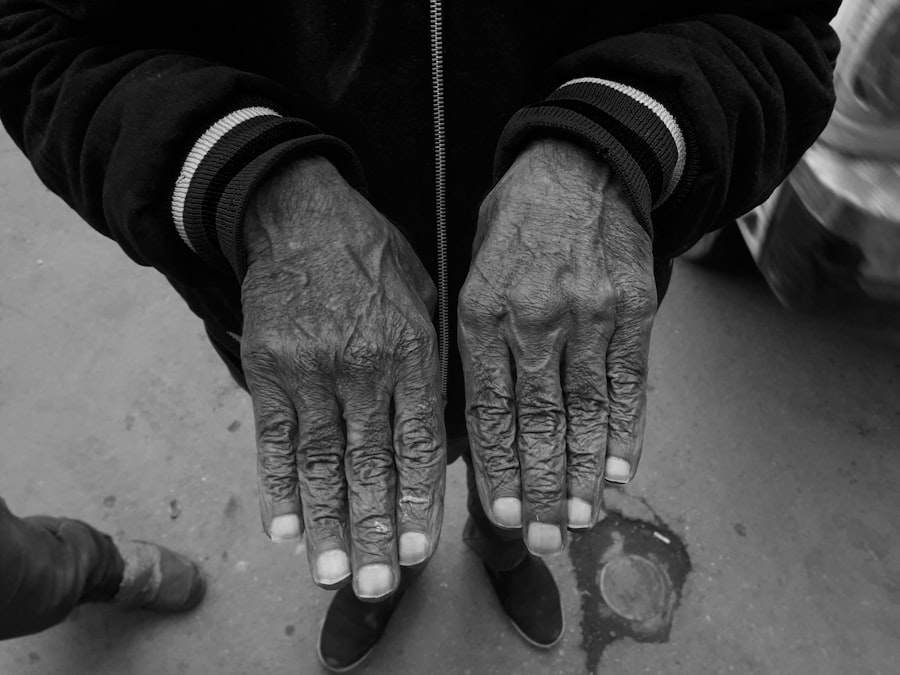
Adversity, while painful, often acts as a crucible, forging new strengths and catalyzing profound personal transformation. Survivors frequently emerge from their trials with a renewed perspective, a deeper appreciation for life, and a redefined sense of purpose.
Post-Traumatic Growth: Beyond Recovery
While the concept of Post-Traumatic Stress Disorder (PTSD) is widely recognized, its counterpart, Post-Traumatic Growth (PTG), highlights the potential for positive psychological change following traumatic experiences. This growth is not a denial of suffering but an alongside development where new strengths emerge.
- Appreciation of Life: Survivors often report a heightened appreciation for life’s simple pleasures, a deeper gratitude for their existence, and a recalibrated sense of priorities. The fragility of life, once a latent understanding, becomes a visceral truth.
- Stronger Relationships: Sharing traumatic experiences can deepen existing relationships and foster new, profound connections. There is often an increased empathy for others’ suffering and a desire to connect on a more authentic level. The shared burden often solidifies emotional bonds.
- New Possibilities and Purpose: Adversity can force individuals to re-evaluate their life paths, leading to the discovery of new interests, career directions, or a renewed sense of purpose. Many survivors are motivated to help others who have faced similar challenges, transforming their personal pain into a vehicle for positive impact. This is akin to finding a new, stronger compass after weathering a turbulent storm, pointing towards a previously unseen horizon.
- Increased Personal Strength: Having overcome significant challenges, survivors often develop an unshakeable belief in their own resilience and capabilities. They recognize their intrinsic strength, having navigated experiences they once believed were insurmountable. This newfound strength is not merely an absence of weakness but a positive characteristic honed through trials.
- Spiritual and Existential Growth: For many, enduring adversity prompts a deeper exploration of their spiritual beliefs, values, and the meaning of life. This can lead to a more profound understanding of their place in the world and a greater sense of peace. It’s akin to plumbing the depths of one’s inner ocean, discovering hidden currents and previously uncharted landscapes of the self.
The Legacy of Survival: Inspiring and Empowering Others
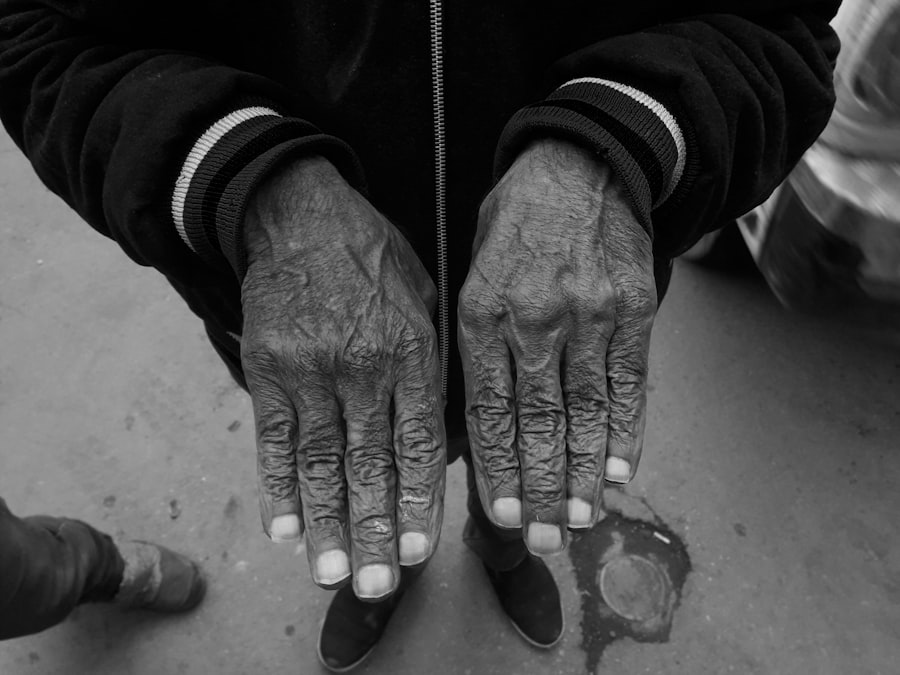
Survivor stories are not merely personal narratives; they are powerful testaments to the human spirit’s capacity for endurance and transformation. They serve as beacons of hope, offering inspiration and practical insights to those currently navigating their own adversities.
Shared Experiences and Empathy
When a survivor shares their story, they create a bridge of understanding for others who may feel isolated in their suffering. This act of vulnerability fosters empathy, normalizing difficult emotions and validating the experiences of others. It tells the listener, “You are not alone in this struggle.”
Practical Guidance and Coping Strategies
Many survivors, having developed effective coping mechanisms and strategies, actively share their wisdom with others. This practical guidance can range from advice on navigating healthcare systems to techniques for managing anxiety or finding meaning in everyday life. Their journey offers a blueprint, albeit a personal one, for navigating challenging terrain.
Advocacy and Social Change
A significant number of survivors transform their personal experiences into a platform for advocacy. They become powerful voices for social change, raising awareness about specific adversities, fighting for improved support systems, and challenging systemic injustices. Their lived experience lends undeniable authority and passion to their arguments, becoming catalysts for positive societal evolution. They are the architects of a better future, meticulously laying brick by brick.
Survivor Stories often highlight the resilience and strength of individuals who have faced tremendous challenges, and if you’re interested in exploring more about personal journeys of overcoming adversity, you might find this article insightful. It delves into various experiences that showcase the human spirit’s ability to triumph against the odds. For further reading, check out this related article that offers additional perspectives on survival and recovery.
Conclusion: The Enduring Power of the Human Spirit
| Story Title | Survivor Name | Event Type | Year | Location | Outcome | Key Message |
|---|---|---|---|---|---|---|
| Against All Odds | Maria Johnson | Natural Disaster (Hurricane) | 2017 | Florida, USA | Rescued and Rebuilt | Hope and resilience in the face of devastation |
| From Darkness to Light | Ahmed Khan | War and Displacement | 2015 | Syria | Resettled in Europe | Strength through community support |
| Breaking Free | Lisa Chen | Domestic Violence | 2019 | California, USA | Legal protection and counseling | Empowerment and self-worth |
| Surviving the Storm | John O’Connor | Car Accident | 2020 | New York, USA | Full recovery | Importance of medical care and family support |
| Hope After the Fire | Sophia Martinez | House Fire | 2018 | Texas, USA | Rebuilt home and life | Community aid and perseverance |
The landscape of human experience is perpetually reshaped by adversity. However, within this challenging terrain, the concept of the “survivor” stands as a testament to the enduring power of the human spirit. These individuals, through their navigation of immense physical, psychological, and systemic obstacles, demonstrate a profound capacity for resilience, growth, and transformation. Their stories are not mere accounts of suffering but vibrant narratives of discovery—the discovery of inner strength, the forging of deeper connections, and the emergence of a renewed sense of purpose. By understanding the diverse forms of adversity, recognizing the myriad pathways to resilience, and appreciating the transformative power of post-traumatic growth, one can truly grasp the profound and inspiring legacy of those who have not only endured but have truly overcome. Their journeys serve as a constant reminder that even in the darkest valleys, the human spirit possesses an indomitable light, capable of piercing through the shadows and illuminating the path forward.
FAQs
What are survivor stories?
Survivor stories are personal accounts shared by individuals who have endured and overcome significant challenges, such as illness, trauma, natural disasters, or other life-threatening situations. These stories often highlight resilience, recovery, and hope.
Why are survivor stories important?
Survivor stories provide inspiration and encouragement to others facing similar difficulties. They raise awareness about specific issues, promote understanding, and can offer valuable insights into coping strategies and support systems.
Where can I find survivor stories?
Survivor stories can be found in books, documentaries, online blogs, support group websites, and social media platforms. Many organizations dedicated to specific causes also share survivor testimonials on their websites.
How can sharing survivor stories help others?
Sharing survivor stories can reduce feelings of isolation, foster community support, and motivate others to seek help or take action. They also contribute to advocacy efforts by highlighting the real-life impact of various challenges.
Are survivor stories always positive?
While survivor stories often focus on overcoming adversity, they can include a range of emotions and experiences, including struggles and setbacks. The goal is to present an honest and authentic perspective that acknowledges both difficulties and triumphs.