The morning of September 11, 2001, began like any other for most Americans, but a sequence of coordinated terrorist attacks would soon shatter that normalcy, igniting a profound and multifaceted military response. You might recall the chilling images, the disbelief, and the sudden urgency that gripped the nation. The ensuing days, weeks, and months were a testament to the preparedness, adaptability, and sheer will of the United States military. Understanding the procedures and protocols that guided this response offers a crucial insight into how a nation, under siege, orchestrates its defense.
The immediate hours following the initial impact were a blur of action and assessment. The military, like any complex organism, relies on a sophisticated nervous system to detect threats and initiate corrective measures. This system, in the case of 9/11, was both tested and proven effective, albeit with lessons learned.
NORAD’s Role in Air Traffic Monitoring
Your first line of defense in the skies, the North American Aerospace Defense Command (NORAD), operates as the nation’s vigilant sentinel. Its primary mission is to detect and track all airborne objects within its jurisdiction and to protect North American airspace. On 9/11, this system, designed for Cold War-era threats and rogue aircraft, was confronted with an unprecedented enemy.
Early Warning Systems and Radar Coverage
NORAD’s sprawling network of radar sites, ground-based and airborne early warning systems, forms the bedrock of its situational awareness. These systems are designed to identify any deviation from established flight paths and to differentiate between civilian air traffic and potential threats. The speed at which these systems can process data is critical; a matter of seconds can dictate the difference between a successful interception and a tragedy.
Identification Friend or Foe (IFF) and Transponders
A crucial element in air traffic control is the Identification Friend or Foe (IFF) system and aircraft transponders. These technologies allow air traffic controllers and military radar operators to distinguish between friendly aircraft and unknown or hostile contacts. When hijacked planes had their transponders turned off or squawking false codes, it plunged the system into a state of heightened alert, like a sensitive instrument suddenly detecting an anomaly it cannot classify.
Communication Channels and Command Structures
The effectiveness of any military response hinges on clear and efficient communication. On 9/11, the established channels were immediately put to the test, revealing both their strengths and areas for improvement.
Command and Control (C2) Centers
From the Cheyenne Mountain Complex to sector air defense operations centers, C2 facilities are the brains of NORAD. These are the hardened nerve centers where information is aggregated, analyzed, and where critical decisions are made. The ability of these centers to maintain operational integrity under immense pressure was paramount.
Inter-Agency Coordination
The events of 9/11 necessitated an unprecedented level of coordination between military branches and civilian agencies, most notably the Federal Aviation Administration (FAA). Establishing this synergy, especially in the chaotic initial moments, was a complex undertaking.
In the wake of the 9/11 attacks, military procedures underwent significant changes to enhance national security and response strategies. A related article that delves into these transformations and their implications can be found at this link. This article explores how the military adapted its protocols to address emerging threats and the ongoing impact of these changes on defense operations.
Mobilizing Air Defense Assets
Once the nature of the threat became terrifyingly clear, the military’s air defense assets were rapidly mobilized. This wasn’t a gradual build-up; it was an immediate, high-stakes scramble to intercept and neutralize the airborne threats.
Scrambling Fighter Jets
The adrenaline-fueled command to “scramble” fighter jets is one of the most dramatic actions an air defense system can undertake. On 9/11, this command was issued repeatedly, sending F-15s and F-16s streaking across the skies in a desperate race against time.
Interceptor Squadrons and Readiness Levels
Interceptor squadrons, like those stationed at bases such as Langley Air Force Base and Andrews Air Force Base, maintain varying degrees of readiness. On that day, these units were elevated to their highest alert status, transforming from peacetime readiness to wartime urgency in a matter of minutes. The pilots, often just moments away from routine training, were thrust into a role of national defense.
Rules of Engagement (ROE) and Target Prioritization
The Rules of Engagement (ROE) are the critical directive that governs when and how military force can be used. On 9/11, these rules were a subject of intense discussion and rapid evolution. The agonizing dilemma of how to engage a civilian airliner, potentially carrying innocent passengers, as a weapon, presented a moral and operational challenge of the highest order. Prioritizing targets, in this context, meant making life-and-death decisions with incomplete information.
Grounding Civilian Air Traffic
In a decisive move to prevent further attacks, the FAA, in coordination with NORAD, ordered the grounding of all civilian aircraft across the United States. This was a measure of unparalleled scope, locking down the nation’s skies and effectively taking the planes out of play as potential weapons.
National Airspace System Shutdown
The shutdown of the National Airspace System was a drastic but necessary step. Imagine the entire intricate web of air travel, usually a constant hum of activity, brought to a sudden, deafening silence. This action created a vacuum, but it also removed a significant avenue for further attacks.
Joint Operations with FAA
The collaborative effort between the military and the FAA was a cornerstone of the immediate response. This partnership, typically focused on routine air traffic management, was amplified to address an existential threat.
Establishing Air Superiority and Airborne Patrols
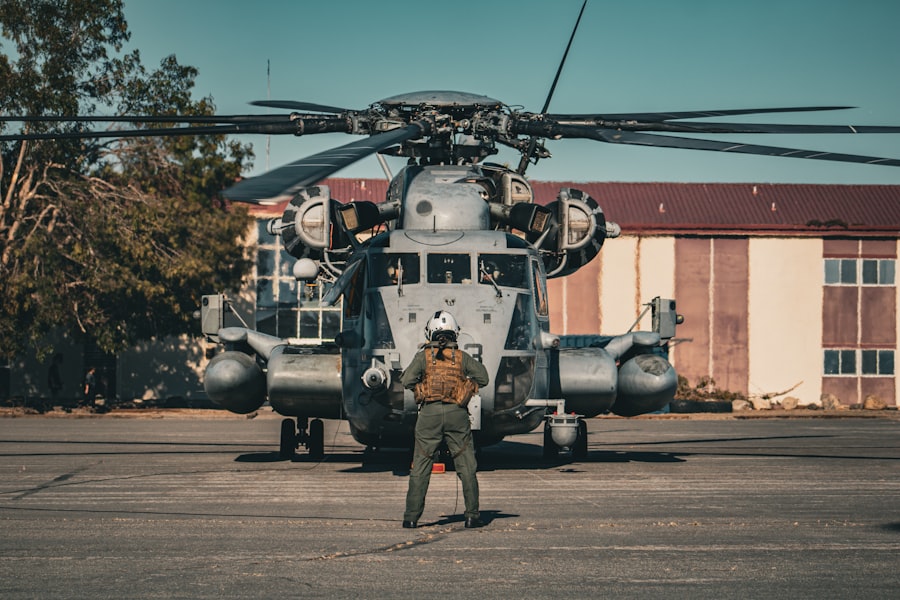
With civilian air traffic grounded, the focus shifted to establishing air superiority and maintaining continuous airborne patrols to detect and deter any further aerial threats. This was about asserting control over the skies, a critical component of regaining national security.
Maintaining Combat Air Patrols (CAPs)
Combat Air Patrols (CAPs) are a standard military practice, designed to provide continuous airborne surveillance and interdiction capabilities. On 9/11, these patrols were intensified and strategically deployed over key cities and critical infrastructure.
Fighter Wings and Their Deployment Zones
Various fighter wings were tasked with specific deployment zones. These units, with their swift jets and experienced pilots, became the airborne guardians of the nation, a constant vigil against any lingering shadows in the sky.
Early Warning Aircraft (AWACS) and Their Crucial Role
The iconic Airborne Warning and Control System (AWACS) aircraft, with their distinctive rotating radar domes, played an indispensable role. These flying command centers provided a comprehensive view of the airspace, extending the reach of ground-based radar and enabling more effective coordination of fighter assets. They were, in essence, the eyes and ears of the air defense effort, providing a real-time, panoramic perspective.
Responding to Unidentified Airspace Incursions
The protocol for handling unidentified airspace incursions, a standard procedure, was elevated to a critical wartime operation. Every blip on the radar, every anomaly, demanded immediate attention and a swift, decisive response.
Interception Procedures and Warnings
The established procedures for intercepting unknown aircraft involve a series of escalating warnings, both visual and radio. The goal is to identify the aircraft and guide it to safety if possible. On 9/11, these procedures were executed at high speed, with the stakes incredibly high.
The Use of Force Decision-Making Process
The agonizing decision to use force against an aircraft is governed by stringent protocols. When that aircraft is suspected of being a hijacked weapon, the decision-making process becomes even more complex, involving the highest levels of command and a grave contemplation of the potential collateral impact.
Ground Response and Special Operations
While the skies were being secured, the military was also preparing and executing a comprehensive ground response, involving ground forces, special operations units, and a robust logistical network. The threat was not solely aerial; it had infiltrated the nation’s soil.
Deploying Ground Troops and National Guard Units
The deployment of ground troops and the activation of National Guard units across the country were critical to maintaining order, providing security, and supporting emergency response efforts. These units became the anchors on the ground, reinforcing the nation’s resolve.
Reserve Component Mobilization
The mobilization of the Reserve components, including the Army Reserve and the Air Force Reserve, was essential to supplementing active-duty forces and filling critical support roles. This demonstrated the interconnectedness of the total force.
Security Enhancements at Critical Facilities
Security measures were immediately enhanced at military bases, government buildings, and other critical infrastructure. This was a proactive step to prevent further attacks and to protect vital national assets.
Special Operations Forces (SOF) Deployment
Special Operations Forces (SOF), with their specialized training and unique capabilities, were rapidly deployed to various locations. Their mission was manifold, ranging from potential counter-terrorism operations to securing critical sites.
Counter-Terrorism Units and Their Mandate
Counter-terrorism units were placed on high alert, prepared to respond to any emerging threats on the homeland. Their mandate was to disrupt and neutralize terrorist threats with precision and speed.
Intelligence Gathering and Analysis
The intelligence apparatus worked overtime, analyzing incoming information, identifying potential perpetrators, and assessing further threats. This was a constant, behind-the-scenes battle to stay ahead of a determined enemy.
In the aftermath of the 9/11 attacks, military procedures underwent significant changes to enhance national security and preparedness. A comprehensive understanding of these transformations can be found in a related article that delves into the evolution of military protocols in response to such unprecedented events. For more insights on this topic, you can read the article here. These adjustments not only impacted military operations but also reshaped the broader landscape of domestic security measures.
Long-Term Strategic Shifts and Preparedness Enhancements
| Metric | Details |
|---|---|
| Time of First Military Response | Approximately 8:46 AM (when the first plane hit) |
| Time NORAD Notified | Approximately 8:37 AM (initial notification of hijacking) |
| Number of Fighter Jets Scrambled | Approximately 52 jets nationwide |
| Primary Bases Involved | Otis Air National Guard Base, Langley AFB, Andrews AFB |
| Rules of Engagement | Authorization to shoot down hijacked aircraft given after 9:30 AM |
| Communication Issues | Delayed and fragmented communication between FAA and NORAD |
| Military Procedure Changes Post-9/11 | Implementation of Homeland Security protocols and improved inter-agency communication |
The events of 9/11 were not a fleeting crisis; they fundamentally altered the landscape of national security and defense strategy. The military’s response was not just immediate; it was also a catalyst for long-term adaptation and enhancement.
Rethinking Force Protection and Homeland Security
The attacks exposed vulnerabilities in homeland security and force protection that had previously been underestimated. This led to a significant reevaluation of strategies and investments in these areas.
Increased Funding and Technological Advancements
There was a substantial increase in funding allocated to defense and intelligence agencies, driving advancements in surveillance, cybersecurity, and counter-terrorism technologies. The military became a crucible for innovation.
Interagency Collaboration and Information Sharing
The critical need for seamless interagency collaboration and information sharing was highlighted. Efforts were made to break down traditional silos and create a more integrated national security framework.
Adapting to Asymmetric Warfare
9/11 marked a definitive shift towards confronting asymmetric warfare, where adversaries employ unconventional tactics against more powerful, conventional forces. The military had to learn to fight an enemy that sought to exploit vulnerabilities rather than engage in direct confrontation.
The War on Terror and its Global Implications
The subsequent “War on Terror” became a defining aspect of U.S. foreign and military policy for decades. This involved prolonged military engagements in Afghanistan and Iraq, as well as a global effort to disrupt terrorist networks.
The Evolving Threat Landscape
The threat landscape has continued to evolve, with new challenges emerging from state actors and non-state actors alike. The military’s preparedness must remain a dynamic process, constantly adapting to the shifting sands of global security.
The September 11th attacks were a crucible, forging a new understanding of national security and the multifaceted role of the military. The procedures and protocols that guided that initial response, while tested to their limits, ultimately demonstrated the resilience and adaptability of the United States armed forces. You now possess a clearer picture of the intricate machinery that swung into action, a machinery forever changed by that indelible day. Understanding these protocols is not just an academic exercise; it is a vital component of appreciating the immense efforts undertaken to safeguard the nation.
FAQs
What military procedures were activated immediately after the 9/11 attacks?
Following the 9/11 attacks, the U.S. military activated Operation Noble Eagle, which included increased air defense measures, scrambling fighter jets to patrol U.S. airspace, and implementing heightened security protocols at military installations.
How did the North American Aerospace Defense Command (NORAD) respond on 9/11?
NORAD responded by scrambling fighter jets to intercept hijacked aircraft, although communication and coordination challenges limited their ability to prevent the attacks. After 9/11, NORAD revised its procedures to improve rapid response and airspace security.
What changes were made to military air defense procedures after 9/11?
Post-9/11, the military enhanced air defense by establishing continuous combat air patrols over major cities, improving radar and communication systems, and creating protocols for faster identification and interception of suspicious aircraft.
Did the military have protocols for dealing with hijacked planes before 9/11?
Before 9/11, military protocols for hijacked planes primarily focused on negotiation and escorting aircraft to safe landings. The concept of shooting down a civilian aircraft was highly restricted and not clearly defined, leading to procedural gaps revealed by the attacks.
How did 9/11 impact military coordination with civilian agencies?
The attacks highlighted the need for better coordination between the military and civilian agencies such as the FAA and FBI. This led to improved communication channels, joint command centers, and integrated response plans to handle future air threats more effectively.