
Propaganda, a potent tool in the arsenal of persuasion, has been employed throughout history to shape public opinion, mobilize populations, and legitimize the actions of individuals, groups, and states. Understanding its mechanisms and impact is crucial for navigating the complex information landscape of the modern world. This article aims to unveil the power of propaganda, dissecting its core principles, historical manifestations, psychological underpinnings, contemporary forms, and the critical importance of media literacy in its face.
Propaganda, at its core, is the deliberate and systematic attempt to shape perceptions, manipulate cognitions, and direct behavior to achieve a response that furthers the originator’s intent. It is not merely the dissemination of information; rather, it is information filtered, framed, and presented with a specific agenda. When engaging with propaganda, one must recognize that it is often a master craftsman, carefully selecting its materials and painstakingly shaping them to create a desired illusion.
The Distinction Between Propaganda and Other Forms of Communication
While propaganda shares some territory with education and public relations, its fundamental difference lies in its intent and methodology. Education aims to foster understanding and critical thinking, presenting multiple perspectives and allowing the learner to form their own conclusions. Public relations, while often a marketing tool, typically focuses on building goodwill and managing an organization’s image, usually within a broader ethical framework. Propaganda, conversely, prioritizes the outcome over objective truth, often employing selective truths, distortions, and outright falsehoods to achieve its objective. It is less about illuminating the path and more about nudging the traveler towards a predetermined destination, sometimes at the expense of their own sense of direction.
Key Characteristics of Propaganda
- Intentionality: Propaganda is never accidental. It is a deliberate act of communication designed to influence.
- Systematic Approach: Propaganda is often part of a larger, organized effort, with messages tailored and disseminated through various channels to create a pervasive effect.
- Target Audience Focus: Effective propaganda is keenly aware of its intended audience, tailoring messages to their existing beliefs, values, fears, and aspirations.
- Emotional Appeal: While logic may be present, propaganda heavily relies on emotional appeals, tapping into sentiments like fear, anger, patriotism, hope, or belonging.
- Simplification and Polarization: Complex issues are often reduced to simplistic slogans or binary choices (us vs. them), making them easier to digest and more emotionally resonant.
Propaganda plays a crucial role in shaping public opinion and influencing societal norms, and understanding its mechanisms can provide valuable insights into contemporary media. For a deeper exploration of this topic, you can read a related article that discusses various techniques used in propaganda and their impact on communication. Check it out here: Understanding Propaganda Techniques.
Historical Roots and Evolution of Propaganda
The art and science of propaganda have roots stretching back into antiquity, though the term itself gained prominence during the 20th century. Throughout history, leaders and movements have recognized the power of widespread communication to sway the populace.
Ancient Precursors to Propaganda
Even before the technological means for mass dissemination existed, leaders understood the power of narrative and symbols.
Religious and Political Sermons
Throughout history, religious and political leaders have used sermons and public addresses to instill beliefs, enforce obedience, and mobilize support. These often employed powerful storytelling and appeals to higher authorities, functioning as early forms of centralized messaging to shape public consciousness.
Monumental Architecture and Public Art
The construction of grand temples, statues, and public monuments served not only practical purposes but also as visual manifestations of power, ideology, and shared identity. These served as constant reminders of the ruling order and its values, subtly imprinting them on the public consciousness.
The Dawn of Mass Propaganda: The Printing Press and Beyond
The invention of the printing press marked a significant turning point, enabling the mass production and circulation of texts, which could then be used to spread ideas and influence public opinion on an unprecedented scale.
The Reformation and Religious Tracts
Religious reformers extensively used pamphlets and tracts to disseminate their theological arguments and critique established religious authorities. This marked an early instance of large-scale, text-based persuasion aimed at fracturing existing belief systems and fostering new ones.
Revolutionary Movements and Political Pamphleteering
From the French Revolution to the American Revolution, political pamphleteers became influential voices, distributing manifestos, rallying cries, and critiques of existing regimes. These often employed passionate language and vivid imagery to galvanize support for revolutionary causes.
20th Century: The Golden Age of Propaganda
The 20th century witnessed the rise of propaganda as a sophisticated and pervasive force, propelled by advancements in technology and a deeper understanding of mass psychology.
World War I: The Birth of Modern Propaganda Machines
The scale of World War I necessitated unprecedented levels of public support and sacrifice. Nations established sophisticated propaganda ministries to demonize the enemy, promote patriotic fervor, and justify the war effort. Posters, films, and newsreels became powerful weapons in this new form of psychological warfare.
The Rise of Totalitarian Regimes and Ideological Indoctrination
Totalitarian regimes in the 20th century, such as Nazi Germany and the Soviet Union, perfected the use of propaganda for complete ideological indoctrination. They controlled all channels of information, using relentless repetition, cults of personality, and the demonization of perceived enemies to maintain absolute power and shape the minds of their citizens from birth.
The Cold War and the Battle for Hearts and Minds
The ideological struggle between the United States and the Soviet Union during the Cold War was as much a battle of ideas and influence as it was a geopolitical standoff. Both sides engaged in extensive propaganda efforts, utilizing radio broadcasts, cultural exchanges, and covert operations to win allies and undermine the opponent’s ideology.
The Psychology Behind Propaganda: Exploiting Human Nature

Propaganda’s effectiveness hinges on its ability to tap into fundamental human psychological tendencies. It often acts like a skilled locksmith, picking at the tumblers of our deepest desires, fears, and biases to gain access and manipulate our thoughts and actions.
Cognitive Biases: The Scaffolding of Persuasion
Human beings are prone to a range of cognitive biases that propaganda skillfully exploits, often without conscious awareness.
Confirmation Bias
Individuals tend to favor information that confirms their existing beliefs and disregard information that contradicts them. Propaganda feeds this bias by presenting information that aligns with pre-existing prejudices or desires, making it more readily accepted.
Bandwagon Effect (Groupthink)
The tendency to do or believe things because many other people do or believe the same. Propaganda often creates an illusion of widespread consensus or popular support, encouraging individuals to conform to the perceived majority.
Availability Heuristic
People tend to overestimate the likelihood of events that are more easily recalled or vivid in memory. Propaganda often uses emotionally charged stories, powerful imagery, or memorable slogans to make certain ideas or fears more salient and thus more believed.
Emotional Appeals: The Heart of the Matter
Propaganda frequently bypasses rational thought by directly appealing to emotions, which are often more powerful motivators of behavior.
Fear and Anxiety
The evocation of fear is a particularly potent propaganda tactic. By creating or exaggerating threats, propaganda can drive people to seek protection, demand action, or accept authoritarian measures, often overlooking logical inconsistencies.
Hope and Aspiration
Conversely, propaganda can also tap into hopes and aspirations, offering promises of a better future, prosperity, or national greatness. This can be a powerful tool for mobilization and allegiance.
Anger and Outrage
Propaganda can incite anger and outrage by identifying scapegoats or highlighting perceived injustices. This emotional fury can overwhelm critical thinking and lead to impulsive actions or support for aggressive policies.
Social Influence and Conformity
Humans are inherently social creatures, and the desire to belong and be accepted plays a significant role in shaping our beliefs and behaviors.
Authority and Credibility
Messages delivered by perceived authorities or credible sources are more likely to be accepted, even if the content is questionable. Propaganda often leverages symbols of authority or creates ersatz experts to lend weight to its claims.
Social Proof and Peer Influence
Individuals are influenced by the actions and opinions of those around them. Propaganda can create an impression of widespread support and normalize certain behaviors or beliefs, making them appear more acceptable and desirable.
Contemporary Forms and Channels of Propaganda
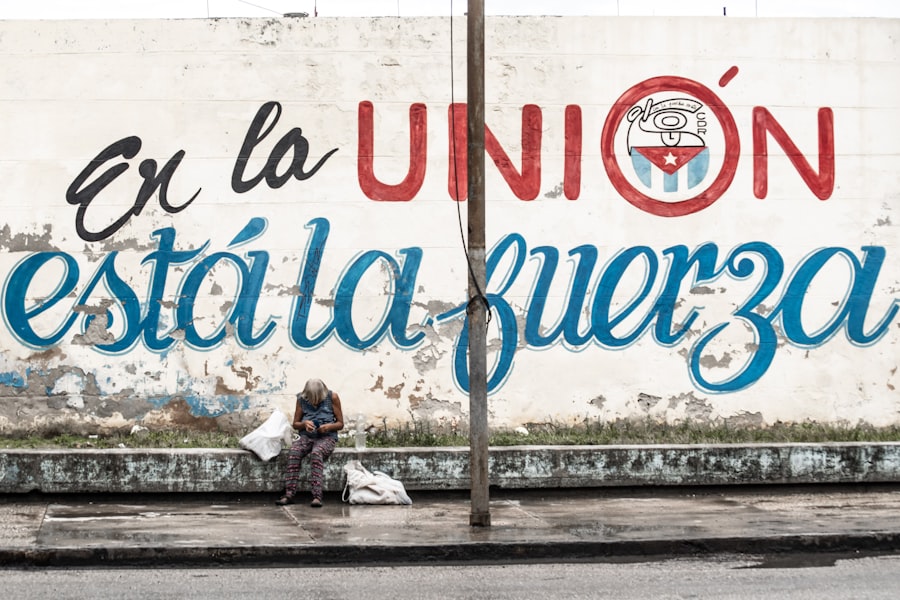
In the digital age, propaganda has evolved significantly, leveraging new technologies and platforms to reach audiences with unprecedented speed and reach. The internet, a vast ocean of information, can also become a breeding ground for propaganda, where the currents of misinformation can sweep individuals off course.
Digital Propaganda: The New Frontier
The internet and social media have revolutionized the landscape of propaganda.
Social Media Campaigns and Algorithmic Amplification
Social media platforms, with their algorithms designed to maximize engagement, can inadvertently amplify propaganda. Emotionally charged or sensational content, which often characterizes propaganda, is more likely to be shared and seen, creating echo chambers and filter bubbles.
Disinformation and Fake News
The deliberate creation and dissemination of false or misleading information – dis-information – has become a hallmark of modern propaganda. “Fake news” websites and coordinated bot networks can spread fabricated stories at scale, blurring the lines between reality and fiction.
Astroturfing and Inauthentic Influence Operations
Astroturfing involves creating the illusion of spontaneous grassroots support for a particular cause or product, when in reality it is orchestrated by well-funded organizations. Inauthentic influence operations, often state-sponsored, use fake accounts and bots to manipulate online discourse and spread particular narratives.
Traditional Media in the Digital Age
While digital platforms have gained prominence, traditional media still play a role in disseminating propaganda, often in conjunction with digital efforts.
State-Controlled Media and Overt Propaganda
In many countries, state-controlled media outlets serve as direct conduits for government propaganda, presenting a singular, often uncritical, narrative to the public. These outlets act as megaphones for the ruling ideology.
Subtle Messaging in Mainstream News
Even in democracies, subtle forms of propaganda can manifest in mainstream media through biased framing, selective reporting, or the prioritization of certain narratives over others. This can occur due to corporate ownership, political pressure, or the inherent limitations of journalistic practices.
The Visual and Sensory Landscape
The persuasive power of imagery and sound is amplified in the digital realm.
Deepfakes and Manipulated Media
The advent of technologies like deepfakes allows for the creation of highly realistic but fabricated videos and audio, which can be used to discredit individuals, spread falsehoods, and sow discord.
Viral Memes and Short-Form Content
Meme culture and short-form video platforms can be highly effective for disseminating propaganda. Slogans, imagery, and narratives condensed into easily digestible and shareable formats can quickly go viral, bypassing critical analysis.
Propaganda plays a crucial role in shaping public opinion and influencing societal norms, and understanding its mechanisms can provide valuable insights into contemporary issues. For a deeper exploration of this topic, you might find it interesting to read an article that delves into the historical context and evolution of propaganda techniques. This article offers a comprehensive overview and can be accessed through this link. By examining past and present examples, readers can better appreciate the impact of propaganda on our daily lives.
Recognizing and Counteracting Propaganda: The Imperative of Media Literacy
| Metric | Description | Example | Impact |
|---|---|---|---|
| Reach | Number of people exposed to propaganda messages | 10 million viewers of a televised political ad | Higher reach increases influence potential |
| Frequency | Number of times the propaganda message is repeated | 5 repetitions of a slogan in a campaign | Repetition reinforces message retention |
| Emotional Appeal | Degree to which propaganda evokes emotions | Use of fear in anti-immigration posters | Strong emotions can drive behavior and attitudes |
| Message Clarity | How clear and understandable the propaganda message is | Simple slogans like “Make Country Great” | Clear messages are easier to remember and spread |
| Source Credibility | Perceived trustworthiness of the propaganda source | Government-issued statements vs. anonymous posts | Higher credibility increases acceptance |
| Medium | Channels used to disseminate propaganda | Social media, TV, newspapers, posters | Choice of medium affects audience targeting |
| Audience Targeting | Specific demographic or group targeted | Youth voters, ethnic groups, or professionals | Targeted messages are more effective |
| Persuasion Success Rate | Percentage of audience influenced by propaganda | 30% of viewers changed opinion after campaign | Measures effectiveness of propaganda |
In an era saturated with information, the ability to discern truth from falsehood and propaganda from genuine communication is paramount. Media literacy acts as a shield, protecting individuals from the insidious influence of manipulation.
Developing Critical Thinking Skills
Cultivating a healthy skepticism and the ability to analyze information objectively are fundamental to resisting propaganda.
Source Evaluation
Learning to question the source of information is a critical first step. This involves examining the author, publication, and potential biases or agendas behind the message. Is the source reputable? Does it have a vested interest in promoting a particular viewpoint?
Fact-Checking and Verification
Utilizing fact-checking websites and cross-referencing information with multiple reliable sources are essential practices. When encountering a claim, do not take it at face value; seek corroboration from diverse and credible outlets.
Identifying Logical Fallacies and Emotional Appeals
Understanding common logical fallacies and recognizing when emotional appeals are being used to bypass rational thought are crucial skills. Propaganda often relies on fallacious reasoning and exaggerated emotional manipulation.
Understanding Propaganda Techniques
Familiarity with common propaganda techniques empowers individuals to identify them when encountered.
The “Glittering Generalities” Technique
Using vague, emotionally appealing words like “freedom,” “justice,” or “progress” without defining them, to associate a concept or person with positive values.
The “Card Stacking” Technique
Presenting only the information that favors a particular viewpoint while omitting or downplaying contradictory evidence. This creates a lopsided and misleading picture.
The “Plain Folks” Technique
Presenting oneself or one’s ideas as being “of the people,” using common language and relatable imagery to gain trust and support.
Cultivating a Diverse Information Diet
Consuming information from a variety of sources and perspectives helps to break down echo chambers and expose oneself to a more balanced and nuanced understanding of issues.
Seeking Out Reputable Journalism
Prioritizing news sources that adhere to journalistic ethics, practice rigorous fact-checking, and strive for objectivity is vital. This does not mean avoiding opinion pieces, but rather consuming them with an awareness of their subjective nature.
Engaging with Different Viewpoints (Constructively)
While it can be challenging, actively seeking to understand perspectives that differ from one’s own, through respectful dialogue and engagement with well-reasoned arguments, can broaden one’s understanding and inoculate against partisan propaganda.
The Ethical Responsibilities of Communicators and Audiences
The power of propaganda carries with it significant ethical implications for both those who create and disseminate it, and those who consume it. The responsibility to uphold truth and foster informed discourse rests on both sides of the equation.
The Duty of Truthful Communication
Individuals and organizations involved in public communication have an ethical obligation to be truthful and transparent. Misleading the public, even with good intentions, can have detrimental consequences.
Transparency in Funding and Affiliation
Understanding who is funding a message is crucial for evaluating its potential biases. Transparency about organizational affiliations and funding sources allows audiences to make more informed judgments.
Avoiding Intentional Deception
The deliberate creation or dissemination of false information for manipulative purposes is an ethical breach that undermines public trust and democratic processes.
The Empowered Audience: Active Citizenship in the Information Age
An informed and critical citizenry is the most potent defense against propaganda. This requires not just passive reception of information, but active engagement and vigilance.
Challenging Misinformation
When encountered, actively challenging misinformation, whether through respectful correction or by refusing to amplify it, contributes to a healthier information ecosystem.
Supporting Independent Media and Research
Investing in and supporting independent journalism, academic research, and organizations dedicated to media literacy helps to ensure the availability of reliable information and diverse perspectives.
The power of propaganda is undeniable, a force that has shaped human history and continues to influence our lives in profound ways. By understanding its mechanisms, recognizing its manifestations, and equipping ourselves with the tools of critical thinking and media literacy, we can navigate the currents of persuasion more effectively, safeguarding our autonomy and contributing to a more informed and engaged society. Being aware of propaganda is not about fostering cynicism, but about cultivating wisdom; it is about learning to distinguish the solid ground of demonstrable fact from the shifting sands of manipulation.
FAQs
What is propaganda?
Propaganda is information, especially biased or misleading, used to promote a particular political cause or point of view. It often aims to influence public opinion and behavior.
What are common techniques used in propaganda?
Common techniques include emotional appeals, repetition, bandwagon effect, name-calling, glittering generalities, and use of testimonials or endorsements.
How does propaganda differ from regular advertising?
While both aim to persuade, propaganda typically focuses on political or ideological messages and may use deceptive or manipulative tactics, whereas advertising primarily promotes commercial products or services.
What are some historical examples of propaganda?
Notable examples include wartime propaganda during World War I and II, Nazi propaganda under Joseph Goebbels, and Cold War-era messaging from both the United States and the Soviet Union.
How can individuals critically evaluate propaganda?
Individuals can critically evaluate propaganda by checking the source, identifying emotional manipulation, seeking multiple perspectives, verifying facts, and recognizing persuasive techniques used.