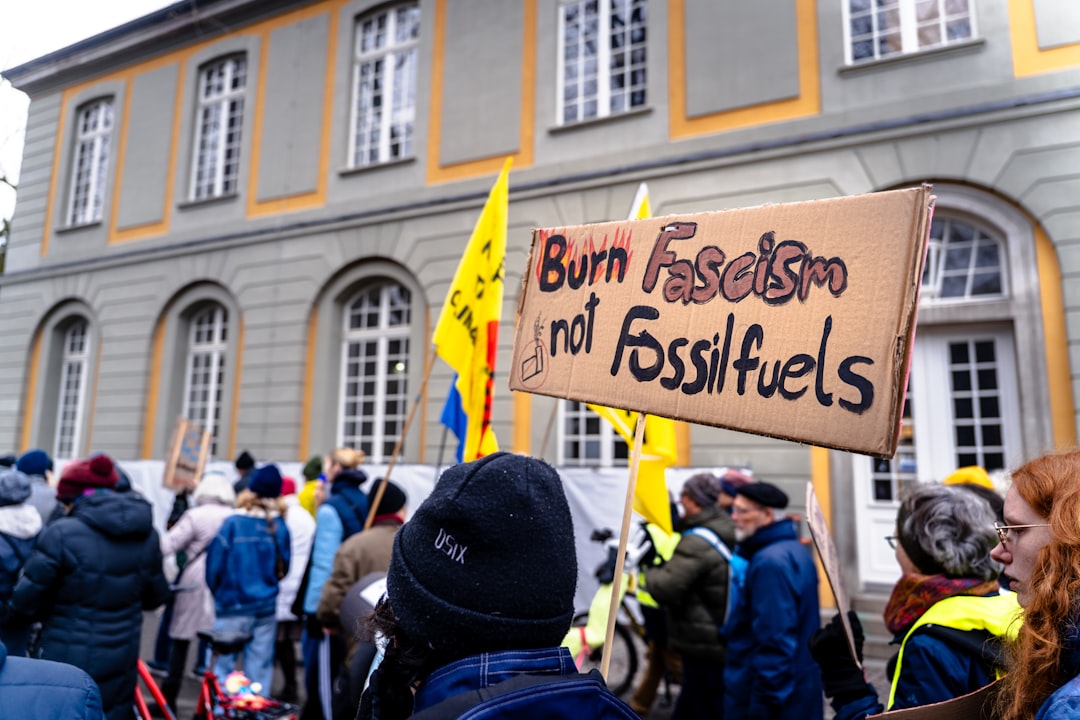
The twentieth century witnessed the devastating rise and fall of fascism, a brutal ideology that plunged the world into unprecedented conflict. Yet, in the early decades of the twenty-first century, disturbing echoes of that past are reverberating across the globe. What was once relegated to the dustbin of history, a dark chapter to be studied and warned against, appears to be re-emerging, not as a monolithic entity, but as a constellation of related impulses and movements that demand urgent attention. This is not merely an academic curiosity or a fearmongering prophecy; it is a tangible phenomenon with profound implications for democratic societies and international stability. To understand this resurgence, we must dissect its various manifestations, analyze its root causes, and acknowledge the collective responsibility to counter its insidious spread.
Historical Echoes and Modern Adaptations
Fascism, as a historical phenomenon, is characterized by a complex interplay of elements that, while evolving, retain their core resonance. The term itself, derived from the Italian word “fascio” meaning “bundle,” signifies unity and strength, often achieved through authoritarian means. While historical fascist regimes like those of Mussolini and Hitler offered a distinct template, contemporary movements often adopt a more hybridized approach, blending traditional fascist tenets with modern political discourse and technologies.
Core Tenets of Historical Fascism
- Authoritarian Nationalism: A fervent and often aggressive form of nationalism that prioritizes the state and the nation above all else, suppressing dissent and prioritizing a singular, unified national identity. This often involves a romanticized past and a vision of national rebirth.
- Militarism and Glorification of Violence: A deep-seated belief in the necessity of military strength and the use of aggression, both domestically and internationally, to achieve national goals. War and struggle are often portrayed as purifying and invigorating forces.
- Cult of the Leader: The elevation of a charismatic, all-powerful leader as the embodiment of the nation’s will and destiny. This figure is seen as infallible and beyond criticism, with absolute authority.
- Rejection of Liberal Democracy and Communism: Fascism positioned itself as a “third way,” vehemently opposing both the perceived decadence and individualism of liberal democracy and the internationalism and class struggle of communism.
- Emphasis on Social Hierarchy and Conformity: A rejection of egalitarian ideals, promoting a rigid social order where individuals are expected to subordinate their personal desires and identities to the collective good as defined by the state.
- Scapegoating and Othering: The systematic identification of internal or external enemies – often ethnic, religious, or political minorities – as threats to the nation, diverting blame for societal problems and fostering an “us vs. them” mentality.
Modern Adaptations and Nuances
While the foundational elements persist, contemporary expressions of fascism exhibit notable adaptations that make them more insidious and difficult to identify unequivocally. The internet and social media have become fertile ground for the propagation of these ideas, allowing for rapid dissemination and the formation of online communities that reinforce extremist ideologies.
- The Rise of “Illiberal Democracy” or “Authoritarian Populism”: Many contemporary movements do not explicitly label themselves as fascist but embody key characteristics. They often gain power through democratic processes, only to systematically erode democratic institutions from within. This involves undermining the judiciary, curtailing press freedoms, and questioning electoral integrity.
- Exploitation of Economic Anxiety and Social Dislocation: In times of economic instability, globalization’s perceived negative impacts, and rapid social change, fascist-adjacent ideologies can prey on widespread feelings of disenfranchisement, resentment, and a longing for a return to a perceived simpler, more ordered past.
- “Soft Fascism” and Cultural Warfare: This refers to the subtle infiltration of fascist-adjacent ideas into mainstream discourse and culture. It can manifest as the normalization of nativist rhetoric, the demonization of immigrants, or the promotion of a hyper-masculine, aggressive national identity. The focus shifts from overt parades and rallies to online propaganda, cultural gatekeeping, and the gradual erosion of empathy and tolerance.
- Weaponization of Identity Politics: While movements on the left also utilize identity politics, in the context of right-wing populism and fascism, it is often employed to construct a victimized majority identity against minority groups, fueling resentment and a desire for retribution.
- Technological Sophistication in Recruitment and Propaganda: Modern fascist movements skillfully leverage social media algorithms, meme culture, and sophisticated disinformation campaigns to recruit new members, radicalize individuals, and spread propaganda to a global audience, often under pseudonyms or through seemingly innocuous online groups.
The Shifting Landscape: Factors Fueling the Resurgence
The re-emergence of fascist-like ideologies is not an isolated phenomenon but is deeply intertwined with a confluence of global factors. These are the turbulent currents that, when combined, create an environment where such movements can take root and flourish. Understanding these underlying causes is crucial for developing effective countermeasures.
Economic Disparities and Globalization’s Discontents
For decades, globalization has promised prosperity but has also delivered significant economic disruption and increased inequality for many. The perception that elites have benefited while ordinary citizens have been left behind fuels resentment and a search for scapegoats.
- Deindustrialization and Job Losses: The decline of traditional manufacturing industries in Western nations, often attributed to global competition and outsourcing, has created pockets of economic despair and a sense of abandonment among working-class communities.
- Rising Income Inequality: The widening gap between the wealthiest and the rest of the population breeds disillusionment with existing economic systems and can be exploited by those who promise radical change and a redistribution of wealth (often framed as reclaiming what was “lost”).
- Perceived Threat of Immigration to Labor Markets: In some regions, immigrants are perceived as competing for jobs and driving down wages, a narrative that is frequently amplified by nationalist and populist movements to stoke xenophobia.
Political Polarization and Erosion of Trust
Contemporary political landscapes are increasingly fractured, characterized by deep ideological divides and a decline in trust towards established institutions, including governments, media, and scientific bodies. This fertile ground allows for the spread of conspiracy theories and the appeal of strongman leaders who promise simple solutions to complex problems.
- Decline in Trust in Mainstream Media: Sensationalism, perceived bias, and the proliferation of “fake news” have eroded public faith in traditional media outlets. This vacuum is often filled by partisan or extremist sources that present a skewed version of reality.
- Rise of Social Media Echo Chambers: Online platforms, designed to keep users engaged, often create “echo chambers” where individuals are primarily exposed to information and opinions that confirm their existing beliefs, reinforcing partisan divides and hindering constructive dialogue.
- Perceived Elite Disconnect: Many feel that political and economic elites are out of touch with the concerns of ordinary people, leading to a rejection of established political norms and a susceptibility to populist appeals.
Cultural and Social Anxieties
Rapid social and cultural shifts, including evolving gender roles, increased secularization, and greater diversity, can trigger anxieties in segments of the population who feel their traditional values and way of life are under threat.
- Backlash Against Social Progress: Advances in LGBTQ+ rights, feminist movements, and multiculturalism can be perceived by some as a destabilizing force that undermines established social orders, leading to a desire to return to a more homogenous and traditional society.
- Nostalgia for a “Golden Age”: Fascist-like movements often tap into a powerful nostalgia for a romanticized past, offering a vision of national greatness that is presented as threatened by modern societal changes and external influences.
- Fear of Cultural Dilution: Concerns about the erosion of national identity and cultural purity due to immigration and global cultural exchange can be exploited to foster a sense of nationalistic pride and a desire to preserve a perceived singular national heritage.
The Seduction of the Strongman: Authoritarian Appeals in a Fractured World
A common thread weaving through the resurgence of fascist-adjacent movements is the seductive appeal of authoritarian leadership. In times of perceived chaos and uncertainty, the promise of a decisive, strong leader who can cut through political gridlock and restore order holds a potent allure. This appeal often bypasses reasoned debate and capitalizes on emotional responses.
The Charismatic Leader as a National Savior
The figure of the strongman leader is central to fascist ideology, and its contemporary iterations are no different. These leaders are often portrayed as being outside the corrupt establishment, possessing an innate understanding of the “will of the people,” and capable of single-handedly fixing a broken nation.
- “Man of the People” Persona: Leaders often cultivate an image of being relatable, down-to-earth, and in touch with the struggles of the common citizen, contrasting themselves with perceived out-of-touch elites.
- Promises of Decisiveness and Action: In contrast to the perceived slow pace of democratic processes, strongman leaders promise swift, decisive action. This can be appealing to those who feel frustrated by political inaction or indecisiveness.
- Cult of Personality: Through skillful use of media and public appearances, these leaders foster a deep personal loyalty among their supporters, often overshadowing policy or ideology. Followers are encouraged to see the leader as embodying the nation’s destiny.
Undermining Democratic Norms and Institutions
The ascendance of authoritarian figures often goes hand-in-hand with a deliberate effort to weaken or dismantle the checks and balances that are fundamental to democratic governance. This is a gradual process, often disguised as necessary reforms.
- Attacks on the Judiciary: Judges and courts are often criticized as being politically motivated or obstructionist, with calls to limit their power or appoint judges who are loyal to the executive.
- Suppression of Press Freedom: Independent media is frequently demonized as “enemies of the people” or purveyors of “fake news,” leading to an erosion of public trust and the creation of state-controlled or overwhelmingly sympathetic media outlets.
- Disregard for the Rule of Law: Authoritarian leaders may bend or break existing laws when they prove inconvenient, prioritizing their own power and agenda over legal and constitutional frameworks.
The Appeal of Simplicity in a Complex World
Fascist-like ideologies often offer simple, albeit flawed, explanations for complex societal problems. They pit good against evil, the pure nation against corrupt outsiders, and present straightforward solutions that bypass nuance and difficult trade-offs.
- Dichotomous Thinking: The world is often presented in black and white terms: patriots versus traitors, the righteous nation versus its enemies, those who are “with us” versus those who are “against us.”
- Blame Shifting and Scapegoating: Rather than engaging in systemic analysis, problems are attributed to specific groups – immigrants, minorities, political opponents – who are then demonized and targeted.
- Nostalgic Promises of a Return to Order: The allure of a past era, often idealized and devoid of its actual complexities and injustices, is used to promise a return to a stable and ordered society, a stark contrast to the perceived chaos of the present.
The Global Reach: A Network of Influence
The resurgence of fascism is not confined to isolated incidents or specific countries. It is a global phenomenon, with interconnected networks of ideology, propaganda, and even financial support that transcend national borders. This global reach amplifies its threat and necessitates a coordinated international response.
Transnational Ideological Networks
Far-right and fascist-like movements are increasingly communicating and collaborating across borders, sharing tactics, ideologies, and even resources. The internet has been instrumental in facilitating these connections.
- Online Forums and Social Media Groups: Extremist ideologies find fertile ground in online communities where like-minded individuals can connect, reinforce their beliefs, and organize.
- International Conferences and Gatherings: Representatives from various far-right movements often meet at international conferences to strategize, share information, and build solidarity, despite their differing national contexts.
- The “Great Replacement” Conspiracy Theory: This pervasive conspiracy theory, which posits that global elites are orchestrating the replacement of white populations with immigrants, has become a unifying narrative for many far-right and white supremacist groups internationally.
The Role of Disinformation and Propaganda
The sophisticated use of disinformation campaigns is a key tool in the arsenal of these movements. They aim to sow discord, create confusion, and undermine democratic institutions by spreading lies and manipulating public opinion.
- Foreign Interference in Elections: State-sponsored disinformation campaigns have been documented, aimed at influencing electoral outcomes by amplifying divisive narratives and spreading propaganda that favors certain candidates or ideologies.
- Amplification by Algorithmic Bias: Social media algorithms, designed to maximize engagement, can inadvertently amplify sensational and extremist content, reaching wider audiences than might otherwise be exposed to it.
- Weaponization of Social Media Platforms: Platforms are used not only for recruitment and propaganda but also to harass and intimidate opponents, creating a climate of fear and silencing dissent.
Financial Support and Political Influence
In some instances, far-right and fascist-adjacent movements receive financial backing from wealthy individuals, corporations, or even foreign entities who see them as a means to advance their own agendas, whether economic or geopolitical.
- Donations to Political Parties and Campaigns: Wealthy donors can provide significant financial support to candidates and parties that align with their ideological views, enabling them to reach a wider electorate.
- Funding of Think Tanks and Advocacy Groups: Organizations that promote nationalist, anti-immigrant, or anti-globalist agendas can receive funding that allows them to conduct research, publish reports, and lobby policymakers.
- International Networks of Funding: The flow of money across borders can be opaque, making it difficult to trace the origins of funding for certain extremist groups and efforts to promote their ideologies globally.
Confronting the Shadow: The Imperative for Vigilance and Action
The resurgence of fascism is a stark warning, a siren call to vigilance. History teaches us that complacency in the face of such ideologies has dire consequences. The fight against these movements is not merely a political struggle; it is a defense of fundamental human rights, democratic values, and the very fabric of a just and equitable society. We, as individuals and as a global community, have a critical role to play.
Strengthening Democratic Institutions and Civic Education
A robust democracy, resilient to extremist infiltration, requires strong institutions and an informed citizenry. Investing in these areas is a crucial bulwark against the erosion of democratic norms.
- Protecting Electoral Integrity: Ensuring free and fair elections, safeguarding against voter suppression, and promoting transparency in the electoral process are paramount.
- Upholding the Rule of Law and Independent Judiciary: Defending the independence of the judiciary and ensuring that all individuals are subject to the law, regardless of their political standing, is fundamental.
- Promoting Media Literacy and Critical Thinking: Educating citizens to critically evaluate information, discern fact from fiction, and resist propaganda is essential in the digital age.
- Investing in Civic Education: Cultivating an understanding and appreciation for democratic values, historical lessons about fascism, and the importance of active citizenship from an early age is vital.
Promoting Social Cohesion and Inclusive Narratives
Fascist ideologies thrive on division and exclusion. Building societies that are inclusive, where all members feel valued and have a stake, is a powerful counter-strategy.
- Combating Discrimination and Hate Speech: Actively challenging and prosecuting hate speech and discriminatory practices is necessary to create a society where all feel safe and respected.
- Fostering Intergroup Dialogue and Understanding: Creating opportunities for people from different backgrounds to interact, share their experiences, and build empathy can break down stereotypes and prejudices.
- Developing Inclusive Economic Policies: Addressing economic inequality and ensuring that the benefits of progress are shared widely can reduce the resentment that extremist movements exploit.
- Challenging Nationalist and Exclusionary Narratives: Actively promoting narratives of shared humanity, global cooperation, and the benefits of diversity can counter the appeal of narrow, exclusionary identities.
International Cooperation and Global Solidarity
The transnational nature of these movements demands a coordinated international response. No single nation can effectively combat this global threat alone.
- Sharing Intelligence and Best Practices: Countries must collaborate to share information about the activities of extremist groups and develop effective strategies to counter them.
- Holding Authoritarian Regimes Accountable: International pressure and sanctions can be used to hold accountable governments that embrace or enable fascist-like ideologies and practices.
- Supporting Civil Society Organizations: Empowering and supporting civil society organizations that are working on the front lines to combat hate speech, promote human rights, and defend democratic values is crucial.
- Reaffirming Commitment to International Law and Human Rights: A renewed commitment to the principles of international law, human rights conventions, and multilateral cooperation is essential to build a more stable and just world order.
The shadow of fascism, though it may appear in new guises, is a potent reminder of the fragility of democracy and the constant vigilance required to protect it. By understanding its roots, its modern manifestations, and the forces that fuel its resurgence, we can collectively strengthen our defenses and ensure that the lessons of history are not forgotten, but actively learned and applied to build a future where such darkness cannot take hold. The watch never ends; the defense of our shared values requires our unwavering commitment.
FAQs
What is fascism?
Fascism is a far-right, authoritarian political ideology characterized by dictatorial power, strong centralized control, nationalism, suppression of opposition, and often a policy of belligerent nationalism and racism.
When and where did fascism originate?
Fascism originated in early 20th-century Europe, particularly in Italy after World War I. It was first established as a political movement by Benito Mussolini in 1919.
What are the key features of fascist regimes?
Key features include a single-party state led by a dictator, suppression of political dissent, control over the media, aggressive nationalism, militarism, and often the promotion of racial or ethnic superiority.
How does fascism differ from other political ideologies?
Fascism differs from democracy by rejecting political pluralism and individual freedoms. Unlike communism, it supports private property and capitalism but under strict state control. It emphasizes national unity and often racial purity, contrasting with liberalism’s focus on individual rights.
What are some historical examples of fascist governments?
Notable examples include Mussolini’s Italy (1922–1943), Adolf Hitler’s Nazi Germany (1933–1945), and Francisco Franco’s Spain (1939–1975), all of which exhibited authoritarian rule and nationalist policies.