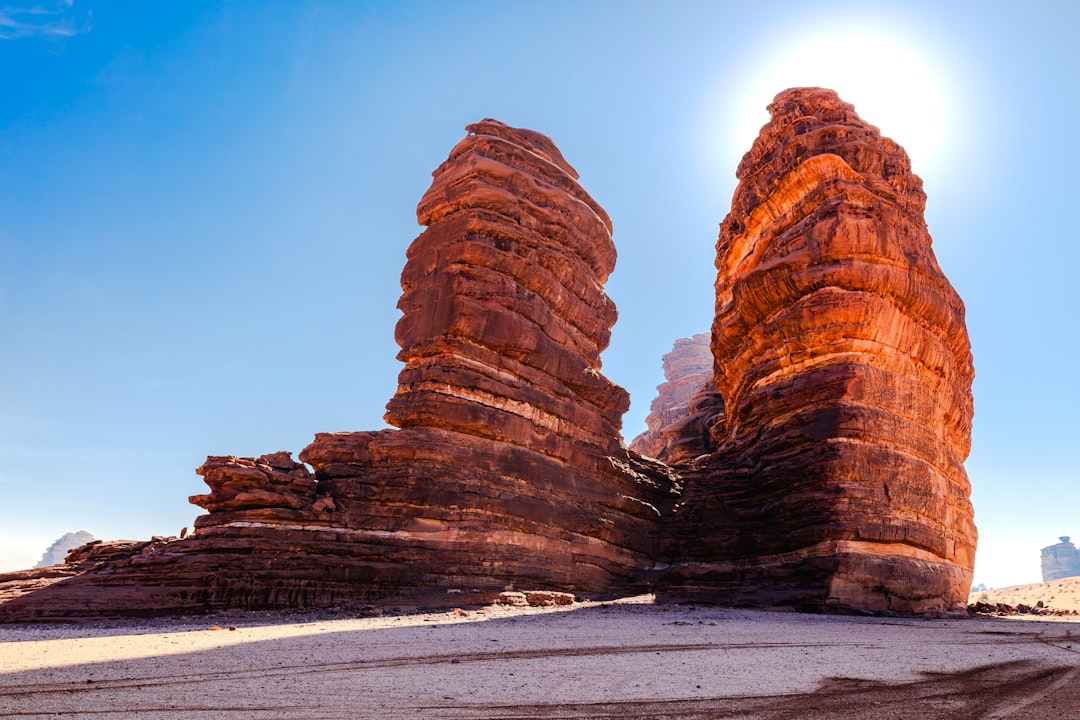
The Earth, a celestial body teeming with life, is far from a static entity. Instead, it is a complex and ceaselessly evolving system, a cosmic furnace forged over billions of years. Understanding the processes that sculpt its surface, churn its interior, and influence its atmosphere requires delving into the realm of geology, the scientific discipline dedicated to unraveling Earth’s history and its ongoing transformations. This exploration takes us on a journey through time and across scales, from the infinitesimal movements of atoms to the colossal forces that shape continents and carve oceans.
The dynamic nature of our planet is not a recent discovery but rather a concept that has gradually emerged from centuries of observation and scientific inquiry. Early geologists, armed with little more than keen eyesight and meticulous note-taking, began to piece together the evidence of a world in perpetual motion. They observed the slow creep of glaciers, the relentless carving of rivers, and the seemingly random distribution of mountains and valleys. These were not the immutable features they once appeared but rather the artifacts of powerful, ongoing forces. To truly grasp the Earth’s dynamism, one must first understand the fundamental building blocks of our planet and the energetic drivers that set them in motion.
The Earth’s internal heat is the primary engine driving many of its surface phenomena. This heat is a relic of the planet’s formation, a consequence of accretion and the decay of radioactive isotopes within its interior. This internal heat is not uniformly distributed; it flows outward, seeking equilibrium, and this outward flow dictates much of Earth’s geological activity.
Radioactive Decay: A Slow Burn of Energy
Primordial Heat: The Legacy of Formation
The heat generated by radioactive decay, primarily from isotopes of uranium, thorium, and potassium, is a constant and sustained source of energy. These isotopes, present in the Earth’s crust and mantle, undergo a slow but predictable process of decay, releasing thermal energy in the process. This ongoing decay acts like a slow-burning ember, perpetually warming the Earth from within.
Furthermore, the immense heat retained from the Earth’s formation, known as primordial heat, still contributes significantly to its thermal budget. The gravitational energy released during the planet’s accretion and subsequent differentiation into core, mantle, and crust was immense. A substantial portion of this energy was trapped within the planet and continues to radiate outwards, albeit at a diminishing rate over billions of years. This combination of primordial and radiogenic heat fuels the planet’s internal dynamism.
Mantle Convection: The Planet’s Great Circulatory System
The most critical manifestation of this internal heat is mantle convection. The mantle, a thick layer of silicate rock situated between the Earth’s crust and core, is subject to immense pressure and elevated temperatures. While solid on short timescales, the mantle behaves like a highly viscous fluid over geological epochs. The heat from the core causes the lower mantle to heat up, become less dense, and rise towards the surface. As this material approaches the cooler upper mantle and crust, it releases heat, becomes denser, and sinks back down towards the core.
This continuous circulation, akin to water boiling in a pot, creates massive convection currents within the mantle. These currents are the slow-motion conveyor belts that carry heat and matter across vast distances within the Earth. The speeds are imperceptible on human timescales, but over millions of years, they are powerful enough to move continents and create new oceanic crust. Scientists visualize these currents as immense, slow-moving rivers of rock, with hot plumes rising and cooler material sinking, a constant churning that shapes the tectonic plates above.
The Lithosphere: Earth’s Tectonic Shell
Floating atop this convecting mantle is the lithosphere, a relatively rigid outer shell of the Earth. The lithosphere is composed of the crust and the uppermost, rigid portion of the mantle. It is this lithosphere that is broken into large, mobile fragments known as tectonic plates. These plates are carried along by the underlying mantle convection currents, much like rafts on a slow-moving river. The interactions between these plates at their boundaries are the direct cause of most of the Earth’s geological activity, including earthquakes, volcanic eruptions, and mountain formation.
Geological processes play a crucial role in shaping the Earth’s landscape and influencing its ecosystems. For a deeper understanding of these processes, you can explore the article on sedimentary rock formation, which provides insights into how layers of sediment are deposited over time and transformed into rock. This fascinating topic is discussed in detail in the following article: Sedimentary Rock Formation.
Plate Tectonics: The Architects of the Continents
The theory of plate tectonics is the unifying framework that explains the large-scale movement of Earth’s lithospheric plates and the geological phenomena associated with their interactions. It is the grand narrative of Earth’s surface evolution, explaining why continents drift, mountains rise, and oceans form and disappear.
Divergent Boundaries: Where New Crust is Born
Seafloor Spreading: The Birth of Oceans
At divergent plate boundaries, two tectonic plates move away from each other. This separation allows molten rock, or magma, from the underlying mantle to rise and fill the gap. As the magma erupts onto the seafloor, it cools and solidifies, forming new oceanic crust. This process is known as seafloor spreading and is most visibly observed at mid-ocean ridges, vast underwater mountain ranges where new oceanic lithosphere is continuously generated. This is a remarkably creative process, essentially building new land from the Earth’s interior, like a cosmic 3D printer continuously creating the ocean floor.
Rifting: The Genesis of New Continents
While seafloor spreading occurs primarily in oceans, a similar process of rifting can occur on continents. When continental plates diverge, the crust stretches and thins, forming rift valleys. If this rifting continues, it can eventually lead to the breakup of a continent and the formation of a new ocean basin. The East African Rift Valley is a prime example of ongoing continental rifting, a nascent ocean in the making.
Convergent Boundaries: The Sites of Collision and Subduction
Subduction: The Recycling of Crustal Material
At convergent plate boundaries, two tectonic plates collide. The outcome of this collision depends on the type of plates involved. If an oceanic plate collides with a continental plate, the denser oceanic plate is forced beneath the lighter continental plate in a process called subduction. As the oceanic plate descends into the mantle, it melts, generating magma that rises to the surface and can lead to volcanic activity, often forming volcanic mountain ranges parallel to the coast, like the Andes. This subduction process can be viewed as Earth’s way of recycling its own crust, pulling old material back into the fiery depths.
Continental Collision: The Sculpting of Mountains
When two continental plates collide, neither is dense enough to subduct significantly. Instead, the crust crumples and folds upwards, creating massive mountain ranges. The Himalayas, formed by the collision of the Indian and Eurasian plates, are a testament to the immense power of continental collision. This process, like a geological vise, squeezes and buckles the Earth’s crust into towering peaks.
Transform Boundaries: The Grinding of Plates
Strike-Slip Faults: Earthquakes in Motion
At transform plate boundaries, two plates slide past each other horizontally. These boundaries are characterized by strike-slip faults, where blocks of crust move laterally. While no new crust is created or destroyed, the friction between the grinding plates builds up stress, which is released in sudden bursts, causing earthquakes. The San Andreas Fault in California is a well-known example of a transform plate boundary. This is a more abrasive form of geological interaction, like two enormous tectonic fingernails scraping against each other, releasing seismic energy in the process.
Volcanism: Earth’s Fiery Breath
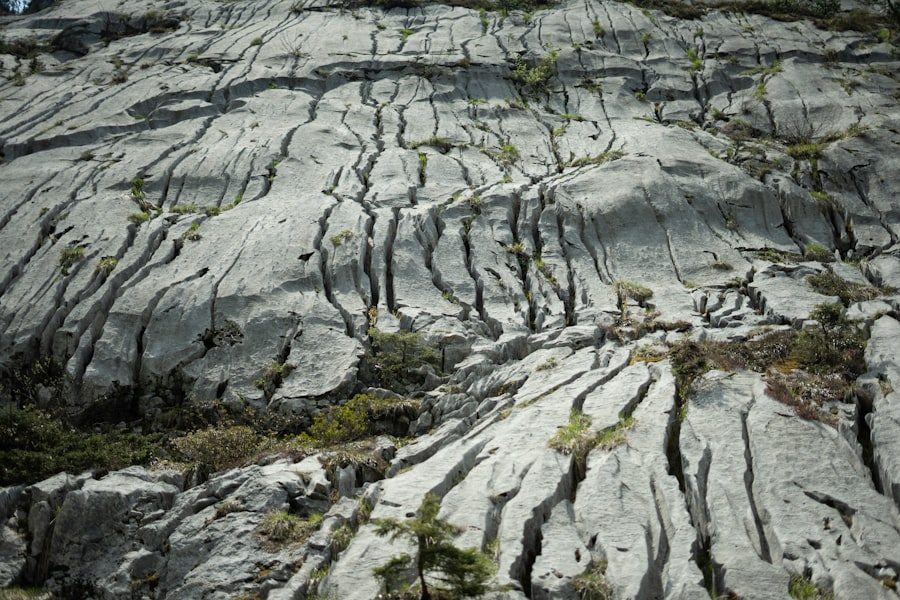
Volcanism is one of the most dramatic expressions of Earth’s internal heat and the dynamic processes occurring beneath its surface. Volcanoes are conduits through which molten rock, ash, and gases erupt from the Earth’s interior, shaping landscapes and influencing climate.
Types of Volcanoes: Forms Shaped by Magma
Shield Volcanoes: Gentle Giants of Lava
Shield volcanoes are characterized by their broad, gently sloping sides, resembling a warrior’s shield. They are formed by the eruption of fluid, basaltic lava that flows long distances before solidifying. The Hawaiian Islands are classic examples of shield volcanoes, built up over millions of years by repeated eruptions from a stationary hot spot on the Pacific Plate.
Stratovolcanoes: Majestic and Potentially Violent
Stratovolcanoes, also known as composite volcanoes, are typically tall, conical mountains built up by alternating layers of lava flows, volcanic ash, and cinders. They often have steep sides and a crater at the summit. Stratovolcanoes are associated with more viscous, silica-rich magmas and can produce explosive eruptions, posing significant hazards. Mount Fuji in Japan and Mount Rainier in the United States are iconic stratovolcanoes.
Cinder Cones: Small but Numerous
Cinder cones are the simplest type of volcano, characterized by their relatively small size and steep, conical shape. They are formed by the accumulation of ejected volcanic fragments, such as cinders and ash, around a central vent. Cinder cones are often found in groups and are typically short-lived in their eruptive activity.
Volcanic Gases and Ash: Climate Modifiers
Volcanic eruptions release a variety of gases, including water vapor, carbon dioxide, and sulfur dioxide. While water vapor is a greenhouse gas and can contribute to warming, large injections of sulfur dioxide into the stratosphere can have a temporary cooling effect by scattering incoming solar radiation. Volcanic ash, composed of pulverized rock and glass, can also disrupt atmospheric circulation and impact global temperatures. This is Earth’s way of exhaling, sometimes with significant consequences for our atmosphere.
Earthquakes: The Shaking of the Crust
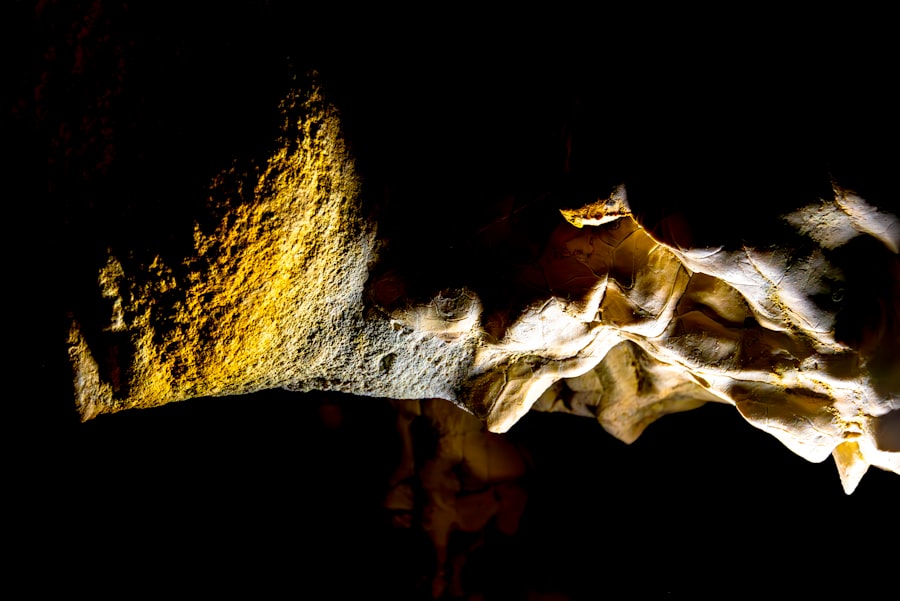
Earthquakes are sudden, violent shaking of the ground caused by movements within the Earth’s crust or upper mantle. They are a direct consequence of the immense stresses built up at plate boundaries as tectonic plates grind against each other.
The Physics of Earthquakes: Stress and Release
Elastic Rebound Theory: Stored Energy Unleashed
The prevailing theory explaining earthquakes is the elastic rebound theory. As tectonic plates move, friction causes them to stick, accumulating strain energy in the rocks. When this accumulated stress exceeds the strength of the rocks, they rupture along a fault line, releasing the stored energy in the form of seismic waves. This process is analogous to bending a stick until it snaps, releasing the stored energy in a sudden jolt.
Seismic Waves: Ripples Through the Earth
Seismic waves are vibrations that travel through the Earth’s interior and along its surface. There are two main types: body waves, which travel through the Earth’s interior (P-waves and S-waves), and surface waves, which travel along the Earth’s surface. Analyzing the arrival times and characteristics of these waves at seismograph stations allows scientists to determine the location and magnitude of earthquakes. These waves are like the Earth’s heartbeat, its internal tremors felt across vast distances.
Measuring Earthquakes: Magnitude and Intensity
Earthquake magnitude is a measure of the energy released at the source, typically quantified using the Moment Magnitude Scale. Intensity, on the other hand, describes the effects of an earthquake at a specific location, considering factors like ground shaking, damage to structures, and human perception.
Geological processes play a crucial role in shaping the Earth’s landscape and influencing various natural phenomena. For those interested in exploring this topic further, a fascinating article can be found that delves into the intricacies of plate tectonics and their impact on seismic activity. You can read more about it in this insightful piece on geological processes at Hey Did You Know This. Understanding these processes not only enhances our knowledge of Earth’s history but also helps us prepare for future geological events.
Erosion and Weathering: The Sculpting Agents of Time
| Geological Process | Description | Time Scale | Key Metrics |
|---|---|---|---|
| Plate Tectonics | Movement of Earth’s lithospheric plates | Millions of years | Plate velocity: 1-10 cm/year |
| Volcanism | Eruption of magma onto Earth’s surface | Seconds to years | Magma temperature: 700-1300°C, Eruption frequency: varies |
| Weathering | Breakdown of rocks by physical or chemical means | Years to thousands of years | Rate: 0.01-1 mm/year |
| Erosion | Removal and transport of surface material | Years to thousands of years | Soil loss rate: 0.1-10 mm/year |
| Sedimentation | Deposition of sediments in layers | Thousands to millions of years | Deposition rate: 0.1-10 mm/year |
| Metamorphism | Alteration of rock by heat and pressure | Thousands to millions of years | Temperature range: 200-800°C, Pressure: 1-12 kbar |
| Earthquakes | Sudden release of energy along faults | Seconds to minutes | Magnitude: 0-9+, Frequency: varies by region |
While internal forces build up mountains and create new land, external forces continuously work to break them down and sculpt the Earth’s surface. Erosion and weathering are the agents of this relentless transformation, shaping landscapes over geological timescales.
Weathering: The Breakdown of Rocks
Physical Weathering: Breaking Apart by Force
Physical weathering, also known as mechanical weathering, involves the disintegration of rocks into smaller pieces without changing their chemical composition. This can occur through processes like frost wedging (water freezing and expanding in cracks), abrasion (rocks rubbing against each other), and thermal expansion (repeated heating and cooling). This is like the relentless grinding of sandpaper, slowly wearing down the rock’s surface.
Chemical Weathering: Altering the Composition
Chemical weathering involves the decomposition of rocks through chemical reactions. This can include processes like dissolution (minerals dissolving in water), oxidation (reaction with oxygen, like rusting), and hydrolysis (reaction with water). Carbonation, the reaction of carbonic acid (formed from carbon dioxide and water) with rocks like limestone, is a significant form of chemical weathering responsible for cave formation.
Erosion: The Transport of Sediments
Erosion is the process by which weathered material is transported from one place to another. The primary agents of erosion are water, wind, and ice.
Water Erosion: Rivers and Rain
Rivers are powerful agents of erosion, carving out valleys and carrying vast amounts of sediment downstream. Rainfall can also contribute to erosion through surface runoff, washing away soil and rock particles.
Wind Erosion: Desert Sculptors
Wind erosion is particularly significant in arid and semi-arid regions. The wind picks up and transports sand and dust particles, which can abrade rock surfaces and shape desert landscapes into dunes and yardangs.
Glacial Erosion: The Power of Ice
Glaciers, massive bodies of ice, exert tremendous erosive power. As they flow, they grind and carve the underlying bedrock, creating U-shaped valleys, cirques, and fjords. The landscapes of mountainous regions, particularly those that have experienced past glaciation, bear the indelible marks of glacial erosion.
The Earth’s dynamism is not a singular phenomenon but a symphony of interconnected processes. From the molten heart of the planet to the weathered surfaces we tread, every element plays a crucial role in shaping our world. Understanding these geological processes is not merely an academic exercise; it provides vital insights into natural hazards, resource distribution, and the long-term evolution of our planet, a story written in stone and sculpted by forces beyond human comprehension. The more we unravel these geological threads, the better we can understand our place within this ever-changing, magnificent Earth.
FAQs
What are geological processes?
Geological processes are natural mechanisms that shape the Earth’s structure and landscape. These include volcanic activity, erosion, sedimentation, plate tectonics, and weathering.
How do plate tectonics influence geological processes?
Plate tectonics involve the movement of Earth’s lithospheric plates. Their interactions cause earthquakes, mountain building, volcanic eruptions, and the formation of ocean basins, significantly impacting geological processes.
What role does erosion play in shaping the Earth’s surface?
Erosion is the process by which soil, rock, and other surface materials are worn away and transported by wind, water, or ice. It helps shape landforms by breaking down mountains and redistributing sediments.
How are sedimentary rocks formed through geological processes?
Sedimentary rocks form from the accumulation and compaction of sediments, which are often deposited by water, wind, or ice. Over time, these sediments harden into rock layers, recording Earth’s history.
Why is understanding geological processes important?
Understanding geological processes helps scientists predict natural hazards, locate natural resources, and comprehend Earth’s past climate and environmental changes, which is essential for environmental management and planning.