
Hydrocarbons, a fundamental class of organic compounds formed primarily from hydrogen and carbon atoms, represent a cornerstone of the modern industrial world. Their extraction, refinement, and application have fueled technological advancement and shaped global economies for over a century. Understanding the multifaceted nature of hydrocarbons – from their geological origins to their diverse end-uses – is crucial for appreciating their continued significance and the challenges associated with their utilization.
Hydrocarbons are not spontaneously generated; they are the product of immensely long and complex geological processes. The genesis of these vital resources can be traced back hundreds of millions of years to the accumulation and transformation of organic matter.
Ancient Biomass and Sedimentation
The Organic Ooze
The story begins with the vast quantities of plant and animal life that perished in oceans and other sedimentary basins throughout Earth’s history. Microscopic organisms like plankton, along with larger vegetation, formed layers of organic detritus on the seafloor and lakebeds. These riches, when buried, entered a transformative process.
Kerogen: The Primal Soup
As these organic layers were encased by accumulating sediments – sand, silt, and clay – they were subjected to increasing pressure and temperature. Over geological timescales, this heat and pressure acted as a slow cooker, breaking down the complex organic molecules into simpler ones. This intermediate stage, before the formation of liquid or gaseous hydrocarbons, is known as kerogen. Kerogen is a solid, waxy substance that forms the foundational material from which crude oil and natural gas are subsequently derived. The type of kerogen formed, and thus the eventual products, is influenced by the original organic matter and the specific burial conditions.
Maturation: The Alchemy of Heat and Pressure
The Thermal Degradation Process
The maturation process is akin to a geological distillation. As burial depths increase, so do temperatures and pressures. In a specific temperature range, typically between 50°C and 150°C for oil and up to 200°C for natural gas, kerogen undergoes thermogenic cracking. This breaks down the larger, insoluble kerogen molecules into smaller, mobile hydrocarbon chains, forming liquid crude oil and natural gas.
The Oil Window and Gas Window
Defining the Product
Geologists often refer to the “oil window” and the “gas window” to describe the temperature ranges within which these hydrocarbons are generated. Below the oil window, the organic matter remains largely as kerogen. Within the oil window, liquid crude oil is predominantly formed. Beyond the oil window and into the gas window, higher temperatures lead to the further cracking of liquid hydrocarbons into natural gas, primarily methane. If temperatures become too high, more complex hydrocarbons can be further degraded into elemental carbon, a process that effectively destroys potential hydrocarbon resources.
Hydrocarbons play a crucial role in our daily lives, serving as the primary source of energy and raw materials for various industries. For those interested in exploring the intricacies of hydrocarbons and their impact on the environment, a related article can be found at this link. This article delves into the different types of hydrocarbons, their applications, and the ongoing discussions surrounding their environmental implications.
The Diverse Forms of Hydrocarbon Resources
Once generated, hydrocarbons migrate from their source rocks and can accumulate in porous and permeable rock formations, becoming accessible for extraction. These accumulated reserves manifest in several key forms.
Crude Oil: The Black Gold
A Complex Mixture
Crude oil, often termed “black gold,” is the most widely recognized hydrocarbon resource. It is not a single substance but a complex mixture of thousands of different hydrocarbon compounds, primarily alkanes, cycloalkanes, and aromatic hydrocarbons. The specific composition of crude oil varies significantly depending on its geological origin, influencing its density, viscosity, and the types of products that can be refined from it.
Refining: Unlocking the Potential
The Art and Science of Separation
The true potential of crude oil is unlocked through the process of refining. This involves separating the complex mixture into various valuable fractions based on differences in their boiling points. This process is akin to carefully controlling a distillation column, where different components vaporize and condense at specific temperatures. Key fractions include:
Naphtha and Gasoline
This fraction is a primary component of gasoline, the fuel that powers most internal combustion engines.
Kerosene
Used as jet fuel and in some heating applications.
Diesel Fuel
The fuel for diesel engines, commonly used in trucks, buses, and some automobiles.
Lubricating Oils and Waxes
These heavier fractions are used for lubrication and in the production of waxes.
Bitumen and Asphalt
The heaviest residues, used in road construction and roofing.
Natural Gas: The Cleaner Fuel
A Predominantly Methane Mixture
Natural gas is another crucial hydrocarbon resource, predominantly composed of methane (CH₄), with smaller amounts of ethane (C₂H₆), propane (C₃H₈), and butane (C₄H₁₀). It is often found alongside crude oil deposits or in separate reservoirs. Its cleaner burning properties, when compared to other fossil fuels, have led to its increasing prominence in the energy mix.
Associated Gas vs. Non-Associated Gas
Finding the Source
Associated gas is found in conjunction with crude oil reservoirs, and it is produced alongside the oil. Non-associated gas, on the other hand, exists in reservoirs where there is little or no crude oil.
Coal Bed Methane and Tight Gas
Unconventional Reserves
Beyond conventional reservoirs, hydrocarbons are also found in unconventional formations. Coal bed methane is natural gas adsorbed onto coal seams. Tight gas is trapped in low-permeability sandstone or shale formations, requiring advanced extraction techniques to access.
The Ubiquitous Applications of Hydrocarbons
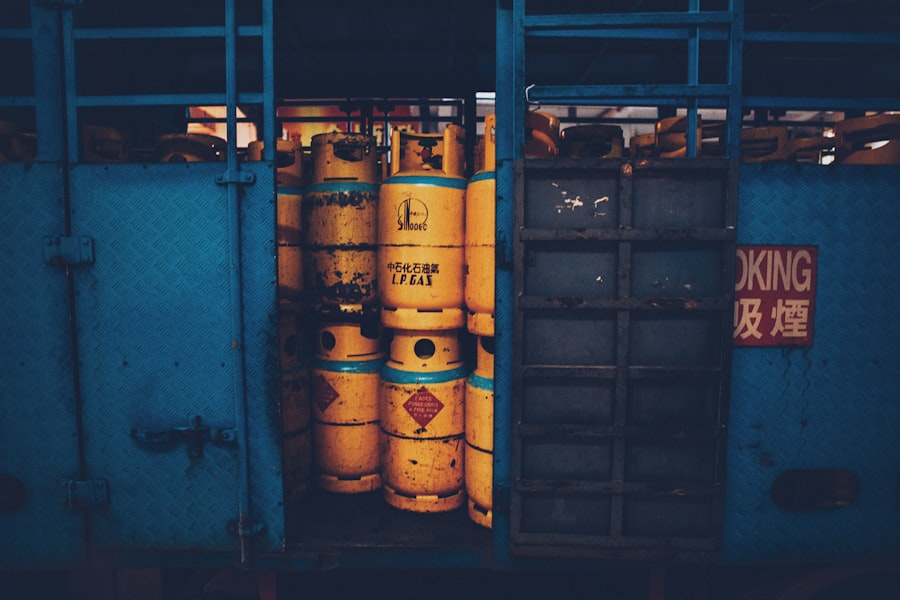
The processed products derived from hydrocarbons are so deeply integrated into modern life that their absence would fundamentally alter our societal structure. They are not merely energy sources but the building blocks for an astonishing array of materials and products.
Energy Generation: Powering the Globe
The Backbone of Electricity Production
For decades, hydrocarbons, particularly crude oil and natural gas, have been the primary fuels for electricity generation. Burning these fuels in power plants releases thermal energy, which is then converted into electrical energy. While renewable energy sources are growing in importance, hydrocarbon-based power generation continues to be a significant contributor to global electricity supply.
Transportation Fuels: Keeping the World Moving
The Lifeline of Mobility
Gasoline and diesel fuel, derived from crude oil refining, are the lifeblood of the global transportation sector. Cars, trucks, airplanes, and ships largely rely on these hydrocarbon-based fuels for propulsion. This reliance underpins global trade, personal mobility, and the functioning of supply chains.
Petrochemical Industry: The Foundation of Modern Materials
Versatile Building Blocks
Beyond fuels, hydrocarbons are the indispensable raw materials for the petrochemical industry. Through processes like steam cracking, larger hydrocarbon molecules are broken down into smaller, more reactive units called olefins (like ethylene and propylene) and aromatics (like benzene and toluene). These are the fundamental building blocks for an immense spectrum of products.
Plastics and Polymers
The Ubiquitous Material
The plastics that permeate our daily lives – from packaging and textiles to electronics and construction materials – are derived from petrochemicals. Polymers, long chains of repeating molecular units, offer remarkable versatility in terms of strength, flexibility, and durability.
Fertilizers and Pharmaceuticals
Supporting Life and Health
Many essential fertilizers that support global food production are synthesized from natural gas (ammonia production). Furthermore, a significant proportion of modern pharmaceuticals, including life-saving medicines, utilize hydrocarbon-derived intermediates in their complex manufacturing processes.
Solvents and Specialty Chemicals
Enabling Diverse Processes
Hydrocarbons and their derivatives serve as critical solvents in numerous industrial processes, from cleaning and degreasing to chemical synthesis. They are also the foundation for a vast array of specialty chemicals used in paints, coatings, adhesives, and cosmetics.
Challenges and the Future of Hydrocarbon Utilization

Despite their undeniable utility, the extraction and combustion of hydrocarbons present significant environmental and geopolitical challenges that necessitate a re-evaluation of their role in the future.
Environmental Impact: The Shadow of Combustion
Greenhouse Gas Emissions
The most significant environmental concern associated with hydrocarbon combustion is the release of greenhouse gases, primarily carbon dioxide (CO₂). These emissions trap heat in the atmosphere, contributing to global warming and climate change, with potential consequences such as rising sea levels, extreme weather events, and disruption to ecosystems.
Air and Water Pollution
Localized Impacts
Beyond greenhouse gases, the combustion of hydrocarbons can release other pollutants into the atmosphere, including sulfur dioxide (SO₂) and nitrogen oxides (NOx), which contribute to acid rain and respiratory problems. Furthermore, extraction activities can pose risks of oil spills and contamination of groundwater.
Resource Depletion and Geopolitics
Finite Reserves
Hydrocarbons are finite resources. While new discoveries and enhanced recovery techniques continue to expand reserves, they are ultimately non-renewable. This raises concerns about long-term availability and price volatility, which can have significant economic and geopolitical implications.
Geopolitical Dependencies
The Global Chessboard
Historically, significant hydrocarbon reserves have been concentrated in specific regions, leading to complex geopolitical relationships and dependencies. Control over these resources has often been a factor in international relations and conflicts.
Hydrocarbons play a crucial role in our energy landscape, serving as the primary source of fuel for transportation and heating. Their significance extends beyond just energy production, as they are also essential in the manufacturing of various chemicals and materials. For a deeper understanding of the environmental impacts associated with hydrocarbon extraction and usage, you can explore a related article that discusses these issues in detail. This insightful piece can be found here.
Transitioning Towards Sustainable Alternatives
| Hydrocarbon Type | Chemical Formula | State at Room Temperature | Boiling Point (°C) | Common Uses |
|---|---|---|---|---|
| Methane | CH4 | Gas | -161.5 | Fuel, natural gas |
| Ethane | C2H6 | Gas | -88.6 | Petrochemical feedstock |
| Propane | C3H8 | Gas | -42.1 | Fuel for heating and cooking |
| Butane | C4H10 | Gas | -0.5 | Lighter fuel, refrigerant |
| Octane | C8H18 | Liquid | 125.6 | Gasoline component |
| Benzene | C6H6 | Liquid | 80.1 | Industrial solvent, precursor to plastics |
| Polyethylene | (C2H4)n | Solid | Decomposes before boiling | Plastic manufacturing |
The challenges associated with hydrocarbon utilization are driving a global push towards more sustainable energy sources and materials. This transition is not a simple switch but a multifaceted endeavor involving technological innovation, policy changes, and societal adaptation.
Advancements in Renewable Energy
Harnessing Nature’s Power
The rapid development and deployment of renewable energy technologies like solar, wind, and geothermal power offer promising alternatives to hydrocarbon-based energy generation. Continued investment in research and development is crucial for improving efficiency and reducing costs.
Energy Storage Solutions
Bridging the Gaps
A critical component of a renewable energy future is effective energy storage. Technologies such as advanced battery systems, pumped hydro storage, and hydrogen fuel cells are essential for ensuring a reliable and consistent energy supply when renewable sources are intermittent.
Carbon Capture and Utilization/Storage (CCUS)
Mitigating Emissions
For industries where a complete transition away from hydrocarbons is currently challenging, technologies that capture carbon emissions from industrial processes and either utilize them to create new products or store them underground are being explored and developed.
Material Innovation and Circular Economy
Redesigning Our Consumption
Beyond energy, a shift towards a circular economy and the development of sustainable materials are crucial. This involves designing products for durability, repairability, and recyclability, and exploring bio-based and novel materials as alternatives to hydrocarbon-derived plastics and chemicals. The journey of hydrocarbons from the Earth’s crust to their pervasive presence in our lives highlights a remarkable chapter in human ingenuity and industrial progress. However, as the understanding of their environmental and resource limitations grows, the focus is increasingly shifting towards how to best manage their continued role while actively building a more sustainable future, a future where the potential of new energy and material systems can be truly unleashed.
FAQs
What are hydrocarbons?
Hydrocarbons are organic compounds composed entirely of hydrogen and carbon atoms. They are the primary components of fossil fuels such as oil, natural gas, and coal.
What are the main types of hydrocarbons?
The main types of hydrocarbons are alkanes (saturated hydrocarbons), alkenes (unsaturated hydrocarbons with double bonds), alkynes (unsaturated hydrocarbons with triple bonds), and aromatic hydrocarbons (containing benzene rings).
Where are hydrocarbons commonly found?
Hydrocarbons are commonly found in natural sources like crude oil, natural gas, coal, and peat. They are also present in living organisms as part of biological molecules.
What are the uses of hydrocarbons?
Hydrocarbons are used as fuels (gasoline, diesel, natural gas), raw materials for producing plastics, synthetic fibers, solvents, and other chemicals in the petrochemical industry.
How do hydrocarbons impact the environment?
Burning hydrocarbons releases carbon dioxide and other pollutants, contributing to air pollution and climate change. Oil spills and leaks can also cause environmental damage to ecosystems.