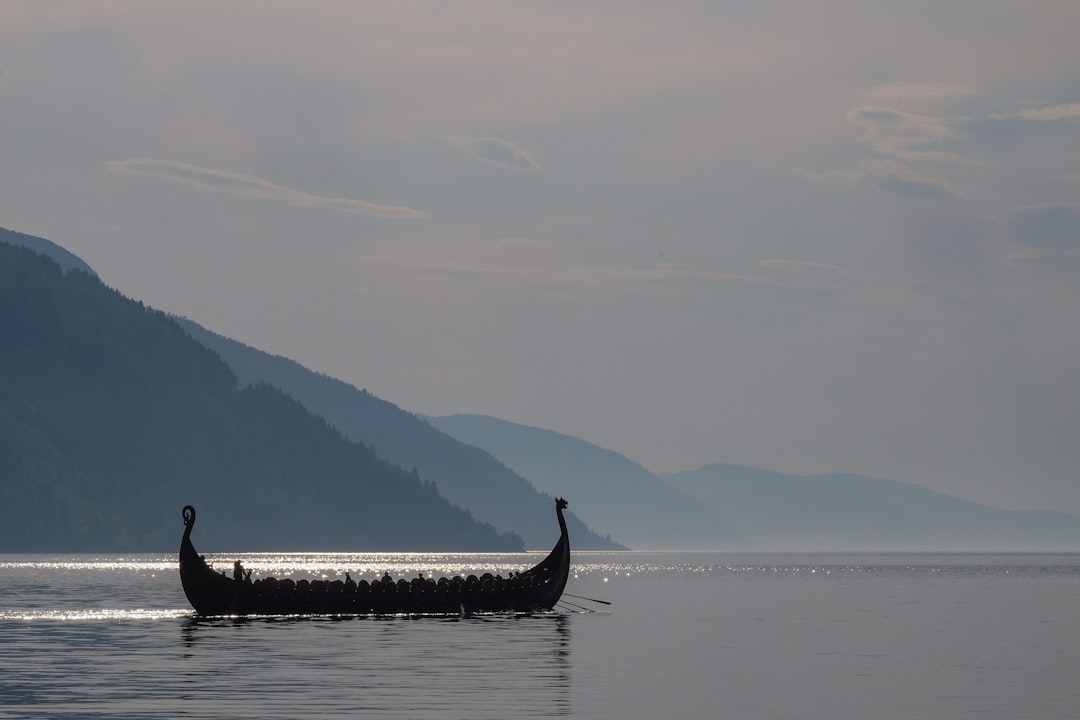
The Norsemen, a seafaring people originating from Scandinavia, left an indelible mark on the historical consciousness of the world. From the late 8th to the mid-11th century, these explorers, traders, raiders, and settlers ventured far beyond their homelands, shaping the political, cultural, and economic landscapes of Europe and beyond. Their legacy, often painted in hues of fire and blood, is a complex tapestry woven with threads of innovation, brutality, and enduring cultural impact. To understand their fearsome legacy, one must navigate the multifaceted nature of their expeditions and the profound changes they instigated.
The precise catalysts for the Viking Age remain a subject of scholarly debate, yet a confluence of factors undoubtedly played a role in the sudden explosion of Norse activity. The internal dynamics of Scandinavian society, coupled with opportunities and vulnerabilities observed abroad, created a powerful impetus for expansion.
Social and Political Drivers
Within their homelands, Scandinavian societies were undergoing significant transformations. Population growth, possibly exceeding the carrying capacity of arable land in some regions, may have spurred outward migration. The emergence of powerful chieftains and kings, vying for control and resources, also fostered an environment of both ambition and displacement. Those who lost power struggles or sought greater personal wealth often turned to external ventures as a means of advancement.
Technological Advancements
Crucial to the Vikings’ success was their shipbuilding technology. The longship, a marvel of engineering, was both fast and seaworthy, capable of navigating treacherous open seas and shallow river estuaries alike. Its shallow draft allowed for beach landings and deep penetration into enemy territory, effectively nullifying traditional coastal defenses. This technological superiority was the bedrock upon which their expeditions were built, allowing them to project power over vast distances.
External Opportunities
The wealthy, yet often politically fragmented, Anglo-Saxon kingdoms of England, the Frankish Empire, and the relatively undefended monasteries of Ireland and Scotland presented lucrative targets. These societies, often organized around agrarian economies, possessed accumulated wealth in the form of precious metals, livestock, and enslaved people, all ripe for the taking. The image of the Viking raid, a swift and brutal assault followed by a rapid retreat, was forged in this crucible of opportunity and vulnerability.
If you’re interested in learning more about the fascinating history and culture of the Vikings, you might find this article particularly intriguing: Did You Know These Surprising Facts About Vikings?. It delves into lesser-known aspects of Viking life, including their trading practices, exploration routes, and the myths that have shaped their legacy in popular culture.
The Shadow of the Dragon Ship: Raids and Conquests
The most enduring and fearsome aspect of the Viking legacy is undeniably their predilection for raiding and conquest. From the shores of Northumbria to the heart of the Mediterranean, the dragon-prowed longships became harbingers of terror.
The Sack of Lindisfarne
The year 793 AD stands as a grim watershed moment. The unprovoked attack on the monastery of Lindisfarne, a revered center of Christian learning and spirituality, sent shockwaves across Christendom. This event, meticulously recorded by contemporary chroniclers, shattered the illusion of inviolability enjoyed by religious institutions and signaled the dawn of a new, more predatory era. The ferocity and suddenness of the attack, coupled with the desecration of holy relics and the enslavement of monks, firmly cemented the Vikings’ image as pagan barbarians.
Campaigns in England and Europe
Viking activity in England escalated from sporadic raids to full-scale invasions. The Great Heathen Army, a formidable coalition of Norse warriors, rampaged across Anglo-Saxon kingdoms in the mid-9th century, culminating in the establishment of the Danelaw, a significant portion of eastern England under Norse rule. Similarly, in Francia, Viking fleets ascended rivers like the Seine and the Rhine, laying siege to cities like Paris and extorting vast sums of tribute, known as Danegeld, to avert further devastation. These campaigns were not mere hit-and-run affairs; they represented sustained efforts to conquer and settle, fundamentally altering the political landscape of these regions.
Mediterranean and Eastern Ventures
While often associated with Western Europe, Viking enterprise extended far south and east. Norse raiders, often referred to as Rus’, navigated the rivers of Eastern Europe, establishing trade routes linking Scandinavia to Byzantium and the Abbasid Caliphate. These routes, sometimes called the “Volga Trade Route” or “Dnieper Route,” facilitated the exchange of goods such as furs, amber, and enslaved people for silver and luxury items. While these expeditions often involved trade, they were rarely devoid of violence, as the Rus’ frequently engaged in raiding and tribute collection from the Slavic tribes they encountered. Their presence in the Mediterranean saw attacks on cities in Spain, Portugal, and even Italy, demonstrating the extraordinary reach of their maritime prowess.
Beyond the Axe: Trade, Settlement, and Cultural Exchange

While the fearsome reputation of Viking warriors is undeniable, their legacy is far more nuanced. They were not merely destructive brigands but also skilled traders, intrepid explorers, and consequential settlers who facilitated significant cultural exchange.
The Web of Trade Networks
The Vikings were master mariners and shrewd merchants. Their extensive trade networks, stretching from North America to the Middle East, were arteries through which goods, ideas, and people flowed. They established key trading hubs like Hedeby in Denmark, Birka in Sweden, and Kaupang in Norway, which became bustling centers of commerce. Commodities such as furs, timber, amber, walrus ivory, and enslaved people were traded for silver, silks, spices, and exotic crafts. This extensive commercial activity demonstrates a sophisticated understanding of supply and demand, and a willingness to engage in peaceful economic interaction, often in parallel with more aggressive pursuits.
The Seeds of New Societies
Perhaps the most lasting and positive aspect of the Viking legacy is their role as colonizers and nation-builders. They settled vast swathes of formerly uninhabited land, such as Iceland and Greenland, establishing self-governing communities that preserved much of their Norse heritage. Their settlements in Newfoundland, particularly L’Anse aux Meadows, stand as testament to their transatlantic explorations, predating Columbus by half a millennium. In Normandy, Viking settlers, granted land by the Frankish king, assimilated over time, giving rise to the fearsome Norman cavalry who would later conquer England. These instances highlight their capacity for adaptation, organization, and the creation of enduring social structures.
Linguistic and Cultural Infusions
The prolonged presence of Vikings across Europe led to significant linguistic and cultural exchange. In England, Old Norse loanwords enriched the English language, contributing everyday terms still used today. Place names across the British Isles and beyond bear the indelible stamp of Norse settlement. Similarly, legal systems in some areas were influenced by Norse traditions, as were architectural styles and artistic motifs. Their sagas and Eddas, rich tapestries of mythology and history, offer invaluable insights into their worldview and literary prowess, shaping subsequent European literary traditions.
The Enduring Echoes: Perceptions and Misconceptions

The fearsome legacy of the Vikings has been shaped and reshaped over centuries, often falling prey to romanticization, demonization, and political agendas. Separating historical fact from popular fiction is a continuous endeavor.
The “Horned Helmet” Fallacy
One of the most persistent and visually iconic misconceptions about Vikings is the image of the horned helmet. This anachronistic embellishment, largely a product of 19th-century Romantic nationalism and opera costume design, is entirely without historical basis. Archaeological evidence unequivocally demonstrates that Viking warriors did not wear horned helmets in battle. This enduring image serves as a potent reminder of how easily historical narrative can be supplanted by compelling, yet inaccurate, visual tropes.
The Noble Savage vs. Bloodthirsty Barbarian Dichotomy
Historical perceptions of Vikings have often swung between two extremes. Early Christian chroniclers, traumatized by the raids, painted them as “wolves,” “pagan fiends,” and “godless heathens,” emphasizing their brutality and destructive tendencies. This narrative served to demonize the invaders and rally resistance. Later, particularly in the 19th and early 20th centuries, a more romanticized view emerged, portraying them as fearless explorers, noble warriors, and pioneering adventurers, often tied to nationalist movements seeking to draw upon a powerful, indigenous past. The truth, as often is the case, lies somewhere in the complex middle ground.
Modern Interpretations and Legacy
Today, the Viking legacy continues to exert a powerful pull on the popular imagination. From blockbuster movies and television series to video games and fantasy novels, their stories of adventure, conquest, and exploration resonate deeply. While these interpretations often take liberties with historical accuracy for narrative effect, they nonetheless keep the Viking Age alive in the cultural consciousness. Scholars, however, continue to meticulously analyze archaeological evidence, sagas, and contemporary accounts, striving for a more nuanced and accurate understanding of these complex people and their profound impact on human history. The fearsome legacy of the Vikings, therefore, is not merely a tale of ancient marauders but a dynamic and evolving narrative that continues to provoke thought, inspire awe, and challenge our understanding of civilization.
FAQs
Who were the Vikings?
The Vikings were seafaring Scandinavian people from the late eighth to early 11th century known for their raids, trade, and exploration across Europe and beyond.
When did the Viking Age occur?
The Viking Age is generally dated from around 793 AD, marked by the raid on Lindisfarne, to approximately 1066 AD, the year of the Battle of Stamford Bridge.
Where did the Vikings come from?
The Vikings originated from the regions that are now Denmark, Norway, and Sweden.
What were the main activities of the Vikings?
Vikings were known for raiding coastal towns, trading goods, exploring new lands, and settling in various parts of Europe, including the British Isles, Iceland, Greenland, and parts of Russia.
What impact did the Vikings have on history?
The Vikings influenced European culture, trade, and politics, contributed to the development of new trade routes, and played a role in the formation of several modern European nations.